
Hermit Crab Substrate: Your Guide to the Perfect Mix
Published on: December 21, 2025 | Last Updated: December 21, 2025
Written By: The Crab Guru
Getting the substrate right in your hermit crab tank is about so much more than just filling the bottom with sand; it’s the foundation for their entire well-being.
After caring for my five crabs for years, I’ve learned through trial and error how to create a habitat that supports their natural digging and molting behaviors.
The secret to success almost always lies in a carefully blended mix, not a single material.
We’ll cover the ideal substrate depth, the best ingredients to combine, and how to maintain perfect moisture levels for a thriving crabitat. We’ll also cover how to create a perfect habitat for molting hermit crabs, since they require extra care during molts. A stable, humidity-rich environment supports healthy molts.
Why Your Hermit Crab’s Life Depends on Good Substrate
I learned the hard way that substrate isn’t just decoration. Providing the right ground covering is the single most important factor for a hermit crab’s survival and long-term health. My crab Poseidon, for instance, spends hours meticulously digging tunnels in the moist sand. This isn’t just a quirky hobby; it’s a deeply ingrained natural behavior for de-stressing and, most critically, preparing for a safe molt. To create a hermit crab-friendly home, you tailor the enclosure to support these needs with the right substrate, humidity, and shelter. A well-designed environment makes those behaviors easier and safer.
A proper substrate blend performs several life-sustaining functions simultaneously.
- Moisture Retention: It holds water to create the humid microclimates within burrows that crabs need to breathe through their modified gills.
- Humidity Control: It slowly releases moisture into the tank air, maintaining the high humidity levels essential for their health.
- Safe Burrowing Space: It must be deep and stable enough to allow a crab to completely disappear and form a molting cave without the tunnels collapsing.
My personal tank observations show a stark difference between natural and inadequate substrates. I once used a shallow, gravel-based setup, and my crabs were stressed, surface molted, and struggled. Switching to a deep, sand-and-coir mix was like night and day; I saw immediate increases in digging, burrowing, and overall calm behavior. Materials like calcium sand or pure gravel are dangerous-they can harden like cement when wet, trap a molting crab, and cause fatal injuries.
Essential Ingredients for a Balanced Substrate Blend
Creating the perfect substrate is like mixing a cake; you need the right balance of primary ingredients and a few special additives. The goal is to create a mixture that mimics their natural beach habitat, one that holds its shape when tunnelled but doesn’t become waterlogged.
The primary components form the base of your mix.
- Play Sand: This is your main ingredient. It’s affordable, sterile, and provides the weight and structure for stable tunnels.
- Coco Coir (Coconut Fiber): This acts like a sponge, holding onto moisture wonderfully and helping to bind the sand together.
- Safe Soil: Organic potting soil with no fertilizers or pesticides can add beneficial organic matter, but it must be used sparingly to prevent mold.
Beyond the base, additives can elevate your substrate’s quality. I always mix in sphagnum moss to help with humidity pockets. For shell health, I add aragonite sand. After I started adding aragonite, a natural source of calcium, I noticed my crab Apollo was much more active in investigating and changing into new, healthy shells. The calcium in the substrate is absorbed through their abdomen, supporting exoskeleton strength. Calcium plays a crucial role in hermit crab health and shell strength.
Here is a quick list of common materials and their properties.
- Play Sand: Pro: Excellent for burrowing and structure. Con: Holds little moisture on its own.
- Coco Coir: Pro: Superb moisture retention. Con: Can be dusty if too dry and may compact if overused.
- Aragonite Sand: Pro: Buffers pH and provides essential calcium. Con: More expensive than regular play sand.
- Sphagnum Moss: Pro: Creates localized humidity hotspots. Con: Needs to be replaced periodically as it breaks down.
- Crushed Oyster Shell: Pro: Another great, long-lasting calcium source. Con: Chunky pieces can be less ideal for very small crabs to burrow in.
How to Mix Substrate Like a Pro: Recipes and Ratios
Getting your substrate mix right transforms your tank from a simple enclosure into a dynamic habitat. I’ve found that a balanced blend supports natural behaviors like molting and digging, which are vital for hermit crab health. When you mix different substrate types, you create a textured environment that encourages exploration and burrowing. A careful combination—such as sand with coconut fiber—helps control moisture and gives crabs a varied surface to move on. Start with clean, chemical-free ingredients to ensure your crabs thrive.
Step-by-Step Mixing for Sand and Coconut Fiber
- Gather your materials: play sand (not construction sand), coconut fiber bricks, a large bucket, and dechlorinated water.
- Sterilize the sand by baking it in an oven at 250°F for 30 minutes to eliminate bacteria and pests.
- Soak the coconut fiber brick in dechlorinated water until it expands fully, then break it apart with your hands.
- Combine 5 parts sand with 1 part coconut fiber in the bucket for a standard mix that holds tunnels well.
- Add dechlorinated water slowly while mixing until the substrate clumps together but doesn’t drip water.
- Test the consistency by squeezing a handful-it should form a cast that holds its shape.
My Personal Substrate Recipes for Different Crab Personalities
Each of my crabs has unique preferences, so I tailor their mixes. For Zeus, my dominant Caribbean crab, I use a 4:1 sand-to-coconut fiber ratio with added crushed oyster shell for extra firmness, which helps him establish and guard his territory without compaction. Apollo, my heat-loving Ecuadorian, gets a 3:1 mix with more coconut fiber to retain humidity under his lamp. Athena’s calm nature means she prefers a looser 5:1 blend that allows for quiet burrowing, while Poseidon’s digging habits thrive in a 4:1 mix with a handful of organic leaf litter for enrichment.
Ratios for Humidity and Aeration Control
- High humidity blend: 3 parts sand to 2 parts coconut fiber-ideal for species like Ecuadorians that need moist environments.
- Balanced aeration mix: 5 parts sand to 1 part coconut fiber-prevents packing and supports molting for active crabs like Hermes.
- Dry-tolerant recipe: 6 parts sand to 1 part coconut fiber-suits Caribbean crabs in tanks with consistent heat sources.
Sterilize all components before mixing to avoid introducing mites or mold. I bake sand and boil coconut fiber if I’m reusing it, as this simple step has prevented health issues in my colony for years.
Troubleshooting Substrate Problems in Your Crab Tank
Even with careful mixing, substrate issues can pop up, but they’re often easy to fix. Spotting problems early, like mold or poor burrowing, lets you act fast to keep your crabs safe and comfortable. I learned this through trial and error, especially with Hermes’ tank, where low humidity was a recurring challenge.
| Symptom | Solution | My Experience |
|---|---|---|
| Low humidity | Add more coconut fiber or mist with dechlorinated water; cover part of the tank lid. | In Hermes’ tank, increasing coconut fiber to a 3:1 ratio fixed dry spells within days. |
| Mold growth | Reduce moisture, improve ventilation, and spot-clean affected areas; replace substrate if widespread. | I once over-watered Apollo’s mix, leading to mold-now I check for musty smells weekly. |
| Compaction | Fluff substrate with a fork or add coarse sand to improve aeration. | Zeus’s area compacted easily until I mixed in fine gravel for better structure. |
| Poor drainage | Use a deeper substrate layer (6+ inches) and ensure the tank has a false bottom or drainage layer. | Poseidon’s water-soaked corners improved with a gravel base under the substrate. |
Steps to Reset Substrate for Failed Burrowing or Low Enrichment
If your crabs aren’t burrowing or seem bored, a substrate reset can help. I do this every few months or when I notice lethargy, as fresh substrate encourages natural behaviors and reduces stress.
- Remove your crabs to a temporary holding tank with familiar items to minimize stress.
- Scoop out the old substrate and inspect for mold, pests, or foul odors.
- Clean the tank thoroughly with vinegar and water, then rinse and dry.
- Prepare a new substrate mix, adjusting ratios based on recent issues-for example, add more sand if it was too wet.
- Layer the new substrate at least 6 inches deep, and incorporate enrichment like untreated wood or sea sponge.
- Reintroduce your crabs and monitor their behavior; I’ve seen Hermes start digging within hours of a reset.
Substrate Materials That Harm Hermit Crabs
When I first started keeping hermit crabs, I experimented with various substrates, but I quickly learned that some common materials can pose serious risks. Through trial and error with my own crabs, like Hermes who is always exploring, I discovered that certain items can lead to toxicity, impaction, or moisture problems. Household items and some common houseplants poison hermit crabs. Keeping them out of reach helps prevent accidents. Let me share what I avoid and why, so you can keep your pets safe.
- Perlite and vermiculite: I used a mix with perlite once, and Hermes tried to eat the small white pieces, which scared me because they don’t break down in their digestive system. This can cause life-threatening impaction. Instead, I switched to fine play sand mixed with coconut coir, which is digestible and holds moisture well.
- Certain peat moss products: Some peat moss has added fertilizers or high acidity that can harm crabs. After research, I found it often leads to poor moisture control, drying out too fast or holding too much water. For a safer alternative, I use pure sphagnum moss or coco fiber, which my crab Apollo loves for burrowing and maintaining humidity.
- Gravel or small rocks: These can be ingested accidentally and cause impaction, especially for curious crabs like Poseidon who digs frequently. I avoid them entirely and opt for a deeper sand-based substrate that supports natural behaviors without risks.
Always check product labels for additives and test small amounts first. When you shop, choose hermit crab friendly household products. Sticking to natural, crab-safe materials has made a huge difference in the health and happiness of my hermit crab family.
Maintaining Your Substrate for Long-Term Crab Health
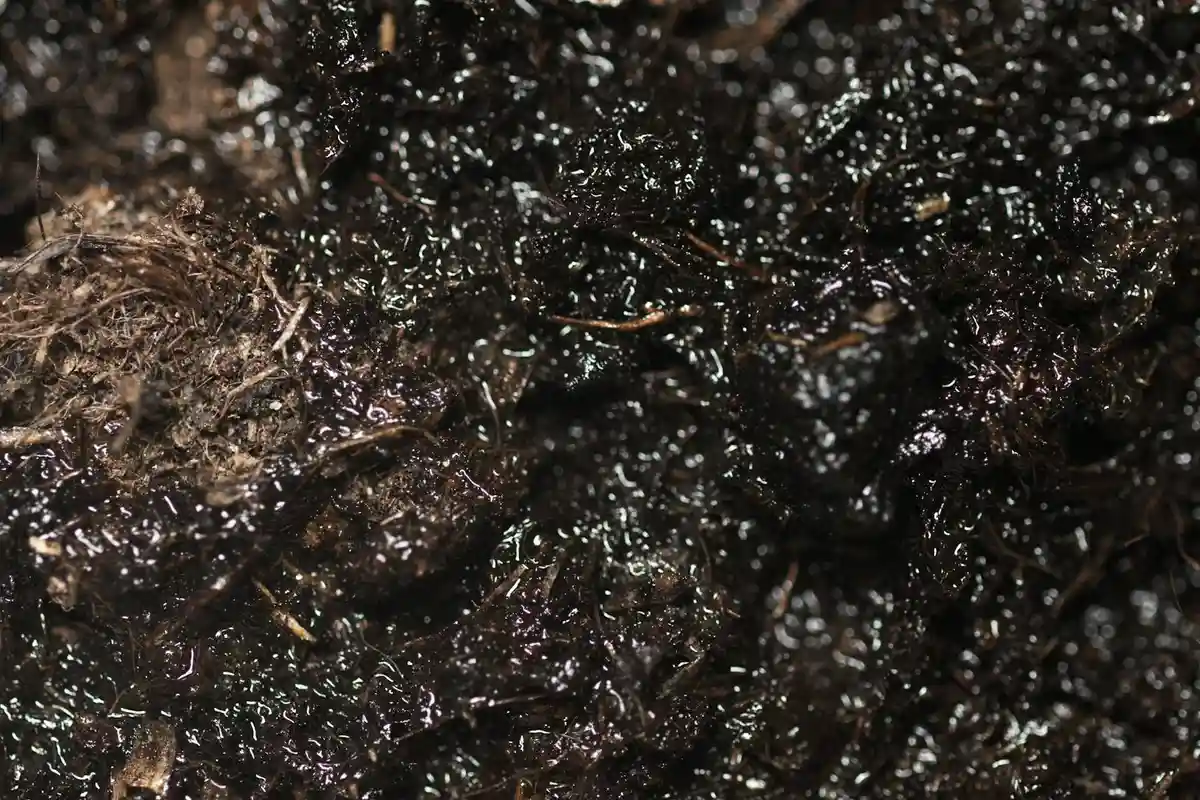
Keeping your substrate in top condition is key to preventing mold, bacteria, and stress for your crabs. I’ve developed a routine based on observing Athena’s calm behavior, which helps me maintain her habitat without causing disruption. Here’s how I manage it to ensure long-term wellness, including regular substrate maintenance.
- Cleaning and replacement schedule: I perform a partial substrate change every 2-3 months for Athena’s enclosure, replacing about one-third of the mix to avoid stressing her. For more active crabs like Zeus, I might do this more often if I notice waste buildup. A full clean happens every 6-12 months, depending on tank size and crab activity.
- Monitoring moisture and temperature: I use digital hygrometers and thermometers placed away from hiding spots to check levels daily without disturbing the crabs. For Poseidon, who enjoys moist sand, I lightly mist the substrate when it feels dry to the touch, aiming for a consistency that holds shape but isn’t soggy.
- Enrichment through mix refreshes: To keep things interesting, I occasionally add small amounts of crushed coral or dried leaf litter to the substrate. This provides extra calcium for shell health and encourages natural foraging, which my crabs like Zeus and Apollo really enjoy.
Regular checks help me spot issues early, like mold or foul odors. By tailoring maintenance to your crabs’ habits, you can create a thriving environment that supports their well-being for years.
FAQs
Can I use only one type of substrate, like just sand or just coconut fiber?
Using a single substrate type is not recommended, as it often fails to provide the right balance of moisture retention and stability for burrowing. A mix, such as sand and coconut fiber, ensures your hermit crabs can dig safely and maintain proper humidity levels. It’s crucial to monitor their moisture requirements for their overall health.
How do I safely introduce a new substrate mix to my hermit crabs without causing stress?
Gradually add the new substrate to the tank over a few days, mixing it with the old to allow your crabs to acclimate. This slow transition helps reduce stress and encourages natural exploration without disrupting their routine.
What are the signs that my substrate needs to be changed immediately rather than on a schedule?
Look for persistent foul odors, visible mold growth, or if your hermit crabs avoid burrowing altogether, as these indicate potential health hazards. Immediate replacement is crucial to prevent issues like respiratory problems or molting complications. Mastering the right substrate care helps prevent these.
Your Perfect Substrate Awaits
Creating the ideal substrate is one of the most impactful things you can do for your hermit crab’s health and happiness. By mixing play sand and coconut fiber in a 5:1 ratio, you provide a foundation that holds its shape for safe molting and mimics their natural beach habitat. Remember to aim for a moist, sandcastle-like consistency and a depth at least three times the height of your largest crab. A proper substrate mix isn’t just dirt in a tank; it’s the very ground your crab’s life depends on. Learn more about selecting and preparing the best substrate for your crustacean friends.
Further Reading & Sources
- Crabitat: Substrate – Products, Mixing, Maintaining & Problems – HCA: Hermit Crab Association
- r/hermitcrabs on Reddit: What substrate should I use for my hermit crabs
- Hermit Crab Substrate 4QT | Galápagos Reptile Gear
The Crab Central is your ultimate resource for hermit crab enthusiasts, providing expert advice and practical tips to ensure the health and happiness of your shelled companions. With years of experience in crustacean care, we are dedicated to offering accurate, up-to-date information to support your hermit crab journey. Our mission is to foster a community of responsible hermit crab owners who are passionate about the well-being of these fascinating creatures.
Substrate Types