
Why Is Humidity So Critical for Your Hermit Crab’s Health?
Published on: December 31, 2025 | Last Updated: December 31, 2025
Written By: The Crab Guru
If you’ve ever wondered why your hermit crab’s skin looks dry or a molt seems to have gone wrong, the answer almost always comes down to one thing: humidity.
After years of caring for my five crabs, from the fast-moving Hermes to the calm Athena, I’ve learned that getting the humidity right is the single most important factor for a successful, healthy molt.
My first piece of advice is to invest in a reliable digital hygrometer; the analog stick-on kinds are often inaccurate and can lead to serious health issues.
We will cover exactly how humidity supports the molting process, the ideal levels for different species, how to correctly set up your tank, and the most common-and dangerous-mistakes to avoid.
Why Hermit Crabs Depend on Proper Humidity Levels
- Humidity is essential for respiration because hermit crabs breathe through modified gills that need moist air to function. Dry conditions can cause gill tissue to dry out, making it hard for them to absorb oxygen. Without enough moisture in the air, they risk suffocation or severe dehydration.
- From my own crabitat, I’ve watched how humidity changes affect behavior. When levels drop, my Caribbean crab Hermes slows down and digs more, while Apollo, an Ecuadorian, avoids his favorite basking spots. Poseidon, who loves damp sand, will spend extra time in the water dish if the air feels too dry.
- Key health functions rely on consistent moisture levels. This includes keeping gills functional for breathing, maintaining a flexible exoskeleton to prevent cracking, and supporting overall hydration so they can store water for molting.
The Science Behind Humidity and Crab Physiology
- Coenobita species absorb ambient moisture through their gills and specialized abdominal tissue. Think of it like a sponge soaking up water from the air-their bodies pull in humidity to stay hydrated internally. This process helps them regulate fluids and avoid desiccation.
- An easy analogy is comparing their moisture needs to how our skin feels in dry weather. Just like our skin can get itchy and cracked without lotion, a crab’s exoskeleton becomes brittle and prone to damage if humidity is too low. Their gills act like delicate filters that must stay damp to work properly.
Behavioral Clues Your Crab Needs More Humidity
Watch for these signs that your crab’s environment is too dry. I’ve noticed these in my own pets, like when Athena, normally calm, starts hiding non-stop.
- Excessive burrowing or digging deeper than usual
- Lethargy and reduced movement around the tank
- Frequent soaking in water dishes or pools
- Loss of appetite or ignoring food
- Audible clicking or straining sounds from gills
Finding the Ideal Humidity Range for Your Hermit Crab Species
- Most pet hermit crabs thrive between 70% and 80% relative humidity, but species vary. Caribbean types like Hermes and Zeus do well at 70-80%, while my Strawberry crab Athena prefers it closer to 80% for her sensitive exoskeleton.
- Based on my experience, Ecuadorian crabs like Apollo are adaptable but still need steady moisture. They handle slight fluctuations better than Strawberries, but consistency prevents stress. Always tailor levels to your crab’s natural habitat.
- I rely on digital hygrometers for accurate readings. These tools give real-time data so you can adjust misting or ventilation quickly. Avoid guesswork-your crabs’ health depends on precise measurements.
Tailoring Humidity to Coenobita Varieties
| Species | Ideal Humidity Range | Notes from My Crabitat |
|---|---|---|
| Caribbean Hermit Crab | 70% – 80% | Hermes and Zeus are active in this range; lower levels make them burrow more. |
| Ecuadorian Hermit Crab | 70% – 80% | Apollo basks happily here, but I add extra moss to maintain moisture. |
| Strawberry Hermit Crab | 75% – 85% | Athena molts smoothly in higher humidity; I use a humidifier for consistency. |
Tank size and ventilation directly impact humidity stability. Smaller tanks lose moisture faster, so I use covered lids with adjustable vents. For larger enclosures, I add damp substrate and live plants to help retain air moisture without making it stagnant.
Tools for Monitoring Air and Substrate Moisture
- Place a digital hygrometer at crab level in the tank, away from direct water sources.
- Check readings daily at the same time to spot trends.
- Calibrate hygrometers occasionally by comparing with a salt test for accuracy.
I’ve tested DIY methods like the sponge trick for quick humidity boosts. Soak a clean sponge in dechlorinated water and place it in a corner-it releases moisture slowly. Another option is misting with a spray bottle twice a day, but avoid soaking the substrate to prevent mold.
How Humidity Directly Shapes the Molting Process
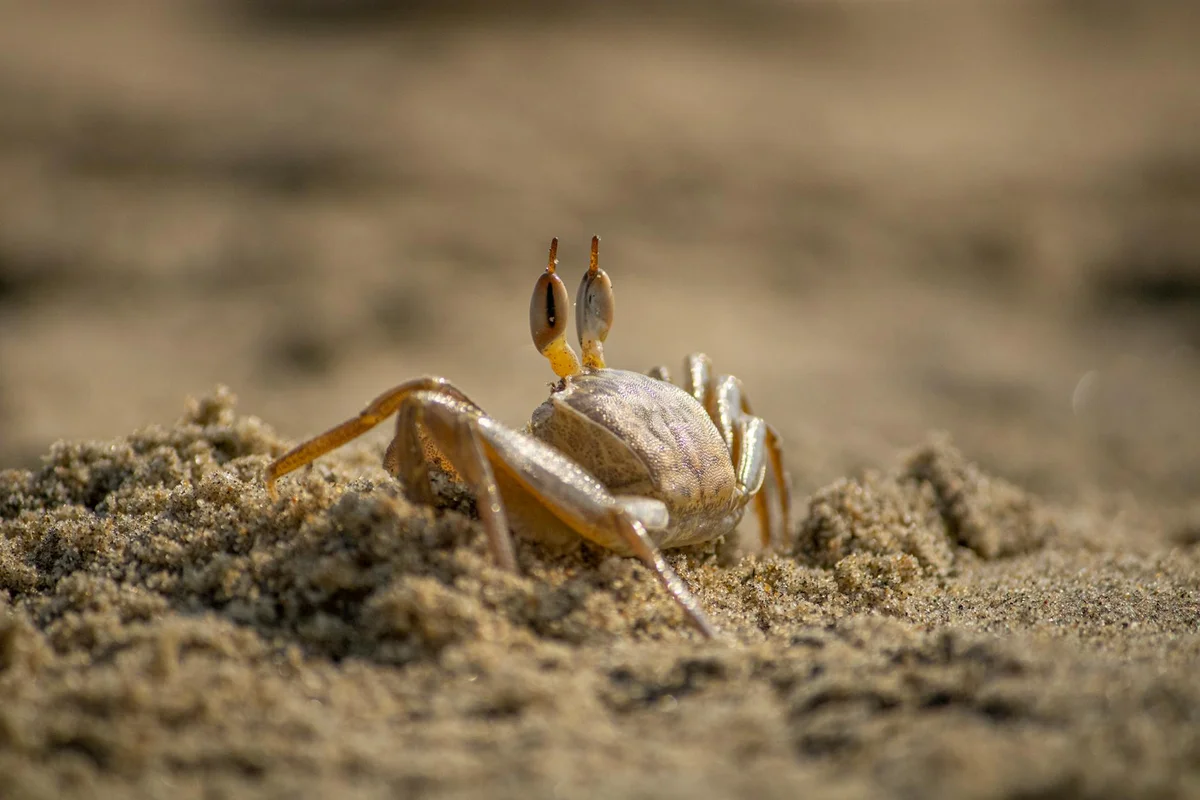
Think of humidity as the invisible, supportive cocoon that surrounds your crab during its most vulnerable transformation. Proper humidity is the single most critical factor for a successful molt, directly influencing how easily the old exoskeleton splits and how quickly the new, soft one hardens. Without enough moisture in the air, the shedding process becomes a physical struggle, and the new shell can harden improperly, leading to deformities or worse.
Pre-Molt Preparation and Humidity Needs
Your crab will tell you a molt is coming long before it digs down. Watch for these behavioral changes: increased hiding, dramatic digging, cloudy eyes, and a significant drop in activity. My crab Apollo, for instance, will spend days meticulously arranging his moss pit before vanishing. As soon as you spot these pre-molt signs, it’s your signal to double down on humidity control.
Follow these steps to get the environment ready:
- Verify your hygrometer is accurate. I use a digital one for reliability.
- Increase misting frequency with dechlorinated water, focusing on moss pits and substrate.
- Add a second, larger water pool or partially bury a dish to create a “sauna” area.
- Ensure the substrate is deep enough (at least 6 inches) and damp enough to hold a tunnel shape.
Supporting Your Crab During Shedding
Once your crab is underground, your job is to be a silent guardian. The absolute best thing you can do for a molting crab is to provide stable, high humidity and then leave it completely undisturbed. Do not dig for it. Do not try to offer food. Any stress can be fatal. To do this well, you must create a perfect habitat for molting hermit crabs. Focus on stability and humidity, and avoid disturbance during the molt.
- Mist the tank walls and decor away from the crab’s molting spot to avoid flooding its cave.
- Keep both freshwater and saltwater pools full and clean to maintain ambient moisture.
- Resist the urge to handle other crabs in the tank frequently, as this can cause vibrations.
I learned this the hard way with Athena. A well-meaning but noisy tank cleaning coincided with her molt, and she emerged too early, leading to a difficult recovery. Patience and a hands-off approach are everything.
Recognizing and Fixing Humidity-Related Stress
Crabs can’t tell us they’re thirsty, but their bodies send clear signals. Look for a crab that is often out of its shell, has a shriveled-looking abdomen, or has a general lack of energy. Dehydrated crabs may also spend excessive time soaking in water dishes, trying to reabsorb moisture directly through their bodies.
I do a quick daily habitat check using this simple checklist:
- Hygrometer reading between 75% and 85%.
- Condensation on the lower half of the glass.
- Substrate is damp to the touch but not sopping wet.
- Water pools are clean, full, and easily accessible.
If you spot a crab in distress, quick intervention is key. I once found Hermes looking lethargic and slightly out of his shell. My immediate action was to give him a warm, shallow bath of dechlorinated water and isolate him in a small, high-humidity container with a moss hide. Within hours, he was more active and retracted fully back into his shell. Knowing the signs of stress in hermit crabs can really help you act promptly in situations like these.
Signs of Failed Molts Due to Low Humidity
A failed molt is a heartbreaking sight for any hermit crab owner. It is almost always linked to incorrect humidity levels. Watch for these physical indicators of a molt gone wrong:
- Pieces of the old exoskeleton still stuck to limbs or body.
- A new exoskeleton that looks soft, wrinkled, or misshapen.
- Lost limbs (autotomy) that were not regenerated properly.
- The crab appears weak, disoriented, and unable to move correctly.
- A foul odor emanating from the crab or the molting area.
Balancing Air Circulation and Moisture
Keeping humidity high doesn’t mean creating a stagnant, moldy swamp. The goal is a tropical, breezy environment, not a sealed, rotting one. Good air exchange prevents respiratory issues and mold growth without sacrificing the moisture your crabs need.
- If you have a solid aquarium lid, cracking it open by half an inch on one side can be enough for fresh air.
- For screen tops, cover 80-90% of the surface with plastic wrap or a custom-cut plexiglass sheet.
- A small, low-speed computer fan mounted outside the tank near the top can gently circulate air without drying everything out.
- Spot-clean leftover food daily and do full substrate changes as needed to prevent mold at the source.
Practical Methods to Manage Terrarium Humidity
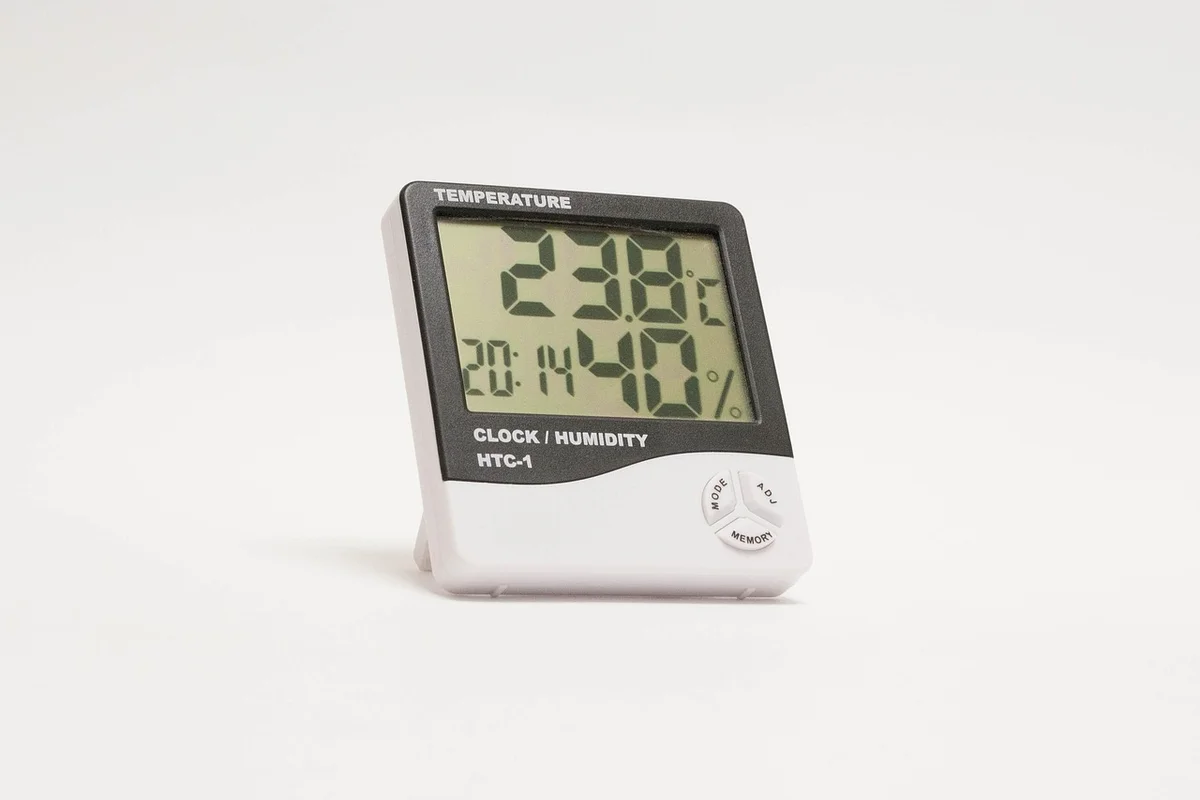
Keeping the moisture level just right in your hermit crab home can feel like a delicate dance. I rely on a mix of simple tools and daily checks to prevent the air from getting too dry or swampy. My crab Poseidon, who adores digging in damp sand, taught me how vital steady humidity is for their comfort and health.
Start by raising humidity with these easy steps:
- Place a large, shallow water dish near the heat source to boost evaporation.
- Mix damp sphagnum moss into substrate corners for a slow-release moisture effect.
- Mist the tank walls lightly each morning using a spray bottle with dechlorinated water.
To lower humidity if things get too muggy:
- Crack open the tank lid slightly to allow excess steam to escape.
- Swap out some wet substrate with dry, sterile sand or coconut fiber.
- Reduce misting frequency and move water dishes away from heat.
Budget-friendly DIY solutions save money and work wonders. Creating a moss pit with a plastic container filled with soaked sphagnum moss gives crabs a humid hideaway they can access anytime. When choosing moss for a hermit crab enclosure, pick non-toxic pesticide-free moss. Keep the layer shallow and well-drained to prevent mold. My crab Apollo often lounges in his moss pit after basking—it helps him retain moisture without making the whole tank wet.
My personal favorite for consistency is using an automatic mister set to brief, frequent bursts. This hands-off approach keeps levels stable so I can focus on enjoying my crabs’ antics instead of constant adjustments.
Increasing Humidity Without Over-Saturating
Gentle methods prevent flooding and mold growth. Stick to a misting schedule of once or twice daily, targeting foliage and tank corners rather than the substrate directly. I learned this the hard way when overzealous spraying left Hermes scrambling from puddles.
- Use deep, wide water dishes that crabs can climb into but not tip over.
- Add live plants like pothos to naturally release moisture through transpiration.
- Cover part of the screen lid with plastic wrap to trap humidity without sealing it completely.
Avoid common mistakes like drenching substrate or using tap water with chlorine. Too much water leads to bacterial blooms that can harm your crabs’ delicate gills. Consult a reliable hydration and water conditioning guide to select the appropriate water type. Using dechlorinated or conditioned water helps maintain safe humidity and protect gill health.
When and How to Reduce Excess Moisture
If condensation drips down the glass or a musty smell arises, act quickly. Follow these straightforward steps to restore balance and keep your crabs safe.
- Check your hygrometer-if humidity exceeds 85%, begin ventilation.
- Replace soggy substrate layers with dry, pre-heated sand to absorb moisture.
- Shift the heat lamp to a drier area of the tank to encourage evaporation.
- Monitor for improved readings over the next few hours before making more changes.
Emergency Care for Dehydration and Molting Crises
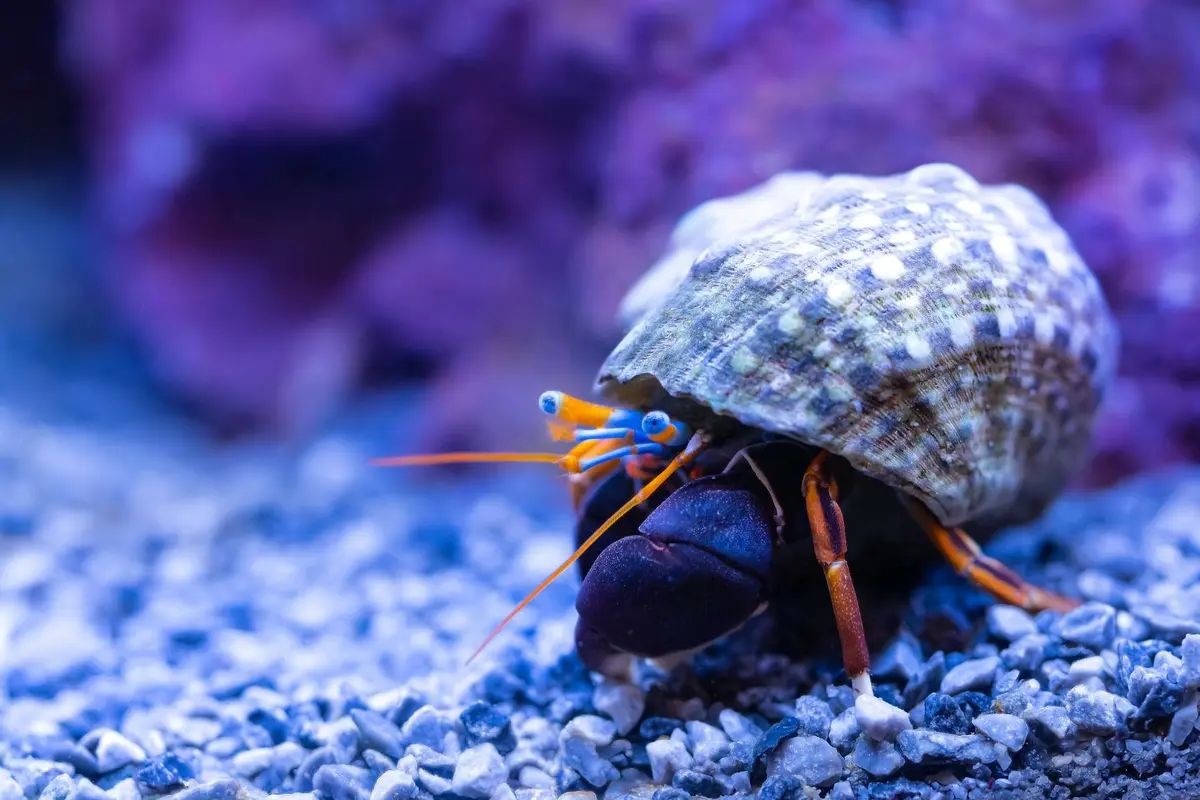
Spotting trouble early can save a crab’s life. I always keep a emergency kit ready after Zeus once showed severe dehydration signs by lying limp outside his shell. Here are the first-aid steps I used to nurse him back:
- Gently place the crab in a small container with damp paper towels.
- Offer a shallow dish of dechlorinated water and honey mixture for energy.
- Maintain warm, humid air around them without direct heat.
Supplies to have on hand include extra shells, isolation containers, and electrolyte solutions. Quick action with these items can mean the difference between recovery and loss.
Rehydrating a Severely Dehydrated Hermit Crab
Handle with extreme care to avoid stress. Isolate the crab in a quiet, dimly lit container lined with moist sphagnum moss. My crab Athena recovered beautifully using this step-by-step process. For beginners, remember the essential hermit crab handling dos and don’ts. Do handle gently, support the body, and never grab the claws.
- Prepare a small bath with lukewarm, dechlorinated water mixed with a pinch of sea salt.
- Support the crab’s body and let its legs touch the water-never submerge the shell.
- Allow it to drink for 5-10 minutes, then return to the moss-lined isolation tank.
- Repeat every 12 hours until activity resumes and the crab seems stronger.
When to Isolate a Crab with Molting Issues
Separation protects vulnerable crabs from tank mates. Watch for lethargy, loss of appetite, or a whitish film on the exoskeleton-these signal molting distress. I isolated Poseidon when he stopped eating and hid constantly; he molted safely alone.
- Set up a temporary habitat with deep, moist substrate for burrowing.
- Include a small water dish and hiding spots to reduce stress.
- Return the crab to the main tank only after it has hardened post-molt and is active again.
FAQs
How can I prevent mold growth in high-humidity environments?
Ensure good air circulation by partially covering screen lids and spot-cleaning food daily to remove moisture sources. Using sterile substrate and avoiding over-saturation during misting can significantly reduce mold risks.
What is the role of saltwater in maintaining humidity?
Saltwater pools contribute to ambient moisture through evaporation, helping to sustain humidity levels in the tank. They also provide essential minerals for hermit crabs’ health and osmoregulation.
How do I acclimate a new hermit crab to my tank’s humidity levels?
Gradually introduce the crab by placing it in a temporary container with damp paper towels before moving it to the main tank. Monitor its behavior closely for signs of stress and adjust humidity slowly if needed. Handle your hermit crab properly to ensure its well-being.
The Final Word on Humidity
Getting the humidity right in your crabitat is one of the most impactful things you can do for your pets’ well-being. I’ve seen firsthand with Hermes and Apollo how proper moisture levels prevent respiratory distress and create the safe, humid pocket they need for a successful molt. Equally important is keeping the temperature in the ideal range for a hermit crab habitat. The ideal temperature-humidity combo is about 75-85°F (24-29°C) with 70-80% humidity. Aim for that 70-80% range, monitor it daily with a reliable hygrometer, and you’ll be providing the tropical foundation they absolutely require to thrive.
Further Reading & Sources
- Crabitat: Humidity – Importance, Creating and Maintaining – HCA: Hermit Crab Association
- 4 Ways to Maintain Humidity in a Pet Hermit Crab Habitat – wikiHow
- r/hermitcrabs on Reddit: Urgent question for humidity in hermit crab tanks.
The Crab Central is your ultimate resource for hermit crab enthusiasts, providing expert advice and practical tips to ensure the health and happiness of your shelled companions. With years of experience in crustacean care, we are dedicated to offering accurate, up-to-date information to support your hermit crab journey. Our mission is to foster a community of responsible hermit crab owners who are passionate about the well-being of these fascinating creatures.
Temperature and Humidity