Hermit Crab Behavior Decoded: What Your Pet Is Trying to Tell You
Published on: December 9, 2025 | Last Updated: December 9, 2025
Written By: The Crab Guru
Have you ever watched your hermit crab and wondered what its strange shell-tapping or hanging-out-of-shell antics actually mean?
After years of caring for my own colony of crabs, I’ve learned to interpret their subtle language, and I’m here to help you understand your pet’s unique behaviors.
The key is to watch for patterns, not just single actions.
We’ll explore shell selection signals, decoding their social interactions, understanding common stress behaviors, and what their daily habits reveal about their health and happiness.
Understanding Basic Hermit Crab Communication Cues
Key Body Language Signals
Antennae and Eye Stalk Movements
Your hermit crab’s antennae are its primary tools for interacting with the world. I’ve spent countless evenings just watching mine explore. The long, thin antennae constantly sweep and tap surfaces, tasting the air and ground for chemical signals. When both antennae are held forward and moving slowly, your crab is calmly investigating its surroundings. This is a sign of a content and curious pet.
Watch for rapid, jerky flicks of the smaller antennules. This often signals alarm or agitation. If another crab gets too close, you’ll see this quick motion. Their eye stalks are equally expressive. Perked straight up indicates high alertness. If the stalks are drooped or appear to be looking in different directions, your crab is likely relaxed and not perceiving any immediate threats. I notice this most often right after I’ve refreshed their food and the environment feels safe.
Interpreting Common Hermit Crab Behaviors
Shell Selection and Swapping Rituals
Shell swapping is a deeply ingrained ritual, not a casual decision. Your crab will spend hours, sometimes days, meticulously inspecting a potential new home. It uses its smaller claws to feel the interior texture and size. A crab tapping and turning a shell over and over is conducting a serious home inspection, and it’s a fantastic sign of natural behavior.
I always keep a variety of clean, natural-shell options available. When you see a crab emerge partially from its shell and begin the delicate process of transferring its soft abdomen, remain perfectly still. This is a vulnerable moment. Providing a proper selection of shells is one of the most critical aspects of hermit crab welfare, preventing deadly shell fights and ensuring healthy growth.
Nocturnal Activity Patterns
Hermit crabs are naturally most active after dark. Waking up to a rearranged tank is completely normal. They spend their nights foraging, climbing, and socializing. A busy, active tank at night is the hallmark of a healthy, well-adjusted colony. If your crabs are highly active during the day, it can sometimes indicate stress, hunger, or an environmental issue that needs checking.
Feeding and Foraging Actions
Their nocturnal feeding habits are a spectacle of natural instinct. You’ll see them use their smaller pincer to pick up and pass food to their mouthparts. They are opportunistic scavengers. Watching a crab quickly drag a favorite food item away from the dish is a clear display of their natural hoarding instinct. I often find little caches of food hidden under decorations in the morning.
They also use water in fascinating ways. A crab will dip its claws into the freshwater and saltwater pools, then bring them to its mouthparts. This is how they drink and regulate their shell water, which is vital for keeping their gills moist and breathing properly. Always ensure their water dishes are deep enough for them to submerge their shell.
Social Behavior and Group Dynamics
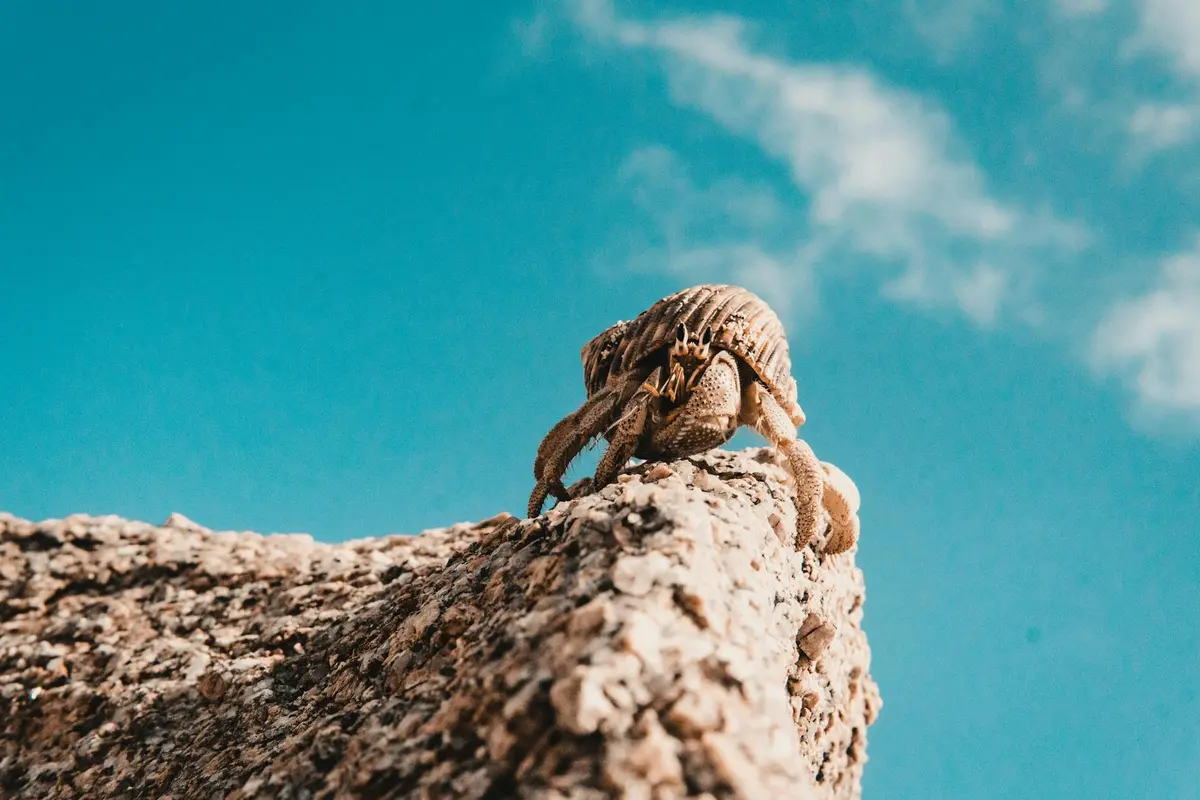
Living in a colony is natural for hermit crabs, but it doesn’t mean they’re always best buddies. I’ve observed my own crab crew for years, and their social interactions are a complex mix of community and competition. Providing the right environment helps them live together more peacefully.
Aggression and Territorial Displays
Crabs don’t have fists to throw, but they have other ways to show displeasure. Recognizing these signs helps you prevent real harm.
- Shell Fighting: This is the most common aggressive behavior. One crab will relentlessly tap, pull, or even drag another crab in an attempt to evict it from its shell.
- Rapid Chirping or Clicking: While sometimes a general communication, a fast, sharp chirp during an encounter is a clear “back off” signal.
- Antennae Flicking: Watch their antennae. Slow, sweeping movements are calm. Fast, jerky flicks toward another crab indicate irritation.
- Pinning Another Crab: A dominant crab may use its legs to physically hold a smaller crab down, preventing it from moving.
The single best way to reduce shell-related aggression is to offer a massive surplus of empty shells. I keep a “shell shop” in my tank with at least 3-5 extra, desirable shells per crab, and it has dramatically cut down on fights.
Molting Signals and Isolation
Molting is the most vulnerable time in a crab’s life. Their behavior changes drastically beforehand.
- Digging Constantly: They aren’t just redecorating. A crab preparing to molt will dig extensive tunnels to create a safe, hidden chamber underground.
- Hiding and Lethargy: You’ll see them less. They become very inactive as their body focuses energy on the impending shed.
- Cloudy Eyes: Their eyes may take on a milky, opaque appearance.
- Ashy Skin and Overeating/Drinking: Their exoskeleton looks dull, and they will gorge on food and water to store nutrients.
When you see these signs, do not disturb the crab. They isolate themselves for safety. Disturbing a molting crab can lead to severe injury or death from the stress.
Recognizing Stress and Health Red Flags
Crabs are masters at hiding illness, a survival instinct in the wild. By the time a health problem is obvious, it’s often very advanced. You must become a detective, noticing the small, subtle changes in their daily habits. To stay prepared, create a hermit crab emergency care kit you can reach quickly. A simple kit with essential supplies helps you act fast while you seek expert guidance.
Environmental Stress Triggers
Most crab stress comes from an imperfect habitat. I learned this the hard way early on. Here are the biggest culprits:
- Incorrect Humidity: This is a huge one. Low humidity suffocates their modified gills. You’ll see them spending all their time in the water pools or burying themselves in damp substrate to breathe.
- Loud Noises and Vibrations: They feel vibrations intensely. Placing their tank near a TV, speaker, or busy hallway is incredibly stressful.
- Chemical Exposure: Air fresheners, cleaning sprays, and scented candles near the tank can poison them. Their respiratory systems are extremely sensitive.
- Inadequate Shells: A crab stuck in a poor-fitting or undesirable shell is in a constant state of stress and vulnerability.
- Bright, Direct Light: They are largely nocturnal. Constant bright light without dark hiding places is a major stressor.
Fixing the environment is always the first and most critical step when you notice signs of stress. It solves about 90% of the problems I’ve encountered.
Molting Complications and Recovery
Even with perfect prep, molting can go wrong. Knowing the signs of a troubled molt can save a crab’s life.
- Surface Molting: A crab that molts on the surface, instead of buried, is in extreme danger. This often happens due to improper substrate depth or consistency.
- Prolonged Nakedness: A crab staying out of a shell for more than a few minutes after a molt is a major emergency. Its new body is soft and defenseless.
- Loss of Limbs: A lost limb or two during a bad molt can happen. The crab can regenerate them over future molts, but it’s a sign of significant stress or nutritional deficiency.
- Smell: A healthy molting crab does not smell. A foul, rotten fish odor coming from where a crab is buried almost always means it has died.
If you suspect a complication, the best action is usually to gently isolate the crab in a small, dark container with its old shell, some water, and food. Avoid handling its new, soft body. Give it quiet and privacy to finish hardening.
Promoting Positive Behavior Through Proper Care
You can directly influence your hermit crab’s mood and actions by creating a habitat that meets their complex needs. I’ve found that a crab acting out is almost always a crab trying to communicate a problem with its environment. Getting the basics right is the single most effective way to encourage the curious, active behaviors we love to see.
Enrichment Ideas for Mental Stimulation
A bored hermit crab is often a stressed hermit crab. In the wild, they spend hours foraging and exploring; we must replicate that mental workout in their tank. Burying and hiding are natural burrowing behaviors that help regulate temperature, humidity, and stress. Understanding why they bury themselves sheds light on how to support their wellbeing.
- Climbing Structures: My crabs adore their cholla wood bridges and reptile hammocks. Providing vertical space satisfies their instinct to climb and gives them a new perspective on their home.
- Foraging Opportunities: Instead of placing food in a dish every time, hide small, safe treats like pieces of dried shrimp or coconut flakes around the tank. Watching them use their antennae to hunt for food is a clear sign of a engaged and happy crab.
- Safe Toys: Things like untreated sea sponges, half-buried terracotta pots, and even empty, sterilized snail shells provide novel textures and objects to investigate.
- Substrate Variety: Mixing a play sand and coconut fiber base with a small area of moist moss gives them different textures to dig and burrow in, which is a natural and comforting behavior.
Monitoring and Adjusting Tank Conditions
Your crab’s behavior is the most accurate gauge of your tank’s health. I check my habitat daily, using my pets as living, breathing sensors.
- Humidity is Non-Negotiable: If you see your crabs spending all their time in the water dish or buried deep in the substrate, your humidity is likely too low. I aim for a consistent 80% humidity, which I maintain with a sealed tank lid, deep substrate, and regular misting with dechlorinated water.
- Temperature Troubles: Lethargy and all crabs hiding at once are classic signs of a tank that’s too cold. A consistent temperature between 75-85°F is crucial for their metabolism and activity levels.
- Water Quality: Always provide both fresh and saltwater pools deep enough for your largest crab to fully submerge. I change this water daily to prevent bacterial growth, as dirty water can lead to shell abandonment and illness.
- Substrate Checks: Is your crab constantly trying to climb the glass? This can be a sign of boredom, but more often, it means the substrate is too shallow, too wet, or too dry for proper molting. The substrate should be sand-castle consistency and at least three times as deep as your largest crab.
FAQs
What should I feed my hermit crab for a balanced diet?
Offer a mix of fresh fruits, vegetables, and protein sources like dried shrimp or fish to mimic their natural scavenging diet. Avoid salty or processed foods, and always provide calcium-rich items like cuttlebone to support shell growth and overall health.
How can I safely handle my hermit crab without causing stress?
Limit handling to essential moments and allow the crab to walk onto your open hand voluntarily to reduce fear. Never force a crab out of its shell, and keep sessions brief to prevent overheating or stress-related behaviors.
What are the signs of a healthy versus unhealthy hermit crab?
A healthy crab is active at night, has clear eyes and intact limbs, and engages in natural behaviors like foraging and shell inspection. An unhealthy crab may show lethargy during peak hours, emit a foul odor, or remain outside its shell for extended periods, indicating possible illness or stress.
Putting It All Together
Learning to read your hermit crab’s unique language is one of the most rewarding parts of being an owner. I’ve found that seeing the world from their tiny perspective completely transforms your care routine. By paying close attention to their shell choices, activity levels, and interactions, you become a better guardian, ready to provide the comfort and safety they’re trying to tell you they need.
Further Reading & Sources
- Hermit crab – Seattle Aquarium
- HERMIT-CRABS.COM. Your hermit crab care headquarters!
- Hermit Crab Behaviour
The Crab Central is your ultimate resource for hermit crab enthusiasts, providing expert advice and practical tips to ensure the health and happiness of your shelled companions. With years of experience in crustacean care, we are dedicated to offering accurate, up-to-date information to support your hermit crab journey. Our mission is to foster a community of responsible hermit crab owners who are passionate about the well-being of these fascinating creatures.
Understanding Hermit Crab Behavior