
The Safest Way to Transport Your Hermit Crab
Published on: February 25, 2026 | Last Updated: February 25, 2026
Written By: The Crab Guru
Moving your hermit crab, whether it’s across town or just to a new tank, can feel like a nerve-wracking experience for any owner.
As a long-time keeper of five crabs myself, I’ve learned through trial and error how to make these journeys as smooth and stress-free as possible for our fragile shelled friends.
Your primary goal is to create a temporary, secure micro-habitat that mimics their home.
We’ll cover choosing the right travel container, preparing it for the journey, handling your crab with care, and managing temperature and humidity to ensure a safe arrival.
Pre-Travel Preparation and Planning
Before any trip, I always start with a simple travel checklist to keep my crabs safe and reduce their stress. This habit has saved me from last-minute panics, especially with curious climbers like Hermes or assertive ones like Zeus who might act out if unsettled. My checklist focuses on health checks and route planning to cut down transit time, because every minute outside their home tank matters.
- Inspect each crab for molting signs like dull coloring or buried behavior-Apollo once started hiding days before a molt, which taught me to reschedule trips.
- Observe recent activity; Zeus guards food more aggressively when stressed, so I note any unusual actions.
- Plan the journey to avoid long stops, aiming for direct routes to minimize exposure.
Assessing Your Hermit Crab’s Readiness for Travel
Checking if your crab is travel-ready is a quick but vital step. I gently examine each one for soft exoskeletons or lethargy, which signal molting or illness. For instance, Athena becomes unusually still in noisy settings, so I delay trips if she seems off. Recognizing the key signs of healthy vs sick hermit crabs helps me decide whether she’s travel-ready. If you notice persistent inactivity, reduced appetite, or abnormal shell softness, those are signals to pause transport. Here’s my routine:
- Look for moist, bright eyes and active limbs-dryness can mean dehydration.
- Check for recent digging or hiding, as Poseidon’s love for moist sand often means he’s pre-molt.
- Monitor behavior over 24 hours; a crab that’s eating and exploring is likely ready.
Essential Supplies to Gather Before You Go
Packing the right gear makes all the difference for a smooth move. I always keep a dedicated travel kit with items that mimic their home humidity and security. From moving Apollo and his shell collection, I’ve learned damp paper towels are a lifesaver. Your kit should include:
- A small, ventilated plastic container with a secure lid to prevent escapes.
- Damp (not wet) paper towels or sphagnum moss for maintaining humidity.
- Soft padding like shredded coconut fiber to cushion bumps and reduce stress.
- Extra shells and a spray bottle with dechlorinated water for quick refreshes.
Choosing and Setting Up the Transport Container
Picking the right container is key to a safe journey. I opt for escape-proof designs with ventilation and a textured base to stop slips, which worked wonders for Hermes’ climbing antics and Poseidon’s digging habits. A well-set container keeps crabs calm and contained, even on bumpy rides.
Selecting a Ventilated and Secure Container
Not all containers are crab-proof, so choose wisely. I use lidded plastic bins with small air holes or breathable mesh tops, avoiding flimsy lids that Hermes once nudged open. Durability matters-I’ve had best results with opaque sides to reduce visual stress. Steer clear of:
- Glass or hard plastic without ventilation, which traps heat and humidity.
- Loose-fitting covers that curious crabs can pry open.
- Containers with sharp edges that could injure delicate legs.
Preparing the Interior for Humidity and Comfort
A cozy interior helps crabs feel secure during transit. I line the bottom with damp paper towels or eco-earth substrate to hold moisture, which Apollo adores for his basking-like comfort. Add soft bedding and avoid overcrowding-for my group, I use separate sections to prevent squabbles. Follow these steps:
- Layer damp paper towels on the base to maintain 70-80% humidity levels.
- Include a shallow hide or shell for retreats, mimicking quiet corners Athena prefers.
- Place padding around the sides to absorb shocks and reduce noise stress.
Step-by-Step Guide to Safe Transport
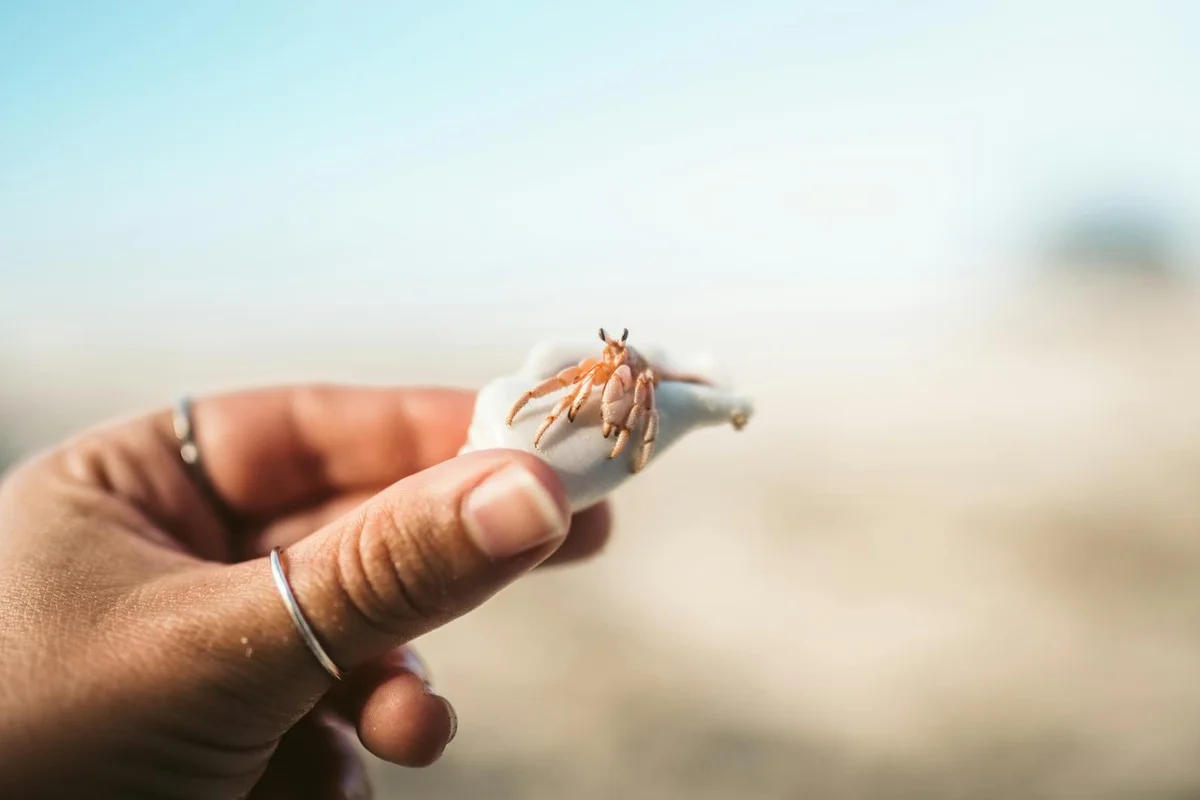
Moving your hermit crab requires a calm, methodical approach. Rushing this process is the single biggest cause of travel-related stress and escape attempts. For shell changes and safe handling, this guide offers clear, practical steps. Here is the exact sequence I follow every single time I need to move my crew.
- Prepare the Travel Container First: Before you even think about handling your crab, have the small, ventilated carrier ready with a damp paper towel or eco-earth substrate on the bottom. A folded paper towel provides excellent grip.
- Gently Encourage the Crab into the Container: I never pull a crab from its shell. Instead, I place the open travel container sideways in the main tank and gently coax the crab to walk into it. For my curious crab Hermes, a tiny bit of crushed walnut placed inside the container works wonders.
- Secure the Lid Immediately: The moment the crab is inside, I snap the lid on firmly. I learned this the hard way when Poseidon made a surprisingly fast break for it during a routine tank cleaning relocation.
- Place the Small Container inside a Larger, Stable Box: This secondary box acts as a dark, quiet buffer against the outside world. I cushion the travel container with crumpled paper or a small hand towel to prevent it from sliding.
- Keep the Entire Package Level: From the moment I pick up the box until I set it down at my destination, my goal is to keep it as flat and steady as possible. Tipping and jostling are major stress triggers.
Preparing the Crab and Container
The preparation phase is all about foresight. I always check for and seal any potential water leaks from their main tank items a day before travel. A soggy, leaking container during a car ride creates a dangerous and stressful environment. When it’s time to move the crab, patience is your best tool.
My crab Zeus can be assertive, especially when disturbed. For him, I use a small plastic spoon to gently nudge the back of his shell if he’s hesitant to move, avoiding my fingers near his claws entirely. The goal is to guide, not to force, and to keep your hands out of the line of fire from a startled crab. It’s essential to understand hermit crab aggression and territorial behavior.
Securing the Environment During Transit
Once you’re moving, your job shifts to maintaining a stable microclimate. I never place the carrier in a direct sunbeam in the car, even in winter. The glass of a car window acts like an oven, and temperatures can soar to lethal levels in minutes. The footwell of the passenger seat is often a more stable, shaded spot.
I also avoid playing loud music or taking sharp turns. I’ve noticed on longer trips that my typically calm crab Athena will retreat deep into her shell for the entire journey if the ride is too bumpy or noisy. A quiet, smooth drive is just as important as the container you use.
Handling and Minimizing Stress During Travel
Hermit crabs are not hands-on pets, especially during travel. The less you interact with them physically between Point A and Point B, the better. Your primary role during transit is that of a calm, steady guardian, not a handler. I observe my crabs’ behavior closely; if they are active and tapping on the walls, it often means they are unsettled, and I double-check that their container is dark and secure. It’s crucial to use appropriate hermit crab travel carriers that provide comfort and safety.
Proper Handling Techniques to Avoid Injury
There are times when you must handle your crab, such as moving them into their final enclosure. The key is to be confident and gentle. Always let the crab walk onto your flat, open palm rather than you grabbing it. I scoop my hand under my fast-moving crab Hermes, letting his legs make contact first. For beginners, there are simple dos and don’ts to keep hermit crabs safe during handling. Gentle, deliberate movements help reduce stress for both you and the crab.
- Never pick a crab up by its shell; this can cause it to fall out and get injured.
- Keep your movements slow and predictable. Jerky motions will startle them.
- Always handle them low over a soft surface, like a bed or a table, in case they do let go and fall.
Maintaining Optimal Conditions on the Go
Temperature and humidity are the two pillars of hermit crab health, and they don’t take a break for travel. The ideal temperature and humidity range for a hermit crab habitat is roughly 75–85°F with 70–80% humidity. For short trips under an hour, the prepared container usually holds enough humidity. For any journey longer than that, I actively monitor the conditions. I keep a small digital thermometer/hygrometer in the larger box.
In colder weather, I’ve used hand warmers activated and wrapped in a thick towel, placed *outside* the travel container to provide ambient warmth without any risk of overheating or direct contact. The goal is a steady, lukewarm environment, not a hot one. I check on my crabs frequently, looking for signs of distress like excessive bubbling at the mouth, which means the environment is too dry or hot.
Specific Travel Scenarios and Durations
Not all journeys are created equal, and your preparation should match the trip’s length. I’ve moved houses twice with my entire crab crew, and I can tell you that a five-minute vet visit requires a completely different approach than a six-hour relocation. Let’s break it down by the clock and the map.
Short Trips by Car or Local Travel
For quick trips under an hour, like a visit to the vet or a short move, your goal is minimalism and speed. I keep a dedicated “go-bag” ready for these situations, which has saved me so much stress during last-minute appointments with Poseidon. He’s my digger, and getting him settled quickly is key to keeping him calm.
Here is my simple, tried-and-true process for a short car ride:
- Select a small, hard-sided plastic container with a secure lid. I use one just big enough for the crab to move around slightly.
- Poke several small air holes in the lid before you ever need the container.
- Add a moist paper towel or a small handful of damp Eco Earth to the bottom for humidity.
- Gently place your hermit crab inside and secure the lid.
- Place this container inside a small bag or another box to block out overwhelming sights and sounds.
- Keep the carrier with you in the main cabin of the car, never in a trunk. Temperature stability is your number one priority on these brief excursions.
Long-Distance Moves or Air Travel
Extended travel is a marathon, not a sprint, and demands meticulous planning. When I relocated across state lines with Hermes, Apollo, Athena, Zeus, and Poseidon, I learned that redundancy is your best friend. For any trip over a few hours, or especially for air travel, you need a more robust system.
My long-distance travel kit includes:
- A small, well-ventilated critter carrier for each crab or small groups.
- A small spray bottle of dechlorinated water to mist the carriers.
- Pre-moistened sphagnum moss in a baggie to maintain humidity.
- A few empty shells and a tiny container of their favorite food.
- All relevant documentation if you are crossing state lines or flying.
For air travel, you must contact the airline well in advance, as policies on invertebrates vary wildly and can change without notice. I once had a trip planned where the airline initially said yes, then reversed their decision two weeks out. Always have a backup plan. During the journey, keep the carriers in a temperature-stable environment and check on them discreetly when you can.
Post-Transport Care and Acclimation
The journey doesn’t end when you arrive at your destination. How you reintroduce your crab to its home is just as critical as the trip itself for preventing transport-related stress. I always give my crabs a quiet hour to just exist in their tank before I expect any normal behavior. If your hermit crab seems stressed—hiding, not eating, or moving slowly—note it and slow down the process. Keep conditions stable, provide extra quiet time, and offer a familiar shell to help it settle.
Rehoming Your Hermit Crab in Its Tank
A gentle reintroduction makes all the difference. I’ve found that Apollo, my shell collector, is always the first to reacclimate if I follow this specific routine. He needs his familiar rocks and a good snack to feel secure again.
Follow these steps for a smooth transition back to the tank:
- Ensure your main habitat is fully set up, heated, and humidified before you even take your crabs out of their travel carriers.
- Gently place each crab on the substrate near the food and water dishes. Avoid dropping them or placing them in a high-traffic area.
- Immediately offer a shallow dish of fresh water and a dish of their favorite, high-energy food. I use a bit of honey and crushed nuts.
- Dim the lights or keep the room light low for the first few hours to reduce sensory overload.
- Resist the urge to handle them or check on them constantly. Your patience here gives them the space they need to feel safe again.
Monitoring for Stress and Health Issues
Your watchful eye in the days following travel is your crab’s best health insurance. After our last big move, I noticed Zeus was more lethargic than usual for nearly a week, which was a clear sign he needed extra quiet time to recover.
Be on the lookout for these specific signs of travel stress:
- Prolonged lethargy or failure to leave the shell for more than a day.
- Refusal to eat or drink for 48 hours.
- An unpleasant odor, which can indicate a bacterial issue or worse.
- Shell issues, like refusing to switch into a properly sized shell.
- Unusual aggression or a crab that remains buried for an extended period.
If you observe any of these signs for more than two days, or if you smell a foul odor at any point, it’s time to consult a vet experienced with invertebrates. Most crabs bounce back quickly with a little TLC, but knowing when to seek help is a vital part of responsible crab ownership.
FAQs
What should I do if my hermit crab starts molting during transport?
Immediately stop any handling and place the crab in a dark, quiet container with damp substrate to minimize stress. Avoid disturbing it and prioritize getting to a stable environment as soon as possible to support the molting process. Make sure to create the perfect habitat for a molting hermit crab to ensure it has the best environment for recovery.
How can I safely transport multiple hermit crabs in one container?
Use a larger, well-ventilated container divided into sections with soft barriers to prevent territorial disputes. Ensure each section has its own damp padding and hide spots to reduce competition and stress during the journey.
Are there any specific items I should avoid packing in the travel container?
Steer clear of water bowls or loose objects that could spill or shift and injure your crab. Also, avoid food items that can rot quickly or attract pests, as they may compromise the clean, humid environment needed for safety. Humidity plays a crucial role in hermit crab health, especially during molting. Maintaining steady moisture helps ensure safe molts and reduces stress.
Safe Travels for Your Little Shell-Dweller
Moving your hermit crab safely boils down to a few key principles: maintain their warmth and humidity, keep their carrier secure and dark to minimize stress, and handle their travel home with the gentlest of care. Learn to read your crab’s behavior signals and stress signals to handle them properly. Recognizing these cues lets you adjust your approach to stay calm and gentle. With a prepared travel kit and a calm, steady approach, you can confidently ensure your crab arrives at its new destination safely and stress-free.
Further Reading & Sources
- How to transport crabs safely – HCA: Hermit Crab Association
- Hermit Crab Safe Handling
- Hermit Crab Care Sheet | PetMD
The Crab Central is your ultimate resource for hermit crab enthusiasts, providing expert advice and practical tips to ensure the health and happiness of your shelled companions. With years of experience in crustacean care, we are dedicated to offering accurate, up-to-date information to support your hermit crab journey. Our mission is to foster a community of responsible hermit crab owners who are passionate about the well-being of these fascinating creatures.
Care Requirements by Species