The Ethics of Hermit Crab Ownership: A Keeper’s Guide
Published on: November 20, 2025 | Last Updated: November 20, 2025
Written By: The Crab Guru
Is keeping a hermit crab as a pet an ethical choice, or are we causing more harm than we realize?
As someone who shares my home with five unique hermit crabs, I’ve navigated the complex balance between a fascinating hobby and responsible animal stewardship.
True ethical care begins with understanding that these are not disposable pets but complex, wild animals.
We will explore the critical welfare needs for a thriving captive habitat and then confront the significant conservation challenges surrounding the pet trade.
The Core Ethical Debate of Hermit Crab Captivity
Natural Behaviors in the Wild Versus a Tank Environment
In the wild, hermit crabs roam vast coastal areas, foraging for food, climbing trees, and socializing in large groups. Observing my own crabs, like Hermes who constantly explores, shows me how confinement in a small tank can limit these innate drives. I’ve seen Apollo bask for hours, a behavior that mirrors his need for proper heat gradients, which many setups lack.
Wild hermit crabs exhibit complex behaviors that are hard to replicate indoors. Key activities include:
- Extensive foraging over large territories
- Climbing on rocks and vegetation to avoid predators
- Social interactions during shell swaps and mating
- Digging deep burrows for molting, which can take weeks
In a tank, you must mimic these conditions to prevent stress. I use deep substrate for digging, like Poseidon enjoys, and multiple climbing structures to satisfy their curiosity. Without this, crabs may show signs of distress, such as excessive hiding or aggression.
Weighing Animal Welfare Against Human Desire for a Pet
Keeping hermit crabs raises tough questions about whether our enjoyment justifies their captivity. I believe ownership is ethical only if we prioritize their welfare over our desire for a low-maintenance pet. Many people buy them impulsively, not realizing they can live for decades and need specialized care. When you decide to bring one home, choose a reputable breeder or trusted pet store that prioritizes welfare. A responsible seller will provide honest care guidance to help your hermit crab thrive.
From my experience, the decision hinges on your commitment. Ask yourself:
- Can you provide a habitat that meets all their physical and psychological needs?
- Are you prepared for long-term care, including regular tank upgrades and vet visits?
- Will you source crabs ethically, avoiding wild-caught individuals when possible?
I’ve faced this dilemma myself with Zeus, who can be assertive. By focusing on his well-being-like ensuring he has enough space and resources-I feel I’m balancing my joy in keeping him with his right to a good life. If you cannot meet these standards, consider admiring them in the wild or supporting conservation instead.
Conservation Impact and The Hermit Crab Trade
How Wild Collection Affects Native Populations
Most pet hermit crabs are taken from the wild, leading to population declines in areas like the Caribbean. Wild collection often involves high mortality rates during capture and transport, which devastates local ecosystems. These crabs play vital roles, such as aerating soil and dispersing seeds, so their removal disrupts natural balances.
I’ve researched how this trade impacts species like the Caribbean hermit crab, which Hermes and Zeus belong to. Overharvesting can lead to genetic bottlenecks and reduce biodiversity in fragile coastal habitats. When you buy a wild-caught crab, you might unknowingly support practices that harm their survival.
To make a difference, I advocate for:
- Choosing captive-bred hermit crabs from reputable breeders
- Adopting from rescues or rehoming networks to give existing pets a second chance
- Educating others about the ecological consequences of wild collection
The Environmental Cost of the Decorative Shell Trade
The demand for decorative shells fuels an industry that strips beaches and oceans, harming marine life. Shell harvesting removes vital resources that wild hermit crabs rely on for growth and protection. I’ve seen how Apollo eagerly swaps shells, reminding me that in nature, shell scarcity can lead to deadly competition.
This trade not only depletes shells but also damages habitats like coral reefs and seagrass beds. By purchasing natural shells from unsustainable sources, we contribute to environmental degradation that affects entire ecosystems. Many collected shells are treated with chemicals, which can leach into tanks and harm your crabs.
Instead, I use ethically sourced options. Consider these alternatives:
- Buying from vendors who certify shells are collected without ecological harm
- Using artificial shells designed specifically for hermit crabs, which are safe and reusable
- Joining shell exchange programs where hobbyists share extras, reducing demand for new harvests
Foundations of Ethical Hermit Crab Care and Welfare
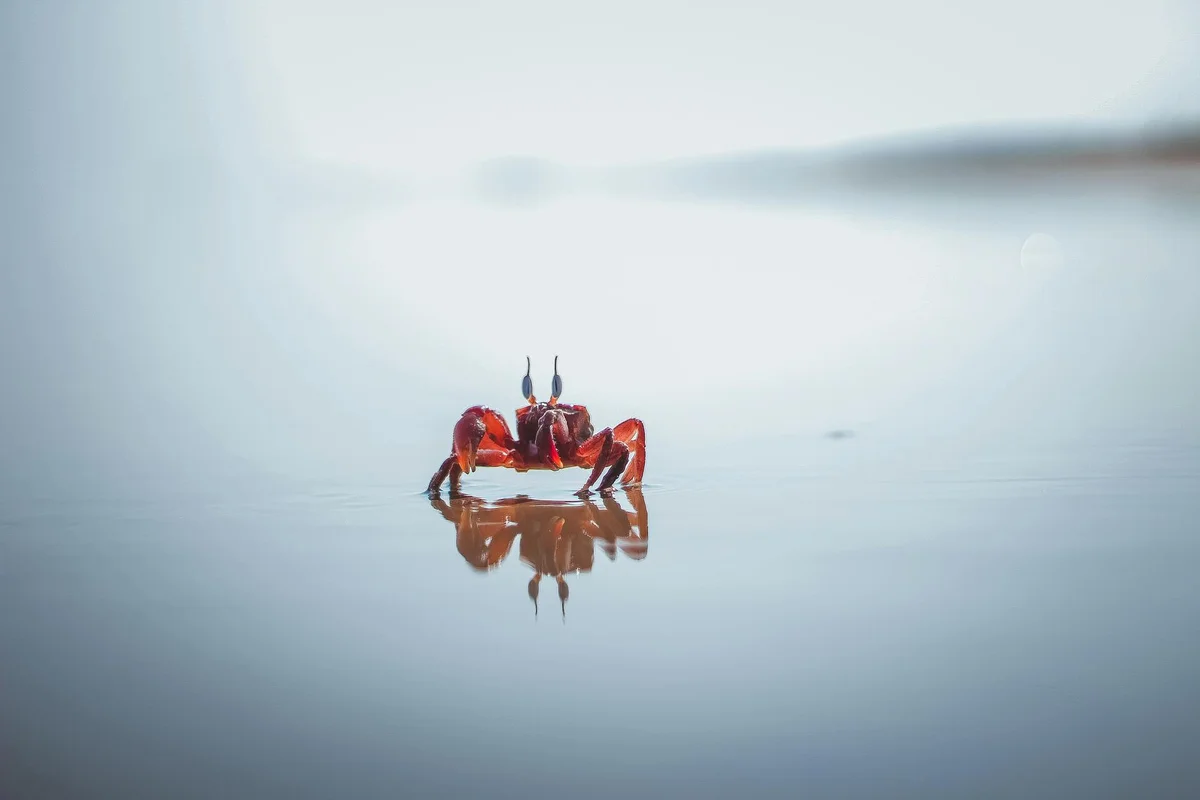
Keeping hermit crabs ethically means looking past the basic survival checklist. True welfare is about creating an environment where they can express their natural behaviors and thrive, not just exist. I’ve learned this through years of caring for my own crew, and it’s a commitment that transforms how you view pet ownership.
Creating a Habitat That Supports Natural Instincts
Your tank is their entire world. A tiny, barren enclosure is a prison, not a home. My crabs, like Hermes and Apollo, are constantly exploring, climbing, and digging. An ethical habitat must be large enough for these activities and complex enough to keep their inquisitive minds engaged. I use a 30-gallon tank for my five crabs, which gives them ample room.
- Deep Substrate: Provide a mix of play sand and coconut fiber at least 6 inches deep. This allows for natural molting behavior, which is vital for their survival. Poseidon, my digger, spends hours tunneling.
- Climbing Structures: Use cholla wood, reptile vines, and cork bark. Hermes uses these daily, scaling the entire height of the tank. It’s essential exercise.
- Hiding Places: Offer multiple hides, like half coconut shells or caves. Shyer crabs, like my Athena, need these secure spots to feel safe and reduce stress.
- Two Water Dishes: Always provide both fresh and saltwater (made with marine aquarium salt) pools deep enough for them to submerge in. They regulate their shell water and drink from both.
The Critical Role of Humidity and Temperature
This is the non-negotiable foundation of hermit crab care. Get this wrong, and nothing else matters. Incorrect humidity and temperature slowly suffocate your crabs, as they breathe through modified gills that must be kept moist. I learned this the hard way early on, and now I monitor my gauges daily. That means dialing in the ideal temperature-humidity range for a hermit crab habitat and keeping it steady. When you lock in that range, you set the stage for healthy, active crabs.
- Humidity: Aim for a constant 70-80%. I achieve this by using a glass tank lid, regularly misting with dechlorinated water, and having a large saltwater pool. Low humidity leads to fatal gill damage.
- Temperature: Maintain a gradient between 75°F and 85°F (24°C – 29°C). Apollo loves basking directly under the heat lamp, while others prefer the cooler end. An under-tank heater on the side of the tank works best to safely warm the substrate.
Providing a Balanced Diet for Long-Term Health
Throw out the idea of commercial pellet food. It often contains harmful preservatives like copper sulfate. An ethical diet mimics what they would forage in the wild: a rich, rotating menu of fresh, organic foods. I prepare a new meal for my crabs every other day, and watching them choose what to eat is a joy.
I focus on three core food groups for every meal:
- Protein: Crushed eggshells, unsalted nuts, bloodworms, and plain cooked shrimp or chicken. Zeus is always first in line for protein.
- Complex Carbs & Fats: Oats, unsweetened coconut, seeds, and whole grain cereals. This provides lasting energy.
- Fruits & Vegetables: Mango, banana, sweet potato, and leafy greens. These offer essential vitamins and moisture.
Always provide a constant source of calcium (cuttlebone) and chitin (from dried shrimp or crickets) to support exoskeleton and shell health.
Why Shell Variety is a Welfare Essential, Not an Accessory
This is perhaps the most misunderstood aspect of hermit crab care. A hermit crab’s shell is its mobile home and its primary defense. Offering a variety of natural, empty shells is a direct act of welfare, preventing fatal fights and enabling healthy growth. I’ve seen Athena change shells three times in a week, trying to find the perfect fit. Understanding why they change shells helps explain shell selection and their evacuation behavior when a shell no longer fits. In short, shell changes are adaptive decisions driven by fit, protection, and environmental conditions, not random moves.
- Prevents Shell Fighting: Crabs will fight to the death over a desirable, properly-sized shell. Providing 3-5 extra shells per crab eliminates this competition.
- Supports Molting: After a molt, a crab will be larger and need a bigger shell. If none are available, its soft new body is exposed and vulnerable.
- Choose the Right Type: Avoid painted shells, as the paint is toxic. Offer a mix of turbo, magpie, and other natural shells with round, D-shaped openings. I keep a “shell shop” corner in my tank that Apollo loves to inspect.
Monitoring Health, Stress, and Social Dynamics
Living with my five crabs has taught me that their world is one of subtle communication. Their behavior is the primary window into their well-being, and learning to read it is our most important ethical duty. You must become a dedicated observer of their tiny, complex lives.
Recognizing Signs of Stress and Poor Welfare
Hermit crabs do not cry out in pain, so we must be vigilant for silent pleas for help. I first learned this when Apollo, my Ecuadorian crab, started spending all his time on the surface, far from his beloved heat lamp.
- Surface Molting or Death: A crab attempting to molt on the surface is a major red flag. This often indicates the substrate is unsuitable or they feel unsafe underground.
- Lethargy and Lack of Movement: While some crabs are calm, a complete lack of interest in food or exploration for days is a concern. My crab Athena is naturally calm, but I still see her move to different spots nightly.
- Abandoning a Shell Repeatedly: A naked crab is a terrified, vulnerable crab. This can be caused by mites, shell fights, or an unsuitable shell interior.
- Digging Constantly Near the Water Pools: While some digging is normal, frantic, endless digging often signals that humidity is too low and they are desperately seeking moisture.
- A Strong, Fishy Odor: A healthy crab habitat should smell like the seashore, not rotting fish. A foul smell can indicate a deceased crab or bacterial bloom from waste.
Spotting these signs early is the difference between a quick recovery and a tragic outcome. It requires daily, mindful checks of your habitat and its inhabitants.
Understanding Molting and Its Ethical Implications
Molting is the most dangerous and misunderstood part of a hermit crab’s life. It is not a simple shell change; it is the process of shedding its entire exoskeleton to grow. Disturbing a molting crab is one of the gravest welfare mistakes an owner can make.
My crab Zeus, the largest and most dominant, will vanish for months at a time. He digs a cave, seals himself in, and undergoes this incredible transformation. During this time, he is soft, immobile, and utterly defenseless.
- Isolate the Area: If you discover a crab has gone underground to molt, mark the spot. Do not dig there for any reason. Rearrange food and water dishes around them if needed.
- Provide Post-Molt Nutrition: They will emerge ravenous and need to eat their old exoskeleton for calcium. Leave it in the tank! Offer extra protein like shrimp and cuttlebone.
- Never “Rescue” a Molter: A crab on the surface during a molt is in crisis, but pulling them out is usually fatal. Instead, isolate them in a small, dark container with damp moss and their old exoskeleton.
Ethical ownership means accepting that your crab will disappear for long periods and trusting the process. Their life depends on your patience.
Facilitating Positive Social Interactions
Hermit crabs are not solitary creatures; they thrive in colonies with established social structures. Our job is to manage their shared space to prevent competition from turning into cruelty. This topic invites us to ask whether hermit crabs truly understand social bonds or simply respond to routine group cues. Are their closeness and conflicts signs of bonding, or do they reflect a balance between social needs and solitary tendencies? I see this daily with Zeus guarding the food bowl and Poseidon claiming the prime digging spot.
- Provide a Shell Shop: The number one cause of crab-on-crab aggression is shell fighting. I keep a “shell shop” of 30+ empty, proper-sized shells to prevent evictions.
- Multiple Food and Water Stations: Place several shallow food dishes and both fresh and saltwater pools around the tank. This stops dominant crabs like Zeus from monopolizing resources.
- Create Multiple Hiding Spots: Use cholla wood, cork bark, and half-coconut huts to create visual barriers and private areas. This gives shy crabs like Athena a safe retreat.
- Observe, Don’t Interfere: Minor spats and shell-tapping are normal communication. Only separate crabs if you see one actively and persistently attacking another.
A well-structured habitat mimics the complexity of their natural environment, allowing their social group to function as nature intended. Watching Hermes and Apollo explore a new climbing branch together is a joy that comes from getting this balance right.
Responsible Acquisition: Sourcing and Adoption
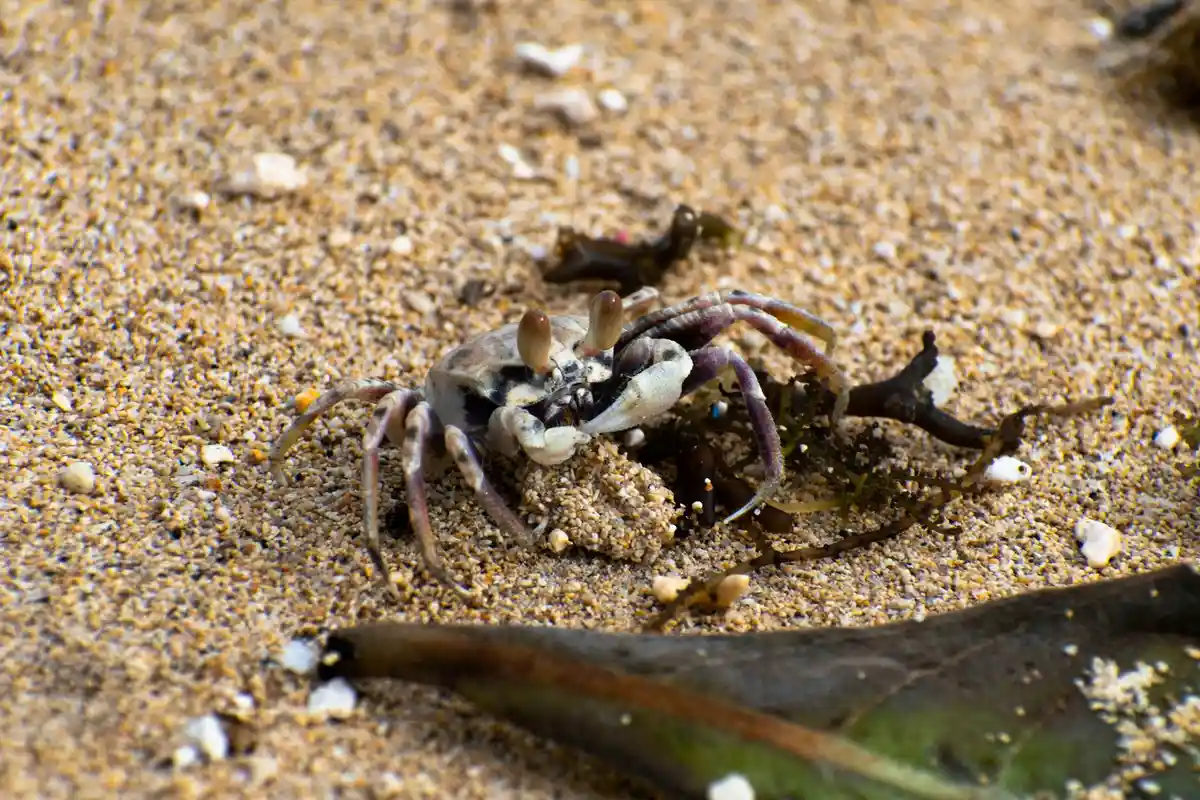
Where you get your hermit crab is the very first ethical decision you will make. This single choice directly impacts wild populations and the welfare of individual animals. I’ve built my own clan through careful adoption, and it’s a deeply rewarding path that puts animal well-being first. Pet owners can help hermit crab conservation by supporting responsible sourcing and welfare-focused care. Small, mindful choices add up to real impact.
Choosing to Adopt and Support Crab Rescue
The commercial pet trade often sources hermit crabs from the wild, a process that can be stressful and depletes natural populations. My crab Apollo was a rescue; he arrived stressed and in a poor-quality painted shell, but watching him thrive in a proper home has been incredible. Adoption gives a second chance to an animal that simply needs a better environment to flourish. Adopters can benefit from a hermit crab rescue and rehabilitation guide, which outlines practical steps for rescue, shell health, humidity, and safe housing. It helps new owners support recovery and create a thriving, long-term companion.
Look for these options to adopt responsibly:
- Local Hermit Crab Rescue Organizations: These specialized groups are filled with knowledgeable volunteers.
- Pet Rehoming Websites and Forums: Many owners need to find new homes for their crabs due to life changes.
- Local Classifieds: You’d be surprised how often hermit crabs need rehoming in your own community.
Adopting a crab like my curious Hermes, who was also a rescue, means you are not creating demand for more crabs to be taken from the wild. You are directly participating in animal welfare by offering a safe landing spot.
Questions to Ask Before You Buy a Hermit Crab
If adoption is not an option and you must purchase a crab, your responsibility is to find the most ethical source possible. Do not be shy about asking pointed questions. A reputable seller will have good answers.
Always ask these critical questions:
- Are these crabs captive-bred or wild-caught?
- What is your policy on providing a variety of natural, unpainted shells?
- How are the crabs housed here? Can I see their habitat?
- What do you feed them, and is fresh and salt water always available?
Observe the conditions closely. Are the crabs active? Is there a foul smell? A tank crowded with crabs in painted shells is a major red flag. A responsible seller prioritizes the crabs’ current welfare, not just the final sale. My assertive crab Zeus came from a store that took the time to explain his needs, and that made all the difference.
Your choice empowers either ethical practices or harmful ones. Every question you ask signals that you are a conscientious consumer who values conservation.
Your Role in Hermit Crab Conservation and Advocacy
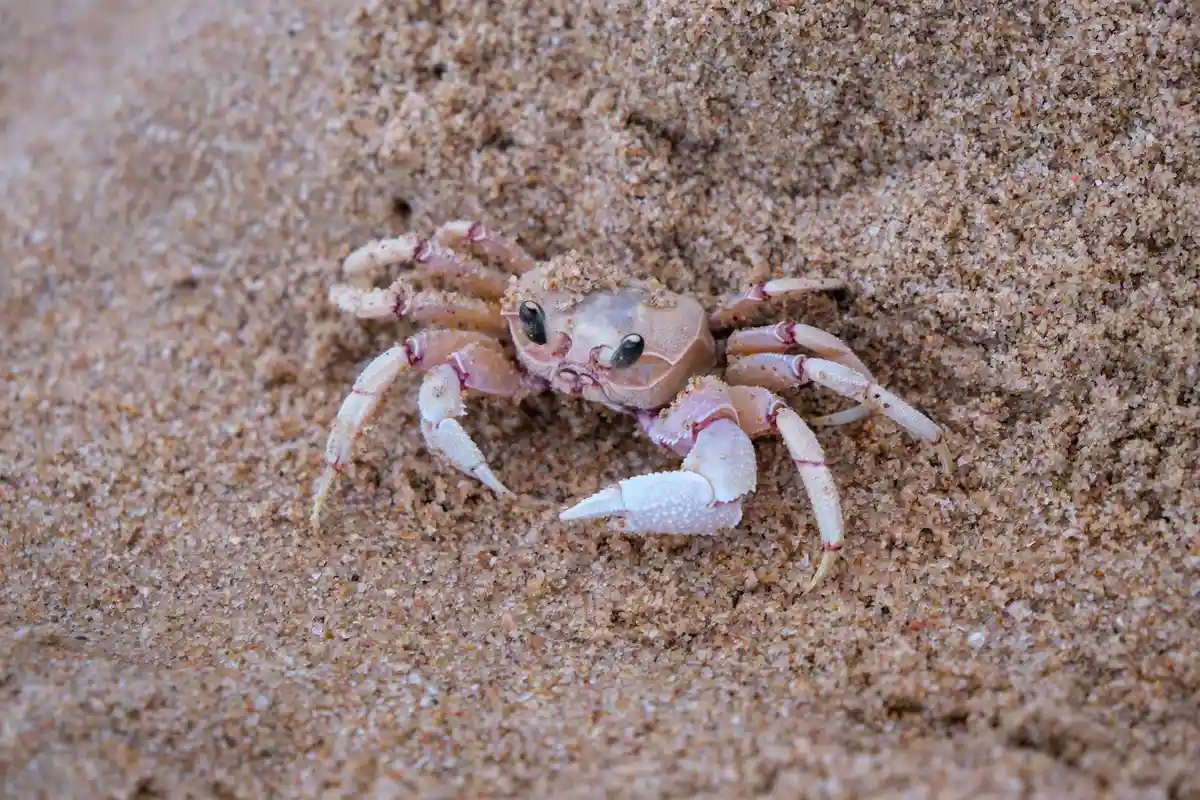
Owning hermit crabs is a privilege, not a right. Every choice we make as owners directly impacts the conservation of wild populations and the welfare of the individual animals in our care. I’ve learned that true advocacy starts at home, with the daily routines we establish for our tiny, shelled friends.
Practicing Responsible Pet Ownership Daily
Responsible ownership is a continuous practice, not a one-time setup. It’s about creating an environment where your crabs can express their natural behaviors. I see my crab Apollo dig and bask every day, and that tells me his needs are being met.
Your daily and weekly routines are the foundation of ethical care.
- Source Your Crabs Carefully. Always ask pet stores where their hermit crabs come from. Whenever possible, seek out adoption or rescue groups. I adopted Zeus from a family who could no longer care for him, and it was a deeply rewarding experience.
- Replicate a Coastal Habitat. Hermit crabs are wild animals at heart. They need deep, moist substrate for molting, consistent warmth, high humidity, and both fresh and salt water pools. A proper tank isn’t a cage; it’s a slice of their natural ecosystem.
- Provide a Shell Shop. A huge part of their well-being is having a variety of natural, appropriately-sized shells to choose from. I keep a “shell shop” in my tank, and watching them try on new homes is one of the greatest joys.
- Feed a Natural, Varied Diet. Ditch the colorful, pellet-based food. My crew thrives on fresh fruits, vegetables, unsalted nuts, and especially protein like shrimp and mealworms. This diverse diet supports their health and mimics what they would find on the beach.
- Observe Without Disturbing. Learn their language. A crab buried in the sand is likely molting and must never be dug up. Handle them sparingly and always close to the ground to prevent dangerous falls.
How to Educate Others and Spread Awareness
Once your own house is in order, you become a powerful voice for hermit crabs everywhere. Most people have no idea how complex these creatures are, and it’s our job to gently inform them. Stay tuned for our Top 10 Hermit Crab Myths Debunked for Pet Owners guide, which will clear up the most common misconceptions.
I use a few simple, effective methods to change minds and spread compassion.
- Lead by Example. When friends visit and see my elaborate, thriving crabitat, it sparks conversation. Showing a proper setup is more powerful than any lecture. It proves that these are not “disposable” pets but animals with specific needs.
- Share Stories on Social Media. Post pictures and short videos of your crabs exhibiting natural behaviors. Talk about Poseidon’s latest digging project or Athena’s calm demeanor. Frame your content to highlight their individuality and intelligence, breaking the stereotype of the “easy” pet.
- Gently Correct Misinformation. If you see someone at a pet store about to buy a painted shell or a tiny, inadequate “critter keeper,” politely share what you know. A simple “I’ve found my crabs do much better with natural shells” can open a dialogue without sounding critical.
- Support Conservation Efforts. Learn about the threats to coastal ecosystems-plastic pollution, habitat destruction-and share that knowledge. Connecting the health of our pets to the health of their wild cousins makes the issue real and urgent for people.
FAQs
How often should I clean my hermit crab’s habitat?
Spot clean waste and uneaten food daily to maintain a hygienic environment and prevent odors. Perform a full substrate change every 4-6 months to avoid bacterial growth and ensure a healthy molting space.
Do hermit crabs form attachments to their caregivers?
Hermit crabs do not bond emotionally like mammals, but they can recognize familiar scents and routines over time. Gentle, consistent handling may help reduce their stress and encourage natural behaviors in your presence. To handle them properly, learn to read their stress signals and respond calmly. If they tense or retreat, pause and give them space before trying again.
What is the typical lifespan of a hermit crab in captivity?
With proper ethical care, hermit crabs can live for 10 to 30 years, far exceeding common misconceptions. Their longevity depends on factors like habitat quality, diet, and stress minimization throughout their life.
Our Shared Responsibility
Ultimately, ethical hermit crab ownership is a conscious commitment to their wild counterparts and the individual animal in your care. This means making informed choices, from always sourcing captive-bred crabs to replicating a complex, enriching habitat that honors their natural behaviors. Our small, mindful actions at home contribute to a larger culture of respect and conservation for these fascinating creatures.
Further Reading & Sources
- Are hermit crabs humane pets? – The Environmental Literacy Council
- Hermit Crab Care Laws: Regulations on Keeping Hermit Crabs as Pets – Advocate Avenue
- r/LandHermitCrabs on Reddit: how ethical is owning hermit crabs?
The Crab Central is your ultimate resource for hermit crab enthusiasts, providing expert advice and practical tips to ensure the health and happiness of your shelled companions. With years of experience in crustacean care, we are dedicated to offering accurate, up-to-date information to support your hermit crab journey. Our mission is to foster a community of responsible hermit crab owners who are passionate about the well-being of these fascinating creatures.
Rescue Organizations