Hermit Crab Conservation: Your Role as a Pet Owner
Published on: December 27, 2025 | Last Updated: December 27, 2025
Written By: The Crab Guru
Have you ever wondered if your love for pet hermit crabs could actually help protect wild populations?
After caring for my five crabs-Hermes, Apollo, Athena, Zeus, and Poseidon-for years, I’ve learned how our daily choices create meaningful conservation impact.
Your tank isn’t just a habitat-it’s a conservation classroom.
This article will show you how ethical sourcing, proper habitat creation, and supporting captive breeding directly protect wild hermit crabs. It will also guide you to identify and support responsible breeders and reputable sellers. Choosing these sources helps animal welfare and healthy wild populations.
Understanding the Link Between Pet Care and Wild Hermit Crab Populations
Many new owners don’t realize that the simple act of buying a hermit crab from a boardwalk shop directly fuels an industry that harms wild populations. Every crab sold from a wire cage is almost certainly wild-caught, and for every one that makes it to a store, many more perish during the stressful collection and transport process. This constant demand creates a cycle of removal that damages delicate coastal ecosystems.
Watching my own crabs, I see their wild instincts every day. Hermes spends hours climbing, a behavior meant for navigating complex beachside vegetation and rock faces. In a barren tank, this natural drive has no outlet. Seeing their innate behaviors highlights the vast gap between a life in a proper habitat and the cramped, sterile conditions they are often sold in. We are responsible for bridging that gap.
The key threats we, as a community, must confront are clear and interconnected.
- Habitat Loss: Coastal development destroys the beaches and forests they call home. The souvenir shell trade also strips their environment of the natural shells they need for survival.
- Overharvesting for the Pet Trade: This is the most direct impact. Mass collection is not sustainable and ignores the complex social structures and needs of these creatures.
- Climate Change Impacts: Rising sea levels and increasing ocean acidity threaten their breeding grounds and the availability of the marine plankton their larvae depend on.
Choosing Ethical Sources for Your Hermit Crabs and Supplies
Your power as a consumer is immense. The single best decision you can make is to stop buying hermit crabs from impulse souvenir shops or large chain pet stores that source them wildly. Instead, seek out reputable breeders or, even better, adopt from a hermit crab rescue organization. Adopting a rescue helps reduce demand for new animals and gives a home to a crab in need. When you adopt, you often learn the crab’s history and can provide a well-suited setup from day one. I found my crab Hermes through a local rescue; he was a surrendered pet who needed a second chance, and it was a deeply rewarding experience.
Follow these steps to ensure your new pet comes from an ethical source.
- Search online for “hermit crab adoption” or “hermit crab rescue” in your region.
- Join hermit crab owner forums and groups; members often rehome crabs responsibly.
- If purchasing from a breeder, ask direct questions about their breeding practices and how they house their crabs.
- Avoid any vendor that cannot provide clear, humane answers or that keeps crabs in painted shells.
Shell sourcing is another critical area where your choices matter. The mass harvesting of natural shells from beaches for the pet trade creates shell shortages for wild crabs, forcing them into inadequate housing that can stunt their growth. This is where ethics in shell harvesting comes in—prioritizing shells that have naturally shed or come from sustainable sources rather than taking from living habitats. I only buy empty shells or repurposed finds, and I avoid shells taken directly from wild populations. My crab Apollo is a shell connoisseur, and I’ve learned to source his upgrades ethically.
I now only buy from vendors who specifically sell “recycled” or “land-collected” shells. These are shells gathered from inland areas or from other hobbyists, not stripped from active beaches. Etsy and dedicated hermit crab supply sites have great vendors who specialize in these ethical alternatives. Never take shells from a beach you are visiting; the ones you see are potential homes. For a quick where to buy hermit crab shells shopping guide on safe sources, I rely on vetted vendors with clear ethical sourcing. It also explains how to verify shell quality and seller credibility.
Creating a Habitat That Mimics Natural Conditions and Reduces Environmental Impact
Optimal Substrate and Humidity Setup
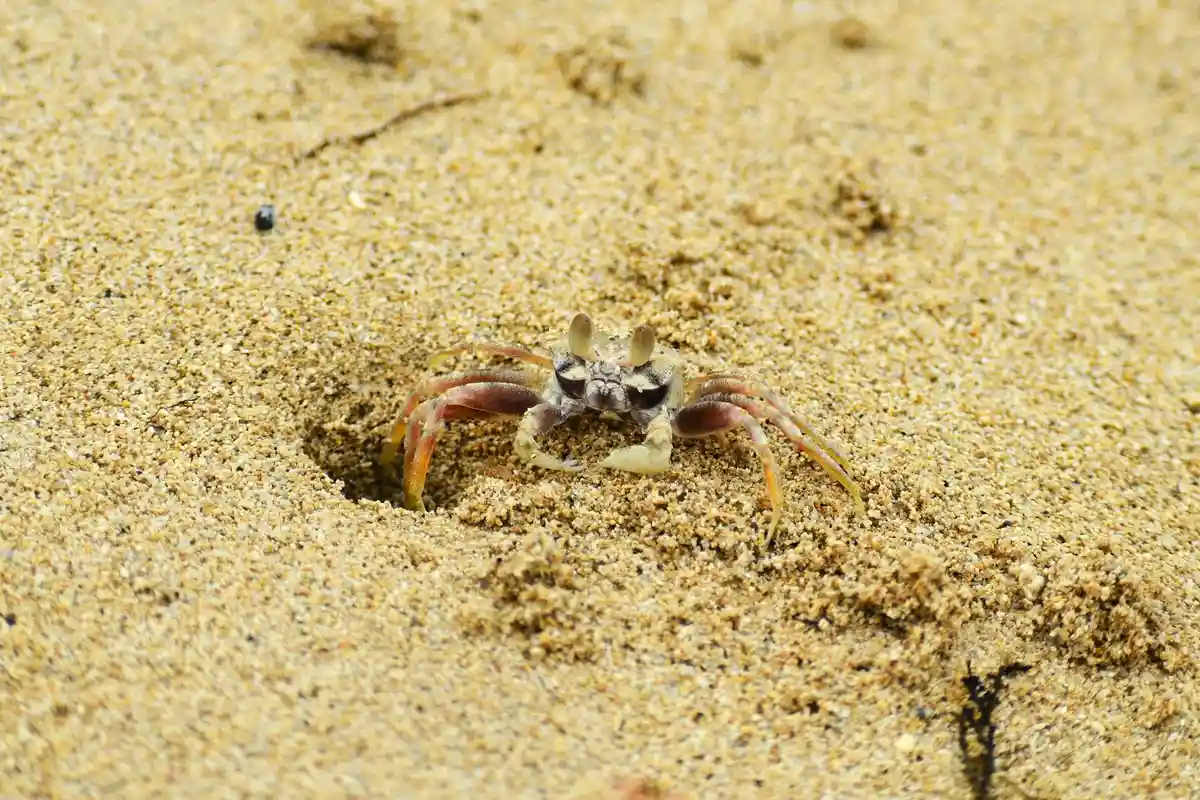
Getting the foundation of your habitat right is the single most impactful thing you can do for your crab’s health and for conservation. A proper substrate mix allows for natural digging and safe molting, which directly prevents the need to replace crabs from the wild.
I use a “crab-safe” mix of coconut fiber and play sand, which is sustainable and holds tunnels perfectly. For my five crabs, I aim for a substrate depth of at least 8 inches, which is three times the height of my largest crab, Zeus. This depth is non-negotiable for successful molting.
- Mix a 5:1 ratio of play sand to coconut fiber brick for a consistency that holds its shape when you squeeze it.
- Caribbean crabs like Hermes and Poseidon thrive at 70-80% humidity, while my Ecuadorian, Apollo, prefers it slightly higher, around 80-85%.
- Temperature needs vary too; Caribbean species do well between 75-85°F, but Ecuadorians like a warmer, more stable 80-85°F.
Enclosure Enrichment and Water Quality
Boredom and stress in captivity are major welfare issues, but you can solve this with thoughtful, eco-friendly items. Providing natural enrichment reduces stereotypical behaviors and encourages the complex activities they would perform in the wild.
I avoid plastic decorations entirely. Instead, I use cholla wood, cork bark flats, and untreated coconut hides. My crab Athena loves to hide under a piece of cork bark, while Hermes is constantly climbing the cholla wood.
- Source items like grapevine wood, mopani wood, and smooth stones from reptile-safe suppliers.
- Offer both saltwater and freshwater pools deep enough for your largest crab to submerge in, just like Poseidon loves to do.
- Use marine salt mix for the saltwater pool, never table salt, and treat all water with a dechlorinator.
Providing a Balanced Diet to Promote Health and Reduce Wild Resource Strain
Feeding your hermit crabs a varied, nutrient-dense diet is an act of conservation. A healthy, well-fed crab in captivity is one less crab that needs to be harvested from vulnerable wild populations. Their diet in the wild is incredibly diverse, and we must replicate that. To put these principles into practice, consult our hermit crab diet feeding guide. It outlines what to feed, how often, and how to balance nutrients for thriving pets.
My number one priority is always calcium for strong exoskeletons and healthy molts. I keep a cuttlebone in the tank at all times, and I see Apollo and Hermes nibbling on it regularly.
- Offer a base diet of high-quality commercial hermit crab food, but augment it heavily with fresh, safe foods.
- For protein, I give them raw, unsalted shrimp, mealworms, and scrambled egg (with the shell crushed in). Zeus, being more assertive, always claims the shrimp first.
- My crabs go wild for organic fruits and vegetables like mango, coconut, sweet potato, and leafy greens.
Making your own food mixes is simple and cuts down on commercial packaging. I regularly make a homemade mix of dried shrimp, crushed almonds, spirulina powder, and crushed oyster shell for a calcium and protein boost. I’ve noticed Athena, who is usually shy, becomes much more active when this mix is served.
Observe your crabs to tailor their diet. If a crab seems lethargic or isn’t eating well, try offering a different protein source or a sweet fruit treat to stimulate their appetite. This careful observation has helped me keep all five of my crabs thriving for years. Why is my hermit crab not eating? Knowing how to solve appetite problems is crucial for their health.
Preventing Harm Through Responsible Ownership and Non-Release Practices
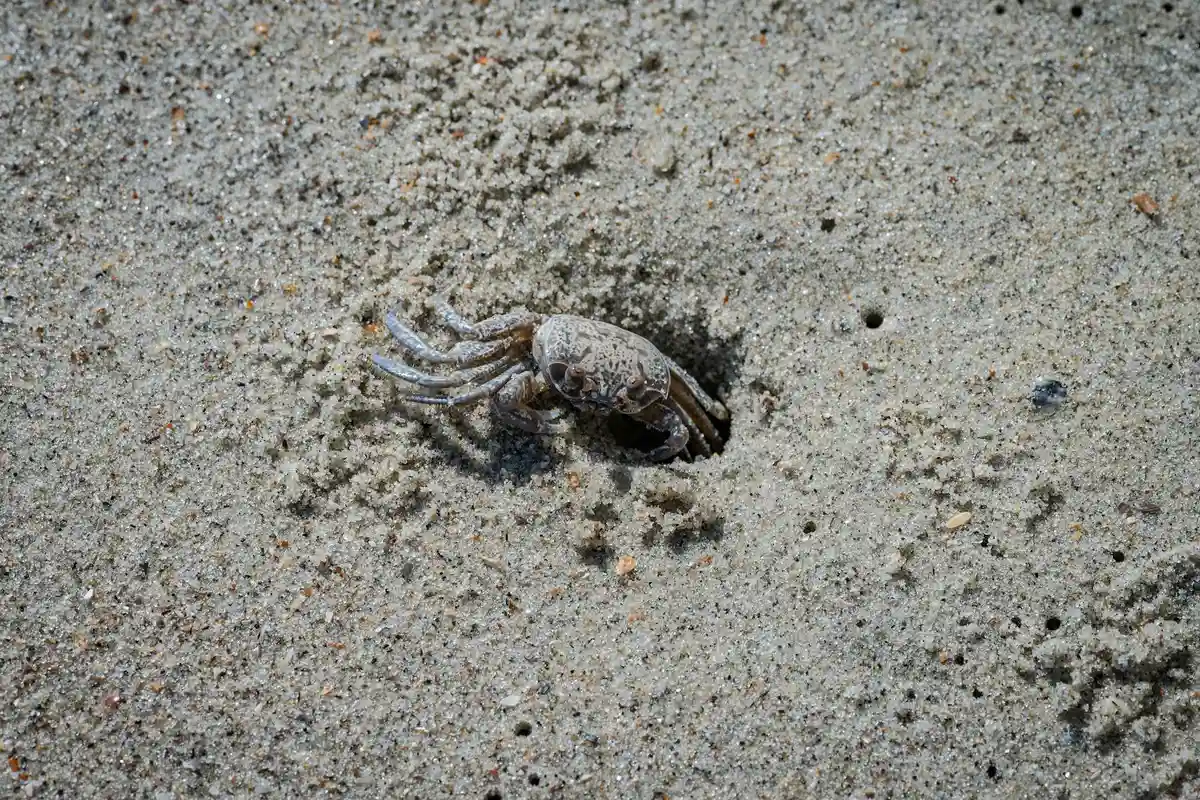
One of the most critical lessons I learned early on is that a hermit crab’s life in your care is a lifelong commitment. Releasing a pet crab, even with the best intentions, is an act that causes immense harm to individual animals and local ecosystems. My crab Apollo could never survive a New England winter; he’s simply not from here. End-of-life care is an essential part of responsible hermit crab ownership. It means recognizing aging, comfort needs, and humane decisions for a peaceful passing when the time comes.
The risks are very real and happen in two main ways. First, a released crab is a non-native species. It can outcompete local wildlife for food and shelter. Second, and often overlooked, is disease. Pet store crabs can carry pathogens unfamiliar to wild populations, potentially wiping them out.
I’ve seen the heartbreaking confusion in a crab destined for release. It’s a promise we must not break.
What To Do If You Can No Longer Care For Your Hermit Crabs
Life changes, and sometimes rehoming is the most responsible choice. You have excellent, compassionate options.
- Connect with a Hermit Crab Rescue or Sanctuary: These organizations understand their specific needs and will ensure they find a qualified home.
- Use Reputable Pet Rehoming Websites: Platforms like Petfinder have sections for small animals. Be thorough in screening potential new owners.
- Reach Out to Local Pet Stores: Some independent stores will accept returns or help with rehoming. Always call first to confirm their policy.
- Follow All Local Regulations: Animal surrender laws vary. A quick call to your local animal control office can provide the correct procedure.
A Story of Advocacy in Action
I once took in two crabs, Zeus and Apollo, from an owner who was moving and felt overwhelmed. Their setup was all wrong-a tiny cage, painted shells, and food pellets. Seeing them thrive in a proper habitat with space, natural shells, and real food solidified my belief in rehoming. Giving them a second chance wasn’t just an act of care; it was a direct stand for their welfare. They are now among my most vibrant crabs, a daily reminder that responsible action has a real, positive impact.
Engaging in Education and Community Efforts for Hermit Crab Conservation
Our responsibility does not end at the glass of our own tanks. Becoming an advocate amplifies your impact and helps countless other crabs. Every conversation you have can change a crab’s life for the better. I started my blog after realizing how much misinformation existed.
Simple Ways to Educate Your Community
You do not need a degree to make a difference. Start where you are comfortable.
- Share on Social Media: Post pictures of your proper setup, talk about their natural behaviors, and debunk common myths.
- Write a Blog or Create Content: Detail your experiences, like the joy of watching Athena finally change into a perfect natural shell.
- Join or Start a Local Group: Online forums are great, but local clubs allow for shell swaps, tank sales, and shared knowledge.
- Talk to Pet Store Employees: Politely educate them on the needs of hermit crabs. Many want to learn and will appreciate respectful information.
Supporting Broader Conservation Work
If you have the capacity, you can support the bigger picture.
- Donate to Rehabilitation Centers: These facilities work tirelessly and often rely on public support.
- Participate in Citizen Science: Report your observations of captive behavior to university studies focused on crustacean welfare.
- Advocate for Habitat Preservation: Support organizations working to protect coastal ecosystems, the original homes of our pets.
The most powerful tool you possess is your own story. Share your knowledge about ethical keeping-the importance of deep substrate, humidity, temperature, and natural shells. When you explain why painted shells are dangerous or how a tiny cage causes stress, you are not just giving pet advice. You are fostering a culture of respect for these complex, fascinating creatures. Every person you educate is one less person likely to make a harmful mistake.
FAQs
Why should I avoid buying hermit crabs in painted shells?
Painted shells often contain toxic chemicals that can be ingested or absorbed by hermit crabs, leading to poisoning or illness. The paint can also seal the shell, disrupting humidity regulation and increasing the risk of suffocation or dehydration. Are painted shells safe for hermit crabs? Understanding the risks can guide owners toward safer alternatives.
What are the signs of a healthy hermit crab to look for when adopting?
A healthy crab will be active, particularly during evening hours, and show curiosity by exploring its environment. It should have all limbs intact, a well-fitting natural shell, and no visible signs of injury or lethargy when handled gently.
How can I encourage a picky hermit crab to eat a varied diet?
Introduce new foods in small quantities alongside familiar items to gradually acclimate your crab to different textures and flavors. Offering high-value treats like organic mango or unsalted shrimp can entice eating and promote a balanced intake of nutrients. Also, consider how much to feed and how often. Follow the portions and feeding frequency recommended in your hermit crab guide.
Every Small Action Counts
The journey of a responsible hermit crab owner is a continuous and rewarding one. By making thoughtful choices about their shells, habitat, and diet, we create a powerful ripple effect that extends far beyond our own tanks. Our collective commitment to their well-being is the most direct form of conservation, ensuring these fascinating creatures thrive both in our care and in the wild. It’s crucial to understand the ethics of hermit crab ownership to truly make a positive impact.
Further Reading & Sources
- Land hermit crab | Smithsonian’s National Zoo and Conservation Biology Institute
- About Us – Land Hermit Crab Owners Society
- Striped hermit crab | Smithsonian’s National Zoo and Conservation Biology Institute
The Crab Central is your ultimate resource for hermit crab enthusiasts, providing expert advice and practical tips to ensure the health and happiness of your shelled companions. With years of experience in crustacean care, we are dedicated to offering accurate, up-to-date information to support your hermit crab journey. Our mission is to foster a community of responsible hermit crab owners who are passionate about the well-being of these fascinating creatures.
Rescue Organizations