
Are Painted Shells Safe for Your Hermit Crab?
Published on: January 1, 2026 | Last Updated: January 1, 2026
Written By: The Crab Guru
If you’ve ever seen a brightly painted shell in a pet store, you’ve probably wondered if it’s a safe and fun home for your crab.
With five hermit crabs of my own-like curious Hermes and calm Athena-I’ve learned through hands-on experience what truly keeps them healthy and thriving.
My straightforward advice is to always choose a natural, unpainted shell.
We’ll explore the hidden dangers of painted shells, uncover why crabs reject them, and I’ll share my favorite places to find beautiful, safe natural alternatives for your pets.
The Real Dangers of Painted Shells
Painted shells might look fun, but they are a hidden danger in your crab’s home. The main problem is toxicity. The paints and sealants used are not made for animals and often contain chemicals that are poisonous to hermit crabs. To keep things safe and stimulating, opt for non-toxic decor in your hermit crab tank. Choose natural textures, hides, and gentle climbing surfaces that encourage exploration without chemicals.
These shells are essentially a slow-release poison in an environment where your crab eats, drinks, and breathes.
From my own tank, I have watched my curious crab, Hermes, approach a store-bought painted shell. He would tap it with his claw and then quickly back away, a clear sign of stress and avoidance. My more dominant crab, Zeus, would actively block other crabs from even getting near the painted shell I once mistakenly provided.
- Immediate Risks: Paint can chip or peel off. Crabs are exploratory and will pick at these flakes, ingesting them directly. This can cause immediate poisoning or block their delicate digestive systems.
- Long-Term Health Effects: Even if the paint doesn’t chip, toxins can slowly leach into the tank’s substrate and water. This constant, low-level exposure weakens their immune system, leads to neurological damage, and is a primary suspect in sudden, unexplained deaths in otherwise healthy crabs.
- Physical Discomfort: The paint and glue add an unnatural thickness and weight to the shell. This makes it harder for your crab to move and retract fully into its home, leaving it feeling exposed and vulnerable.
Toxic Components in Painted Shells
Common Harmful Substances in Paints
The bright, glossy colors on these shells come from a cocktail of chemicals. You would never let your crab play with a bottle of paint, yet a painted shell is just that. So, are most colorful hermit crab species choosing shells mainly for color, or do they prioritize fit and protection?
- Heavy Metals: Paints used for cheap crafts and souvenirs frequently contain lead, cadmium, and chromium to create vibrant colors. These metals are highly toxic and accumulate in your crab’s body over time.
- Volatile Organic Compounds (VOCs): These are solvents that help the paint go on smoothly and dry quickly. They release gases that your crabs inhale, directly irritating their modified gills and causing respiratory distress.
The warm, humid environment of a hermit crab tank acts like an accelerator, forcing these toxins to release from the shell’s surface much faster than they would in a dry room. Add saltwater from their bathing pool, and you create a corrosive mixture that breaks down the paint’s integrity, ensuring a steady supply of poison enters their world. To prevent harm, do proper bathing and misting for your hermit crab. Use a shallow dish of clean, dechlorinated water for baths and regularly mist the tank to maintain safe humidity levels.
How Toxins Affect Hermit Crab Health
Watching a crab suffer from poisoning is a heartbreaking experience I wish on no owner. The effects are devastating and often irreversible.
- Symptoms of Poisoning: Look for lethargy, a crab that is almost always buried or hiding, loss of appetite, and a strange, unpleasant odor. In severe cases, you may see limb autotomy, where they drop their legs or claws in a stress response.
- Impact on Molting: Molting is the most vulnerable time in a crab’s life. Toxins in their system can cause a condition known as Surface Molting Syndrome, where they attempt to shed their exoskeleton but lack the energy to complete the process, leading to a tragic outcome.
- Shell Integrity Issues: A painted shell cannot breathe or regulate moisture like a natural one. This creates a microclimate inside the shell that can lead to bacterial or fungal growth, essentially rotting the crab’s abdomen.
I learned this lesson the hard way with a previous crab who became ill after using a painted shell; his subsequent molt was unsuccessful, a direct consequence I attribute to that toxic environment. It was a painful mistake that solidified my commitment to providing only natural, safe alternatives.
Physical and Behavioral Risks
Abrasion and Shell Damage
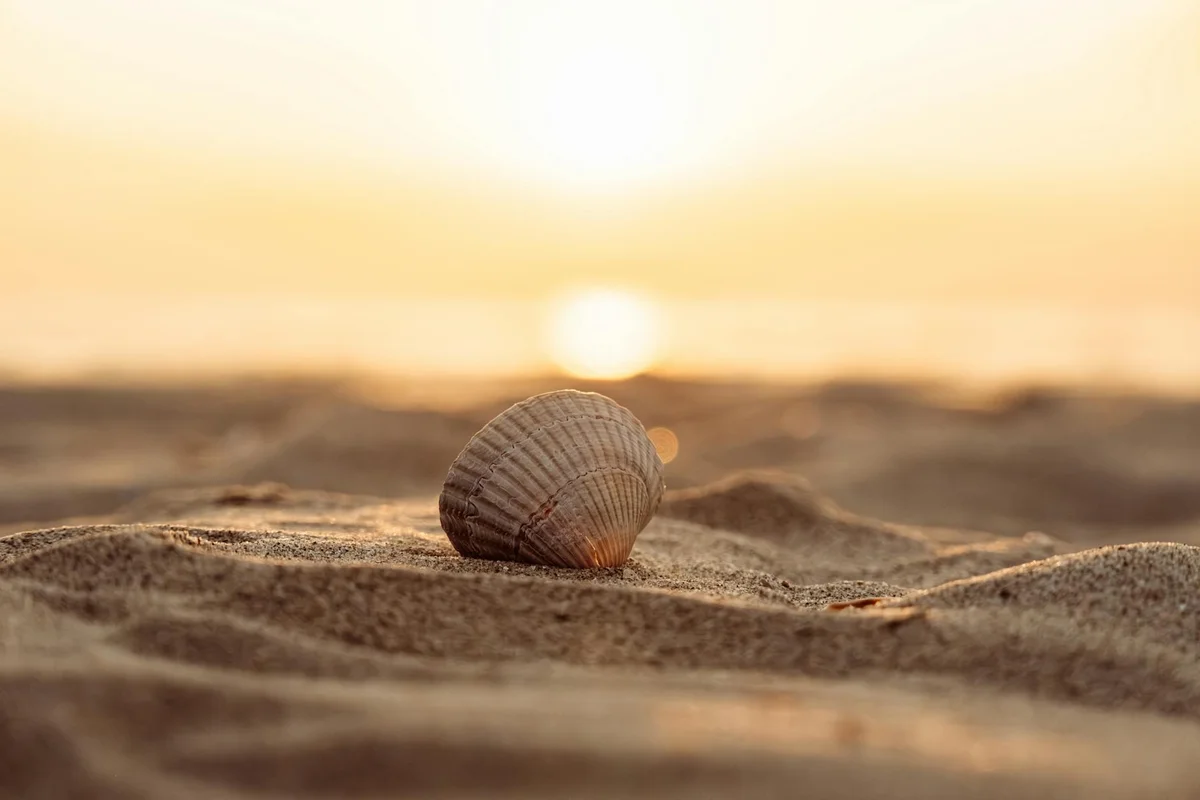
The painted coating on a shell is not a smooth, natural surface. It’s a layer of plastic-like paint that feels rough and gritty to a crab’s delicate exoskeleton. Constant rubbing against this abrasive surface can cause microscopic cuts and wear down the protective chitin layer on their legs and abdomen. This damage makes them far more susceptible to infections and complications, especially during the vulnerable molting period.
Beyond the direct abrasion, the paint itself alters the shell’s structure. The added layer can make the interior uncomfortably tight or change the opening’s shape. I noticed this with Apollo, who tried on a painted turbo shell; he couldn’t retract fully into the shell and moved with a strange, restricted gait until he changed shells a day later. A proper shell fit is critical for protection and mobility, and paint fundamentally compromises that.
Stress and Natural Behavior Disruption
Hermit crabs are hardwired to interact with their shells in specific ways. They tap on them, roll them around, and dig to bury themselves while wearing them for safety. A painted surface interferes with all these instincts. The slick, unnatural texture makes shells difficult for them to grip when climbing. These common shell problems have practical fixes. The paint can also seal the shell’s pores, trapping humidity and heat inside in a way that is deeply stressful for the crab.
In my own tank, the preference for natural shells is undeniable. I once placed a brightly painted shell next to a plain, natural one of a similar size. My calmest crab, Athena, investigated the painted shell for a moment before immediately abandoning it for the natural alternative. Crabs rely on their ability to “inspect” a shell, and a layer of paint disrupts the sensory information they need to make a safe choice. These observations touch on the science behind hermit crab shell selection: crabs assess shell fit, texture, and cues of safety during inspection. When paint masks those cues, as in this case, it can bias their choice and lead to avoidance. Zeus, my most assertive crab, will actively push painted shells away from the food dish, treating them as an unwanted object in his space.
Safe and Natural Shell Alternatives
Benefits of Using Natural Shells
Switching to natural, unpainted shells is the single best decision you can make for your crab’s well-being. The benefits are immediate and profound, especially when you understand what makes a shell perfect for a hermit crab.
- Superior Ventilation: Natural shells are porous, allowing for healthy air flow and humidity regulation that painted shells completely block.
- Safe Molting Surface: The interior of a natural shell provides the perfect, non-toxic surface for a crab to lean against during its stressful molting process.
- Behavioral Enrichment: The varying textures, weights, and shapes of natural shells provide mental stimulation and satisfy their innate shell-investigation behaviors.
Not all crabs prefer the same shell type. Based on my crew’s habits, here are some recommendations:
- Caribbean Hermit Crabs (like Hermes and Zeus): They often favor turbo shells or round-shaped openings with a D-shaped aperture.
- Ecuadorian Hermit Crabs (like Apollo): These thinner-shelled crabs usually prefer shells with longer, more oval openings, such as babylonia or nerite shells.
- Strawberry Hermit Crabs (like Athena): They typically need heavier, more robust shells with round openings, like turbo or magpie shells.
Where to Find and Prepare Natural Shells
You should never take shells directly from the beach and put them in your tank. They can harbor bacteria, salt, and tiny pests. Proper preparation is non-negotiable.
Follow these steps to ensure your shells are crab-ready:
- Source Your Shells: Buy from reputable pet stores, online retailers specializing in hermit crab supplies, or craft stores (just ensure they are natural and unpainted).
- Initial Scrub: Scrub the inside and outside of each shell with an old toothbrush and fresh, dechlorinated water. Do not use soap.
- Boil to Disinfect: Place the shells in a pot of dechlorinated water, bring to a boil, and let them simmer for at least 10-15 minutes.
- Cool and Dry: Remove the shells with tongs and let them air dry completely on a clean towel before placing them in the habitat.
Offering a variety is the key to a happy crab. I keep a “shell shop” corner in my tank with at least 5-7 empty shells per crab in slightly larger, slightly smaller, and similar sizes. Poseidon, my digger, loves to try on different weights and shapes, and this variety prevents shell fights. Watching your crab methodically try on new natural shells is one of the most rewarding experiences of keeping them. To help you pick the right hermit crab shell size, the complete guide walks you through size ranges and how to measure for a snug fit. It also covers growth and when to swap shells.
Non-Toxic and Artificial Shell Options
Evaluating Food-Safe and Acrylic Paints
You might find yourself wondering if a shell painted with food-safe or non-toxic acrylic paint could be a harmless compromise. From my experience, I strongly advise against offering any painted shell to your hermit crab, regardless of the paint’s label. “Non-toxic” for humans does not equate to safe for a creature that constantly absorbs its environment through its delicate abdomen and gills. My crab, Apollo, once investigated a shell with a non-toxic coating; he immediately recoiled and spent an unusual amount of time cleaning his antennae afterwards, a clear sign of irritation.
The risks are simply too great. The paint can still chip and be ingested, or it can create a seal that traps harmful bacteria and fungus against the shell’s inner wall. That sealed surface prevents the crab from receiving the natural, beneficial moisture and minerals a porous natural shell provides. Seeing Apollo’s adverse reaction cemented my belief that no paint is truly crab-safe.
Alternative Materials for Shells
If you are drawn to the aesthetic of unique shells, some keepers explore alternatives like resin or ceramic.
- Resin Shells: These can be molded into intricate shapes and bright colors. The major con is their weight and complete lack of permeability. They do not allow for the gas and moisture exchange that is vital for a crab’s health.
- Ceramic Shells: Often handmade and beautifully glazed, ceramic shells are heavy and brittle. A fall from a climbing toy could shatter one, creating sharp, dangerous fragments in the habitat.
While these options avoid direct paint toxicity, they introduce other problems like weight and humidity control. After trying a lightweight resin shell with my curious crab Hermes, I found he consistently abandoned it for a plain turbo shell every time. His instinctual choice reaffirmed that for crab welfare, natural shells are unequivocally superior in every way.
How to Transition from Painted to Safe Shells
Switching your hermit crabs to a safer shell wardrobe requires patience and a careful approach. You cannot simply take the painted shell away, as this can cause severe stress and leave your crab vulnerable. To help with this, consult our safe handling and shell-change guide. It offers step-by-step techniques and shell selection tips to reduce stress.
Follow these steps to ensure a smooth and successful transition for your crab.
- Provide an Abundance of Choices: Place several new, natural shells in the tank. Offer a variety of sizes and styles, like turbo, murex, and babylonia shells. Ensure the openings are slightly larger than their current painted shell.
- Boost the Appeal: Soak the new natural shells in a mix of dechlorinated saltwater. This makes them smell more attractive and provides immediate minerals.
- Position Strategically: Scatter the new shells around the tank, but also place a couple right next to the food dish and common hiding spots where your crabs will definitely encounter them.
- Monitor Closely: Watch for exploration. You might see a crab, like my Zeus, size up a new shell for days before making a move.
- Remove the Painted Shells: Only after a crab has voluntarily moved into a new, safe shell should you carefully remove the painted one from the enclosure.
I witnessed a huge shift in my dominant crab Zeus after he finally switched from a store-bought painted shell to a natural whelk shell. He became more active and less aggressive at the food bowl, behaviors I attribute to him feeling more secure and healthy in his new home.
If a crab refuses to change shells for a long time or shows signs of distress like lethargy or a loss of appendages, it is time to consult an exotic veterinarian. A persistent refusal to switch can sometimes indicate an underlying health issue that needs professional attention.
FAQs
Is it ever safe to use a painted shell for a short period?
No, even brief exposure can be harmful because paint can chip and be ingested immediately, leading to poisoning. Toxins may also start leaching into the tank environment right away, posing ongoing health risks.
How can I tell the difference between a painted shell and a naturally colored one?
Painted shells often have a glossy, uniform appearance and may feel smooth or plastic-like, unlike natural shells which show color variations and a porous, textured surface. Look for any signs of brush strokes or an overly vibrant hue that seems unnatural for a shell.
What are the first steps to take if I suspect my hermit crab has been poisoned by a painted shell?
Immediately remove the painted shell from the habitat to stop further exposure and isolate the crab in a clean, stress-free area. If you notice the crab not in its shell, this is a shell-emergency situation and you should seek rapid guidance on potential causes. Contact an exotic veterinarian experienced with hermit crabs for advice on monitoring symptoms and potential treatment options.
Your Next Step for a Happy Crab
The evidence is clear: painted shells pose a real danger to your hermit crab’s health from potential toxins and a blocked shell entrance. Your absolute safest choice is to provide a wide variety of natural, unpainted shells for your crab to explore and choose from. By offering this natural selection, you are directly supporting their well-being and honoring their unique, shell-swapping instincts.
Further Reading & Sources
- Safe to paint shells? – HCA: Hermit Crab Association
- Painted Shells – Not So Pretty After All
- The Perils of Painted Shells – Echoes of LBI
The Crab Central is your ultimate resource for hermit crab enthusiasts, providing expert advice and practical tips to ensure the health and happiness of your shelled companions. With years of experience in crustacean care, we are dedicated to offering accurate, up-to-date information to support your hermit crab journey. Our mission is to foster a community of responsible hermit crab owners who are passionate about the well-being of these fascinating creatures.
Common Health Issues