Common Hermit Crab Shell Problems and Fixes
Published on: December 24, 2025 | Last Updated: December 24, 2025
Written By: The Crab Guru
Have you noticed your hermit crab acting strangely, refusing to change shells, or even fighting over them? Shell issues are a frequent worry for owners.
With five hermit crabs of my own, like curious Hermes and dominant Zeus, I’ve navigated many shell dilemmas firsthand and will share my proven, crab-tested solutions.
Providing a diverse selection of clean, properly fitting shells is the single best thing you can do to prevent problems.
We will cover how to identify shell rejection, handle shell aggression, select the perfect replacement shell, and set up a habitat that encourages healthy shell changes.
Identifying Common Shell Problems in Your Hermit Crab
Your crab’s shell is its mobile home and primary defense. Regular, gentle inspections are your best tool for catching issues before they become emergencies. I make it a habit to do a quick visual check on each of my crabs during their evening activity peaks.
Visible Damage and Contamination
Look closely at the shells in your habitat. Here are the most common physical problems you might find:
- Cracks and Chips: These are often hairline fractures or small pieces missing from the shell’s opening or spire. Even a tiny crack can let moisture escape, dehydrating your crab.
- Holes from Predators or Wear: Sometimes you’ll find a small, drilled-looking hole. This is often damage from a wild predator that the crab survived. It compromises the shell’s integrity.
- Shell Rot and Mold: This appears as soft, pitted, or chalky areas on the shell, sometimes with a fuzzy white or green growth. A foul, fishy, or rotten smell is a major red flag.
- Excessive Algae or Grime: A little algae is normal, but a thick, slimy coating can indicate the shell is constantly damp and may harbor bacteria.
Personal Observations from My Tank
Living with my five crabs has taught me to read the subtle signs. Hermes, my curious Caribbean crab, once chose a shell with a nearly invisible hairline crack. I only noticed because he seemed more reclusive than usual and wasn’t retracting fully. Apollo, my Ecuadorian, is a shell connoisseur. He will immediately abandon a shell that has even a faint odor, leaving it in the middle of the tank as a clear signal he finds it unacceptable.
| Problem Type | Description | Urgency Level |
|---|---|---|
| Major Crack or Hole | A visible opening that compromises the shell’s primary protection. | HIGH – Remove shell immediately, offer multiple new options. |
| Foul Odor or Mold | A rotten smell or visible fungal/bacterial growth on the shell. | HIGH – Remove shell to prevent illness spreading. |
| Minor Chip at Opening | A small, superficial nick on the shell’s aperture. | MEDIUM – Offer new shells, but crab may be fine for a while. |
| Heavy Algae Buildup | A thick, slimy layer covering the shell. | LOW – Clean the shell and monitor, but not an immediate danger. |
Assessing Shell Fit and Size for Your Hermit Crab
A shell that doesn’t fit right is like wearing shoes that are several sizes too big or small. In our complete guide to choosing the right hermit crab shell size, you’ll learn how to select the perfect fit. A proper fit is not a luxury for a hermit crab; it is a fundamental requirement for its survival and well-being.
How to Check for a Poor Fit
Watch your crab’s behavior. These actions often indicate an ill-fitting shell:
- Refusal to Retract Fully: You can consistently see a significant portion of its abdomen or legs hanging out of the shell.
- Difficulty Moving: The crab struggles to walk, seems off-balance, or the shell drags heavily.
- The “Dangling” Crab: If you see your crab hanging mostly out of its shell while holding on with just one or two legs, the shell is likely too small or uncomfortable.
- Excessive Shell Switching: While trying on shells is normal, constantly changing every few hours suggests dissatisfaction and a poor fit.
Measuring for the Perfect Shell Opening
You can proactively measure your crab to find the right size. Here is the simple process I use:
- Wait until your crab is fully out of its shell, usually during a shell swap. Never force a crab out of its shell.
- Gently place the crab on a flat surface next to a ruler.
- Identify the large, fleshy part of its body (the abdomen) that goes into the shell.
- Note the diameter of this body part. This is the size of the shell opening you need.
- Offer new shells with an opening that is about 1/8 inch larger than this measurement.
If you can’t catch a measurement, a good rule of thumb is to offer 3-5 shells with openings slightly larger, the same size, and slightly smaller than their current one.
Observing Shell Exchange Attempts
This is a beautiful behavior to witness. When a crab finds a potential new home, it will perform a detailed inspection, tapping and feeling the inside with its claws and legs. I’ve spent hours watching Apollo and Zeus meticulously examine their options. They often try on a shell for a few minutes, then switch back, only to try it again later. This is normal. Provide plenty of clean, appropriate options near their favorite hangout spots to encourage this natural behavior.
Fixing Cracked, Chipped, or Damaged Shells
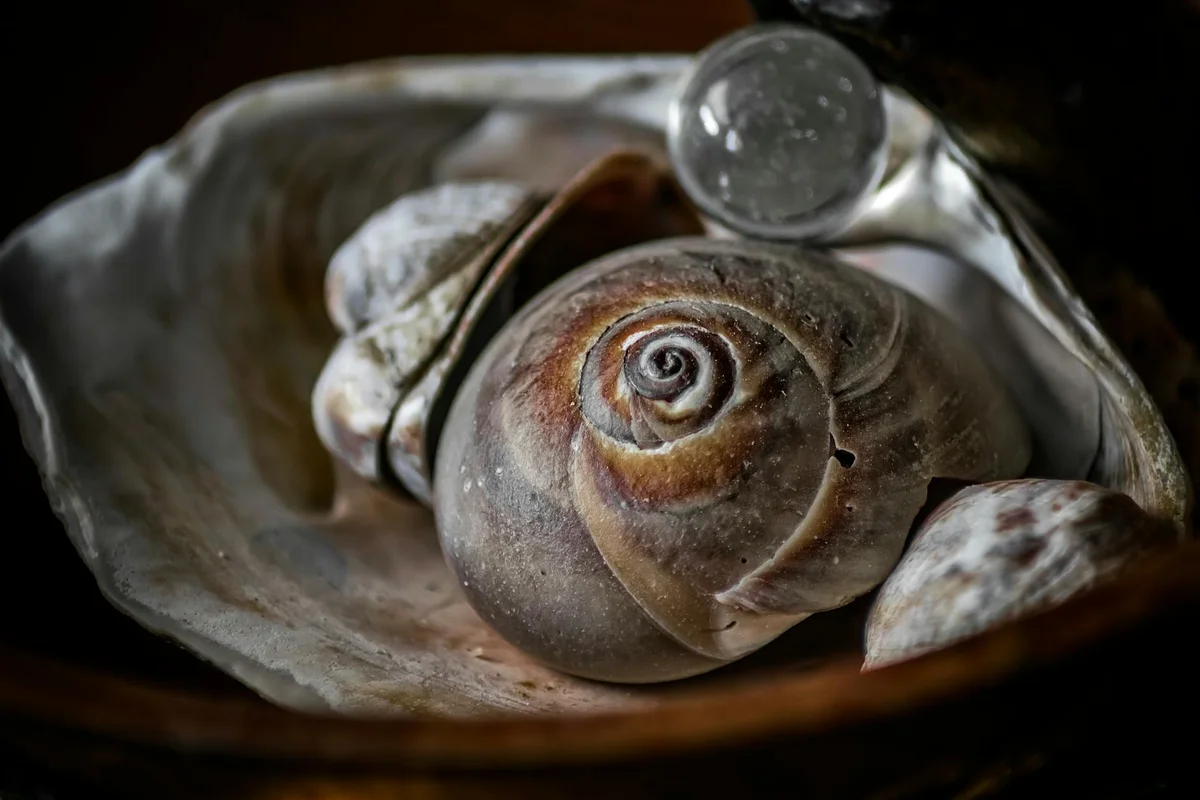
Finding a crab in a damaged shell always makes my heart sink a little. Small cracks and chips can often be safely repaired at home, saving your crab the stress of an immediate, forced move. I’ve done this successfully for my assertive crab, Zeus, who refused to leave his favorite, slightly chipped shell.
Safe DIY Repair for Minor Damage
This method is only for shells that are still structurally sound and have minor damage. Never try to repair a shell that is split in half or has large pieces missing.
- Thoroughly clean and boil the shell for at least 10 minutes to sterilize it. Let it dry completely.
- Mix a small amount of two-part, aquarium-safe epoxy putty. You must use a product labeled as safe for aquatic life after it cures.
- Knead the putty until it’s a uniform color and press it firmly into the crack or over the chip from the inside of the shell. Smooth it out with a damp finger.
- Allow the shell to cure fully according to the product’s instructions, usually for 24-48 hours.
- Rinse the shell well and offer it back to your crab alongside other clean, preferred options.
Materials You Will Need
- Aquarium-safe epoxy putty (like Seachem Reef Glue or equivalent)
- A small bowl for mixing
- Latex or nitrile gloves
- A pot for boiling water
When Zeus chipped the lip of his turbo shell, he became defensive and guarded it fiercely. I repaired it using this exact method, and he continued to wear it happily for another two months before voluntarily upgrading. The repair gave him the security he needed on his own terms.
You must replace a shell instead of repairing it if the damage is severe, creates a sharp edge, or compromises the shell’s core structure. A shell with a large hole or a spiral crack that runs through it is a lost cause and poses a serious risk to your crab’s safety.
Addressing Stuck Shells and Molting-Related Issues
Seeing a crab that seems stuck in its shell is a worrying sight. Often, what looks like a “stuck” crab is actually a crab preparing for a molt, having retracted deeply into its shell for protection. My crab Athena did this, and my initial panic was unnecessary.
When a Molt Causes a “Stuck” Feeling
Before a molt, a crab’s body softens and swells slightly, making its current shell feel tighter. They will also dig down and become inactive. Disturbing a crab during this pre-molt period is extremely dangerous. If your crab is buried or has been hiding, assume it is molting and do not interfere.
How to Gently Assist a Crab
Only attempt this if your crab is above ground, clearly distressed, and not pre-molt.
- Prepare a shallow, lukewarm bath of dechlorinated freshwater or marine saltwater that matches your tank’s salinity.
- Gently place your crab and its shell into the water, just deep enough to cover the bottom of the shell.
- Allow it to sit for 5-10 minutes. The hydration can help soften the crab’s abdomen and make movement easier.
- After the bath, place the crab in a quiet, dimly lit isolation tank with several ideal, empty shells and a shallow water dish. Leave it completely alone.
The key is to provide the tools for success—humidity, hydration, and options—and then let the crab solve the problem itself. Forcing a crab out of its shell will cause severe injury or death. For beginners, follow the hermit crab handling dos and don’ts. Always support the crab from beneath and never pull or twist it from its shell.
The Role of Humidity and Hydration
Proper humidity is non-negotiable for easy shell changes. Maintaining a habitat humidity between 70% and 80% prevents your crab’s abdomen from drying out and sticking to the shell’s interior. Humidity plays a vital role in the overall health and molting process of hermit crabs. I keep a digital hygrometer in my tank to monitor this constantly. A deep, accessible pool of both fresh and salt water is also critical, as crabs soak up water to help regulate their body moisture and weight for a smooth shell transition.
Signs of an Impacted or “Glued” Shell
Sometimes, substrate can get packed into the shell’s opening. My crab Poseidon, who loves to dig, once got a small amount of sand mixed with molting fluid caked near his shell’s aperture.
- You may see a visible clump of substrate blocking the entrance.
- The crab may be partially out but unable to retract fully.
- It might repeatedly try to enter the shell but seem blocked.
In these rare cases, you can use a toothpick or tweezers to very, very carefully pick away at the debris. Any movement must be minimal and away from the crab’s soft body. If you are not confident, the safer option is the warm bath method to see if the crab can loosen the material itself.
Preventing Shell Problems with Proper Care and Environment
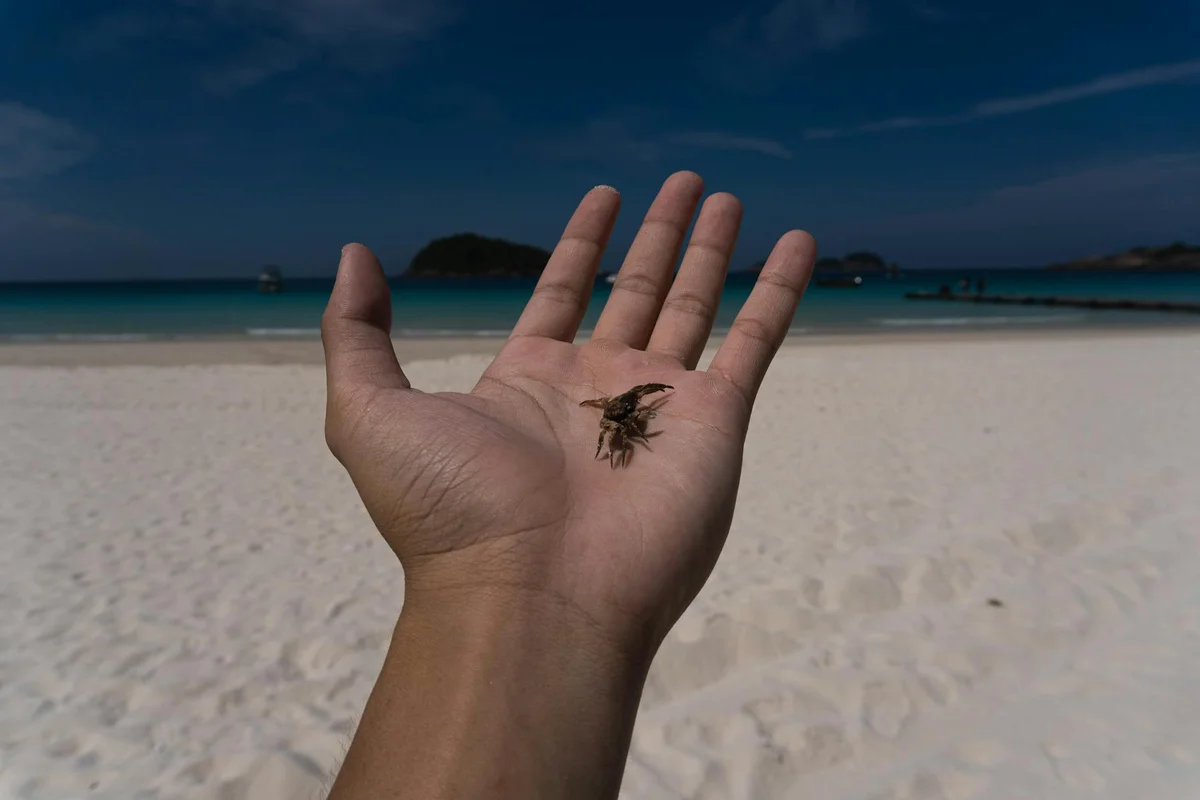
Creating the right home environment is the single most effective way to prevent shell issues before they start. My crabs, especially Apollo, have shown me that a stable, enriching habitat is the foundation of good shell health. When their basic needs are met, they are less stressed and more likely to engage in natural behaviors like timely shell changes. To translate this into everyday care, create a hermit crab friendly environment at home by ensuring a spacious, secure enclosure with proper humidity, safe substrates, and ample hiding spots. A well-planned habitat supports long-term shell health and reduces stress-driven issues.
Ideal Tank Conditions to Support Shell Health
Your tank setup directly impacts your crab’s shell. Get these fundamentals right, and you’ll avoid a host of problems.
- Humidity between 70-80%: This prevents the delicate inner membrane of their shell from drying out. I use a glass lid on my tank to maintain this.
- Temperature gradients from 75-85°F: A heat lamp on one side allows crabs like Apollo to thermoregulate, which supports overall health and a strong exoskeleton.
- Deep, moist substrate: A sand and coconut fiber mix, deep enough for your largest crab to bury itself completely, is non-negotiable. This allows for safe molting and helps maintain humidity. Poseidon loves to dig and rehydrate in the moist lower layers.
- Salt and freshwater pools: Both must be deep enough for your biggest crab to submerge its shell. They use these to regulate their shell water and manage salinity.
Calcium Supplementation Options for Strong Shells
Calcium is the building block of a healthy exoskeleton and a strong shell. I always provide multiple calcium sources so my crabs can self-regulate their intake based on their needs. Calcium is essential for shell health, ongoing shell strength, and healthy growth, and it supports molt cycles and repair to keep hermit crabs thriving.
- Cuttlebone: This is a staple in my tank. You can find it in the bird aisle. Just break off a piece and place it in the enclosure.
- Crushed Oyster Shell: I sprinkle this on their food and also keep a small dish of it available.
- Calcium Powder: A light dusting on their favorite foods, like dried shrimp, ensures they get a concentrated dose.
- Natural Sources: Crushed, sterilized eggshells are a great, free option. I also offer small pieces of natural sea sponge.
Maintaining a Variety of Empty Shell Choices
A good shell shop is not a luxury; it’s a necessity. Hermes taught me the importance of variety when he repeatedly passed over round openings for more oval ones. Without options, a crab may stay in a damaged or too-small shell. Scientists have shown that shell choice hinges on size, weight, and opening shape. The science behind hermit crab shell selection explains why variety matters.
- Offer shells in a range of sizes, slightly larger than their current one.
- Provide different shell types and opening shapes (round, D-shaped, oval).
- Ensure all shells are natural, untreated, and thoroughly cleaned and boiled before introduction.
- Place the shell shop in an easy-to-access, open area of the tank.
How Regular Cleaning Prevents Mold and Mites
A clean tank is a healthy tank. Spot-cleaning waste and old food daily prevents the mold and bacterial growth that can lead to serious conditions like shell rot. I do a full deep-clean of the substrate every few months, but the daily tidying is what makes the biggest difference for my crew’s wellbeing.
Knowing When to Intervene or Seek Expert Help
While we want to let nature take its course, there are times when our crabs need our help. Learning to read the subtle and not-so-subtle signs of distress is a critical part of responsible crab ownership. If you spot signs of stress, assess the habitat and make quick, gentle adjustments. If stress persists, seek guidance from a seasoned crab keeper on what steps to take.
Identify Red Flags Like Persistent Shell Refusal or Injury
If you notice any of the following, it’s time to pay close attention.
- A crab remains naked for more than a few hours, looking stressed and exposed.
- You see visible damage to their body, like a limp or a missing limb.
- Your crab, like Zeus, is aggressively attacking others for their shells.
- A foul odor is coming from the shell, which can indicate a bacterial infection.
When Shell Problems Signal Broader Health Issues
Shell issues are often a symptom, not the cause. A crab refusing to change shells might be suffering from mites, a fungal infection, or general weakness from a poor diet. Look at the whole picture-their activity level, appetite, and the condition of their tank mates.
Suggest Consulting a Vet for Severe Cases Like Shell Rot
For problems beyond surface-level, professional help is needed. If you suspect shell rot-a condition where the shell itself is degrading-or a severe bacterial infection, please consult an exotic veterinarian. They can provide targeted treatments that are safe for your crab. Do not attempt to use over-the-counter medications not designed for crustaceans.
Emphasize Animal Welfare and Avoiding Unnecessary Handling
Our desire to help can sometimes cause more stress. I handle my crabs as little as possible, especially during a vulnerable time like a shell change. If you must move a naked crab, gently coax it into a container instead of picking it up with your hands. Always prioritize their safety and comfort over our curiosity. For those seeking to help hermit crabs during shell changes, this safe-handling assistance guide offers practical steps.
FAQs
How can I prevent shell fighting among my hermit crabs?
Provide a wide variety of clean, properly fitting shells in multiple sizes and styles to reduce competition. Ensure your habitat has ample space, hiding spots, and resources to minimize stress and aggression.
What is the best way to clean shells before offering them to my hermit crab?
Boil shells in dechlorinated water for at least 10 minutes to sterilize and remove any bacteria or debris. Always allow the shells to cool and dry completely before placing them in the tank to avoid introducing contaminants.
How do I know if a shell is too heavy for my hermit crab?
Watch for signs like your crab struggling to walk, dragging the shell, or avoiding activities like climbing. If the shell appears to cause imbalance or fatigue, offer lighter alternatives to ensure easy mobility. These observations help you distinguish between healthy behavior and signs of illness in hermit crabs. Recognizing key signs of illness early lets you adjust care or seek expert advice.
Your Role in Shell Health
Ultimately, your consistent observation and willingness to provide a diverse shell shop are the most powerful tools for preventing shell-related stress. By watching for signs of a bad fit and acting quickly, you create an environment where your crab can thrive and feel secure enough to grow. You are fully equipped to handle any shell problem that comes your way. Understanding the science behind shell selection helps you choose the perfect match for your crab.
Further Reading & Sources
- Hermit crab – Wikipedia
- Preferred Shell Guide – HCA: Hermit Crab Association
- Hermit Crab Shell Guide on Shell Types and Buying Shells – @happyhermitcare on Tumblr
The Crab Central is your ultimate resource for hermit crab enthusiasts, providing expert advice and practical tips to ensure the health and happiness of your shelled companions. With years of experience in crustacean care, we are dedicated to offering accurate, up-to-date information to support your hermit crab journey. Our mission is to foster a community of responsible hermit crab owners who are passionate about the well-being of these fascinating creatures.
Common Health Issues