Hermit Crab Digestion and Nutrition Explained
Published on: November 23, 2025 | Last Updated: November 23, 2025
Written By: The Crab Guru
Have you ever watched your hermit crab eat and wondered what happens to that food once it disappears into their shell?
After caring for my five crabs for years, I’ve learned how their unique digestive system works and what truly fuels their health.
Providing a source of calcium, like cuttlebone, is non-negotiable for their exoskeleton and digestion.
We’ll explore their fascinating digestive anatomy, break down their ideal nutritional needs, and share practical feeding strategies for a thriving crab.
Hermit Crab Digestive System Anatomy and Function
Watching my crabs, Hermes and Apollo, meticulously pick apart a piece of shrimp, I’m always amazed at the complex internal machinery at work. Their digestive system is a finely tuned processing plant, designed to extract every bit of nutrition from their diverse diet. It all starts when they use their smaller pincer to pass food to their maxillipeds, which shred it before it enters the mouth.
The journey of hermit crab digestion involves several key stations, each with a vital role.
- Foregut: This is the entry point. It includes the esophagus and the stomach. Food arrives here first.
- Gastric Mill: Located within the foregut, this is their “teeth.” It’s a specialized, muscular part of the stomach containing three hardened plates that grind food into a pulp.
- Midgut: This is where the main event happens. The majority of digestion and nutrient absorption occurs here.
- Hepatopancreas: This large, crucial organ connects to the midgut. It acts as both a liver and a pancreas, producing digestive enzymes and storing nutrients.
- Hindgut: The final stage. This is where water is reabsorbed from the waste and where the final fecal matter is formed for excretion.
The entire process relies on powerful enzymes. Once food is ground by the gastric mill, enzymes from the hepatopancreas flood the midgut, breaking down proteins, fats, and complex carbohydrates into simple, absorbable molecules. These nutrients pass through the gut lining into the hemolymph (their blood) to fuel their bodies. Anything left over moves to the hindgut and is expelled as waste, which you’ll often see as little coils in the tank.
What Is the Role of the Gastric Mill?
My crab Zeus is a messy eater, often dropping large chunks. I don’t worry because I know his gastric mill has it covered. The gastric mill is absolutely essential because hermit crabs do not have teeth in their mouths to chew. Those three dark, chitinous ridges in their stomach constantly churn and mash food against each other.
This physical grinding is the first critical step of digestion. By pulverizing their food, the gastric mill dramatically increases the surface area, allowing digestive enzymes to work much more efficiently. Without this thorough grinding, many nutrients would pass right through their system undigested, leading to malnutrition even if you’re offering high-quality foods.
How Does the Hepatopancreas Support Digestion?
Think of the hepatopancreas as the ultimate multi-tool. This single organ is a powerhouse, performing the combined jobs of our liver and pancreas. It’s the yellow-greenish substance you see when a crab is out of its shell, and its health is a direct indicator of the crab’s overall nutrition.
I always judge the quality of my crabs’ diet by the color and size of this organ during a shell change. The hepatopancreas produces and secretes a full suite of digestive enzymes into the midgut to break down proteins, lipids, and carbohydrates. Beyond that, it’s central to lipid metabolism, converting and storing fats for energy, especially in preparation for a molt. It also stores vital nutrients like glycogen and calcium, releasing them as needed for shell growth and energy.
Essential Nutrients for Hermit Crab Health
Feeding my five crabs is like managing a tiny, specialized restaurant. A balanced diet isn’t just about what they eat, but how their bodies use each specific nutrient for growth, energy, and survival. Getting this right means watching them thrive through multiple successful molts.
- Protein Metabolism: Hermit crabs are scavengers and need animal-based protein for growth and repairing tissue. Their bodies break it down into amino acids to build muscle and other critical structures.
- Lipid Metabolism: Fats and oils are their primary long-term energy source. The hepatopancreas is key here, storing lipids to fuel them through the energy-intensive molting process when they stop eating.
- Carbohydrate Digestion: While not their main energy source, complex carbs from vegetables and grains provide steady energy and fiber, which aids in gut movement.
- Calcium Absorption: This is non-negotiable. Calcium is directly absorbed from food to build a strong exoskeleton and is drawn from stores in the hepatopancreas to harden a new shell after molting.
Vitamins and minerals work behind the scenes. Beta-carotene (from red foods like peppers) is vital for exoskeleton color, while chitin from sources like shrimp exoskeletons provides the building blocks for their own new shell. Key minerals like magnesium and potassium support nerve function and osmotic balance, preventing fatal swelling during the molting cycle.
| Nutrient | Excellent Sources | Primary Function | Signs of Deficiency |
|---|---|---|---|
| Calcium | Cuttlebone, crushed eggshell, oyster shell | Exoskeleton formation, muscle function | Soft exoskeleton, failed molts, deformities |
| Protein | Mealworms, shrimp, fish flakes, bloodworms | Tissue growth and repair, energy | Lethargy, slow growth, poor molt recovery |
| Carotenoids | Paprika, carrot, crab and shrimp shells | Exoskeleton pigmentation (vibrant colors) | Faded, dull exoskeleton color |
| Chitin | Shrimp, crickets, shed insect exoskeletons | Building block for new exoskeleton | Weak new exoskeleton after molting |
Why Is Calcium Critical for Shell Exchange and Molting?
I learned the importance of calcium the hard way with my first crab, who had a difficult molt. Calcium is the single most important mineral for a hermit crab because its entire structural integrity depends on it. Before a molt, they store massive amounts of calcium in their hepatopancreas.
When they emerge from their old exoskeleton, their new shell is soft and incredibly vulnerable. They immediately begin to absorb water to expand their new body size and then pull the stored calcium from their hepatopancreas to begin hardening the new exoskeleton. This process, called calcification, is what prevents them from being fatally injured. Without sufficient calcium reserves, the new shell remains soft, leading to deformities or death.
How Do Proteins and Lipids Fuel Hermit Crabs?
I make sure Apollo and Poseidon get plenty of these, especially if I suspect a molt is coming. Proteins are the building blocks for all new tissue growth, making them fundamental for a successful molt and overall size increase. After shedding their old exoskeleton, a crab’s body is actively building new muscle, skin, and internal organs; it needs a huge supply of amino acids from protein to do this.
Lipids are the fuel tank. Fats provide a dense, long-lasting energy source that powers the incredibly demanding physical process of molting. Since hermit crabs stop eating for weeks before and after a molt, they rely entirely on the lipid reserves built up in their hepatopancreas. A crab with poor fat stores will lack the energy to complete the molt and harden its new shell.
Impact of Molting on Digestion and Nutritional Demands
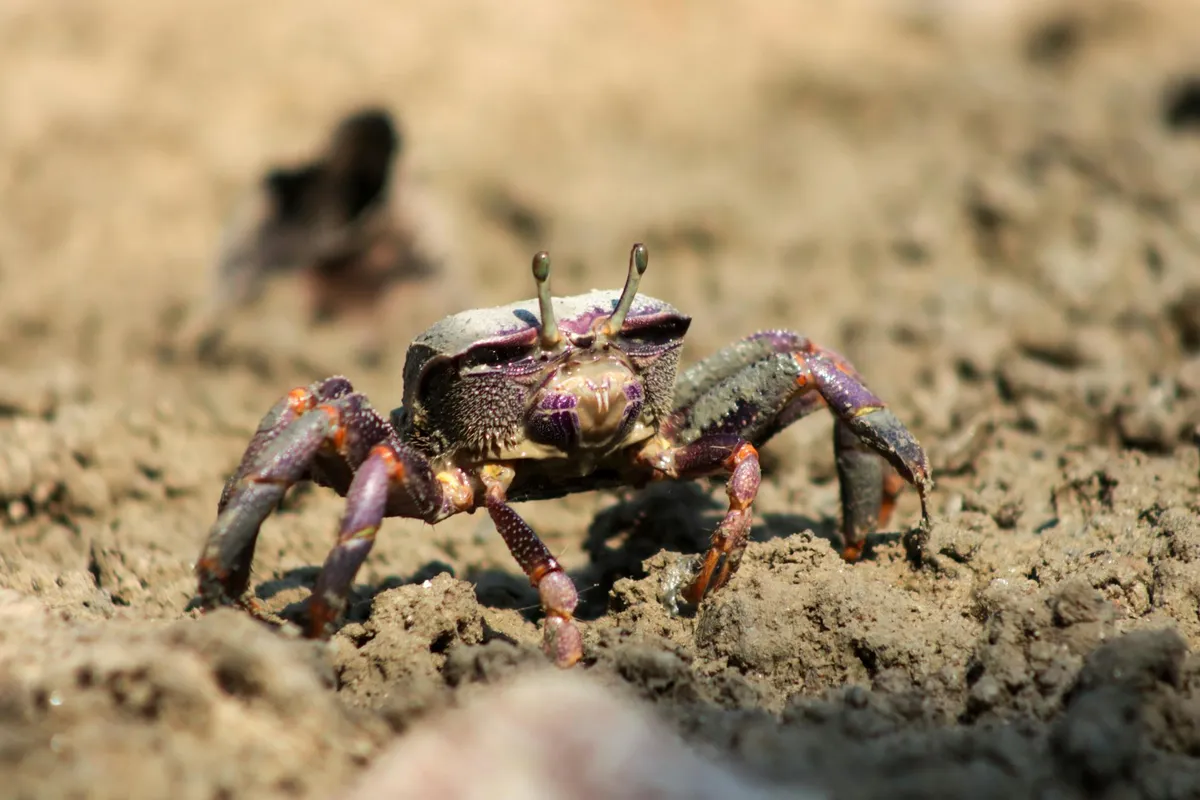
Molting is the most physically demanding process a hermit crab will ever go through. Their entire exoskeleton, including the linings of their stomach and gills, is shed and rebuilt from scratch. This incredible biological feat dramatically alters their digestive efficiency and skyrockets their need for specific building-block nutrients. A proper humidity level is essential during molt to prevent dehydration and support successful shedding. Improper humidity can contribute to failed molts and health complications.
In the weeks leading up to a molt, their digestive system begins to slow down. You might notice your crab eating less or becoming less active as their body prepares for the big event. Their metabolism is redirecting energy away from daily activities and towards storing resources for the molt itself. After the molt, their new exoskeleton is soft and papery, requiring a massive influx of calcium and protein to harden it and make them safe again.
Steps for Adjusting Diet Pre-Molt and Post-Molt
Based on caring for my five crabs through many successful molts, I’ve fine-tuned their diet to support them every step of the way.
- Pre-Molt (The Preparation Phase): When I notice a crab digging excessively or hiding more, I ramp up their protein and calcium intake. I offer more dried shrimp, bloodworms, and a constant supply of cuttlebone. This is their body’s last chance to stockpile nutrients.
- During the Molt (Isolation): Once a crab has buried itself, do not disturb it. They are not eating at this stage. Their survival depends entirely on the reserves they built up beforehand. Ensure the substrate is deep and slightly damp to prevent a collapse.
- Post-Molt (The Recovery Phase): When your crab resurfaces, it will be ravenous. Its new shell is incredibly vulnerable. Immediately provide a “powerhouse plate” loaded with calcium and protein. I always have a mix of crushed eggshell, organic honey, and high-quality fish food ready for my crabs like Apollo and Zeus when they emerge.
Signs of Molting Stress Related to Nutrition
Sometimes, a lack of proper nutrition can make the molting process visibly stressful. Keep a watchful eye for these signals.
- A significant and prolonged reduction in eating before a molt.
- Unusual lethargy or a failure to bury themselves completely.
- A very long surface molt, which is dangerous for them.
- A crab that emerges but seems weak or struggles to harden its exoskeleton.
These signs often point to a nutritional deficit that left them unprepared for the immense energy required to molt safely.
What Dietary Changes Are Needed During Molting?
The core of a molting diet revolves around two critical components: calcium for the new exoskeleton and protein for new tissue growth.
- Calcium-Rich Foods: Cuttlebone is an absolute must-have, left in the tank at all times. I also offer crushed oyster shell, organic eggshells washed and baked, and spinach.
- Protein-Rich Foods: I rely on single-source proteins like dried shrimp, bloodworms, and plain cooked chicken. My crab Poseidon, in particular, devours shrimp right after a molt, and his new shell hardens beautifully. Avoid any seasoned or processed meats.
Best Feeding Practices for Optimal Digestion in Captivity
Getting your hermit crab’s diet right is the single most important thing you can do for their long-term health. In my years of caring for my crew-Hermes, Apollo, Athena, Zeus, and Poseidon-I’ve learned that a varied, thoughtful diet prevents most common digestive and shell issues before they even start. A boring, repetitive diet is a fast track to nutritional deficiencies and a sluggish digestive system.
How Often Should You Feed Your Hermit Crab?
I feed my crabs a small amount of food every single evening. They are primarily nocturnal, so this mimics their natural foraging rhythm. According to a hermit crab care guide, keep portions small and adjust feeding frequency based on how quickly they finish it. Providing fresh food at dusk ensures it’s available when they are most active and hungry.
Portion control is critical. I offer only what my small colony can finish overnight. In the morning, I check the dish and remove any uneaten food to prevent mold and bacteria growth, which can seriously upset their delicate gut flora.
Here is a sample schedule that works well for my tank:
| Time | Activity |
|---|---|
| 7:00 PM | Offer a small, varied dinner. A teaspoon-sized portion per crab is a good start. |
| 8:00 AM | Check the food dish. Remove any leftovers and clean the dish with dechlorinated water. |
| Once Weekly | Provide a special treat, like a piece of organic fruit or a protein-rich snack. |
What Foods Support Gut Microbiota and Digestive Health?
A healthy hermit crab gut is teeming with beneficial bacteria and enzymes that break down their food. You can directly support this internal ecosystem by offering foods that act as prebiotics and provide natural enzymes. These items include some safe human foods that are beneficial for hermit crabs. My crab Apollo, for instance, becomes far more active when I include these items regularly.
Focus on these gut-friendly food groups:
- Leaf Litter and Decaying Wood: This might sound unappetizing to us, but it’s a gourmet feast for their microbiota. I always have a piece of safe, untreated oak or magnolia leaf in the tank for them to graze on.
- Chitin-Rich Foods: The exoskeletons of insects and crustaceans are a fantastic source of chitin. It’s a prebiotic fiber and provides the building blocks for their own exoskeletons. I often offer dried shrimp or mealworms.
- Natural Sea Sponges: I keep a sea sponge in their freshwater pool at all times. They nibble on it constantly, and it’s a brilliant source of minerals and helps keep them hydrated, which is vital for digestion.
- Fermented Foods: A tiny bit of plain, unsweetened yogurt or kefir once a month can introduce beneficial probiotics.
My Personal Tips for Meal Prep and Electrolyte Balance
I prepare my crabs’ food in small batches and keep it simple. I never use any seasonings, oils, or salts—their bodies cannot process them. I focus on raw, organic options whenever possible to avoid pesticides. Choosing organic reduces pesticide exposure and supports healthier shells and digestion for hermit crabs. Organic, minimally processed options also align with their natural diet.
For electrolytes, which are crucial for nerve function and hydration, I rely on two things: a high-quality marine salt mix for their saltwater pool and natural foods. Coconut water (a few drops on their food), natural sea sponges, and a cuttlebone always available for calcium provide a perfect, natural electrolyte balance. I see Poseidon, my water-lover, soaking up these benefits the most.
Here is a quick list of safe, diverse foods I rotate through:
- Proteins: Unsalted nuts, dried shrimp, bloodworms, plain cooked chicken or fish, organic peanut butter.
- Fruits: Mango, papaya, banana, apple, coconut, berries (all fresh or freeze-dried).
- Vegetables: Sweet potato, carrot, spinach, peas, corn (all cooked to soften).
- Other: Unsweetened cereal grains, oats, cuttlebone, leaf litter.
Common Digestive Problems and Solutions
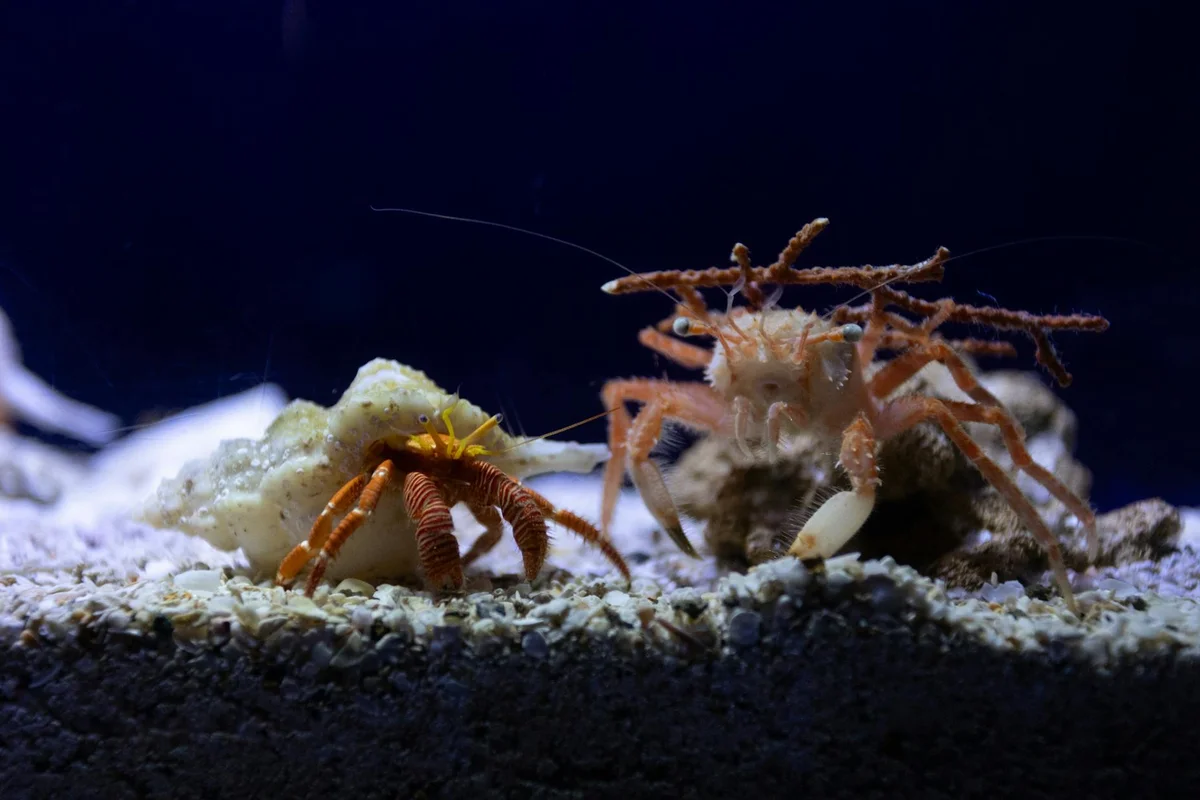
Watching my own crabs over the years, I’ve learned that their digestive health is a window into their overall well-being. Spotting the early signs of a problem can make all the difference in a successful recovery.
Identifying Digestive Issues
You need to become a bit of a detective. Look for these clues that something is off:
- Impaction: This is a serious blockage in the gut. You might see sand or substrate in their waste, or they may stop producing waste altogether. The crab will often become very lethargic and may not eat.
- Poor Nutrient Absorption: Your crab might be eating but not thriving. Signs include a general lack of energy, a thin or shriveled-looking abdomen, and a failure to grow or molt successfully.
Causes and My Go-To Solutions
Most digestive troubles stem from a few key areas. Here’s what I’ve found works based on caring for my own crew.
- Cause: Improper Diet (Too much processed food, lack of fiber).
My Solution: I immediately cut back on commercial pellets and introduce more natural foods. Leaf litter (like oak or magnolia) is a fantastic source of fiber and tannins that aid digestion. I also offer small pieces of raw, organic sweet potato and carrot. - Cause: Lack of Calcium.
My Solution: Calcium is non-negotiable. Without it, their gut muscles can’t function properly to move food along. I always keep a cuttlebone in the tank, and I crush eggshells into a fine powder to sprinkle over their food twice a week. - Cause: Dehydration or Wrong Water.
My Solution: Hermit crabs drink and soak to keep their internal organs hydrated. I provide both fresh and saltwater pools deep enough for them to submerge their entire shell. I use a water conditioner to remove chlorine, as it can harm their delicate systems.
Steps for Addressing Problems
When I notice a crab is unwell, I follow this action plan.
- Dietary Adjustment: I remove all old food and offer a simple, easy-to-digest meal. My go-to is a bit of pureed pumpkin (not pie filling) and crushed cuttlebone.
- Habitat Check: I test the substrate with my hands. Is it damp enough to hold a tunnel? I check the humidity levels and adjust if needed. I also ensure the temperature is consistently warm, around 75-85°F, as cold slows their metabolism.
- Monitor Closely: I keep a close eye on the crab’s activity and check for fresh waste. Improvement can take a few days, so patience is key.
How to Spot and Address Digestive Distress
Beyond the general signs, there are specific behaviors that scream “digestive trouble.”
- Behavioral Indicators: A crab that stays buried for weeks without molting, one that is unusually still and doesn’t retract into its shell when approached, or a crab that hangs partially out of its shell for long periods.
- Physical Indicators: A foul smell coming from the crab or the tank, a discolored abdomen (it should be a rich, fleshy tone), or visible undigested food in their waste.
If you see these red flags, your immediate care is critical. Isolate the sick crab in a separate, clean tank (a hospital tank) with ideal conditions to reduce stress and prevent the spread of any potential illness. Offer honey-water on a cotton swab for a quick energy boost and antibacterial properties. Most importantly, do not force-feed or handle the crab excessively. Sometimes, providing a perfect, stress-free environment is the best medicine you can give. This is part of a step-by-step quarantine guide for treating a sick hermit crab. Follow the rest of the guide for daily checks and safe progression toward recovery.
Species-Specific Nutritional Needs in Hermit Crabs
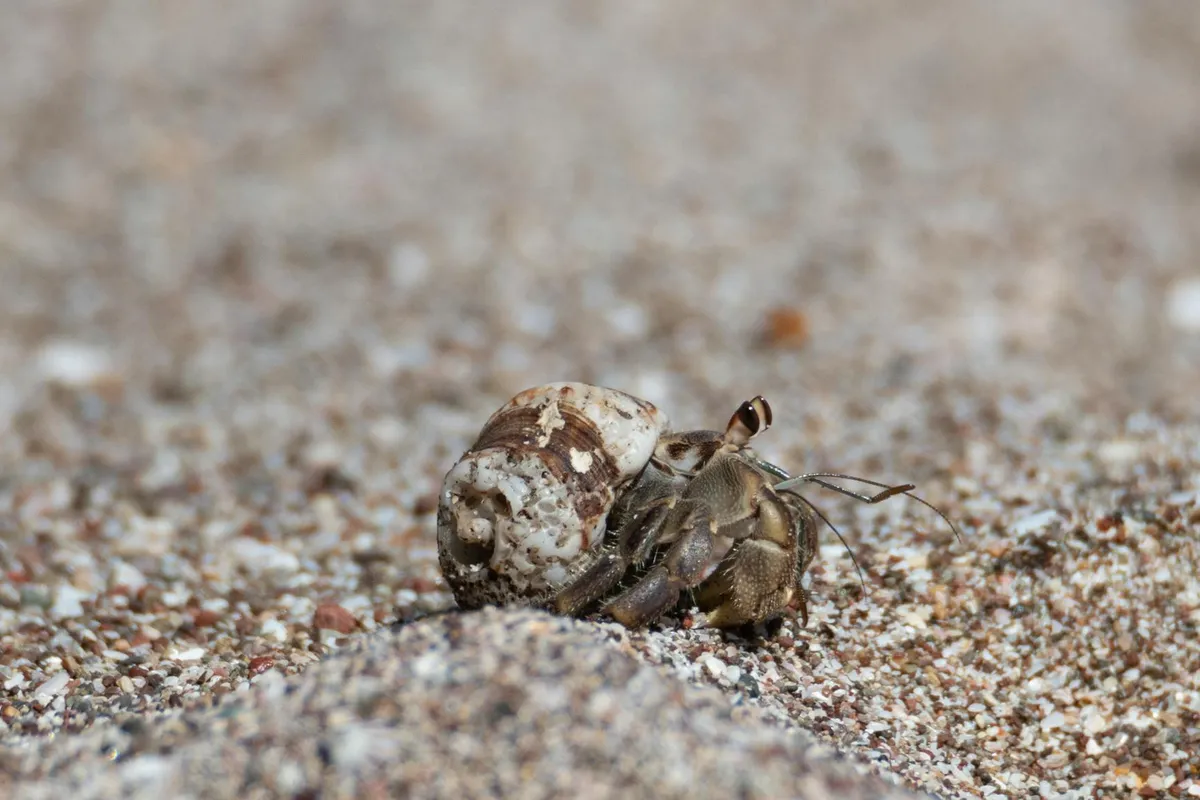
Just like dogs and cats have different breed requirements, hermit crab species have distinct nutritional needs. What keeps my Caribbean crab thriving is not the same formula that my Ecuadorian crab craves. Choosing the right hermit crab species for your experience level matters. If you’re new to keeping hermit crabs, start with a hardy, easy-care species and build your confidence before expanding. Through years of caring for a mixed-species tank, I’ve seen these differences firsthand and adjusted their meals accordingly.
How Do Dietary Needs Vary by Species?
Let’s break it down by the species I live with. Their natural habitats and instincts dictate what they need to find on their food plate.
- Caribbean Hermit Crabs (like Hermes, Zeus, and Poseidon): These crabs are often high-energy climbers and explorers. Hermes is a perfect example, constantly on the move. For this activity level, they need more animal-based protein. I offer them small bits of dried shrimp or mealworms several times a week. Without that extra protein, I notice their energy dips and they become less interactive.
- Ecuadorian Hermit Crabs (like Apollo): My crab Apollo is a shell-swapping enthusiast. He is constantly trying on new homes. This behavior demands a huge amount of calcium to build and strengthen his exoskeleton. His diet is always heavy on cuttlebone, crushed oyster shell, and organic eggshell. I always make sure a piece of cuttlebone is available in his enclosure, as he grazes on it almost daily.
- Strawberry Hermit Crabs (like Athena): Athena is my calm, older crab. Strawberries are known to be more prone to weight gain and are less active. Her diet is primarily leafy greens, flowers, and fruits like papaya and mango. I am very careful with high-sugar fruits, offering them only as a rare treat. For a sedentary crab like Athena, a plant-heavy diet helps maintain a healthy weight and supports her slower metabolism.
Age and individual behavior further fine-tune these needs. My older crab, Zeus, is assertive and dominant at the food bowl. He will push others away to get to the protein, so I often scatter food to ensure everyone gets a fair share. Meanwhile, my younger crab, Poseidon, spends his time digging. This digging behavior tells me he might be seeking out minerals or moisture from the substrate, so I ensure his diet is rich in those elements. Watching your crabs’ unique habits is the best guide to perfecting their nutrition.
FAQs
Can hermit crabs eat fruits and vegetables every day?
While fruits and vegetables provide essential vitamins and fiber, they should not be the sole daily diet due to potential sugar imbalances and inadequate protein. Instead, offer them as part of a varied rotation with protein and calcium sources to support overall digestive health.
What are the signs of a healthy digestive system in hermit crabs?
A healthy hermit crab will show consistent appetite, produce regular and coiled waste, and remain active and alert. These behaviors indicate efficient nutrient absorption and proper gut function without signs of lethargy or distress. These are the key signs to watch for when determining if a hermit crab is healthy or sick.
How does the environment affect hermit crab digestion?
Proper temperature and humidity are critical, as they regulate metabolic rates and enzyme efficiency for breaking down food. Inadequate conditions can slow digestion, increasing the risk of impaction or nutrient deficiencies.
In Closing
Ultimately, a thriving hermit crab is built from the inside out with a carefully considered diet. By providing a variety of proteins, calcium, fruits, and vegetables, you directly support their complex digestive process and fuel their natural behaviors. Your thoughtful approach to their nutrition is the single greatest factor in ensuring a long, active, and healthy life for your shelled companions. Find the full details in our complete hermit crab diet feeding guide. It covers portions, feeding frequency, and safe food choices.
Further Reading & Sources
- Kali SHarai’s Land Hermit Crabs
- Hermit Crab Paradise » Crab Care » Nutrition » Food
- What Do Hermit Crabs Eat?
The Crab Central is your ultimate resource for hermit crab enthusiasts, providing expert advice and practical tips to ensure the health and happiness of your shelled companions. With years of experience in crustacean care, we are dedicated to offering accurate, up-to-date information to support your hermit crab journey. Our mission is to foster a community of responsible hermit crab owners who are passionate about the well-being of these fascinating creatures.
Types of Food