What Do Hermit Crabs Eat and How Often to Feed Them
Published on: December 12, 2025 | Last Updated: December 12, 2025
Written By: The Crab Guru
Getting your hermit crab’s diet right is one of the most important parts of keeping them healthy and active.
After caring for my five crabs for years, I’ll share the specific foods and routines that have kept them thriving.
Offer a varied menu of fresh and dry foods to mimic their natural foraging.
We will explore safe food lists, how to set up a feeding schedule, and portion sizes for a happy crab.
The Core Components of a Hermit Crab Diet
Feeding your hermit crab is so much more than just dropping a pellet into the tank. I learned through trial and error that a balanced diet built on three core food groups is what keeps my crew healthy and active. These groups are proteins, fruits and vegetables, and calcium. You must provide all three. This approach is the backbone of a complete hermit crab diet feeding guide. In the full guide, you’ll find exact portions, feeding frequencies, and safe options for each group.
- Proteins: This is for growth and energy. Think cooked shrimp, unsalted nuts, mealworms, and plain cooked chicken or fish.
- Fruits & Vegetables: These provide essential vitamins and hydration. My crabs go wild for mango, banana, and sweet potato.
- Calcium: This is non-negotiable for a strong exoskeleton and successful molting. Offer cuttlebone, crushed oyster shell, or organic eggshells daily.
Variety is absolutely critical. Just like us, hermit crabs get bored with the same food every day. I rotate their menu constantly to ensure they get a full spectrum of nutrients and to see what new favorites they might discover.
Safe and Nutritious Foods for Your Hermit Crab
When I first started, I was overwhelmed by what was safe to feed. Over the years, I’ve built a reliable grocery list that my crabs love. Always wash all fresh produce thoroughly to remove any pesticides before serving. Chop everything into tiny, crab-sized pieces to make it easy for them to handle. To keep meals fresh and safe, I portion leftovers into small airtight containers and store them in the fridge, rotating items so nothing spoils. I also label containers with dates to ensure I feed only fresh portions and avoid letting anything go to waste.
Excellent Fresh Fruits and Vegetables
Fresh produce is a staple in my tank. I serve small amounts daily. Athena, my calm Strawberry crab, will actually come out of her shell for a piece of ripe banana.
- Fruits: Mango, papaya, banana, coconut (fresh or unsweetened flakes), apple, berries, and melon.
- Vegetables: Sweet potato (cooked and peeled), carrot, spinach, kale, green beans, peas, and broccoli.
Essential Protein and Calcium Sources
Protein is a huge deal, especially for crabs that are growing or recovering from a molt. My dominant crab, Zeus, will guard a piece of shrimp like it’s his greatest treasure. I offer a protein source every other day.
- Protein Sources: Plain cooked shrimp, bloodworms, mealworms, daphnia, plain cooked chicken or fish, and unsalted peanuts or almonds.
Calcium is the most important supplement in their diet. Without enough calcium, a hermit crab cannot harden its new exoskeleton after molting, which is a death sentence. Adequate calcium is essential for a strong, protective shell. It also supports healthy molts and ongoing shell maintenance. I always keep a piece of cuttlebone in the tank, and I also sprinkle food with crushed eggshell or oyster shell.
- Calcium Sources: Cuttlebone (from the bird aisle), crushed eggshells, crushed oyster shell, and reptile calcium powder (without Vitamin D3).
Foods to Strictly Avoid in a Hermit Crab’s Diet
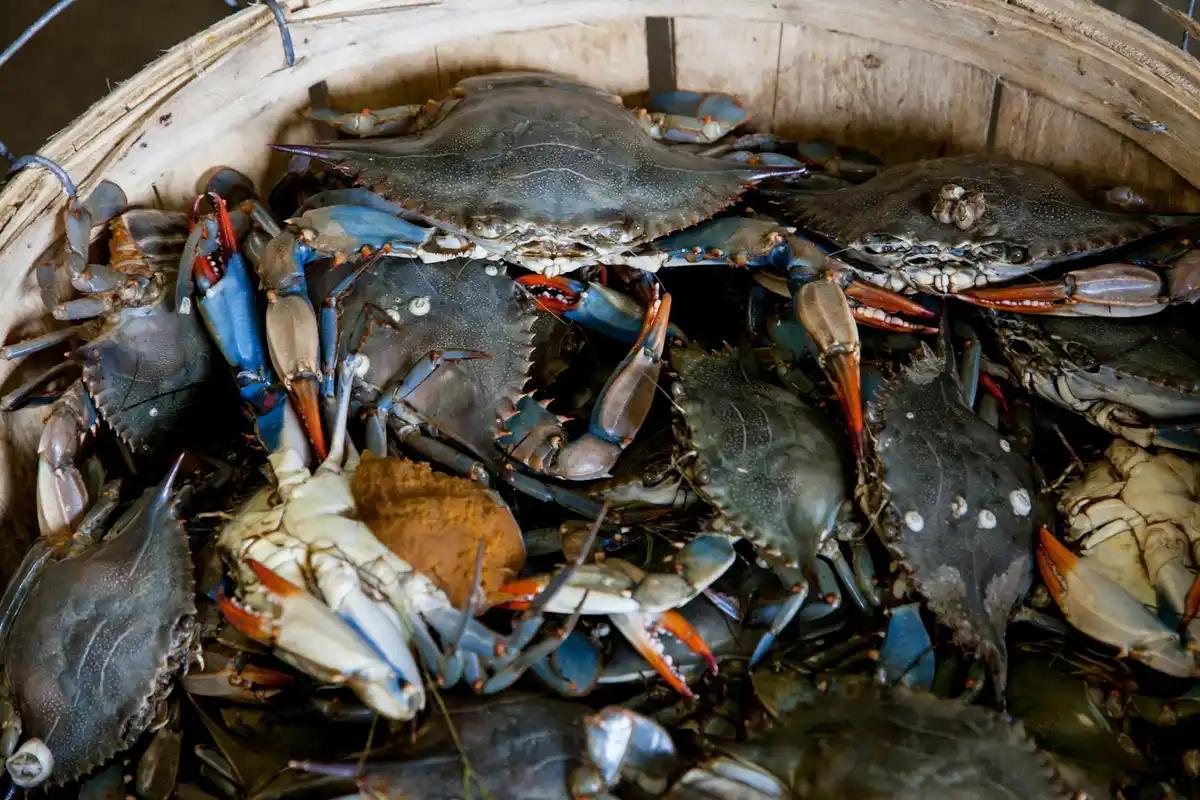
Feeding your hermit crabs is a joy, but their tiny bodies are surprisingly sensitive. I learned this the hard way when one of my first crabs, Hermes, became lethargic after I offered a tiny piece of seasoned food. Their digestive systems are not like ours, and many common human foods are toxic to them. That’s why a complete safety guide on hermit crab foods is essential. In it, you’ll learn which everyday items are safe and which are toxic, and how to prepare meals that keep them healthy.
Here is a non-negotiable list of foods to keep far away from your crabitat.
- Onions, Garlic, and Chives: These alliums contain thiosulfate, which can cause severe anemia by destroying red blood cells. Even a small, hidden piece in other food is risky.
- Citrus Fruits: Oranges, lemons, and limes are far too acidic for a hermit crab’s delicate stomach. This high acidity can cause painful sores and digestive upset.
- Salty or Processed Foods: Chips, pretzels, and canned vegetables are packed with salt. This leads to fatal dehydration as it draws moisture directly from their bodies.
- Dairy Products: Hermit crabs lack the enzymes needed to digest lactose. Cheese, milk, or yogurt will sit in their gut and cause serious blockages and illness.
- Anything with Pesticides: Always wash fruits and vegetables thoroughly. Even trace amounts of pesticides or herbicides can be lethal to a small invertebrate.
- Processed Sugars and Chocolate: Candy, cake, and chocolate offer zero nutritional value and can disrupt their digestive flora. Chocolate contains theobromine, which is poisonous to many animals.
How Often to Feed Your Hermit Crabs
Finding the right feeding rhythm is key to a healthy tank and minimal cleanup. After years of trial and error with my crew, I’ve found that a simple schedule prevents overfeeding and keeps the habitat much cleaner. Their metabolism is slower than you might think.
For my adult crabs like Zeus and Athena, I follow a consistent routine.
- I offer a small, varied meal every second or third day.
- Portions should be tiny, no larger than a crabbie’s claw. This prevents massive food waste from accumulating.
- I always remove any uneaten fresh food within 24 hours to prevent mold and bacteria growth.
You must adjust this schedule for special circumstances. Hatchlings and very small juveniles have faster metabolisms and need a daily pinch of high-protein food to support their rapid growth. A crab that is buried for molting should not be disturbed or fed, as they are in a deeply vulnerable state.
Observing your crabs is the best guide. If they devour everything quickly, you can offer food a little more often. If food is consistently left uneaten, you can space out the feedings further. This ties into hermit crab digestion and nutrition. Studying digestion helps tailor their nutrition.
Preparing and Serving Your Hermit Crab’s Meals
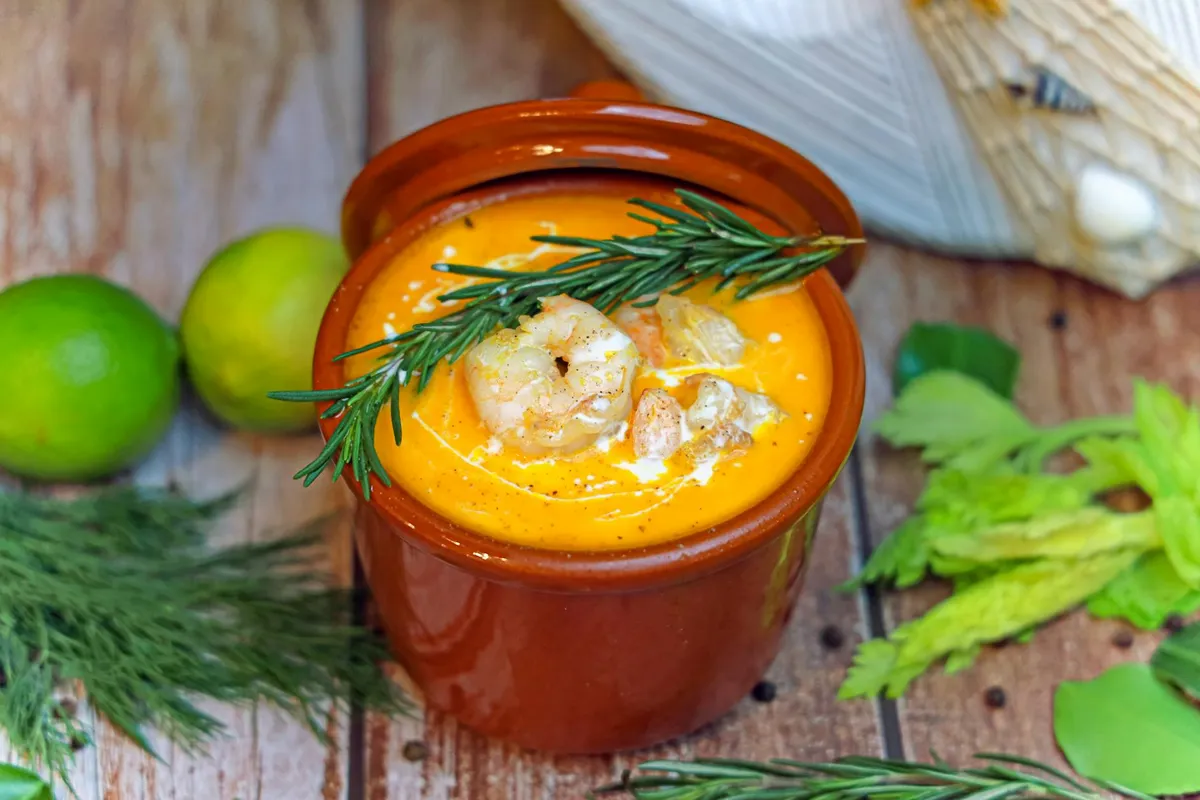
Getting your hermit crab’s dinner ready is a simple but vital ritual. I’ve found that a consistent preparation routine keeps my crabs healthy and excited for mealtime. Here is the simple process I follow every time I feed my crew. I start by setting up a dedicated feeding station with appropriate food and water dishes. Choosing sturdy, shallow dishes helps prevent spills and makes mealtimes easier.
Step-by-Step Meal Prep
- Wash Everything Thoroughly: Just like our food, you must rinse all fresh fruits and vegetables under cool water to remove any pesticides or residues. I always do this, even for organic produce.
- Chop to the Right Size: Pieces should be small enough for your smallest crab to handle easily. I aim for chunks about the size of a pea. This prevents food dragging and makes it less intimidating for them to eat.
- Create a Balanced Mix: Don’t just plop one type of food in the tank. I always combine a protein, a fruit or vegetable, and a complex carbohydrate like a bit of unsalted popcorn or oats in one shallow dish.
- Serve in a Shallow Dish: Use a flat, sturdy dish to keep food from getting lost and contaminated in the substrate. My crab Zeus used to drag his food everywhere until I started using a smooth sea shell as a plate.
The most critical step happens about 24 hours later. You must remove any uneaten fresh food from the tank within a day to prevent dangerous mold growth. I do my tank checks every evening, and scooping out old food is a non-negotiable part of that routine. Mold can make your crab very sick, very quickly.
The Critical Role of Water and Humidity
Food is only half of the nutritional story for hermit crabs. Proper hydration is not a luxury; it is a fundamental requirement for their survival. They need water both to drink and to manage the salinity of their shells.
You must provide two separate water dishes at all times. One dish must hold fresh, dechlorinated water, and the other must hold properly mixed marine saltwater. Do not use table salt. I use a commercial marine salt mix from the pet store for my crabs, like what you’d use for a saltwater aquarium. Ensure it’s safe for hermit crabs before use.
The dishes need to be deep enough for your largest crab to fully submerge itself. My crab Apollo loves to soak in his saltwater pool. To prevent smaller crabs from drowning, I always place a few clean pebbles or a small plastic craft mesh ramp in the dishes so they can climb in and out safely.
Humidity is directly tied to how well your crabs can breathe and process their food. Crabs have modified gills, and without sufficient moisture in the air, they slowly suffocate and cannot metabolize their meals properly. I keep a digital hygrometer in my tank to monitor levels constantly. Your goal is to maintain 70-80% humidity. I achieve this by daily misting with dechlorinated water and using a moisture-holding substrate like coconut fiber. When the humidity drops, I notice my crabs become lethargic and stop eating, which is a clear sign they are stressed. Check out the water and moisture needs for a healthy hermit crab.
Troubleshooting Common Hermit Crab Feeding Problems
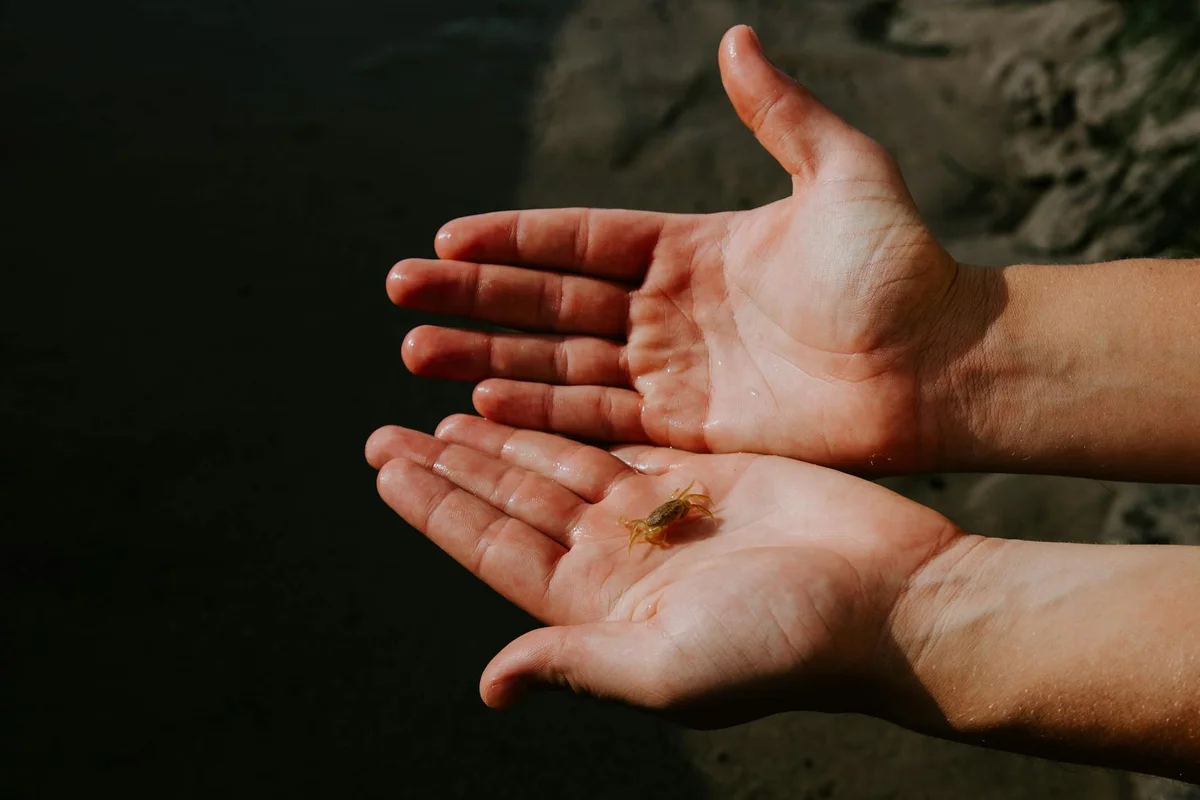
Even with the best diet, you might run into some hiccups. Don’t panic if your crab turns up its nose at a new food; this is a common behavior and usually easy to fix. I’ve seen all of this with my own crew, from Hermes the curious explorer to Zeus the food guard.
When Your Hermit Crab is a Picky Eater
If your crab consistently ignores its food, it’s trying to tell you something. I went through this with Apollo, who once refused to touch his favorite cuttlebone for a week.
- Change the texture. A crab that ignores dry pellets might go crazy for the same food mashed with a bit of fruit juice or saltwater.
- Offer a buffet. Place three or four different food items in small piles. This lets your crab choose what its body needs.
- Check your food’s freshness. Old, stale food loses its smell and appeal. I make small batches of my dry mix and store it in a dark jar.
- Review your habitat. Stress from incorrect temperature or humidity is a major cause of appetite loss.
Dealing with a Feeding Frenzy
On the flip side, you might see your crabs swarm the food dish as if they’ve never eaten before. A sudden feeding frenzy often means your crabs were genuinely hungry and your new food is a hit. My crab Zeus will literally park himself on top of the food dish to claim it.
- Increase portion size slightly. They might just need a bit more food to feel satisfied.
- Stick to a consistent schedule. Crabs thrive on routine and will learn when to expect their next meal.
- Provide multiple food dishes. This stops dominant crabs from guarding the only food source. I use several small bottle caps scattered around the tank.
- Remove uneaten food daily. This prevents spoilage and stops them from gorging on old, potentially moldy food.
FAQs
How can I tell if my hermit crab is getting enough calcium?
Observe for a strong, intact exoskeleton and smooth molting cycles as signs of sufficient calcium intake. If you notice soft shells or molting difficulties, promptly increase calcium sources like cuttlebone or crushed eggshells in their diet.
Is it safe to feed hermit crabs wild-caught food?
Avoid feeding wild-caught items due to risks of pesticides, parasites, or contaminants that could harm your crab. If you choose to offer foraged foods, always wash them thoroughly and research each item for safety first.
What is the shelf life of hermit crab food?
Dry foods such as pellets and nuts can last for months when stored in an airtight container away from light and moisture. Fresh foods should be used within a few days and any uneaten portions removed from the tank within 24 hours to prevent spoilage.
Keeping Your Hermit Crabs Well-Fed
Providing a varied diet of commercial food, fresh fruits, vegetables, and essential proteins is the foundation of good health. I feed my crew a small amount daily and perform a full cleanup to remove leftovers, which has kept them active and thriving for years. That includes clear guidance on portions and feeding frequency—how much to offer and how often to feed. Observing your crabs’ behavior is your best guide to perfecting their feeding routine.
Further Reading & Sources
- Newb – feeding frequency » Hermit Crab Paradise
- Feeding Frequency? – HCA: Hermit Crab Association
- r/hermitcrabs on Reddit: How many times should you feed your hermit crab a day? And what should you feed them?
The Crab Central is your ultimate resource for hermit crab enthusiasts, providing expert advice and practical tips to ensure the health and happiness of your shelled companions. With years of experience in crustacean care, we are dedicated to offering accurate, up-to-date information to support your hermit crab journey. Our mission is to foster a community of responsible hermit crab owners who are passionate about the well-being of these fascinating creatures.
Feeding Schedule