
Hermit Crab Food Storage: Keeping Diet Fresh and Safe
Published on: December 20, 2025 | Last Updated: December 20, 2025
Written By: The Crab Guru
Finding spoiled food in your hermit crab tank is frustrating and can be a real health hazard for your tiny scavengers.
With five crabs of my own, from curious Hermes to calm Athena, I’ve perfected a storage system that keeps their meals fresh and nutritious.
A simple daily check of their food dish is your first line of defense against mold and bacteria.
We’ll cover smart storage solutions, the best places to keep food, how long different items last, and the critical signs that your crab’s diet has gone bad.
Why Proper Hermit Crab Food Storage is Non-Negotiable
I learned the hard way that food storage is as critical as the food itself. After one of my first crabs, Hermes, became lethargic and refused to eat, I traced the problem back to a container of commercial pellets that had developed a nearly invisible layer of mold. That experience taught me that improper food storage doesn’t just waste money-it directly compromises your crab’s health.
The risks of getting storage wrong are serious and can impact your tank’s entire ecosystem.
- Mold: This is the most common and dangerous threat. Hermit crabs are incredibly sensitive to mycotoxins produced by mold, which can lead to respiratory issues, neurological problems, and can be fatal.
- Pests: An improperly sealed bag of food is an open invitation for grain mites and fruit flies. These pests can infest your entire crabitat, stressing your pets and contaminating their habitat.
- Nutrient Loss: Exposure to air, light, and heat rapidly degrades the vitamins and minerals in hermit crab food. Your crabs might be eating, but they could slowly be developing nutritional deficiencies.
Providing fresh, safely stored food is a fundamental aspect of animal welfare. A consistent diet of high-quality, uncontaminated food prevents immense stress on their systems and is your first line of defense against preventable diseases. Seeing my crabs thrive with bright eyes and active behaviors is a direct result of this vigilance.
Identifying Different Hermit Crab Food Types and Their Needs
Not all hermit crab foods are created equal, and each type has its own storage personality. My crab Apollo, for instance, is a pellet connoisseur but will turn his nose up if they smell the slightest bit “off,” while Hermes will devour any fresh fruit I offer without a second thought. From a science perspective, their digestion and nutrition depend on the nutrients in what they eat. Different foods affect energy, growth, and shell health.
Here’s a breakdown of the main food categories and how I manage them.
- Commercial Pallets and Dry Mixes: These are the backbone of a stable diet but are highly susceptible to moisture and pests. I always transfer them from the bag into a truly airtight glass or hard plastic container immediately.
- Fresh Produce: Items like mango, coconut, and leafy greens are favorites but spoil quickly. I wash everything thoroughly, serve small portions that can be consumed in a few hours, and never leave fresh food in the tank overnight.
- Protein Sources: This includes dried shrimp, mealworms, and unsalted nuts. Fats in these foods can become rancid. I buy in small quantities and store them in the freezer to preserve their quality and kill any potential pest eggs.
- Calcium Supplements: Cuttlebone and crushed oyster shell are hygroscopic, meaning they absorb moisture from the air. I keep them in a sealed bag inside my main food storage bin to keep them dry and brittle, which is how my crabs prefer them.
| Food Type | Storage Container | Ideal Location | Max Shelf Life (After Opening) |
|---|---|---|---|
| Commercial Pellets | Airtight Glass Jar | Cool, Dark Pantry | 3 Months |
| Fresh Produce | Refrigerator (Original Bag/Bowl) | Fridge Crisper | 1 Week (Varies) |
| Dried Proteins (Shrimp, Worms) | Freezer-Safe Bag or Jar | Freezer | 1 Year |
| Calcium (Cuttlebone) | Sealed Plastic Bag | Inside Main Food Bin | Indefinitely if Kept Dry |
This system has completely transformed my feeding routine from a guessing game into a smooth, reliable process. My crab Athena, who is usually quite shy, now confidently approaches at feeding time, knowing the food will be fresh and safe. It’s a small daily commitment that pays off in their long, healthy lives.
Your Hermit Crab Food Storage Toolkit
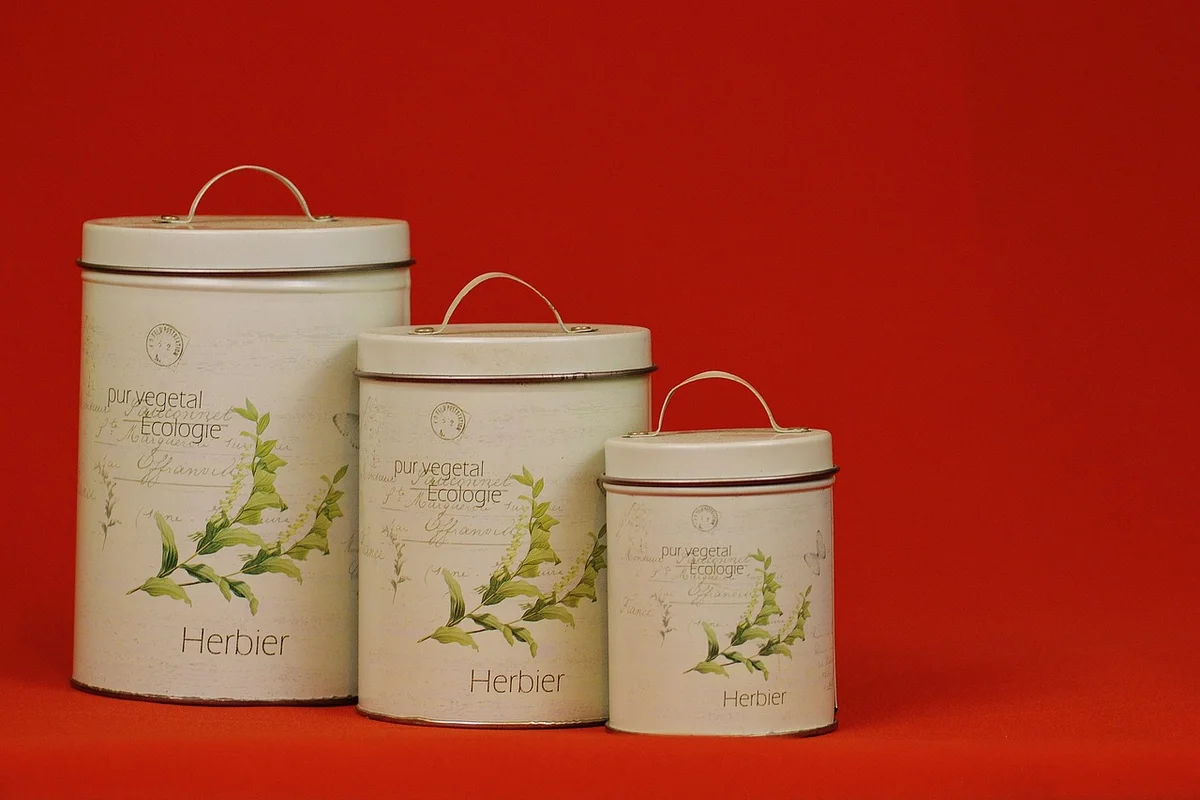
Choosing the Right Airtight Containers and Sealable Jars
I learned the hard way that a flimsy container lid is an open invitation for pantry moths and staleness. After a bad batch of expensive dried shrimp, I invested in proper containers, and the difference in my crabs’ food quality was immediate. Your primary goal is to create a fortress against air, light, and pests, all of which degrade nutritional value.
- Always opt for BPA-free plastics, glass, or stainless steel to prevent any chemicals from leaching into the food.
- For commercial food mixes and dry staples like oats, use containers with a locking silicone seal. You should hear a distinct “click” when it’s secure.
- Choose opaque or tinted containers for anything you store in a lit area. Light rapidly breaks down vitamins and fats.
- Small, wide-mouth glass jars are perfect for individual items like crushed eggshells or single-ingredient treats.
Using Desiccants and Humidity Control for Dry Storage
Living in a humid climate taught me that even an airtight container can trap moisture from the air you seal inside. My crab Apollo’s favorite dried kelp would get clumpy until I started using desiccants. A tiny silica gel packet is a powerful tool that actively pulls moisture from the environment inside your container. This prevents mold and keeps foods like cuttlebone powder dry and free-flowing.
Here is how to use them safely and effectively.
- Purchase food-safe silica gel packets. Do not use packs from other products like shoes or electronics.
- Place one or two packets at the bottom of your storage container, underneath the food bag or directly beside it.
- Ensure the packet does not have any rips or tears. You do not want the beads mixing with the food.
- Check the packets every few months. They change color or feel damp when saturated and need replacing.
Step-by-Step Guide to Storing Dry and Wet Hermit Crab Foods
Mastering Pantry and Dry Storage Techniques
I keep a dedicated cabinet in my kitchen for my crabs’ pantry, away from the stove and sink. This spot stays cool and dark, which is perfect for preserving their meals. Consistency in your storage location prevents the temperature fluctuations that cause condensation and spoilage. Follow these steps to get your dry storage organized.
- Transfer all commercial foods and dried goods out of their flimsy bags and into your chosen airtight containers immediately after opening.
- Write the purchase or expiration date directly on the container with a permanent marker. I also add the food type, like “Hermes’ Fruit Mix.”
- Place newer containers behind the older ones. This “first-in, first-out” system ensures you use the oldest food first and nothing gets forgotten.
- Keep your storage area clean. Wipe down shelves and containers regularly to deter pests.
When and How to Use Refrigeration and Freezing
Not all hermit crab food belongs in the pantry. Fresh foods spoil quickly, and freezing is your best friend for minimizing waste. My crab Poseidon goes wild for frozen mango, but I only thaw a tiny piece at a time. When branching into human foods, keep portions tiny and choose safe options like small fruit pieces or plain cooked vegetables. This helps keep your hermit crab’s diet safe and varied. Refrigeration is for short-term holding, while freezing locks in freshness for months.
Refrigerate these fresh foods and use them within 2-3 days:
- Fresh fruits like banana, papaya, and berries.
- Fresh vegetables like sweet potato, corn, and zucchini.
- Leafy greens like romaine lettuce and dandelion greens.
- Hard-boiled egg and other fresh protein sources.
To properly freeze food for long-term storage, follow this method.
- Chop fresh foods into small, crab-sized portions.
- Spread the pieces in a single layer on a baking sheet lined with parchment paper.
- Flash-freeze for one to two hours until the pieces are solid.
- Transfer the frozen pieces into a labeled, airtight freezer bag or container. This prevents them from sticking together in a giant clump.
- Squeeze all excess air out of the bag before sealing to prevent freezer burn.
Spotting Spoilage and Preventing Cross-Contamination
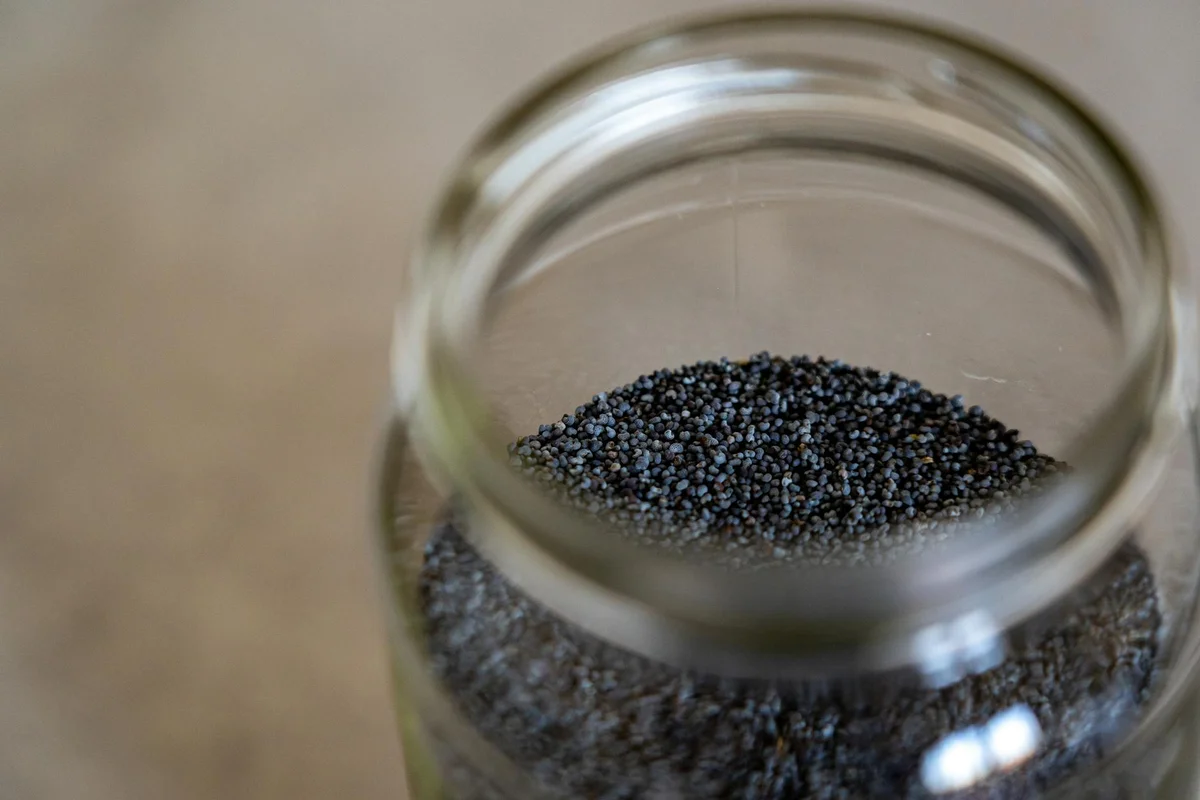
I learned to spot bad food the hard way after my crab, Hermes, completely ignored a piece of banana I thought was fine. Trust your nose and eyes; if it looks or smells off to you, it’s definitely spoiled for your crabs. Mold is an obvious red flag, often appearing as white or green fuzz. Food that has become slimy, discolored, or has a sour, fermented odor has also gone bad and needs to be removed immediately.
A clean habitat is a safe habitat. My number one rule is to clean the food and water dishes with hot water every single time I change the food. I never use soap, as the residue can be toxic. For the storage area, I wipe down shelves and the outside of food containers weekly to prevent dust and pests from becoming a problem.
I keep different food types completely separate to prevent flavors and moisture from mixing. Cross-contamination can cause dry foods to clump and spoil faster, ruining an entire batch. I use dedicated, airtight containers for each category:
- One container for commercial hermit crab pellets.
- Another for dried proteins like shrimp and mealworms.
- A separate jar for dried seaweeds and leafy greens.
- A small container in the fridge for any fresh, moist treats.
This system keeps everything organized and fresh for much longer.
Building a Safe Daily and Weekly Food Storage Routine
Consistency is the key to preventing health issues. My daily routine is non-negotiable and takes less than five minutes. Every morning, the first thing I do is check the tank and remove any uneaten fresh food from the previous night. This prevents mold growth and keeps the substrate clean, which is vital for a crab’s health. To keep hermit crabs thriving, set a complete maintenance schedule for regular tank cleaning and substrate care. For example, do a weekly spot-clean, a deeper monthly clean, and periodic substrate refresh.
A weekly routine ensures nothing gets overlooked. Here is my Sunday checklist:
- Inspect all stored food for any signs of moisture or pests.
- Wipe down the outside of all food containers and the pantry shelf.
- Check the seals on my airtight containers to make sure they are still effective.
- Plan the week’s meals and restock any low supplies.
This proactive approach means I never run out of food or accidentally serve something that has lost its nutritional value.
Managing food for five crabs with different personalities requires a slight twist. To do this well, I set up a dedicated hermit crab feeding station, choosing a layout that uses separate food and water dishes. This makes mealtimes smoother and helps keep the tank clean and organized. Zeus, my dominant crab, will guard a prime food spot, so I always place a second dish on the opposite side of the tank for the others. For messy eaters like Poseidon, who loves to drag food into the water, I remove that dish entirely after a few hours to keep the water clean. I make sure to offer a variety that appeals to all their tastes, ensuring even my pickiest crab, Athena, gets the nutrients she needs.
Advanced Tips for Long-Term Hermit Crab Food Preservation
After years of managing a mini-crab army, I’ve refined my food storage system to be as efficient and safe as possible. Proper long-term preservation not only saves you money but also ensures your crabs get consistent, high-quality nutrition. Let’s look at some methods that go beyond the basic container.
Extending Shelf Life with Dehydration and Custom Mixes
One of the best ways I’ve found to prevent waste is by dehydrating fresh fruits and vegetables. My crab Apollo goes wild for dehydrated coconut flakes, while Athena prefers thin slices of sweet potato. Dehydrating food removes the moisture that causes mold and spoilage, locking in nutrients for months. You can use a food dehydrator or your oven on its lowest setting.
Creating custom food mixes is another game-changer. I blend a base of organic oats, dried shrimp, and leaf litter, then add in seasonal dehydrated goodies.
- Start with a nutrient-dense base (worm castings, crushed cuttlebone, algae).
- Add protein sources (dried mealworms, bloodworms, shrimp).
- Mix in carbohydrates (rolled oats, crushed unsalted nuts).
- Include treats (dehydrated mango, coconut, flowers).
By making your own mixes, you control every ingredient and can tailor them to your crabs’ observed preferences. I store these mixes in small, dark glass jars to keep them fresh.
Smart Strategies for Bulk Buying
Buying in bulk is economical, but it requires a smart storage plan. I once bought a giant bag of dried river shrimp that lost its potency because I didn’t store it correctly.
- Repackage Immediately: Transfer food from flimsy store packaging into your own airtight containers. This prevents pantry pests and preserves freshness.
- Divide and Conquer: Split large quantities into smaller portions. I vacuum-seal weekly portions and keep the rest in a main, larger container in a cool cupboard. This limits how often the main supply is exposed to air and humidity.
- Label Everything: Write the purchase date and contents on every container. This helps you rotate your stock, using the oldest items first.
Your goal is to create a mini-grocery system for your crabs that minimizes waste and maximizes freshness. From there, you can create a hermit crab diet plan from scratch. This plan will guide what to buy, how to rotate foods, and how to keep meals varied and nutritious.
Monitoring Your Storage Environment
The area where you store your crab food is just as important as the containers you use. Heat and humidity are the enemies of dried goods. In hermit crab care, maintaining proper humidity levels is essential for health, especially during molting, when crabs are most vulnerable. Keeping storage conditions dry and stable helps support humidity for hermit crab molts and overall well-being.
- Temperature Range: Aim to store food in a cool, stable environment, ideally between 60°F and 70°F (15°C and 21°C). Avoid places like garages or sheds where temperatures fluctuate wildly.
- Humidity Control: High humidity invites mold. I keep a small digital hygrometer in my crab supply cabinet. If the humidity consistently reads above 50-55%, I add a desiccant packet to the container. Consistently checking these two factors will protect your investment and keep your crabs’ diet safe.
- Light Exposure: Always use opaque or dark-colored containers and store them in a dark cupboard. Light can degrade the quality of fats and vitamins in the food over time.
I perform a quick check of my storage area every time I feed my crew, ensuring everything is as it should be for their health.
FAQs
How often should I completely replace my hermit crab’s dry food stash?
Dry foods like pellets and mixes should be replaced every 3-6 months to prevent nutrient loss and spoilage, even if no visible issues are present. Always inspect for changes in smell, texture, or color before offering it to your crabs. For guidance on portions and feeding frequency, consult your hermit crab care guide. Start with small portions and adjust how often you feed based on your crab’s size and appetite.
Is it safe to store hermit crab food in the same containers I use for human food?
It’s best to use separate, dedicated containers to avoid cross-contamination from residues or allergens that could harm your crabs. Opt for containers made of food-safe materials like glass or BPA-free plastic to ensure their diet remains pure and safe. When choosing between a glass tank and a plastic enclosure for hermit crabs, consider factors like humidity retention, durability, and ease of cleaning. Each material has its own advantages and drawbacks for crab welfare.
What should I do if I accidentally leave fresh food in the tank for too long?
Remove the spoiled food immediately and clean the dish with hot water to prevent mold or bacteria from spreading. Monitor your crabs for any signs of distress, such as reduced activity, and avoid offering fresh food again until the habitat is fully sanitized. Prevent and manage mold in hermit crab enclosures to ensure a healthy environment for your pets.
In Closing
Keeping your hermit crab’s food fresh is a simple but powerful act of care. By storing dry mixes in a cool, dark place and using airtight containers, you preserve the vital nutrients your crabs need to thrive. A little diligence with your food storage routine goes a long way in supporting their health and longevity. When you feed them, think about frequency: hermit crabs do best with small portions offered regularly, rather than infrequent, large meals. This steady approach helps prevent waste and supports overall well-being.
Further Reading & Sources
- Food storage and organization – HCA: Hermit Crab Association
- Thrive Hermit Crab Bowl
- Food storage – HCA: Hermit Crab Association
The Crab Central is your ultimate resource for hermit crab enthusiasts, providing expert advice and practical tips to ensure the health and happiness of your shelled companions. With years of experience in crustacean care, we are dedicated to offering accurate, up-to-date information to support your hermit crab journey. Our mission is to foster a community of responsible hermit crab owners who are passionate about the well-being of these fascinating creatures.
Types of Food