
How Often Should You Clean a Hermit Crab Tank? A Complete Maintenance Schedule
Published on: December 14, 2025 | Last Updated: December 14, 2025
Written By: The Crab Guru
Keeping your hermit crab’s habitat clean is one of the most important parts of being a good crab parent.
After caring for my five hermit crabs for years, I’ve fine-tuned a maintenance schedule that keeps them active and healthy.
Consistency is far better than a frantic, infrequent scrub-down.
I will break down a full cleaning routine into daily, weekly, and monthly tasks to make tank upkeep simple and effective for you.
Recognizing When Your Hermit Crab Tank Needs Cleaning
Your tank will tell you when it needs attention, you just have to know the signs. Trust your senses—your nose is one of the best tools you have for gauging tank health. A healthy crabitat should smell like a fresh, earthy forest floor, not a stagnant pond or something sour. To stay on top of your hermit crab’s health, keep a simple log of observations to document and track it over time. This record helps you spot gradual changes and catch issues early.
- Unpleasant Odors: A foul or sour smell is the most immediate red flag. It often signals uneaten food rotting in a corner or waste building up in the substrate.
- Visible Mold or Fungus: Spots of white fuzz or other colored growth on decor, food, or even the glass are a clear sign of excess moisture and organic decay.
- Debris Accumulation: You’ll see piles of discarded exoskeletons, food scraps, and general crab waste. My crab Zeus, for instance, is a messy eater and often guards food spots, which leads to leftover bits getting pushed into the substrate and decomposing.
- Cloudy or Filthy Water Dishes: If the water isn’t clear, it’s time for a change. Crabs often track substrate and food into their pools.
- Pest Invasions: An unclean tank can attract fruit flies or gnats. If you see these, a deep clean is overdue.
The number of crabs you have and the size of their home dramatically impacts how quickly these issues appear. My five crabs in a large tank create waste much faster than when I only had two. A crowded tank simply needs more frequent intervention to stay healthy and safe for its inhabitants.
Daily Maintenance for Hermit Crab Tank Hygiene
A few minutes of care each day prevents a world of problems later. This routine is non-negotiable for a thriving crabitat and becomes second nature. When it comes to hermit crab care for beginners, consistency is key.
- Remove Old Food: Scoop out any uneaten food from the previous day. Leaving it in is an open invitation for mold, pests, and bacteria.
- Refresh Water Dishes: Check both freshwater and saltwater pools. Dump them out, rinse away any slime or substrate, and refill with dechlorinated water. Poseidon loves to soak and dig in his, so I often have to do this twice a day.
- Spot Clean for Waste: Use a small spoon or tongs to pick out any obvious waste or debris you see on the surface of the substrate. This simple act of spot cleaning is your first defense against harmful biofilm buildup.
- Check Humidity and Temperature: This is a critical daily task. I rely on my digital gauges. Apollo basks under his heat lamp, so I always ensure one side of the tank stays warm while the other is cooler. Misting the tank with dechlorinated water helps maintain the high humidity they need to breathe properly.
- Observe Your Crabs: A quick visual check on everyone’s activity and condition helps you catch any potential health issues early.
Weekly Cleaning Routine to Maintain Tank Health
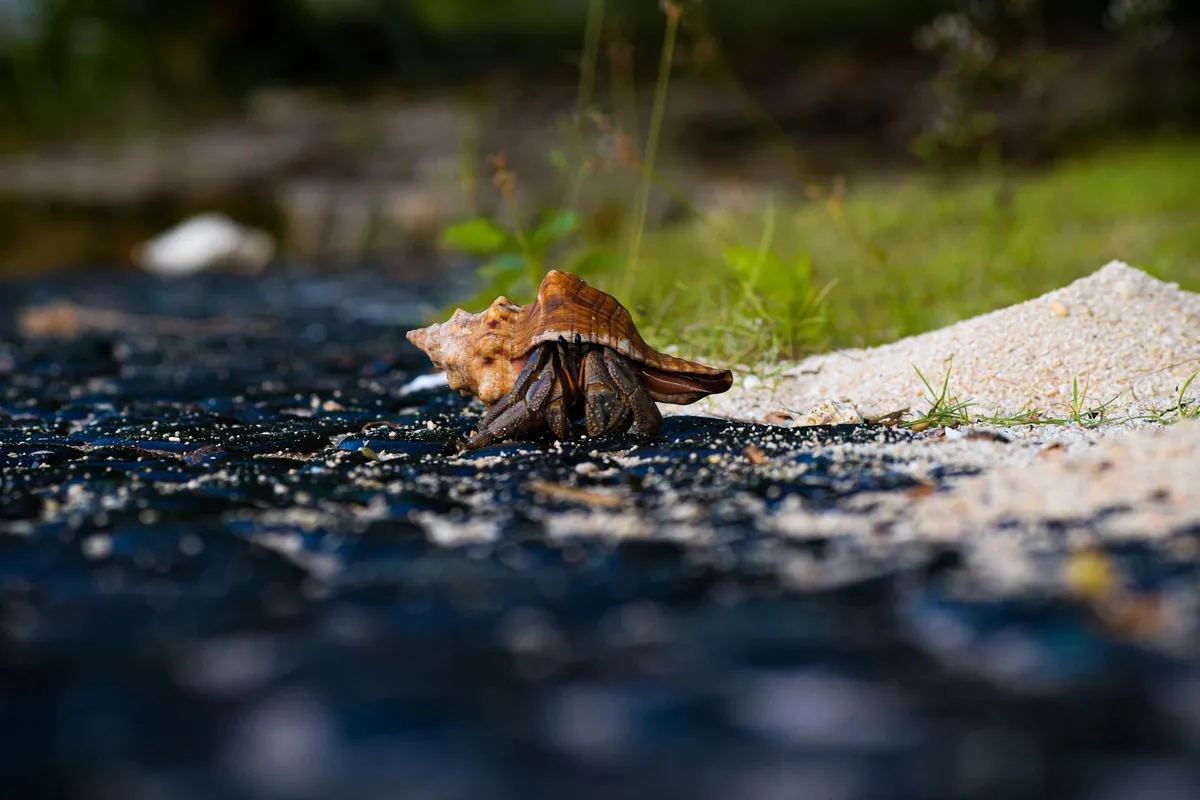
Think of your weekly clean as a quick reset for your crab’s home. This regular upkeep prevents small issues from becoming big, smelly problems. I dedicate about twenty minutes each Sunday to this task, and it makes a world of difference for my crew’s health and happiness.
Start by tackling the water dishes. I always provide both freshwater and saltwater, and each needs a partial change. I empty and scrub both bowls with a clean, dedicated sponge to remove any biofilm or slime, then refill them with dechlorinated water. For the saltwater, I use a pre-mixed marine salt solution, never table salt.
Next, I address the viewing glass. Algae loves the warm, humid environment of a crab tank. A simple magnetic algae scraper makes this job quick and easy without getting your hands wet. I find a quick wipe-down once a week keeps the glass clear and lets me watch their antics.
Finally, I do a quick inspection of all the tank decor. I pick up climbing toys, shells, and hides to check for trapped food or waste. Anything with visible debris gets a quick rinse under warm, dechlorinated water and is placed back in the tank. This prevents mold and bacteria from taking hold.
This consistent, low-impact routine is vital for sensitive crabs. My calm crab, Athena, used to hide for a full day after any major tank disturbance. Since sticking to this gentle weekly schedule, she barely notices the maintenance and stays out and active. Watch for signs of hermit crab stress—excessive hiding, lethargy, or appetite loss. If you spot them, stick to the gentle routine and minimize disturbances.
Monthly Deep Cleaning and Substrate Management
Once a month, it’s time for a more thorough overhaul. This is when I address the substrate, which can harbor waste and bacteria deep below the surface. The need for a full change depends on your tank size and crab population; my heavily stocked tank needs it monthly, but a larger tank with fewer crabs might go six weeks.
First, I prepare a temporary holding bin for my crabs. I add a shallow layer of their old substrate, their water dishes, and a hide. Gently place your crabs in this secure bin in a warm, quiet spot while you work to keep them safe and stress-free.
Now, you can tackle the main tank. I completely remove all the old substrate-this is the sand and coconut fiber mix at the bottom. I then take all the plastic plants, food dishes, and non-porous decor and sanitize them with a vinegar and water solution, giving them a thorough rinse. Any wooden items I inspect carefully for rot and usually just rinse, as boiling can break them down.
After everything is out, I wipe down the entire empty tank with the same vinegar solution. Once the tank is clean and dry, you can add a fresh, deep layer of new substrate, moistened with dechlorinated water. I aim for a depth three times the height of my largest crab to allow for proper molting. It’s crucial to create the perfect habitat for a molting hermit crab to ensure their health and safety.
Finally, reassemble the tank with the clean decor and gently reintroduce your crabs. In a tank with multiple crabs, observing their interactions helps you manage social dynamics and maintain harmony. My assertive crab, Zeus, always explores every inch to re-establish his territory, but within an hour, everyone is settled back into their clean, fresh home.
Cleaning Hermit Crab Tank Equipment Safely
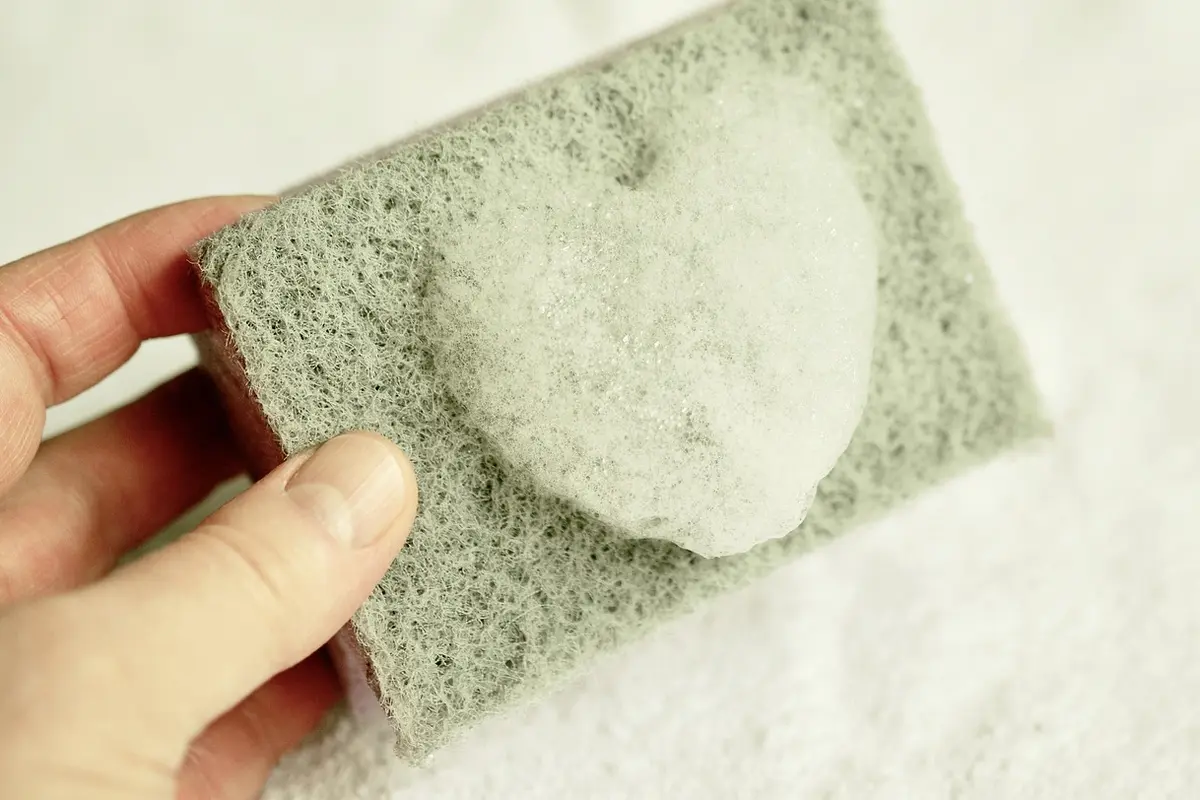
Your hermit crabs interact with every item in their tank, which is why cleaning their equipment without chemicals is the single most important rule for their safety. I use a simple two-step process: hot water and elbow grease. This approach extends to their shells, too, and you can follow a clean, shell-safe step-by-step guide for shell care. I’ll walk you through the shell-cleaning steps to keep shells and crabs safe.
For food and water dishes, I use a dedicated scrub brush and the hottest water I can get from my tap. Poseidon, who loves to soak, dirties his water dish quickly. I scrub his dish daily with just hot water to prevent a slimy biofilm from forming that could make him sick. For a deeper clean, I’ll occasionally use a paste made from a tiny bit of table salt and water to scrub away any stubborn residue-it’s completely natural and rinses clean.
Filters, hides, and other decor get the same treatment. I never use soap. Instead, I soak items in a bucket of hot dechlorinated water. This method safely loosens grime without leaving behind any toxic residue that could be absorbed by your crab’s delicate gills. For filtration media, I simply rinse it in old tank water during a partial water change to preserve the beneficial bacteria.
Avoiding Common Mistakes in Hermit Crab Tank Cleaning
I’ve learned some of my best lessons the hard way, and I want to help you avoid the same pitfalls. These mistakes can seriously impact your crab’s health and happiness.
- Over-Cleaning the Entire Tank: A completely sterile environment is stressful for hermit crabs. They rely on established scents and beneficial bacteria to feel secure. Wiping down every surface weekly destroys this stable micro-environment. Stick to spot-cleaning and follow a deep-clean schedule.
- Using Soaps or Disinfectants: This is a critical error. Hermes is incredibly curious and investigates everything with his antennae and mouthparts. Even a trace amount of soap left on a dish can poison a crab. Their respiratory systems are too sensitive for these chemicals.
- Disturbing Molting Crabs: If you see a crab buried or hiding, assume it is preparing to molt. Never dig it up for cleaning. Disturbing a molting crab can cause severe stress or death.
- Replacing All Substrate Too Often: This disrupts the tunnels they’ve worked hard to build and the humidity levels they need to breathe properly. It’s a massive stressor. Only do a full substrate change once or twice a year.
The best alternative for effective hygiene is a consistent, balanced routine. Focus your daily efforts on removing old food and refreshing water, and trust that your scheduled deep cleans will handle the rest. This approach keeps the tank healthy without causing your crabs unnecessary anxiety. Unremoved food and waste are common odor culprits in hermit crab tanks and can harm health. Regular hygiene steps like timely water changes and substrate cleaning help curb odors.
FAQs
How do I safely handle my hermit crabs during tank cleaning?
Gently scoop them up with a soft utensil or your hands if necessary, avoiding sudden movements to prevent stress or injury. Place them in a secure temporary bin with some of their old substrate and a hide to keep them calm and comfortable during the process.
What is the ideal humidity level for a hermit crab tank, and how do I maintain it during cleaning?
Aim for a humidity level between 70-80% to support proper gill function and overall health. During cleaning, mist the temporary holding area with dechlorinated water and cover it partially to help retain moisture until the tank is reassembled.
Can I use a specific type of substrate that requires less frequent cleaning?
While a mix of coconut fiber and sand can help manage odors and waste, no substrate eliminates the need for regular maintenance. Always follow the recommended cleaning schedule to prevent harmful buildup and ensure a healthy environment for your crabs.
Your Blueprint for a Healthy Hermit Crab Home
Stick to this simple rhythm: a quick daily spot-check for waste and food, a thorough weekly refresh of food and water dishes, and a major deep clean of the entire habitat every single month. This consistent schedule has kept my own crabs, from the energetic Hermes to the calm Athena, thriving for years. Establishing this routine prevents harmful bacteria and mold, making your maintenance easier and your crab’s life significantly healthier and happier. This routine is a key part of creating a hermit crab friendly environment at home. It helps ensure humidity, cleanliness, and safe surfaces for your crabs to explore safely.
Further Reading & Sources
- How to Know When It’s Time To Clean Your Hermit Crab Tank | Hermit Crab Owner
- The Best Ways to Clean Your Hermit Crab’s Habitat | Knisley’s Pet & Farm Center
- terrariums – How often should a hermit crab tank be cleaned? – Pets Stack Exchange
The Crab Central is your ultimate resource for hermit crab enthusiasts, providing expert advice and practical tips to ensure the health and happiness of your shelled companions. With years of experience in crustacean care, we are dedicated to offering accurate, up-to-date information to support your hermit crab journey. Our mission is to foster a community of responsible hermit crab owners who are passionate about the well-being of these fascinating creatures.
Cleaning the Tank