
How to Track Your Hermit Crab’s Health
Published on: January 5, 2026 | Last Updated: January 5, 2026
Written By: The Crab Guru
Hermit crabs are masters at hiding illness, making it tough to know when they need help.
With five crabs of my own, from the energetic Hermes to the calm Athena, I’ve learned to spot the subtle signs of a healthy, thriving pet.
The single best thing you can do is start a simple health log today.
We’ll cover setting up a health log, identifying key warning signs, and creating a simple weekly checklist to give you peace of mind.
Key Health Indicators to Track Regularly
Keeping a close, consistent eye on your hermit crab is the single best way to catch small issues before they become big problems. Regular observation builds a baseline of what ‘normal’ looks like for each of your unique crabs. My crab, Hermes, is a whirlwind of activity, while Athena is much more reserved-knowing their personal norms is everything.
Behavior and Activity Observations
I start every day with a quick “headcount and vibe check.” This isn’t just about seeing them; it’s about seeing them act like themselves.
- Daily Activity Levels: Is your crab moving around, climbing, or digging? A crab that is consistently out and about during its active hours (often evening) is generally a healthy crab.
- Surface Time vs. Buried: It’s perfectly normal for crabs to bury themselves for days or even weeks to destress or prepare for a molt. The concern is a crab that is always buried for months or one that is never buried.
- Interaction with Tank Mates: Watch for bullying at the food dish or around prime shell selections. My crab Zeus can be a bit of a food guard, so I sometimes scatter food to ensure everyone gets a share.
Appetite and Hydration Tracking
A change in eating or drinking habits is often the first red flag. I offer a varied diet and note who is eating what.
- Food Preferences: Note which foods disappear first. Apollo goes crazy for shrimp, while Poseidon prefers fresh fruits.
- Fresh and Salt Water Consumption: Check the water pools daily. Are they being used? You might see tracks in the substrate or even catch a crab soaking. Proper hydration is non-negotiable for successful molting and overall organ function.
- Sudden Disinterest in Food: A crab that stops eating entirely for more than a couple of days, especially if it’s not buried, needs closer attention.
Shell Condition and Molt Cycles
The shell is your hermit crab’s mobile home, and its condition is a direct reflection of their health.
- Shell Fit: Can your crab fully retract into its shell? Is there a large, exposed abdomen? A crab that is too big for its shell is under immense stress.
- Inspecting for Damage: Look for cracks, holes, or excessive wear on the shell’s surface. Damaged shells offer poor protection.
- Molting Frequency and Success: Document the date each crab goes under to molt and when it resurfaces. Keeping a molt history helps you predict future molts and spot irregularities. A failed molt is a serious health emergency.
Environmental Parameters
Your crab’s health is inextricably linked to its habitat. I check these three things every single day without fail.
- Temperature: 75-85°F (24-29°C). A digital thermometer with a probe is your best friend here.
- Humidity: 70-80%. This is critical for their modified gills to breathe properly. A digital hygrometer is a must.
- Substrate Moisture: The sandcastle consistency test is the gold standard. The substrate should hold its shape when you squeeze a handful without dripping water.
Setting Up Your Hermit Crab Health Log
You don’t need anything fancy to start a health log, just consistency. A simple notebook dedicated to your crabs is more powerful than any app if you use it regularly. I’ve tried several methods over the years, and this is what works.
Choosing a Journal Format
Pick a format you’ll actually stick with. Your future self will thank you when you need to look back at data.
- Digital Spreadsheet: Perfect for easy sorting and long-term tracking. You can create columns for date, crab name, activity, food eaten, and notes.
- Dedicated Notebook: My personal favorite. I use one page per crab per month, which gives me plenty of space for daily notes and observations.
- Pre-Printed Templates: You can find these online or create your own with checkboxes for quick daily checks (e.g., “Water bowls full,” “Food fresh,” “All crabs accounted for”).
Essential Data Points for Each Entry
A quick, five-minute entry each evening can capture everything you need. Here is my non-negotiable checklist.
- Date and Time: Crucial for tracking cycles.
- Crab Identifier: Use their name or a specific shell to tell them apart.
- General Behavior: “Active and climbing,” “Quiet in corner,” “Buried.”
- Food and Water: What was offered and what was actually eaten.
- Shell Change: Note if they switched into a new shell-a major event!
- Environmental Readings: Log the temp and humidity at roughly the same time each day.
- General Notes: Anything unusual, like a funny smell in the tank or an interaction with a tank mate.
Documenting Growth and Milestones
This is the rewarding part! Your log becomes a story of your crab’s life.
- Shell Upgrades: Note the date and the type of shell they moved into. I keep a “shell shop” in my tank, and it’s thrilling to log when someone like Apollo finds a new home.
- Successful Molts: Record the date they went down, the date they came up, and their condition. You’ll notice they are brighter and more vibrant after a good molt.
- Weight and Size: While you can’t easily weigh a crab, you can note their growth by the increasing size of the shells they occupy over time.
Tools and Methods for Effective Health Monitoring
Digital Apps and Trackers
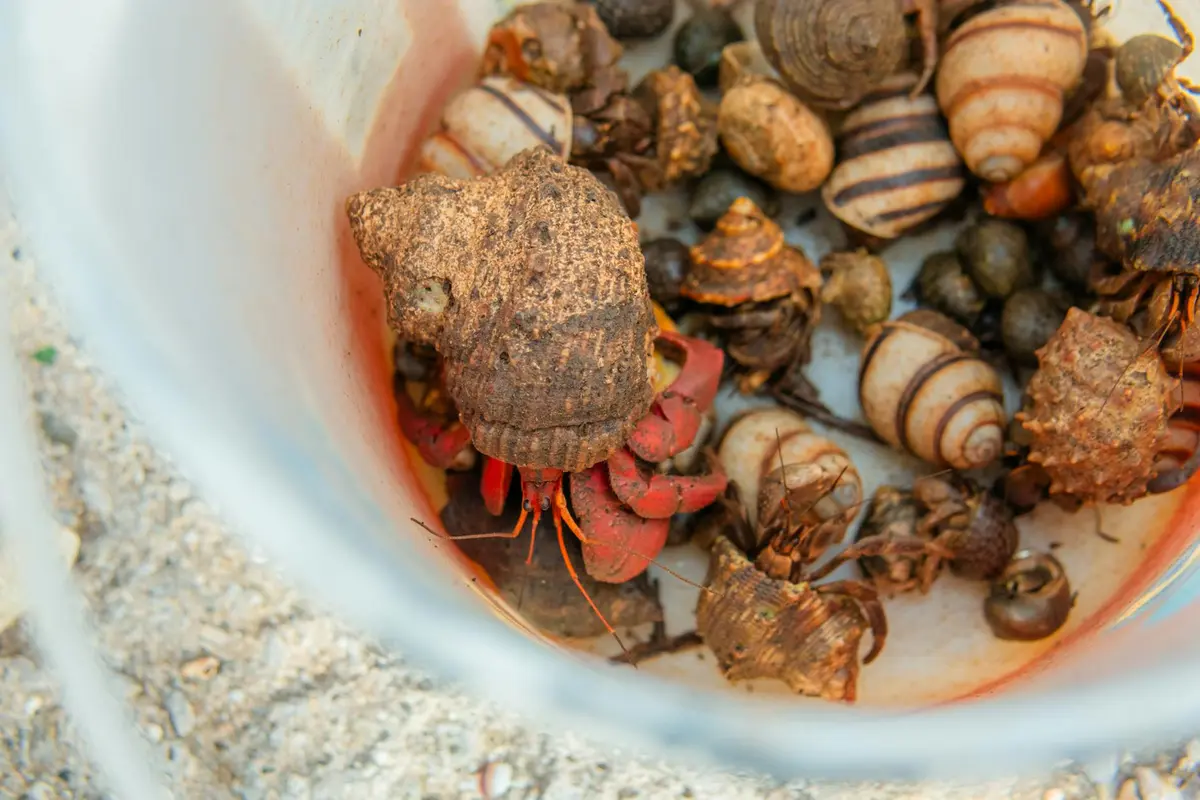
You don’t need complex software to track your crab’s health. I use a simple notes app on my phone to create a log for each of my five crabs. Every Sunday, I do a quick check-up and jot down their activity levels, food preferences, and any physical changes. This weekly ritual takes less than ten minutes and gives me a searchable, chronological record that’s invaluable for spotting trends. You can also use spreadsheet programs or even a dedicated habit-tracking app. The goal is consistency, not complexity.
Photographic Records for Visual Comparison
A picture is worth a thousand words, especially with hermit crabs. Their subtle changes are easy to miss day-by-day. I make it a point to take clear, well-lit photos of each crab every month. Focus your photos on the crab’s overall body condition, the color of their exoskeleton, and the size of their current shell. I have a whole folder for Apollo, and by looking back, I can see exactly when he started to outgrow his last favorite shell. This visual proof is your best defense against “Is this normal?” anxiety.
Using Scales and Measurement Tools
Tracking weight is one of the most objective ways to monitor health. I use a small, precise digital kitchen scale that measures in grams. Once a month, I gently place each crab in a small, clean container on the scale. A steady, gradual weight gain is a fantastic sign of a healthy, well-fed crab, while sudden weight loss can be a major red flag. For my bigger crab, Zeus, I also sometimes use a soft sewing tape to measure the width of his shell’s opening. This helps me plan for future shell upgrades before it becomes an urgent need.
Interpreting Health Data and Recognizing Red Flags
Identifying Stress and Illness Signs
Your logs and photos will help you separate normal crab behavior from genuine distress. A crab burying itself for a few days is likely molting, which is healthy. But a crab that stays buried for weeks on end, or one that is consistently lethargic and unresponsive on the surface, is signaling a problem. From my experience, a strong, fishy odor coming from the tank is one of the most urgent signs of a potential bacterial issue or a deceased crab. Other critical red flags include a limp body, hanging out of the shell without retracting, or visible discharge from the joint areas. A hermit crab troubleshooting checklist can help you diagnose these common problems and determine the most effective actions. Use your logs and photos as you work through the checklist to verify changes over time.
Tracking Injury and Parasite Concerns
During your regular observations, do a quick visual scan for physical abnormalities. Look for:
- Missing limbs or antennae
- Dark spots, pits, or holes on the exoskeleton
- Tiny white, red, or black mites crawling on the crab’s body (not to be confused with harmless substrate mites)
- A whitish, film-like substance on the abdomen
I once noticed Poseidon had a small, dark spot on one of his legs; my photo log confirmed it was new. I was able to quickly isolate him and provide a salt bath, which cleared it up. Your records turn you from a worried owner into a proactive caregiver.
When to Adjust Care Based on Logs
Your health logs are a direct feedback system from your crabs. If you see a pattern, you must act on it. When Athena went through a phase of avoiding her protein bowl, my logs showed it had been nearly a week. I immediately offered different protein sources and found she went wild for dried shrimp. If multiple crabs show signs of stress, like excessive hiding or aggression, your first step should always be to check and adjust the tank’s temperature and humidity. Color changes can also be meaningful indicators of health. A color-change health indicator guide helps you interpret whether a change is normal during molting or a sign of distress. Your data takes the guesswork out of crab care and lets you make informed, timely changes to their environment and diet.
Preparing for Veterinary Visits and Emergencies
Having a plan for potential health issues is one of the most responsible things you can do as a hermit crab owner. Finding an exotic vet who is experienced with hermit crabs *before* you have an emergency is absolutely vital. I learned this the hard way when my crab, Apollo, became lethargic, and I spent precious hours calling clinics. Also, if you ever find your hermit crab not in its shell, treat it as a shell-emergency and seek immediate guidance. Knowing common causes—such as a missing shell, a stuck molt, or dehydration—can help you act quickly and reduce risk while you wait for professional care.
Compiling Health Records for the Vet
When you walk into that vet’s office, you want to be the most prepared client they see all day. A well-organized health journal speaks volumes about the care your crab receives and gives the vet crucial data.
I keep a simple three-ring binder for my crew. Here is exactly what I include for each crab:
- A “Baseline” Photo: A clear, top-down picture of each crab when they are healthy. This helps the vet see their normal shell size, leg condition, and coloration.
- Weight Log: I weigh my crabs monthly using a small digital gram scale. A sudden drop can signal illness or impending molt.
- Shell History: A log of shell changes, including the date and the type of shell they moved into.
- Behavioral Notes: Brief notes on typical behavior. For example, I have written: “Zeus is food-aggressive; Athena is shy and burrows often.” This establishes a normal pattern.
- Diet Log: A general list of what they’ve been eating over the last week. This can help rule out nutritional deficiencies.
Bringing this binder to an appointment transforms a guess into a diagnosis. The vet can see trends I might have missed and gets a full picture of my crab’s life.
Recognizing Urgent Health Crises
Hermit crabs are masters at hiding weakness, so when they show clear signs of distress, you must act quickly. Trust your gut-if something feels off, it probably is. Over the years, I’ve come to recognize a few non-negotiable red flags that signal stress in hermit crabs.
These signs mean your crab needs immediate, professional help:
- A strong, foul odor coming from the crab or the tank. A healthy crab should not smell. A sickly sweet or rotten smell often indicates a bacterial infection.
- Limp, dangling body outside the shell. A crab may leave its shell to molt, but a limp body is a sign of severe stress or trauma.
- Visible mites crawling on the crab’s body. These are parasites that can quickly overwhelm a crab.
- Unexplained loss of limbs (autotomy) that is not related to a molt. This is a desperate stress response.
- Prolonged surface molting. If a crab attempts to molt on the surface and gets stuck for more than a day, it is a critical situation.
In any of these scenarios, isolate the crab in a small, hospital-style tank with shallow dechlorinated water, a shell, and food, and contact your vet immediately. Do not attempt drastic treatments yourself, as their systems are incredibly delicate. This is the first step in a quarantine and treat-sick hermit crab step-by-step guide. It lets you observe the crab safely and await veterinary guidance before taking further care.
## Common Questions
How often should my hermit crab change shells?
A healthy hermit crab may change shells every few months as it grows, but there is no set schedule. A sudden, frequent shell switching can indicate stress or mites, while never changing shells might mean the available options are unsuitable. When they do switch, hermit crabs typically try on several shells before settling on one, and the full shell switching process can unfold in stages as they grow.
Why is a surface molt dangerous for my hermit crab?
A surface molt is dangerous because the crab is exposed and vulnerable to injury from tank mates and cannot properly bury itself to regulate humidity. This greatly increases the risk of a failed molt, which is often fatal without immediate intervention.
What does a healthy hermit crab smell like?
A healthy hermit crab should have little to no smell at all. A strong, foul, fishy, or rotten odor is a major red flag that can signal a bacterial infection, a deceased crab, or other serious health issues in the tank. Common causes of bad odors include decaying food, uneaten waste, and dirty substrate. Regular tank hygiene, thorough cleaning, and stable water quality are essential health and hygiene solutions to prevent smells and keep hermit crabs healthy.
Keep a Close Eye on Your Hermit Crab’s Health
Your hermit crab’s health log is a powerful tool, transforming casual observations into a clear picture of their well-being. By consistently documenting their behavior, appetite, and shell condition, you build a baseline that makes spotting subtle changes almost second nature. This simple habit of tracking gives you the confidence to provide the best care and the peace of mind that comes from truly knowing your pet. It’s especially useful when you’re trying to distinguish between a healthy and a sick hermit crab. Knowing what to look for can be the difference in catching issues early.
Further Reading & Sources
- r/hermitcrabs on Reddit: Health checks
- How to Handle your Hermit Crab (for health checks) |By Crab Central Station – YouTube
- How to Tell If a Hermit Crab Is Sick: 13 Steps (with Pictures)
The Crab Central is your ultimate resource for hermit crab enthusiasts, providing expert advice and practical tips to ensure the health and happiness of your shelled companions. With years of experience in crustacean care, we are dedicated to offering accurate, up-to-date information to support your hermit crab journey. Our mission is to foster a community of responsible hermit crab owners who are passionate about the well-being of these fascinating creatures.
Preventative Care