How Often Do Hermit Crabs Change Shells?
Published on: January 10, 2026 | Last Updated: January 10, 2026
Written By: The Crab Guru
Watching your hermit crab suddenly abandon its shell can be startling, but this fascinating behavior is completely natural.
As someone who’s cared for five different hermit crab species for years, I’ll walk you through exactly what to expect based on my daily observations.
Having multiple empty shells available is the single most important thing you can do for a healthy shell change.
We’ll cover how often shell changes happen, the step-by-step switching process, what triggers shell abandonment, and how to create the perfect shell shop for your crabs.
Understanding Shell Change Frequency
Shell changes are not a daily or even weekly event for a healthy crab; they are a milestone tied directly to their growth. A hermit crab will typically seek a new shell after a successful molt, when its body has grown too large for its current home. For young, fast-growing crabs, this could mean a shell change every few months, while a mature crab might only upgrade once a year or even less frequently.
My crab Apollo is a perfect example of a frequent shell-switcher in his youth. After a molt, he would spend days meticulously inspecting every single new shell I offered, trying them on like outfits. Zeus, on the other hand, is far more selective. He’s held onto the same large, heavy turbo shell for over a year, only considering a change after his last molt when he was visibly bulkier.
Species plays a huge role in this behavior. Caribbean hermit crabs, like my Hermes and Poseidon, are often more active and exploratory with shells, while Ecuadorians and Strawberries can be more settled. My Strawberry crab, Athena, has changed shells only twice in the four years I’ve had her, showing just how much personality and species type influence the rhythm of this process. It really underscores how individual temperaments can vary even within the same kind.
Signs Your Hermit Crab Needs a New Shell
Your crab will give you clear signals when it’s house-hunting. Learning to read these signs is a crucial part of being a good crab caretaker.
Visual Cues You Can’t Miss
- An Exposed Abdomen: If you can see a significant part of your crab’s soft, curled abdomen hanging out of the shell, the shell is far too small.
- Shell Damage: Look for cracks, holes, or excessive wear that compromises the shell’s integrity and safety.
- Discoloration or Odor: A foul smell or funky growth on the shell can indicate bacteria or fungus, making it an unhealthy environment.
Behavioral Red Flags
- Constant Shell Investigation: A crab obsessively tapping on, entering, and exiting shells (its own and others’) is a crab in the market for a new home.
- Agitation and Restlessness: You might see your crab pacing the tank more than usual or even hanging partially out of its shell for long periods.
- Abandoning the Shell: This is a severe emergency. A crab without a shell is exposed, stressed, and can dehydrate quickly.
I’ve seen these behaviors firsthand. My calm crab Athena once started spending hours gently feeling the interior of a new shell I’d added. This quiet inspection was her way of making a careful, considered decision before moving in a week later. In contrast, Poseidon gets dramatic. When he needs a change, he digs frantic pits and drags multiple shells into them for private try-on sessions, showing a completely different, more secretive approach to this vital life event.
Factors That Influence Shell Switching
Growth and Molting
Molting is the single biggest driver for a hermit crab to seek a new home. When a crab prepares to molt, it absorbs a tremendous amount of water to swell and split its old exoskeleton, and it will often outgrow its current shell during this process. It’s crucial to maintain the right humidity levels during this time, as humidity plays a vital role in hermit crab health and successful molting. I’ve watched Apollo do this several times; he’ll become unusually restless, digging more than usual, which is his way of telling me a big change is coming.
After shedding its exoskeleton, a hermit crab is incredibly soft and vulnerable for days or even weeks. This post-molt period is when they are most desperate to find a perfectly fitting new shell to protect their delicate new body. Without a proper shell, they are exposed to injury, dehydration, and even attacks from tank mates. This is also when common shell problems can arise, and quick fixes matter. We’ll cover the most common hermit crab shell problems and how to fix them.
- Juvenile crabs molt more frequently and will change shells more often as they rapidly grow.
- Larger, adult crabs like my Zeus molt less often, but when they do, they require a significant shell upgrade.
Environmental and Social Triggers
Your habitat setup plays a massive role in your crab’s shell-switching happiness. An inadequate shell selection is one of the most common reasons for shell fights and stress in a crabitat. I learned this the hard way early on when I didn’t offer enough options and saw my crabs bickering over the same two shells. To avoid common hermit crab habitat mistakes, offer a broad range of shells and maintain stable humidity and space. This helps prevent shell fights and keeps shell-switching peaceful.
- Shell Availability: You must provide at least 3-5 extra, preferred shells per crab. Variety in size and opening shape is non-negotiable.
- Overcrowding Stress: Too many crabs in a small space creates competition. A stressed crab may switch shells hastily or be bullied away from good shells.
- Water Quality: Poorly maintained water pools can lead to shell degradation and uncomfortable bacterial growth inside the shell, prompting a crab to abandon it.
Shell scavenging is a natural and fascinating behavior to observe; my crab Athena will often try on a new shell for a few hours, decide it’s not for her, and return to her old one. This is normal “house hunting” behavior and ensures they are always prepared for a quick move.
The Shell Switching Process Step-by-Step
Watching a hermit crab change shells is a delicate and fascinating ballet. It’s a process I’ve seen my curious crab, Hermes, perform dozens of times. The entire exchange is a vulnerable act that requires precision and a bit of courage from the crab. These moments also shed light on why hermit crabs change shells: they’re looking for a better fit, considering growth, weight, and protection. This shell swap also illustrates the evacuation behavior behind shell selection, as the crab moves when the current shell no longer suits its needs.
- Finding and Investigating: The crab locates a potential new shell. It will use its legs and claws to meticulously explore the exterior, checking for damage and measuring the opening with its smaller claws.
- Trying It On: This is the fun part to watch. The crab will quickly twist its abdomen into the new shell’s opening to test the fit. They are assessing the interior space, weight, and how well it protects their soft abdomen. Hermes will often try on three or four shells in one session before making a choice.
- The Rapid Switch: Once a shell is deemed suitable, the actual switch happens in a flash. The crab rapidly withdraws from its old shell and, in one continuous motion, backs into the new one. They have no shell-less downtime if they can help it.
During this brief moment of exposure, they are at their most vulnerable to predation, even from tank mates. This is why a peaceful, stress-free environment with plenty of hiding places is so critical. I always make sure my crabs have pieces of cholla wood or half-coco huts to duck behind during this private process. Hermit crabs bury themselves as a natural burrowing and hiding behavior to evade threats and regulate humidity and temperature. Understanding this helps us tailor enclosures to support their safety and well-being.
Selecting and Preparing Replacement Shells
Shell Sizing and Compatibility
Getting the shell size right is the single most important factor in a successful switch. A shell that is too small restricts growth, while one that too large is unstable and unsafe.
- I measure shell fit by observing how much of my crab’s big claw is visible. The ideal shell allows your crab to pull almost entirely inside, with just its big claw comfortably blocking the entrance. If the claw looks cramped or sticks out awkwardly, the shell is likely too small.
- For a more precise check, I offer a shell and watch. A truly interested crab will thoroughly investigate it, turning it over and testing the opening with its claws. If it abandons the shell quickly, the size or shape is probably wrong.
- My Caribbean crabs, like Hermes and Zeus, adore the classic round openings of turbo shells. They provide excellent protection and are easy for them to maneuver.
- My Ecuadorian, Apollo, prefers the lighter, more oval-shaped openings of shells like Babylonia or Nerite. Their softer abdomens seem to find these shapes more comfortable.
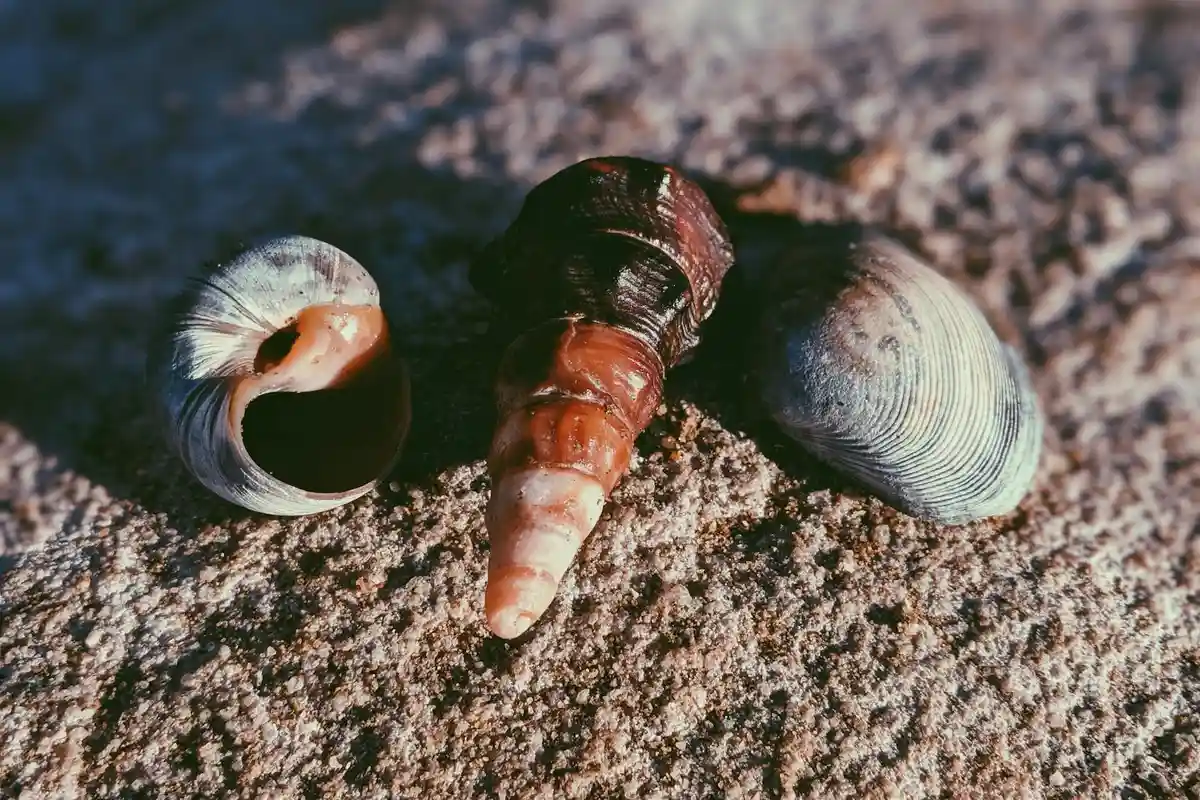
Shell Quality and Types
Not all shells are created equal. The type and condition of the shell you offer can make or break your crab’s decision to move in. Researchers have shown that hermit crabs assess shell size, weight, and opening to optimize protection and energy use. This is the science behind hermit crab shell selection.
- Turbo shells are the gold standard for most species. They are durable, heavy, and have a perfectly round opening that suits many crabs.
- Cerith and Babylonia shells are fantastic, lighter-weight alternatives. I always keep a few of these in the tank, as my smaller crabs or those recovering from a molt often choose them.
- Whelk shells can be popular, but you must inspect them carefully. Never use a shell with a cracked apex (the pointed tip), as it can easily splinter and injure your crab’s delicate abdomen.
- Every new shell gets a rigorous cleaning from me. I scrub the inside and outside with a stiff brush under hot water to remove sand and debris. Then, I boil them in dechlorinated water for at least 10 minutes to sterilize them and remove any lingering organic matter.
Supporting Your Hermit Crab During Shell Changes
Your role as a caretaker is to create a safe, low-stress environment that encourages natural behavior. A stressed crab is far less likely to make a healthy shell change.
- Maintain perfect habitat stability. Fluctuations in temperature or humidity are a major source of stress. I keep my tank at a steady 80°F and 80% humidity, which I’ve found perfectly mimics their natural tropical conditions and keeps them calm.
- Ensure they have deep, moist substrate to burrow in. My crab Poseidon loves to dig, and having that option allows him to de-stress or hide if he feels vulnerable during or after a switch.
- Prevent shell fights by providing abundant choices. The biggest lesson I learned from keeping multiple crabs is that you need at least 3-5 extra, high-quality shells per crab to avoid competition. When Zeus gets possessive, the others simply move on to another perfect shell from the “shell shop” I maintain.
- Based on my lived experience with five distinct personalities, I never handle a crab that is actively inspecting or changing shells. This process is deeply personal and instinctual for them. Interfering can cause them to abort the change or, worse, get stuck. Your job is to set the stage, then step back and let nature take its course.
FAQs
What should I do if my hermit crab abandons its shell?
Immediately provide a shallow dish of dechlorinated water and multiple empty, appropriate-sized shells in a quiet, isolated area of the tank to reduce stress. This helps prevent dehydration and gives the crab a safe opportunity to re-shell without competition or disturbance from tank mates.
How can I prevent shell fights in a multi-crab habitat?
Ensure you offer at least 3-5 extra, high-quality shells per crab in various sizes and shapes to minimize competition and aggression. Maintaining a peaceful environment with plenty of hiding spots, like cholla wood or coconut huts, also reduces stress and encourages natural, non-confrontational shell selection. For those wondering how to choose the right shell size, this complete guide covers sizing, fit, and when to upgrade. It also provides quick, practical tips to assess your hermit crab’s growth and shell needs.
Is it normal for a hermit crab to inspect shells but not switch?
Yes, this is normal “house-hunting” behavior where crabs test shells for fit and comfort without committing to a change, ensuring they are prepared for future needs. It indicates your crab is healthily exploring its options, and as long as it remains active and well-protected, no intervention is needed.
In Closing
Watching my own crabs, from Hermes’s swift swaps to Athena’s deliberate inspections, has taught me that shell changing is a deeply personal and natural process for each crab. Your primary role is not to rush them, but to provide a rich, safe environment with an abundant and varied shell shop. This is a practical hermit crab shell-change safety guide, with safe handling tips and step-by-step assistance for shell swaps. With patient, gentle support and the right shells, you can guide your crab through the change while minimizing stress.
Further Reading & Sources
- Crab keeps changing between the same two shells – HCA: Hermit Crab Association
- how often do hermit crabs change shells? – Nature Forged Aquatics
- r/hermitcrabs on Reddit: why is my hermit crab changing shells so often?
The Crab Central is your ultimate resource for hermit crab enthusiasts, providing expert advice and practical tips to ensure the health and happiness of your shelled companions. With years of experience in crustacean care, we are dedicated to offering accurate, up-to-date information to support your hermit crab journey. Our mission is to foster a community of responsible hermit crab owners who are passionate about the well-being of these fascinating creatures.
Understanding Hermit Crab Behavior