
Pet Store vs. Breeder: Choosing the Right Hermit Crab Source
Published on: December 4, 2025 | Last Updated: December 4, 2025
Written By: The Crab Guru
Deciding where to get your new hermit crab is one of the first and most important choices you will make.
With five hermit crabs of my own, from curious Caribbeans to calm Strawberries, I use my hands-on experience to help you navigate this decision.
Your choice directly influences your crab’s long-term health and its ability to thrive in your care.
We will break down the key differences in health, cost, and ethics to give you the confidence to pick the best start for your new pet.
Understanding the Core Differences in Source and Origin
Where you get your crab fundamentally shapes its entire life story up to that point. Most pet store crabs are wild-caught, primarily Caribbean and Ecuadorian species, collected in large numbers for the mass pet trade. I’ve seen them in stores, huddled in bare enclosures, and the contrast with my own crabs at home is always jarring.
The typical supply chain for a pet store crab is long and stressful. They are often harvested, shipped in bulk, and held in distribution centers before arriving at a store. This journey can take weeks, with minimal care provided along the way.
In contrast, reputable breeders operate in a completely different world. They focus on species that breed successfully in captivity, like the stunning Strawberry hermit crab. Breeder crabs are born and raised in a controlled, home-like environment from the very start, never knowing the trauma of the wild or the supply chain. Supporting responsible breeders and sellers ensures the well-being of these delicate creatures. Visiting a breeder, I was struck by the calmness of the crabs, casually going about their business in fully-equipped tanks.
Health and Genetics: Wild-Caught vs. Captive-Bred Considerations
The origin of your crab is the single biggest predictor of its long-term health. Wild-caught crabs arrive with immense physiological stress from their capture and transport. This chronic stress weakens their immune system, making them far more susceptible to disease and a shortened lifespan. My crab Hermes was a pet store rescue, and his difficult first molt with me was a direct result of his rough start.
Common health issues linked to wild-caught crabs include:
- Poor molt recovery, often leading to death
- High parasite loads from their native environment
- Dehydration and malnutrition from the supply chain
- Shell fights and limb loss due to overcrowding and stress
Captive-bred crabs avoid almost all of these pitfalls. Their controlled upbringing means they are typically healthier, hardier, and have never been exposed to the pathogens found in wild populations. They are acclimated to a captive diet and environment from birth, which eliminates a huge amount of adjustment stress.
Before you commit to any crab, always perform a basic health check. Don’t be shy; a careful look can save you and the crab from heartache. Knowing the key signs helps you tell healthy from sick hermit crabs. Look for active movement, bright eyes, and a clean, intact shell; lethargy or a dull, discolored shell are red flags.
- Observe its activity level. A crab should not be limp or completely unresponsive. Look for subtle antennae movement or a crab that retracts slightly when you gently blow near it.
- Check the shell condition. The shell should be intact, not cracked or chipped. Peek inside the opening if you can; avoid crabs with a visible, strong fishy odor, which can indicate a dead crab.
- Look for all its limbs. Missing legs or claws are a sign of past stress or fighting. While they can regenerate over molts, it’s a sign of a difficult history.
- Examine the overall body. Look for any visible mites on the body or shell. The crab’s abdomen should look moist, not dry and shriveled.
Evaluating Cost: Initial Price and Long-Term Husbandry Expenses

When I bought my first hermit crab, Hermes, from a large pet store chain, the price tag seemed like a steal. The initial low cost is often the biggest draw for pet store purchases, but it rarely tells the whole financial story. Understanding the true cost of owning a hermit crab helps you plan for a healthy setup and ongoing care. From housing and substrate to food and occasional vet visits, the numbers add up. Let’s break down what you’re really paying for.
Initial Purchase Price
Pet stores typically sell common species like Caribbean hermit crabs for a very low price. You might pay anywhere from $5 to $15 per crab. Big-box chains like Petco and PetSmart typically price hermit crabs at the lower end of that range, with variation by location. Breeders, on the other hand, charge more. For a captive-bred crab from a responsible breeder, expect prices to start around $25 and can go up to $60 or more for rarer species like Strawberries.
The Real Cost of Long-Term Care
The crab itself is just the beginning. The real investment is in creating and maintaining a proper habitat. This is where costs can equalize or even tip the scales.
- Habitat Setup: A proper tank, substrate, heat mats, humidity gauges, shells, and saltwater pools easily cost over $200 upfront, regardless of where your crab comes from.
- Food and Supplements: A high-quality diet isn’t just commercial pellets. You need fresh fruits, vegetables, proteins, and vital supplements like calcium (for strong exoskeletons) and iodine (for successful molting). I mix cuttlebone into my substrate for calcium and use a marine salt mix for their baths.
- Veterinary and Unexpected Costs: Pet store crabs often arrive stressed or ill from their journey, leading to potential vet bills. My crab Apollo from a breeder has never had a health scare, while I’ve sadly lost others from pet stores to Post-Purchase Syndrome.
| Expense Category | Pet Store Crab | Breeder Crab |
|---|---|---|
| Initial Crab Cost | $5 – $15 | $25 – $60+ |
| Likelihood of Early Health Issues | High | Low |
| Potential Hidden Vet Costs | High | Low |
| Habitat Setup & Ongoing Food | Same High Cost | Same High Cost |
| Overall Value & Lifespan | Lower | Higher |
Ethical and Welfare Implications of Your Purchase Choice
Looking at my five crabs now, I think about their vastly different origins. This decision goes beyond money and directly impacts the welfare of these fascinating creatures. The conditions in the supply chain are often heartbreaking.
Animal Welfare in the Pet Trade
Most pet store hermit crabs are wild-caught. They endure a traumatic journey from their coastal homes, often stored in overcrowded, unsanitary conditions without proper food, water, or shells. I’ve seen this firsthand when picking out shells; many store crabs are in painted or damaged shells because they had no other choice. This practice stresses them immensely and can lead to fatal shell fights.
Wild Collection vs. Captive Breeding
When you buy a wild-caught crab, you are supporting an industry that removes millions of animals from their natural ecosystems. This can have a destabilizing effect on their native habitats. Captive breeding is the ethical alternative. Breeders raise crabs in a controlled environment, which is less stressful for the animal. My crab Athena, a Strawberry from a breeder, is so much calmer and more observant than my others, and I believe her stable start in life is the reason.
By choosing a captive-bred crab, you are casting a vote for better welfare standards and a sustainable future for the hobby. You are directly telling the market that you do not support the cruel wild-caught trade. It is a powerful way to advocate for these animals. Your choice can help ensure that hermit crabs are treated not as disposable trinkets, but as the complex, long-lived pets they truly are. Ethical hermit crab ownership also means considering the broader welfare of the species and the ecosystems they depend on. By prioritizing captive-bred individuals and humane care, you support conservation and responsible stewardship of hermit crab habitats.
How to Identify a Reputable Seller or Breeder
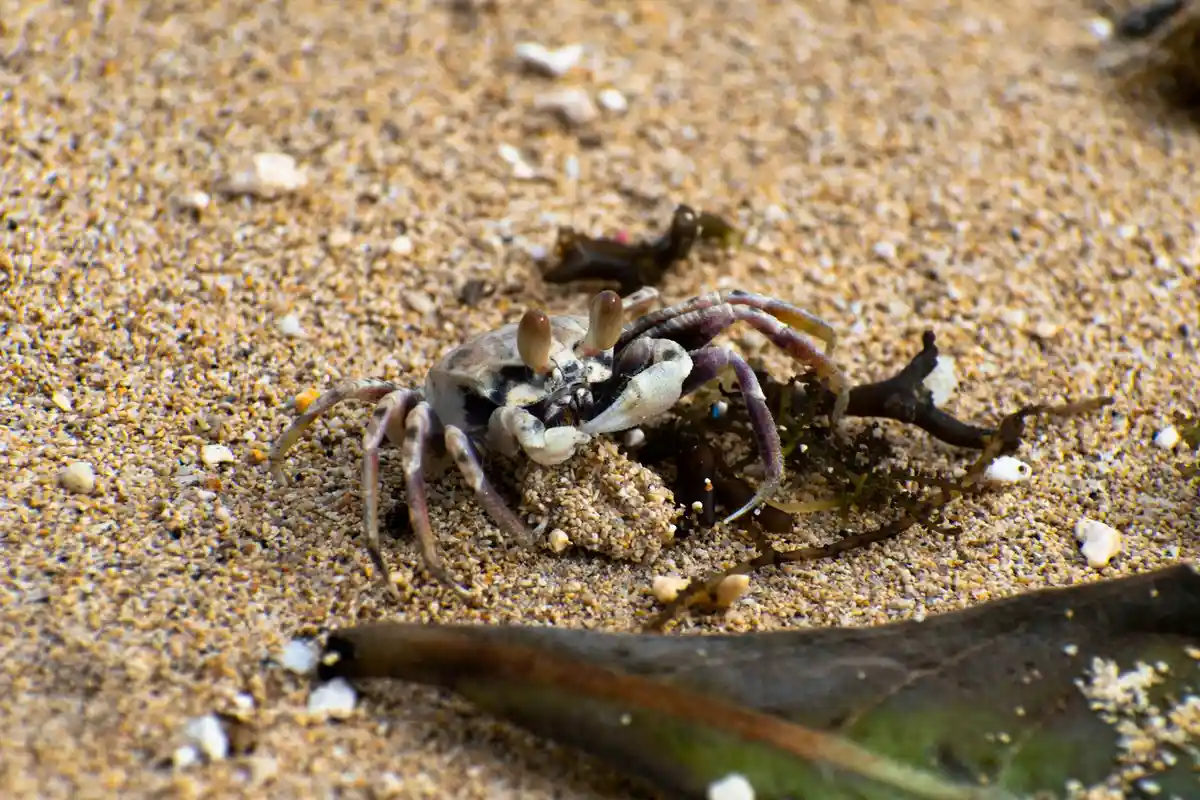
Walking into a place that sells hermit crabs can feel overwhelming. Your first and most powerful tool is your own observation. Before you even ask a question, look around. A good seller’s primary enclosure should be a miniature version of the habitat you’re trying to create at home. Remember, the goal is to create a hermit crab friendly environment at home. As you observe, think about whether this setup would translate into a safe, humid, and enriching habitat for your future crab.
Key Questions to Ask Any Seller
Don’t be shy about asking these questions. A knowledgeable and caring seller will be happy to answer them.
- What is the humidity level in this enclosure, and how do you maintain it?
- What is the temperature gradient, and what heat sources are you using?
- What is their daily diet? (Look for a mention of fresh foods, calcium, and protein, not just commercial pellets).
- What is your source for these crabs? Are they wild-caught or captive-bred?
- Do you provide both fresh and salt water pools, and how often are they cleaned?
- What variety of shells are available to them right now?
Major Red Flags for Poor Hermit Crab Care
Some signs of neglect are immediate deal-breakers. I’ve walked away from many potential purchases because of these issues.
- Dirty or foul-smelling habitats indicate a lack of regular cleaning, which can lead to bacterial infections.
- Crabs that are out of their shells, lethargic, or not moving at all are often severely stressed or ill.
- Painted shells are a huge red flag; the paint can be toxic and prevents the crab from choosing a proper home.
- No access to both fresh and salt water is a basic care failure that compromises their health.
- An enclosure that is dry or uses gravel instead of a moisture-holding substrate like sand and coconut fiber.
- Only one type of shell is available, usually the wrong kind, limiting the crabs’ ability to grow.
Verifying Seller Credibility and Health Guarantees
Trust is earned. A reputable seller, especially a breeder, will have a track record.
- Ask for references or look for online reviews from other hermit crab owners.
- A good breeder will often ask you questions about your setup to ensure you’re prepared.
- Inquire if they offer any short-term health guarantee. While not always possible, it shows they stand behind the animals they sell.
- Observe how they handle the crabs; they should be gentle and respectful, not grabbing them forcefully.
Making an Informed Decision Based on Your Situation
There isn’t one single right answer for everyone. The best choice depends entirely on your personal circumstances and what you hope to achieve as a crab keeper. For your experience level, choosing the right hermit crab species matters. Beginners should start with hardy, easy-care options, while more seasoned keepers can explore more demanding choices. I’ve sourced my crabs from both places, and each experience taught me something different.
Factors to Weigh Before You Buy
Be honest with yourself about where you are in your hermit crab journey.
- Your Experience Level: Beginners might find a pet store crab less intimidating, while experienced keepers may seek the challenge and reward of a captive-bred crab from a breeder.
- Your Budget: Pet store crabs are cheaper upfront, but may have hidden health costs. Breeder crabs cost more initially but are often hardier.
- Ethical Priorities: If supporting sustainable, captive-breeding practices and avoiding the wild pet trade is important to you, a breeder is the clear choice.
- Crabbing Goals: Are you looking for a specific, rare species like a Strawberry? You will almost certainly need a specialized breeder.
A Step-by-Step Guide to Your Choice
Follow this simple process to narrow down your options logically.
- Assess Your Readiness: Is your habitat fully set up, heated, and humidified? If not, wait.
- Research Local Options: Search for independent pet stores with good reptile/invert sections and look for hermit crab breeders online or at expos.
- Visit and Observe: Go to the locations without the intent to buy. Use the red flag checklist above.
- Ask Your Questions: Gauge the staff’s or breeder’s knowledge with your prepared list of questions.
- Make Your Choice: Weigh the health of the animals, the seller’s knowledge, and your own ethical comfort level.
My Personal Experience with Sourcing Crabs
My first crab, Hermes, came from a general pet store. I didn’t know any better. He was curious and active, but it took weeks for him to truly thrive after the stress of his previous home. My Ecuadorian, Apollo, came from a dedicated breeder I met at an expo. The difference was night and day. Apollo was larger, more vibrant, and settled into his new home without any of the stress-related issues Hermes displayed. For me, the higher cost of a breeder crab is now worth the peace of mind and the stronger, healthier start they have in life.
Essential Steps After Bringing Your Hermit Crab Home
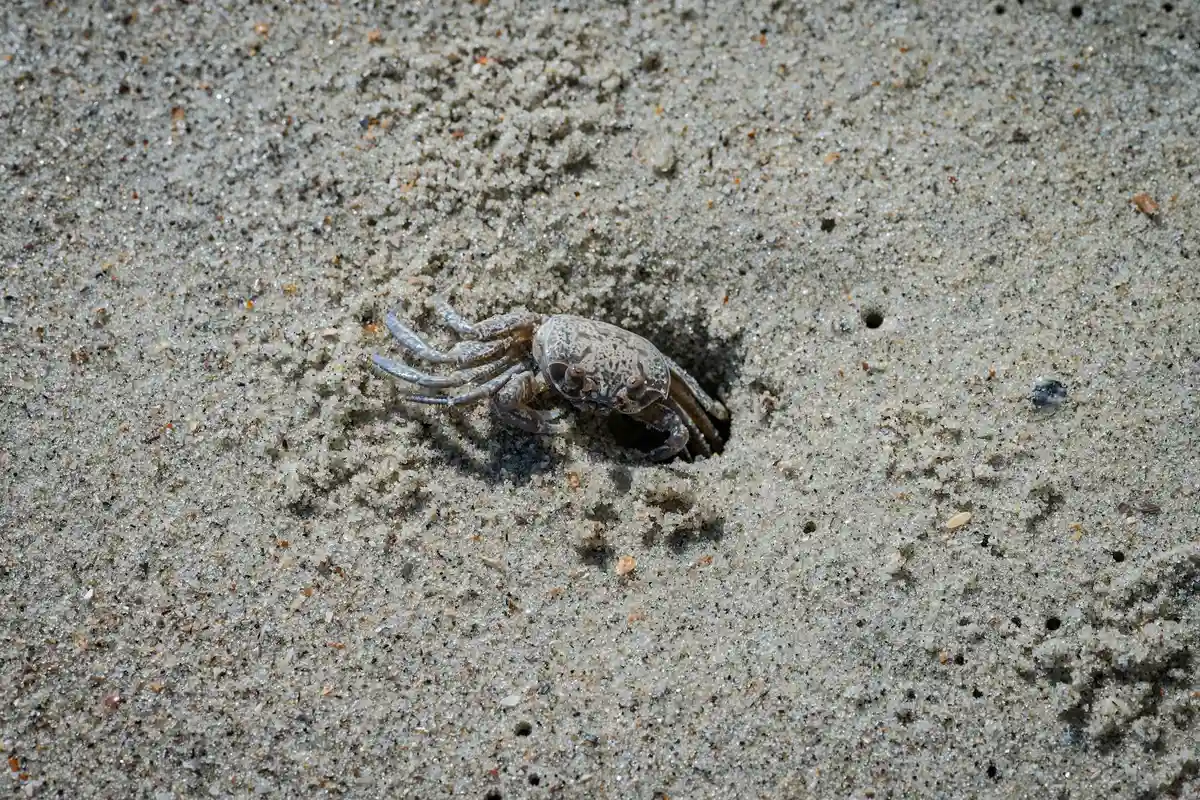
You have your new crab, and the excitement is real. I’ve been there many times. Your first job is to protect your existing crab family, which means a strict quarantine period is non-negotiable. New arrivals can carry mites or invisible illnesses that could devastate your established tank.
Your Quarantine Protocol
I keep a separate, simple ten-gallon tank just for this purpose. Your quarantine should last a minimum of 30 days. Here is my exact procedure:
- House the new crab in a completely separate enclosure, in a different room if possible.
- Use paper towel as a temporary substrate-it’s sterile and lets you spot mites or unusual waste easily.
- Provide a shallow dish of fresh water and a dish of salt water, along with a small food dish.
- Wash your hands thoroughly with unscented soap before and after handling anything in the quarantine tank.
- Never share tools, food dishes, or décor between the quarantine and main habitat.
Setting Up the Perfect Enclosure
While your crab is in quarantine, you can perfect its future home. A proper habitat is the single biggest factor in your crab’s long-term health. Getting the substrate right is your foundation for success, literally and figuratively.
- Substrate: Use a 5:1 mix of play sand and coconut fiber. It should be sandcastle-wet-clumps in your hand but doesn’t drip. Make it deep. For my larger crabs like Zeus, I provide a minimum of 8 inches, but deeper is always better to allow for safe molting.
- Humidity & Heat: Hermit crabs breathe through modified gills and need humid air. Aim for 70-80% humidity. I use a digital hygrometer to monitor it. Pair this with a under-tank heater on the side of the tank (never the bottom) to maintain a warm 75-80°F temperature gradient.
- Shell Shop: This is critical. Offer a variety of natural, untreated turbo-shaped shells. My crab Apollo is picky and will try on five shells before choosing one. A good rule is 3-5 extra shells per crab. Avoid painted shells-the paint can trap toxins and peel off inside the shell.
- Food & Water: Provide two deep pools-one for fresh dechlorinated water and one for marine-grade salt water. They need to be deep enough for your largest crab to fully submerge. For food, skip commercial pellets. I feed mine a natural mix of unsalted nuts, dried shrimp, crushed cuttlebone, and fresh fruits like mango.
Enrichment and Acclimation Monitoring
Once your crab clears quarantine and moves into its permanent home, the real observation begins. Don’t be alarmed if your crab digs down and disappears for a few days; this is normal de-stressing behavior. My crab Athena did this for a full week when I first got her. It was her way ofselves” dealing with stress.
To make them feel secure and engaged:
- Add safe climbing structures like cholla wood, reptile vines, and nets.
- Provide hiding places like half-coconut huts or cork bark flats.
- Scatter leaf litter (like magnolia or oak) for them to forage through and eat.
- Observe their activity at night when they are most active. A healthy crab will explore, eat, and perhaps even chirp.
Watch for consistent eating, drinking, and activity. A crab that remains buried for many weeks, however, could be preparing for a molt or signaling that something in the environment is still not quite right. Patience and quiet observation are your greatest tools during this acclimation period.
FAQs
How does the source of a hermit crab affect its behavior and temperament?
Wild-caught crabs from pet stores often exhibit higher stress levels and skittishness due to their traumatic capture and transport. In contrast, captive-bred crabs from breeders tend to be calmer and more observant, as they are raised in stable, home-like environments from birth.
What are the hidden costs associated with hermit crab care that beginners might overlook?
Beyond the initial setup, expenses like specialized substrates, marine salt for saltwater pools, and ongoing supplements for molting can add up quickly. Additionally, potential vet bills for stress-related illnesses in wild-caught crabs are a common unforeseen financial burden.
Are there any legal or conservation concerns with buying wild-caught hermit crabs?
Wild collection can impact local ecosystems by depleting natural populations, though specific regulations vary by region. Choosing captive-bred crabs supports sustainable practices and helps reduce the demand for wild harvesting.
Making Your Final Decision
Ultimately, your choice comes down to your priorities: the immediate convenience of a pet store versus the long-term health and ethical assurance of a dedicated breeder. While I’ve had wonderful crabs from both sources, the stark difference in their initial health and hardiness has made me a strong advocate for seeking out breeders whenever possible. No matter where your new friend comes from, your most vital jobs begin at home-providing a proper quarantine period and setting up a thriving habitat are non-negotiable for their well-being.
Further Reading & Sources
- Hermit crab – Wikipedia
- Safe Food List – Krabitat
- Kilimanjaro’s Hermits: Kilimanjaro’s Guide to Hermit Crab Nutrition
The Crab Central is your ultimate resource for hermit crab enthusiasts, providing expert advice and practical tips to ensure the health and happiness of your shelled companions. With years of experience in crustacean care, we are dedicated to offering accurate, up-to-date information to support your hermit crab journey. Our mission is to foster a community of responsible hermit crab owners who are passionate about the well-being of these fascinating creatures.
How to Adopt a Hermit Crab