
Hermit Crab Travel Carriers: What to Look For
Published on: December 25, 2025 | Last Updated: December 25, 2025
Written By: The Crab Guru
Are you planning a vet visit or a move and need to transport your hermit crab safely?
With five hermit crabs of my own, like the curious Hermes and the calm Athena, I’ve learned through trial and error how to choose a carrier that keeps them secure and stress-free.
A small, secure container with air holes is better than a large, open one that can lead to dangerous escapes.
We will explore carrier size, essential safety features, proper setup, and how to choose based on your crab’s unique personality. This essential guide to raising hermit crab pets will help you translate these basics into a thriving home. You’ll also gain practical tips for daily care and enrichment.
Why Proper Ventilation is Critical for Crab Health
Hermit crabs have modified gills and rely on humid air to breathe properly, making airflow a non-negotiable feature in any travel carrier. A stuffy, stagnant environment quickly becomes a death trap, stressing their systems and drying out their delicate gills. The goal is a gentle exchange of air that maintains humidity without creating a dry, drafty tunnel. Humidity isn’t just about breathing—it also plays a key role in their health during molting. Proper humidity levels help soften the old shell and support a safe molt.
Look for carriers that use these ventilation types:
- Fine Mesh Panels: These offer excellent, distributed airflow and are my top choice for longer journeys.
- Closely Spaced Air Holes: Small holes, about the diameter of a pencil, work well if they are numerous and placed on multiple sides.
Avoid any carrier with large, gaping openings that a determined crab could exploit for an escape attempt.
I learned this the hard way with my curious Caribbean crab, Hermes. I once used a cheap, poorly ventilated container for a short vet trip. Within thirty minutes, he was visibly stressed, pacing frantically and trying to climb the slick walls. The air inside felt heavy and stale. I immediately switched him to a mesh-sided carrier, and his demeanor calmed within minutes. That experience cemented my belief that you can never compromise on airflow.
Selecting the Right Size and Interior Space
Choosing a carrier isn’t about finding the smallest possible box. Your crab needs enough room to move around, readjust its shell, and not feel trapped. A cramped carrier induces immense stress, which can lead to shell abandonment or limb loss. Understanding why hermit crabs change shells—through shell selection and evacuation behavior—helps explain why proper housing matters. A cramped carrier can trigger shell switching and stress responses.
Follow this simple guide for sizing:
- For one small crab: A carrier with a 5″ x 8″ floor space is a good minimum.
- For multiple crabs or a large species: Scale up significantly. For my two Caribbeans together, I use a carrier with at least a 10″ x 12″ base.
- Always account for height: Crabs are climbers. A taller carrier allows for safer exploration and prevents them from easily reaching the lid.
The interior must be practical. Opt for smooth, solid plastic walls that can hold a shallow layer of damp substrate, like coconut fiber, to maintain humidity. I always add a bottle cap water dish and a tiny hide, like half a coconut shell, to make my crabs feel secure. My Ecuadorian hermit crab, Apollo, is a perfect example. He is far more relaxed in a spacious carrier where he can wander and investigate his temporary home, compared to a tight fit where he just hunkers down in fear. For more on keeping your crab comfortable, ensure proper humidity and water conditions.
Evaluating Material Safety and Durability
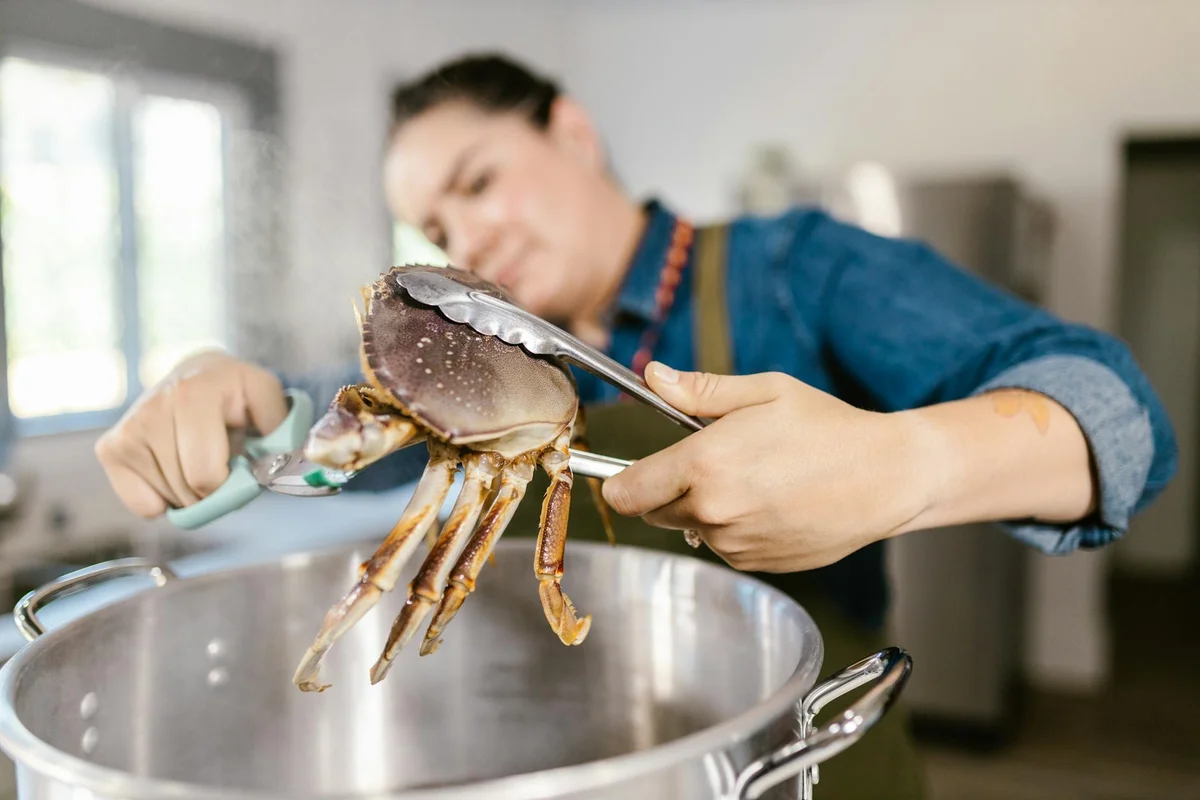
Choosing the right material for a travel carrier is not just about convenience; it’s a direct line to your crab’s safety and comfort. The best carriers use non-toxic, crush-resistant plastics that are completely smooth and free of any sharp seams that could injure a delicate crab. A waterproof lining is a feature I now consider non-negotiable, as it allows you to maintain a humid microclimate inside the carrier with a damp sponge, which is vital for their gill health during any trip longer than a few minutes.
Non-Toxic and Pet-Safe Options
Hermit crabs investigate their world with their mouthparts, constantly tasting and touching surfaces. A carrier made with harmful chemicals or soft, chewable plastic poses a serious risk. I always look for carriers explicitly labeled as non-toxic and made from food-grade or ABS plastic, which are inert and safe for curious crabs. Houseplants and many everyday household items can be poisonous to hermit crabs if they chew or nibble on them. Keeping the enclosure free of such hazards is part of making sure Athena stays healthy while she investigates. My crab Athena, who is very calm, will often sit and gently tap her claws against the walls for hours; I need to know that surface is perfectly safe for that constant, low-level contact.
Durability and Crush Resistance
A flimsy carrier is a terrifying prospect if it gets jostled in a car or has a bag placed on top of it. You need a shell for their shell-a carrier sturdy enough to protect them from external pressure and their own powerful claws. My assertive crab Zeus has tested the limits of every carrier I’ve owned; his persistent pushing on a weak corner lid taught me to invest in a single-piece, heavily reinforced design. I’ve also found that carriers that withstand Poseidon’s enthusiastic digging without cracking are the ones that truly last for years.
Ensuring Security with Escape-Proof Designs
The heart-stopping fear of a missing crab is something no owner wants to experience, especially on the road. An escape-proof design is your primary defense, starting with secure, double-latching closures that require two separate motions to open. Simple snap lids are a gamble I no longer take after a close call with my fast-moving crab, Hermes, who nearly leveraged a lid open during a short drive home from the beach.
Before any crab ever goes inside, I perform a simple security test. I firmly latch the empty carrier, shake it vigorously, and try to pry the lid open with my fingers without using the latches. If I can feel any flex or hear a clicking sound, it’s not secure enough. This pre-travel ritual has saved me from potential disasters and given me immense peace of mind. Look for carriers with latching mechanisms that are recessed or otherwise difficult for a determined crab to manipulate from the inside.
Portability for Hassle-Free Transport
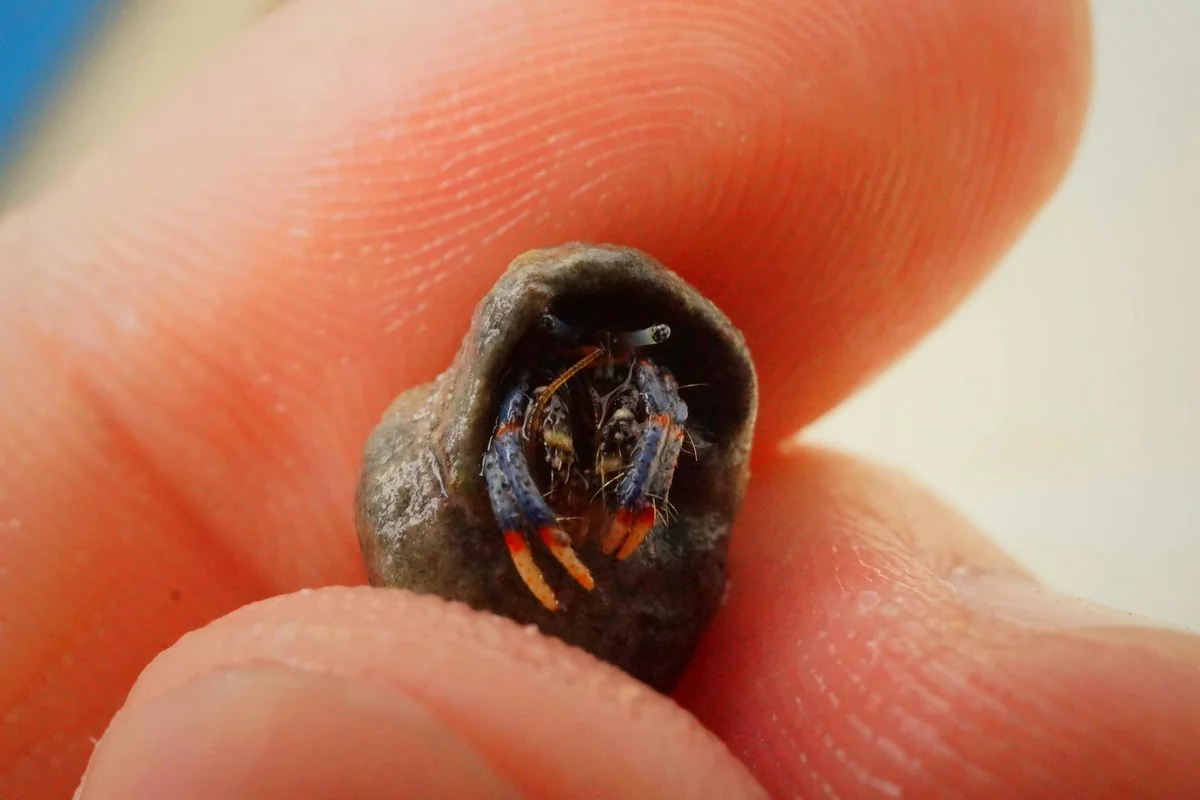
When you need to move your crabs, whether it’s to a new home or just to a different room for tank cleaning, the carrier itself shouldn’t be a burden. A good handle or a secure carry strap is non-negotiable for keeping the carrier steady and your hands free. You do not want to be fumbling while holding a container full of live animals. For beginners, this ties into the hermit crab handling dos and don’ts: keep handling minimal and always support the crab’s body. Never grab by the claws or legs, and move slowly to minimize stress.
Look for carriers made of lightweight but sturdy plastic. They are much easier to manage than glass tanks. For airline travel, the carrier must typically fit under the seat in front of you. Always check with your specific airline for their exact dimensions, but a carrier around 19 inches long is a common safe bet.
From my own moves with Poseidon, who gets stressed easily, I learned a valuable lesson. I now always choose a carrier with a top-opening lid and a secure side handle. This two-point access makes it incredibly easy to check on him or quickly mist the enclosure without fully unstrapping or unclipping anything. It turns a potentially chaotic process into a smooth, one-handed operation.
Setting Up the Carrier for a Comfortable Journey
A bare carrier is a scary, stressful place for a hermit crab. You need to replicate a tiny, safe version of their main tank. Follow these steps to create a mobile sanctuary.
- Add a shallow layer of substrate. I use pre-moisted Eco-Earth or play sand, about an inch or two deep. This gives them something familiar to grip and allows for minor burrowing if they feel the need to hide.
- Include miniature versions of their water sources. Two small, shallow bottle caps work perfectly-one for fresh water and one for saltwater. I always wedge a small piece of natural sponge into each. This prevents big spills and provides a source of moisture they can drink from directly.
- Never forget a hide. A small, half-buried terracotta pot, a piece of cork bark, or even a clean, opaque plastic container with a door cut out will do. This gives them a dark place to retreat and feel secure, which drastically reduces travel stress.
Humidity is everything for their gills to breathe properly. I always give the substrate and the inside walls a heavy mist with dechlorinated water right before sealing the carrier for the journey. If the trip will be longer than an hour, I might place a damp paper towel over the top of the substrate, under the hide.
Temperature stability is the other critical factor. I never place the carrier in direct sunlight or right in front of an air conditioning vent. My routine involves wrapping the carrier in a towel to act as a buffer against sudden temperature swings in the car. I learned this after a short vet trip with Apollo; the draft from the car window made him far more lethargic than usual. Now, the towel is a standard part of our travel kit.
Travel Best Practices to Minimize Stress
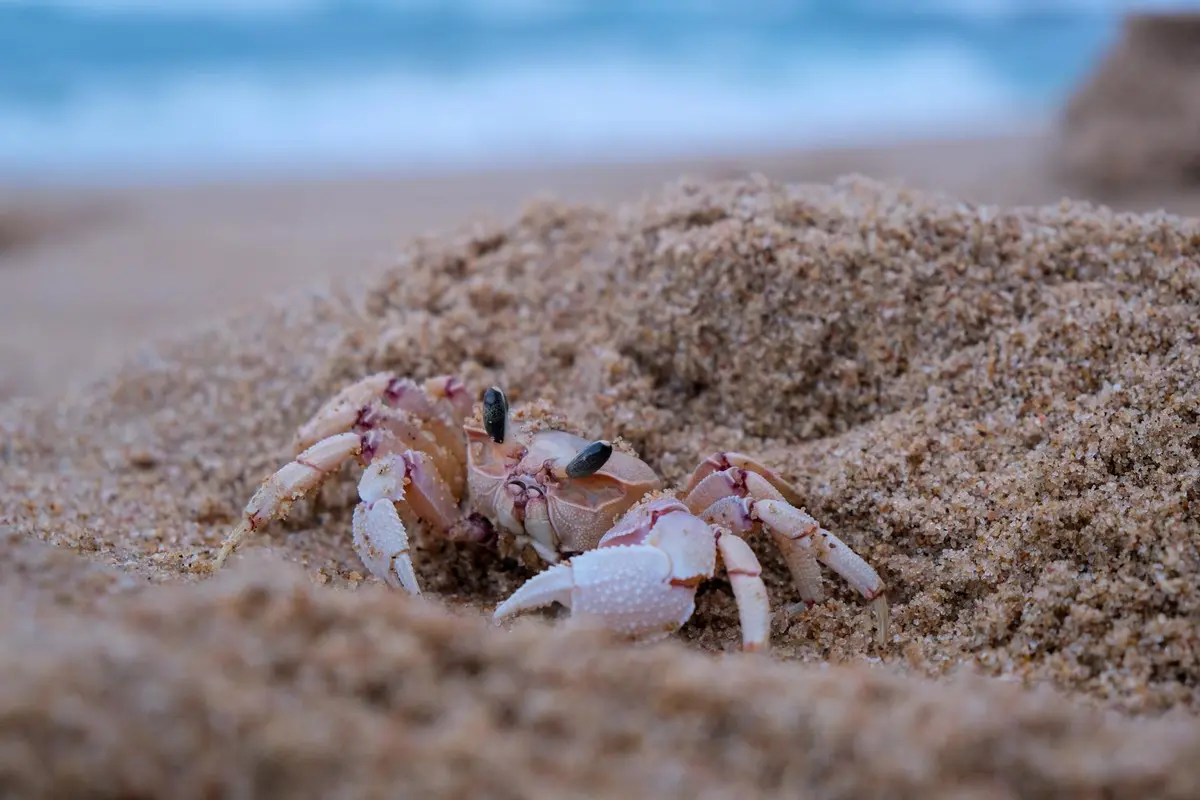
Keeping Movements Smooth and Calm
When you transport your hermit crabs, think of the carrier as their tiny, mobile home. I always drive with extra care, accelerating and braking gradually to prevent jostling. Any sudden movement can make them feel threatened, causing them to withdraw deep into their shells. From traveling with Hermes, my curious Caribbean crab, I learned that even a quick lane change can spook him. Keep the carrier secured on a flat surface, like the car floor, and avoid placing it on seats where it might slide. For the safest way to transport your hermit crab, always ensure the carrier is stable and secure.
Managing Temperature and Observing Behavior
Hermit crabs rely on stable warmth, much like their native tropical habitats. I use a small digital thermometer inside the carrier to keep tabs. Aim for a temperature between 75-85°F; anything outside this range can cause stress or lethargy. Equally important is avoiding overheating or chilling; extreme temperatures stress hermit crabs. Keep conditions steady with good airflow and shaded areas to prevent temperature swings. My Ecuadorian crab, Apollo, loves basking, so I might use a hand warmer wrapped in a towel for longer trips in cool weather. Watch for clues in their behavior—if they are unusually still or not exploring, the temperature might be off. Poseidon, who enjoys damp sand, will often soak in his water dish if he’s comfortable, but he hides if it’s too cold.
Personal Insights from My Crab Family Adventures
Over the years, I’ve taken my five hermit crabs on short trips, and each journey taught me something new. Zeus, my assertive Caribbean crab, once guarded the food dish so fiercely during a car ride that I now provide multiple feeding spots to prevent squabbles. I always pack a small spray bottle to mist the carrier lightly, mimicking the humidity they crave. Properly handling your hermit crab means learning their behavior and recognizing stress signals—watch for sudden stiffening, rapid leg movements, or retreating into their shell. Athena, my calm Strawberry crab, prefers a quiet corner, so I make sure her section of the carrier is partly covered with a cloth. These small adjustments, based on their unique personalities, make travel safer and less stressful for everyone. By listening to these cues and adjusting your approach, you help keep travel calm for both you and your critters.
FAQs
How do I properly clean and maintain a hermit crab travel carrier?
After each use, disassemble the carrier and wash it with warm, soapy water, then rinse thoroughly to remove any residue. Allow it to air dry completely before storing to prevent mold growth and ensure it’s ready for the next trip.
Can I use a DIY container as a travel carrier for my hermit crab?
While DIY options can work, they must meet key safety criteria such as secure lids and proper ventilation to prevent escapes and maintain humidity. Always test for escape-proof features and ensure the material is non-toxic and smooth to avoid injuries.
What should I pack in a travel kit for longer hermit crab journeys?
Include extra substrate, dechlorinated water, a small spray bottle for misting, and spare hides to refresh the carrier environment and reduce stress. Also, pack a thermometer to monitor temperature and a towel for insulation against sudden changes.
Your Hermit Crab’s Travel Checklist
When selecting a travel carrier, prioritize secure, escape-proof construction and proper ventilation above all else. A small, dark, and stable environment will keep your crab calm, while a few simple comforts from home make any journey less stressful for them. With the right carrier, you can ensure your hermit crab’s safety and comfort, leading to a much happier hermit crab at your final destination. Do the same at home: create a hermit crab friendly environment with a secure, well-ventilated enclosure and stable humidity. A calm, comfortable home supports a happier, healthier crab.
Further Reading & Sources
- Amazon.com : Hermit Crab Cage Portable Travel Terrarium Carrier Temporary Habitat Pet Home with Handle, Set of 2 : Pet Supplies
- DHgate.com:Portable Reptile Carrier: 2-Pack Travel Habitat for Hermit Crabs & Small Pets – Shop Now!:Pet Supplies
- Hermit Crab Paradise » Crab Care » Travelling » Transportation
The Crab Central is your ultimate resource for hermit crab enthusiasts, providing expert advice and practical tips to ensure the health and happiness of your shelled companions. With years of experience in crustacean care, we are dedicated to offering accurate, up-to-date information to support your hermit crab journey. Our mission is to foster a community of responsible hermit crab owners who are passionate about the well-being of these fascinating creatures.
Essential Supplies