
Hermit Crab Safety: Child and Pet Interactions
Published on: January 4, 2026 | Last Updated: January 4, 2026
Written By: The Crab Guru
How do you ensure safe and positive encounters between your hermit crabs, children, and other household pets?
With five hermit crabs of my own, from the curious Hermes to the assertive Zeus, I use my hands-on experience to guide you through creating a secure environment for everyone.
Always supervise interactions closely to protect both the delicate crabs and the curious participants.
You will learn how to set clear handling rules, identify signs of crab stress, safely introduce other pets, and choose the best play activities for kids.
Understanding Hermit Crab Behavior for Safe Interactions
To keep both your child and your crab safe, you first need to speak a little of their language. Hermit crabs are not cuddly pets; they are wild animals with instincts for survival. Their behaviors are constant, quiet conversations about their comfort and stress levels, even if they can’t verbally share their feelings. I’ve learned this through years of watching my own crew.
My crab Hermes, for instance, is a born explorer. He is constantly on the move, testing the lid of the tank and scaling decorations. This isn’t him being “playful”-it’s pure, natural curiosity and a drive to find resources. Apollo, on the other hand, shows his contentment by sitting perfectly still under the heat lamp, often with a leg slightly raised. Recognizing these baseline behaviors helps you spot the subtle shifts that signal fear.
What Your Hermit Crab’s Actions Are Telling You
- Hiding in its shell: This is the most basic defense. A crab that retracts completely feels threatened or scared. If this happens during an interaction, it’s time to give them space.
- Pinching: This is not an act of aggression, but one of self-preservation. A crab will pinch if it feels it is falling or if it is handled too tightly. My crab Zeus will give a warning pinch if he’s lifted incorrectly, a clear message to adjust my grip.
- Climbing: Crabs are natural climbers! This is normal, healthy behavior. Just ensure their habitat has secure climbing surfaces so they don’t take a dangerous fall.
- Active and Curious: When a crab is slowly moving with its antennae waving, it’s comfortable and investigating its surroundings. This is the ideal state for a brief, supervised interaction.
- Burrowing/Digging: Like my crab Poseidon loves to do, this is natural behavior for molting, de-stressing, or simply regulating moisture. A buried crab should never be dug up or disturbed.
Safe Handling Techniques for Children
The golden rule for kids and hermit crabs is simple: look, don’t touch, is often the best policy. When you do decide to allow handling, it must be a calm, structured activity. I taught my young niece using this exact method, turning it into a quiet lesson in respect rather than a play session.
Step-by-Step Guide to Gentle Handling
- Wash Hands: Always start with clean, scent-free hands. Lotions, food smells, or soap residue can irritate or confuse the crab.
- Create a “Stage”: Sit on the floor with your child over a large, soft towel or a low-to-the-ground surface. This prevents long, scary falls.
- The Flat Palm Approach: Gently place the hermit crab onto your child’s open, flat palm. Never let a child grab or pick up the crab themselves.
- Move Slowly: Encourage your child to move their hand like a slow-moving elevator, not a roller coaster. Sudden jerks will startle the crab.
- Keep it Short: Limit handling sessions to just a few minutes. This prevents the crab from becoming stressed or too cold.
- Return Gently: To put the crab back, lower your hand to the substrate and let the crab walk off on its own.
Constant, attentive supervision is non-negotiable during any interaction. Your job is to watch the crab’s body language and your child’s movements simultaneously.
Quick Do’s and Don’ts for Kids
- DO use a quiet, indoor voice.
- DO keep handling sessions very brief.
- DO always handle crabs close to the ground.
- DON’T poke, tap, or blow on the crab.
- DON’T pull on their shell or any limbs.
- DON’T handle a crab that is hiding deep in its shell.
Managing Hermit Crab Encounters with Household Pets
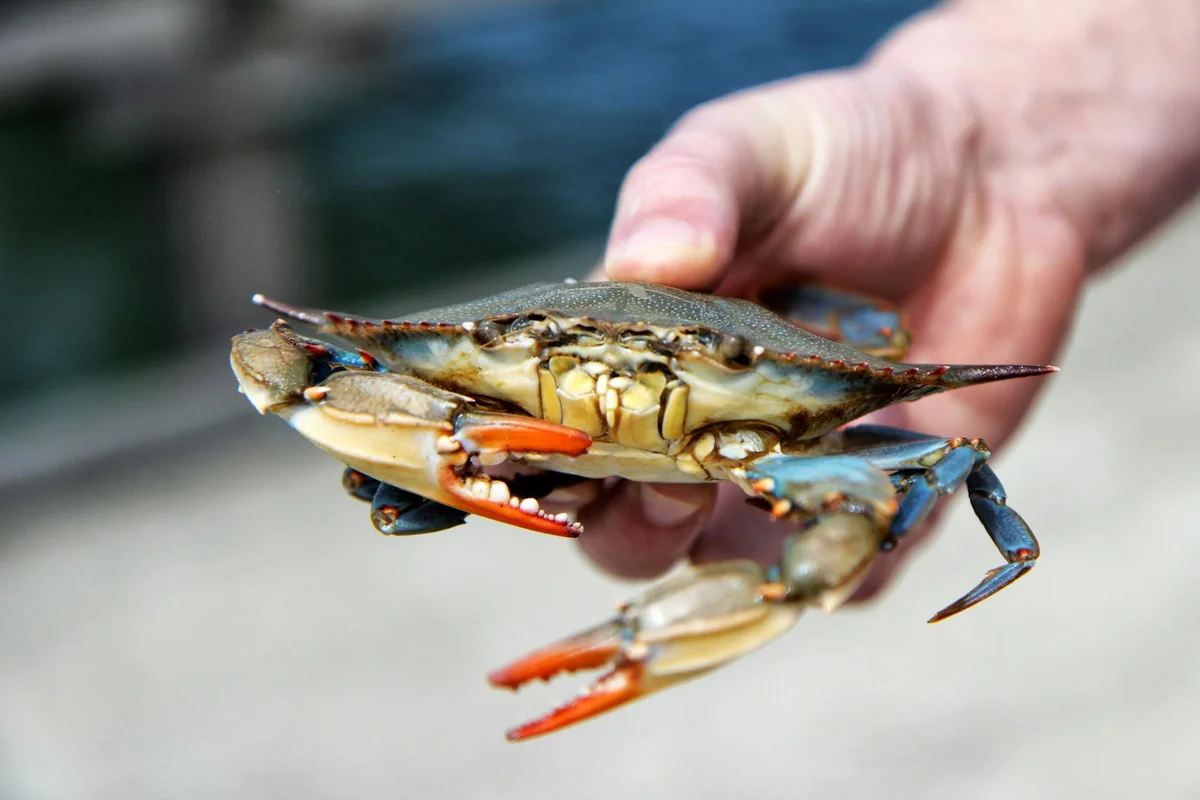
In my home, my hermit crabs share space with a very curious cat named Luna. I learned very quickly that a cat’s natural hunting instinct and a dog’s playful curiosity can turn a peaceful crab tank into a source of extreme stress, or worse, a scene for an accident. The single most important rule is to never, ever allow direct contact between your hermit crabs and other pets. Predator awareness means always considering threats from curious or predatory pets and providing barriers when needed. This vigilance helps protect your hermit crabs from harm and keeps your other pets safe.
Understanding the Risks
Cats see the tank as an intriguing box of slow-moving toys. Their batting paws can topple decorations and even crack glass. Dogs, with their powerful sniffing and potential for tail wags, can accidentally knock over an entire stand. For the hermit crab, this attention is terrifying. The stress can cause them to abandon their shells, a life-threatening situation. Hermit crabs bury themselves as a natural defense to hide from threats. Understanding this burrowing and hiding behavior helps explain their stress responses and how to keep them safe.
- Cats: Pose a threat with their claws through ventilation holes and their ability to pry open insecure lids.
- Dogs: Risk crushing shells by stepping on a crab or causing tank damage with a single excited bump.
- Stress: Constant predator presence can suppress a crab’s natural behaviors like eating and molting.
Steps for a Safe Introduction
You can satisfy your furry friend’s curiosity without putting your crabs in danger. I did this with Luna over a week, and she now largely ignores the tank.
- Supervised Observation: With the tank lid securely fastened, allow your cat or dog to look from a short distance. Use a firm “leave it” command. Keep sessions under five minutes.
- Use a Physical Barrier: I placed a small, decorative wire fence around the base of my crab tank’s stand. This prevents my dog from getting his nose right against the glass and gives the crabs a visual break.
- Provide an Alternative: Redirect your pet’s attention. After a short looking session, engage your cat with a feather wand or give your dog a chew toy away from the crab habitat.
The goal is not for them to become friends, but for your larger pets to learn the crab tank is a boring, non-interactive part of the house. Consistency is your best tool for preventing stress or a tragic injury.
Creating a Secure Habitat to Prevent Accidents
A secure tank is your hermit crab’s fortress. It protects them from household dangers and from their own surprisingly adept climbing skills. After finding my crab Hermes halfway up a bookshelf one morning, I became an expert in escape-proofing.
Essential Tank Setup for Safety
Your setup choices directly impact your crab’s physical safety and long-term health.
- Lids: You need a solid, locking lid. Screen lids are common, but a determined cat can sit on them and sag the screen, or a crab can cling to it. I use a glass canopy with a locking clip for my main tank.
- Substrate Depth: Crabs need to dig and bury themselves to molt safely. A depth of 6 inches or three times the height of your largest crab is a minimum. My crab Zeus molts successfully with 8 inches of sand and coconut fiber mix.
- Hiding Spots: Multiple hides, like half-log tunnels and coconut huts, give crabs a sense of security. This reduces stress from external activity, like a dog walking by.
My Personal Enclosure Tweaks
Beyond the basics, I made small adjustments that made a huge difference.
I noticed my crabs were often clustered in one humid corner. I moved their moss pits and water pools to create two distinct humid zones, which spread them out and reduced competition. I also swapped tall, thin climbing toys for wider, more stable pieces of cholla wood and cork bark to prevent falls from the top of the tank.
Safety and Habitat Checklist
Run through this list weekly to ensure your crab’s home remains a safe haven.
- Escape-Proofing:
- Is the lid securely locked or weighted down?
- Are all heater cords and airline tubes managed so they don’t create a ladder to the top?
- Is the substrate deep enough for molting and not piled high in the corners for easy climbing?
- Environment:
- Is the humidity between 70-80%? Use a digital hygrometer.
- Is the temperature on the warm side 75-85°F? Use two digital thermometers.
- Are water dishes deep enough for soaking but have a safe way to climb out?
A properly maintained habitat is the foundation of hermit crab welfare, preventing escapes, molting complications, and respiratory issues. A quick daily glance and a thorough weekly check are simple habits that ensure your crabs thrive. Avoiding common hermit crab habitat mistakes helps keep the enclosure safe, stable, and comfortable for them.
Recognizing Stress and Implementing First Aid
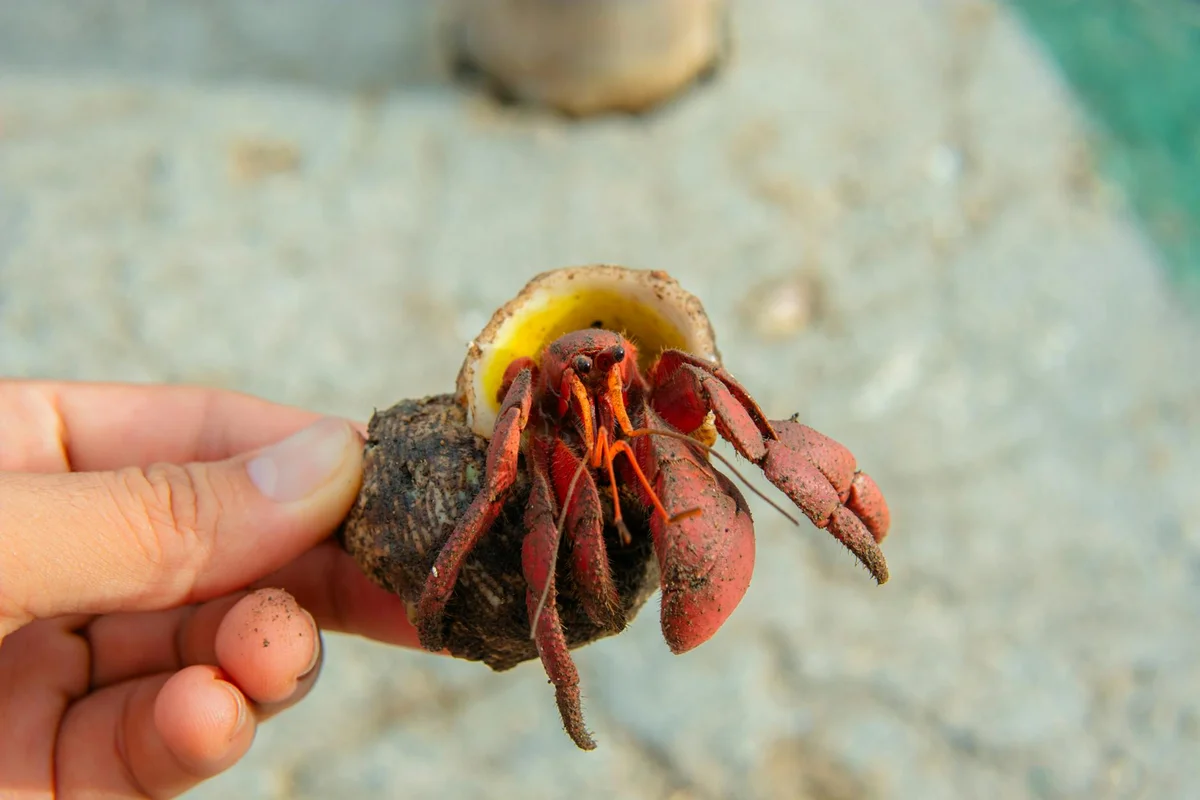
Learning to read your hermit crab’s body language is your most powerful tool for ensuring its well-being. These subtle creatures communicate distress through their behavior, not sound, so your watchful eye is their first line of defense. I learned this firsthand with Apollo, my Ecuadorian hermit crab, who one day refused to leave his hideout and stopped investigating his food. His usual, curious self had vanished, replaced by a reclusive and lethargic shell-dweller. If you want to understand hermit crab behavior decoded, especially when they are stressed or unwell, it’s essential to know what to watch for.
Common Signs of Stress to Watch For
- Excessive hiding for days, even at night when they are typically active.
- Lethargy and a lack of interest in food or exploring.
- Aggressive behavior like shell fighting or attempting to pull another crab from its shell.
- Spending unusual amounts of time in the water dish or buried deep in the substrate.
- Limpness or a crab that falls out of its shell easily, which is a severe emergency.
Immediate First Aid Actions
If you notice any of these signs, your quick response can make all the difference. Knowing when your crab is stressed helps you decide what to do next. Your first priority is to isolate and stabilize the stressed crab to prevent further harm. Gently move the crab to a temporary, quiet enclosure with its own food, water, and a few shell options. Ensure the temperature and humidity are perfect. For a crab that seems weak, offering a drop of natural honey mixed with dechlorinated water near its mouthparts can provide a quick energy boost.
While many issues can be resolved with better habitat conditions, some signs demand professional help. You should consult an exotic veterinarian if you see persistent lethargy, a foul odor, visible mites, or if your crab has dropped its limbs or is out of its shell. These can be signs of serious illness or injury that require expert care.
| Symptom | Immediate Remedy |
|---|---|
| Hiding & Lethargy | Check habitat temperature and humidity. Offer a favorite food like dried shrimp in a quiet space. |
| Aggression & Shell Fighting | Provide more empty, appropriate-sized shells. Ensure multiple food and water dishes are available. |
| Constant Soaking in Water Dish | Verify your humidity levels are high enough and that both fresh and saltwater dishes are full and clean. |
| Foul Odor or Visible Mites | Immediately isolate the crab. This is a vet-level situation requiring professional diagnosis and treatment. |
Hygiene and Health Measures for Everyone’s Safety
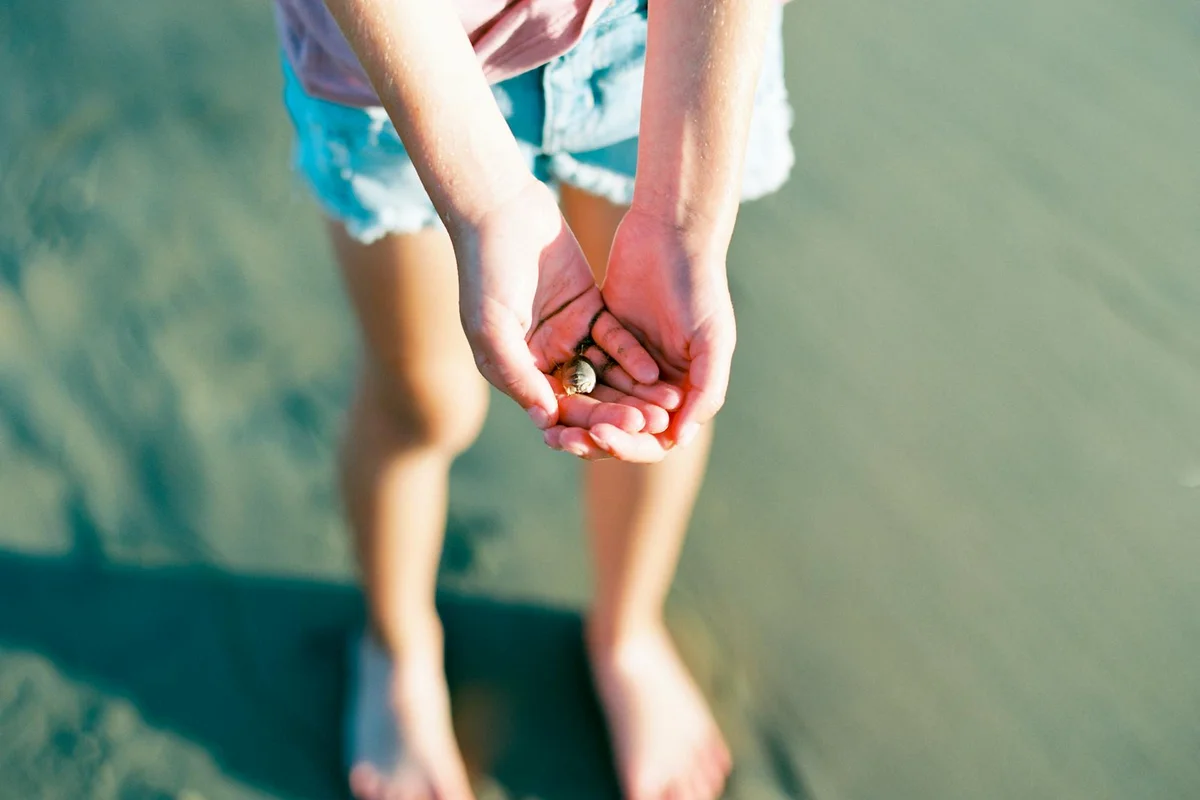
A clean environment is non-negotiable for keeping both your family and your hermit crabs healthy. Simple hygiene is the barrier that protects your crabs from our germs and protects us, especially children, from potential bacteria like salmonella. I make it a non-negotiable rule in my house that everyone, including myself, washes their hands right before and immediately after any tank interaction. Odors in the tank often signal organic buildup or poor filtration that can harm crab health. Regular cleaning, substrate changes, and prompt removal of uneaten food are essential hygiene solutions to prevent smells.
Allergy Considerations
While not extremely common, some people can have allergic reactions to hermit crabs or, more often, to the substrate or mites in the tank. If a child develops a rash, sneezing, or itchy eyes after handling a crab or being near the tank, consider an allergy as a possible cause. Managing the environment and handling habits can usually resolve this.
My Personal Crab-Keeping Hygiene Routine
- Wash Hands: Use soap and warm water for at least 20 seconds before touching anything in the tank.
- Supervise Handlers: Always watch young children to ensure they don’t put their hands in their mouths after handling a crab.
- Clean Surfaces: Wipe down any surfaces the crab or tank supplies have touched.
- Wash Hands Again: A final, thorough hand wash is the last step after everything is put away.
This routine extends to the habitat itself. I perform spot-cleaning of waste and old food daily and do a deep-clean of the entire tank once a month to prevent mold and bacterial growth. This consistent care keeps my crabs like Zeus and Athena thriving and ensures my home remains a safe space for all its inhabitants, both human and crustacean.
Common Questions
What hygiene steps should we take after handling hermit crabs?
Everyone should wash their hands thoroughly with soap and warm water immediately after any interaction with the crabs or their habitat. This practice removes potential bacteria and protects both your family’s health and the delicate crabs.
What is the first thing I should do if my hermit crab is dropped?
First, gently place the crab in a small, secure isolation container with a damp paper towel and a familiar shell to minimize stress. Then, observe it closely for several hours for any signs of injury, such as lethargy, limb loss, or an inability to retract into its shell. This step is part of a safe-handling guide for helping hermit crabs change shells. Following proper shell-change protocols helps minimize stress and protect the crab during transitions.
At what age can a child safely hold a hermit crab?
There is no specific age, as it depends entirely on the individual child’s ability to follow instructions and remain calm. A child is ready only when they can sit still, listen carefully, and keep their movements slow and gentle under direct adult supervision.
In Closing
Ultimately, a safe hermit crab is a happy hermit crab. The golden rule for any interaction is that gentle, supervised handling for short periods is the only safe option. Always guide children’s hands, teach them to be calm observers, and ensure your other pets are kept in a separate, secure space to prevent stress or injury to your delicate shelled friends. Understanding your hermit crab’s behavior and stress signals helps you handle them properly. If you notice signs of stress—such as retreating into its shell or rapid, erratic movements—pause handling and give it space.
Further Reading & Sources
- Hermit Crab Care Sheet | PetMD
- Hermit Crab Information for Kids | Pets on Mom.com
- Why Hermit Crabs May Not Be Good Pets for Kids – PetHelpful
The Crab Central is your ultimate resource for hermit crab enthusiasts, providing expert advice and practical tips to ensure the health and happiness of your shelled companions. With years of experience in crustacean care, we are dedicated to offering accurate, up-to-date information to support your hermit crab journey. Our mission is to foster a community of responsible hermit crab owners who are passionate about the well-being of these fascinating creatures.
Socialization Techniques