Hermit Crab Handling Do’s and Don’ts for Beginners
Published on: January 5, 2026 | Last Updated: January 5, 2026
Written By: The Crab Guru
You’re probably wondering if you can hold your new hermit crab and what the safest way is.
As an owner of five crabs for years, I’ll guide you through safe handling based on my experience and their well-being.
Remember, a happy crab is often a crab you don’t handle.
We’ll cover proper handling techniques, when to absolutely avoid picking them up, and how to create a stress-free environment that keeps your crabs healthy.
Why Proper Handling Matters for Hermit Crab Health
Think of your hermit crab’s shell as its personal sanctuary. When you handle them, you are quite literally lifting their entire home and world into the air. This is an inherently stressful event for a creature hardwired for ground-level security and camouflage. Chronic or improper handling directly impacts their stress levels, which can shorten their lifespan and lead to health issues like limb loss. To handle them properly, learn to read their behavior and stress signals—if they retreat, tremble, or refuse to come out, give them space. Handle only when they show calm cues, such as extended antennae and exploratory movements.
I learned this the hard way with my first crab, Hermes. He was so active and curious, I thought he enjoyed our interactions. But I started noticing a pattern. After being handled, he would often burrow and disappear for a full day, something he never did otherwise. I realized this was his way of de-stressing and recovering from the encounter. Observing this behavioral shift was a pivotal moment that changed my entire approach to interaction.
- Stress from rough handling suppresses their immune system, making them susceptible to disease.
- A terrified crab may jolt and fall, causing serious injury to its delicate abdomen.
- Forced handling can lead to a crab abandoning its shell, a traumatic and often fatal event.
- Gentle, infrequent handling helps build a cautious trust, making necessary tank maintenance less stressful for everyone.
Setting the Stage: Preparing Your Hermit Crab for Handling
Never just reach into the tank and grab a crab. A successful handling session starts with careful preparation. Your goal is to make the experience as predictable and calm as possible for your crab.
First, I always do a quick environmental check. I ensure the tank humidity is between 70-80% and the temperature is a steady 75-85°F before I even consider an interaction. Crabs taken from an ideal environment are already in a more stable state, which is a great starting point.
- Check enclosure humidity and temperature levels first.
- Assess the crab’s activity state. Is it active and walking around? Or is it tucked deep in its shell, sleeping, or hiding? Only proceed if it is out and mobile.
- Wash your hands thoroughly with unscented soap and warm water. Ensure they are completely free of lotions, perfumes, food residues, or any chemicals.
- Create a quiet environment. Turn down loud music or the television and ask others in the room to be calm. Sudden noises will startle your crab.
I always handle my crabs while sitting on the floor. This simple practice ensures that even if there is an unexpected fall, the distance is minimal and safe. I learned this after my crab Apollo once decided to let go mid-air; the soft carpet on the floor was a much better landing spot than a tabletop would have been.
The Right Way to Handle Hermit Crabs: Do’s
Approach Techniques That Build Trust
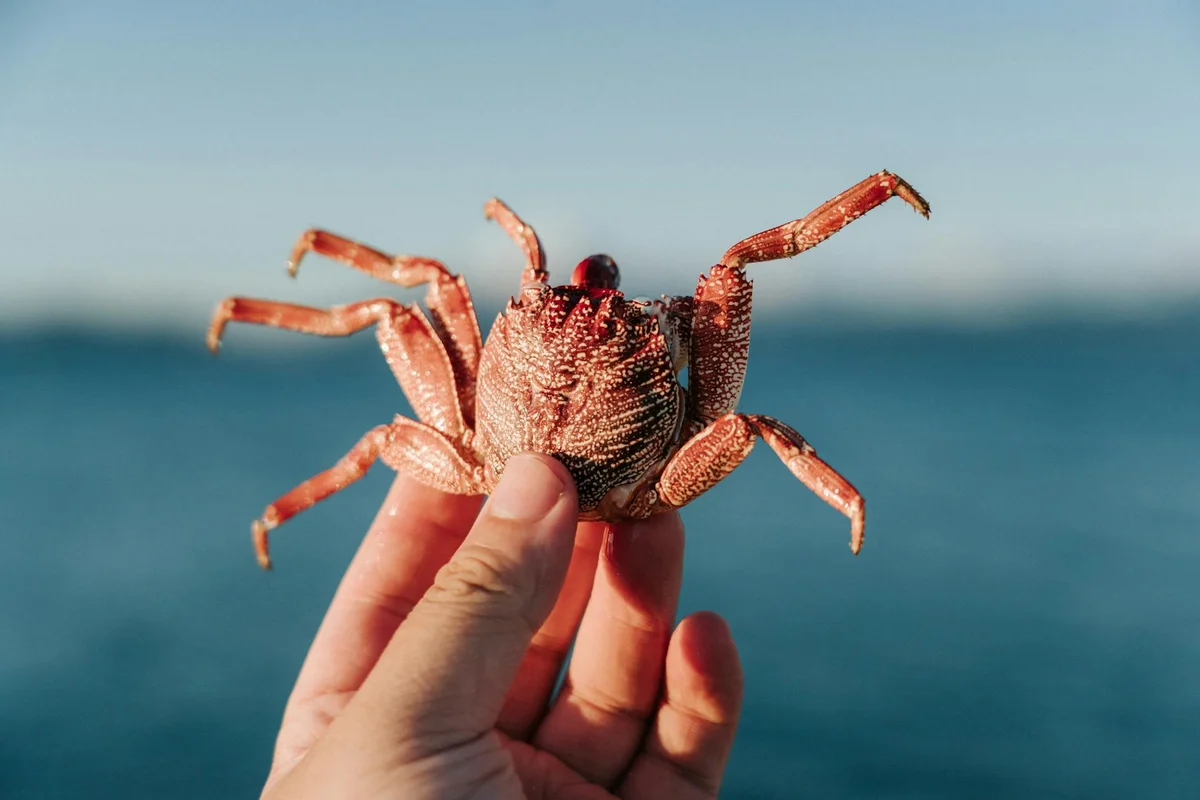
Building trust with your hermit crab starts with patience and observation. I learned this firsthand with Hermes, my Caribbean hermit crab, who is naturally curious but easily startled. Moving slowly and predictably lets your crab recognize you as a safe presence rather than a threat. Always let the crab see your hand approaching from the front so it doesn’t feel ambushed.
- Use slow movements and let crab see your hand first
- Always support the entire shell when lifting
- Keep handling sessions brief (1-2 minutes maximum)
- Allow crab to walk onto your hand voluntarily
From my experience, Athena, my calm Strawberry hermit crab, responds best when I let her initiate contact. Forcing interaction only leads to stress and hiding behavior, which defeats the purpose of bonding. I keep sessions short to prevent them from drying out or becoming anxious.
Safe Holding Positions
How you hold your crab makes a huge difference in their comfort level. I always use the cupped hand method with Apollo, my Ecuadorian hermit crab, because it mimics the security of their shell. Your palm should cradle the entire shell, with fingers gently curved to prevent any escapes or falls. This position helps them feel enclosed and safe.
- Cupped hand method for security
- Low-to-the-ground handling over soft surfaces
- Monitoring leg and claw positioning
I handle all my crabs low over a towel or my lap. Hermit crabs have delicate exoskeletons and can be injured from even short drops, so always prioritize a soft landing zone. Watch how their legs and claws are positioned; if they start to retract or clamp down, it’s time to end the session.
Common Handling Mistakes: Critical Don’ts
Actions That Cause Immediate Stress
Many new owners make the mistake of treating hermit crabs like toys, but these are living creatures with clear stress signals. I once saw Zeus, my assertive Caribbean crab, retreat for hours after someone tried to pull him from his shell. Grabbing a crab by its claws or shell can cause serious injury and break the fragile trust you’re trying to build. Always look for signs of willingness before you attempt to handle.
- Never grab by claws or pull from shell
- Avoid sudden movements or loud noises
- Don’t handle during molting periods
- Never lift a crab that’s clinging tightly
Molting is a vulnerable time, and handling can be fatal. If your crab is buried or not moving, assume it’s molting and leave it completely alone. Even Poseidon, who loves digging, needs absolute privacy during this process.
Environmental Don’ts
Where you handle your hermit crab matters just as much as how you handle them. I never take my crabs into rooms where cleaners or sprays have been used recently. Hermit crabs breathe through modified gills and are highly sensitive to chemicals in the air, which can cause respiratory distress. Always wash your hands with unscented soap before and after handling.
- Avoid handling near pesticides or cleaning chemicals
- Don’t remove from proper humidity for extended periods
- Never place on high surfaces where falls could occur
Hermit crabs need high humidity to breathe properly. Taking them out of their tank for too long can lead to dehydration and gill damage, so I always keep handling sessions under two minutes. I also avoid tables or counters after Apollo had a close call-now I only handle them seated with a soft mat below.
Step-by-Step Guide to Safe Hermit Crab Handling
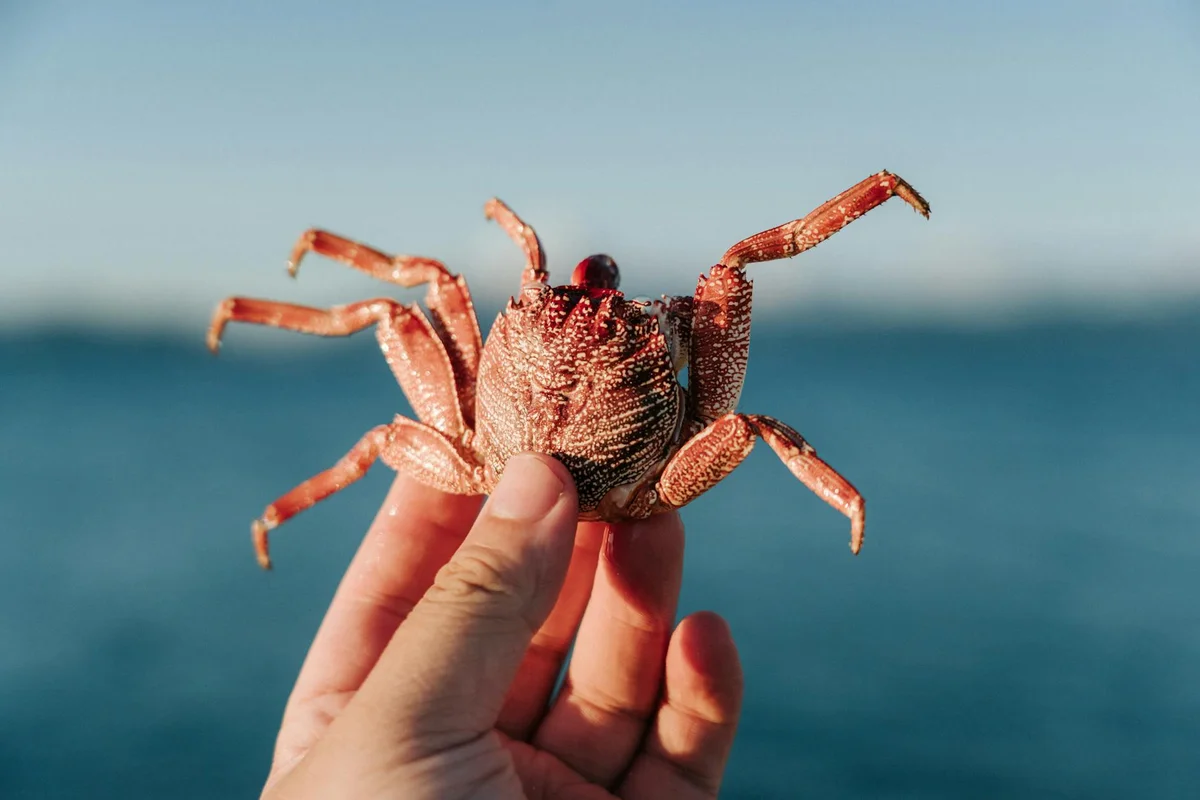
Handling a hermit crab is not like picking up a hamster; it requires patience and a gentle touch. I always treat each interaction as a privilege, not a right, and this mindset has kept my crabs calm and trusting for years. With children, safety comes first. Supervise every interaction and teach them to move slowly and support the crab’s shell.
- Assess crab readiness through behavior observation
Never just reach in and grab a crab. Watch them first. A crab ready for interaction will be out of its shell, moving around with its antennae actively twitching. My crab Apollo, for instance, will often pause and tilt his shell when I approach, a sign I’ve learned means he’s open to it. If they are hiding deep in the shell or tucked away in a corner, that is their way of saying “not today.”
- Approach slowly with open palm visible
Sudden movements look like a predator attack. I slowly place my hand, palm up, into the tank near the crab. Let them see and even gently touch you with their antennae. This slow introduction helps them recognize you as part of their environment, not a threat swooping down from above.
- Gently scoop from below while supporting shell
Your goal is to let the crab walk onto you. Slide your fingers under their walking legs, using your thumb as a gentle backstop against their shell. Never pull on the shell or their legs, as you could seriously injure their delicate abdomen. They should feel fully supported from beneath.
- Maintain low, secure position in hands
Once they are on your hand, keep your hands low over a soft surface like a bed or a couch. A fall from even a short height can be fatal, as their shells are heavy and not designed for impact. Cup your other hand loosely over them to create a secure, dark space. This often makes them feel safe enough to start exploring.
- Return to enclosure using same gentle method
To put them back, simply lower your hand to the substrate and let them walk off on their own. Forcing them off your hand can break the trust you’ve built and make future handling sessions more difficult. I always make sure their landing spot is stable and clear of other crabs.
Reading Your Hermit Crab’s Body Language
Crabs communicate volumes without making a sound. Learning their non-verbal cues is the key to a positive relationship.
- Identify signs of stress: retracting into shell, claw raising
If a crab instantly zips back into its shell the moment you get close, it’s scared. If they raise their big claw defensively, like my crab Zeus often does, consider that a clear “back off” signal. Hissing, a chirping sound made by rubbing legs against the shell, is another major stress indicator.
- Recognize curious behavior: antennae movement, exploratory walking
A happy, curious crab is a wonderful sight. They will be fully out of their shell, actively waving their antennae to “smell” the air. When my crab Hermes is curious, he will slowly amble right up to my hand and tap it with his antennae, which is my green light for interaction.
- Note differences between crab personalities based on personal experience
Just like people, every crab is different. My Strawberry Hermit Crab, Athena, is very calm and observant. She tolerates handling but never seeks it out. Apollo, my Ecuadorian, is a total sun-worshipper and is usually too busy basking to care. Understanding their individual personalities prevents me from forcing interactions on a crab that simply prefers to be left alone. That’s not just cute—it’s evidence that hermit crabs have personalities and stable temperament differences. Recognizing these individual behavior traits helps tailor care and interactions to each crab.
- When to immediately stop handling session
The moment you see any stress sign, the session is over. Pushing a scared crab only teaches it to fear you, which is the opposite of our goal. If they pinch you, do not fling your hand; instead, calmly place your hand down and they will usually let go. A pinch is a last-resort defense, meaning you missed all their other “please stop” signals.
Troubleshooting Common Handling Challenges
Dealing with Pinching Incidents
Feeling a tiny pinch from your hermit crab can be startling, but it’s rarely an act of aggression. From my time with my five crabs, I’ve learned that a pinch is usually a signal of fear, not anger. My crab Zeus, for instance, will give a warning pinch if he feels unbalanced, while Hermes might do it out of pure, clumsy curiosity.
The safest way to encourage a crab to release you is to remain perfectly calm and not pull away. Pulling can injure both of you. Instead, gently lower your hand to a solid surface, like the substrate in their tank. The crab will almost always let go once it feels secure and stable on its own footing.
Understanding the ‘why’ helps you prevent future incidents. Crabs pinch when they are scared of falling, feel threatened, or are simply using their claw to explore a new texture. You can minimize this by ensuring your hand is a steady platform. Always approach from the front so they see you coming and scoop them up from underneath, supporting their shell.
Special Cases: Babies, Molting and Shy Crabs
Baby crabs are incredibly fragile and their shells are paper-thin. I was always extra cautious with my crabs when they were small. You must use an even gentler touch, lifting them in a cupped hand to prevent any dangerous falls. Their tiny legs are also more prone to damage, so handling should be brief and infrequent.
This is the most critical rule: never handle a crab that is molting or even suspected of preparing to molt. During this time, they are soft, vulnerable, and the stress of handling can be fatal. If a crab is buried and unseen, assume it is molting and do not dig for it.
For shy crabs like my Athena, building trust is a slow, rewarding process. Start by just sitting by the tank so they get used to your presence. Then, place your hand flat and still inside the enclosure for a few minutes at a time. Over weeks, they will learn your scent and presence are not a threat, which can lead to them voluntarily climbing onto your hand one day. Remember that building trust should go hand in hand with creating a hermit crab-friendly environment at home.
Creating a Handling-Friendly Habitat
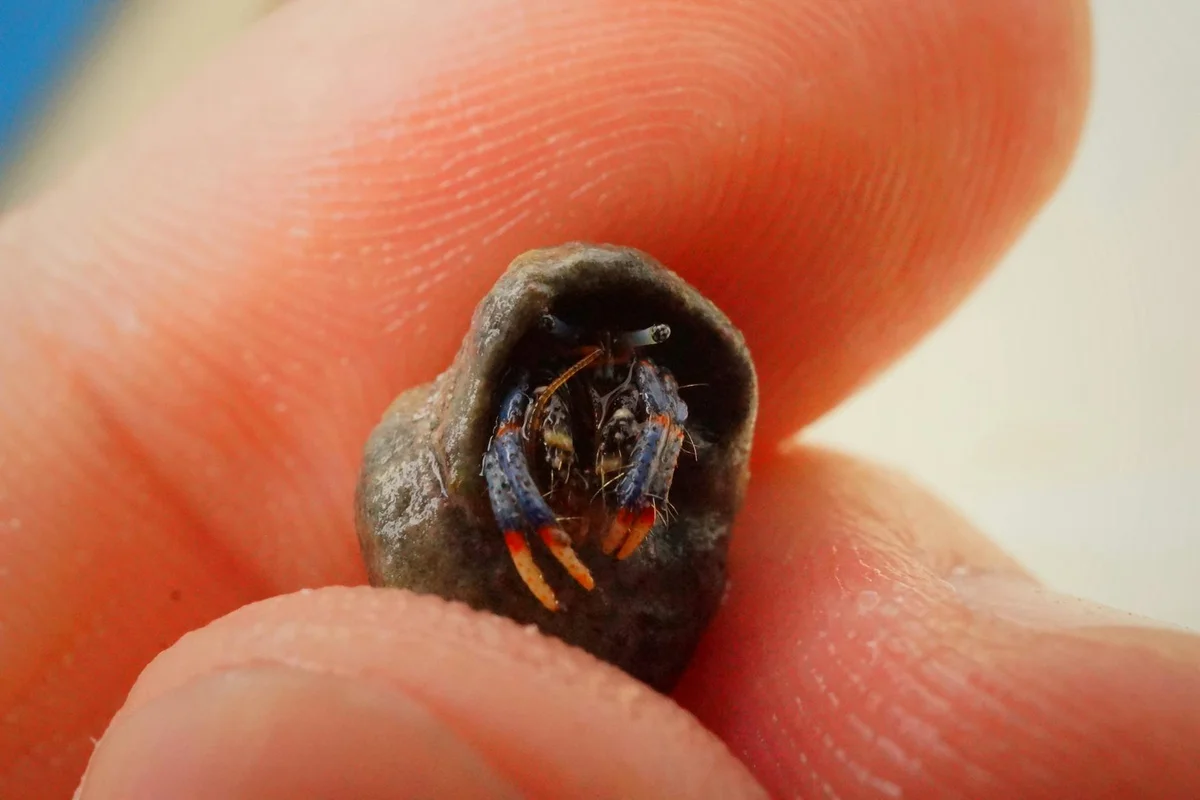
A crab that feels safe and comfortable in its home is a crab that will be more receptive to interaction. A stressed crab from a poor environment will always be defensive. Your primary goal is to build an enclosure that meets all their natural needs, which drastically reduces their baseline stress.
- Maintain optimal substrate moisture and depth. The substrate should be sandcastle-wet-able to hold a tunnel without collapsing. My crab Poseidon loves to dig, and I provide a substrate depth of at least 6 inches, or three times the height of my largest crab, to allow for this natural molting behavior.
- Provide proper terrarium ventilation and temperature gradients. Stagnant, humid air encourages mold and bacteria. Good airflow prevents this. I also use two heat lamps on one end of the tank to create a warm side (around 80°F) and a cooler side, so my crabs, like Apollo, can self-regulate their body temperature by moving around.
- Include hiding spots and climbing areas to reduce baseline stress. Cholla wood, half-coconut hides, and safe plastic plants give them places to retreat and feel secure. When Athena disappears into her favorite cork bark tunnel, I know she’s just recharging and I leave her be.
- Regular enclosure cleaning without chemical residues. I spot-clean waste and old food daily. For a deep clean, I only use warm water or a vinegar solution, rinsing thoroughly. Any soap or chemical cleaner residue can be toxic to your crabs’ delicate gills.
FAQs
How often should I handle my hermit crab?
Handle your hermit crab infrequently, ideally no more than once or twice a week, to reduce stress and build trust over time. Always base handling on their activity level, only proceeding if they are out and moving willingly. If you plan to help your hermit crab change shells, do so with gentle handling in a calm, controlled setup. A Safe Handling Assistance Guide offers step-by-step tips to make shell changes safe and stress-free.
Can children safely handle hermit crabs?
Children can handle hermit crabs with close adult supervision to ensure gentle, proper techniques are followed. Teach them to approach slowly and keep sessions brief over soft surfaces to prevent accidents or stress. This approach is part of an essential guide to raising hermit crab pets. For a full care routine, learn about housing, feeding, and enrichment to keep your hermit crabs healthy and happy.
What should I do if my hermit crab drops its shell during handling?
If your hermit crab abandons its shell, immediately place it in a quiet, humid enclosure with multiple appropriate empty shells nearby. Avoid touching its exposed body, as this can cause further trauma, and allow it to choose a new shell on its own. If it stays shell-less for more than a day, this can indicate an emergency or underlying issue. For more information on shell-less hermit crab care, check out this resource. Additionally, check humidity, temperature, and shell fit, and seek veterinary or experienced keeper guidance if needed.
Your Gentle Hands Make Happy Crabs
Ultimately, the best handling is minimal handling. Your hermit crab will thrive when you prioritize its habitat’s quality over physical interaction. Always move slowly, support its shell fully, and keep handling sessions brief and close to the ground. By respecting their nature as observers, not cuddlers, you create a foundation for a long and healthy life for your unique pet.
Further Reading & Sources
- Hermit Crab Care Sheet | PetMD
- Hermit Crab Safe Handling
- How To Hold A Hermit Crab | Hermit Crab Handling – YouTube
The Crab Central is your ultimate resource for hermit crab enthusiasts, providing expert advice and practical tips to ensure the health and happiness of your shelled companions. With years of experience in crustacean care, we are dedicated to offering accurate, up-to-date information to support your hermit crab journey. Our mission is to foster a community of responsible hermit crab owners who are passionate about the well-being of these fascinating creatures.
Socialization Techniques