How Hermit Crab Anatomy and Biology Fuel a Long Life
Published on: January 9, 2026 | Last Updated: January 9, 2026
Written By: The Crab Guru
You might be surprised to learn that a well-cared-for hermit crab can be a companion for many years, a feat made possible by their incredible biological design.
After caring for my five crabs, from the fast-moving Hermes to the shell-collecting Apollo, I’ve seen how their physical traits directly impact their health and will share that perspective with you.
Providing deep, moist substrate is a simple way to support their most critical biological process: molting.
We will examine their protective exoskeleton, unique respiratory system, specialized diet, and the fascinating molting cycle that together build the foundation for their longevity.
The Lifespan Foundation: Core Anatomical Structures
Your hermit crab’s body is a masterpiece of evolutionary engineering, built for long-term survival. The specific design of their exoskeleton, gills, and sensory organs creates a biological foundation for a surprisingly long life. By understanding these parts, you can provide care that directly supports their inherent durability.
Exoskeleton and Cuticle Renewal
That hard shell you see is just the beginning. The exoskeleton is a multi-layered suit of armor made of chitin and minerals. This structure doesn’t just protect them from predators; it provides a rigid framework for their entire body, preventing internal damage and water loss. But here’s the real secret to its longevity: it’s not permanent. My crab Apollo has taught me that this armor is regularly shed and renewed through molting, which prevents the cumulative wear and tear that would otherwise cause an animal to age and fail.
The outermost waxy layer, the cuticle, is their first defense against bacteria and fungi. During each molt, this cuticle is completely renewed, scrubbing their body clean of any microbial buildup or superficial damage. Think of it as getting a brand-new, sterile outer skin every few months. This constant renewal is a powerful anti-aging mechanism that land mammals like us simply don’t possess.
Gills and Respiration Systems
Even though they live on land, hermit crabs breathe using modified gills located in their cephalothorax. These gills must be kept moist to function. The health of these gill tissues is paramount, as they are responsible for both oxygen exchange and critical osmoregulation-balancing the salt and water in their bodies. A crab with dry gills is a crab in respiratory distress, which creates immense internal stress and shortens its life.
I see this with my crab Poseidon, who soaks in his water dish frequently. Efficient gill function supports a robust metabolism, allowing them to convert food into energy and repair tissues effectively. When their respiration is optimal, they have the energy reserves needed for the immense biological task of molting, which is the key to their continued survival.
Different species have slight anatomical variations that influence their lifespan. My Caribbean crabs, Hermes and Zeus, are known for their hardiness and can live over 10 years. My Ecuadorian, Apollo, with his vibrant coloration, has a similar potential. However, my Strawberry hermit crab, Athena, has a more delicate constitution and requires more precise humidity, which can impact her ultimate lifespan if not managed perfectly.
Their sensory organs are their early-warning system. Their long antennae and compound eyes are constantly scanning for vibrations, air currents, and chemical signals, allowing them to avoid threats long before they become dangerous. A crab that can successfully evade stressful encounters is a crab that lives a longer, healthier life.
Biological Processes Driving Longevity
Anatomy provides the hardware, but biology provides the software for a long life. Processes like molting and specialized metabolism are not just life events; they are active, life-extending mechanisms. Observing my own crabs has shown me how these cycles are the very heartbeat of their longevity.
Molting and Regeneration Cycles
Molting is the ultimate reset button. It’s a dangerous but rejuvenating process where they shed their entire exoskeleton to grow a new, larger one. I’ve watched Athena disappear for weeks, only to emerge larger, with a vibrant new shell and even regenerated a tiny tip of a leg she’d lost months before. This isn’t just growth; it’s a form of biological renewal that we are only beginning to understand.
The stages of the molt cycle are a carefully orchestrated dance:
- Pre-molt: The crab reabsorbs calcium from its old shell and begins secreting a new, soft exoskeleton underneath.
- Molting: The crab splits its old exoskeleton and carefully extracts itself, now incredibly vulnerable.
- Post-molt: The new exoskeleton is soft and expands with water. The crab hardens it by consuming the old exoskeleton and absorbing minerals from its environment.
This cycle is tied to cellular maintenance, including DNA repair and the upregulation of antioxidant defenses to protect new, delicate tissues. It literally resets the clock on cellular aging, making a post-molt crab biologically “younger” in many ways than its pre-molt self.
Energy Metabolism and Starvation Resistance
Hermit crabs are masters of energy conservation. They can drastically lower their metabolic rate during periods of rest or scarcity, a survival trait I’ve noticed in my dominant crab, Zeus, who will often stay motionless for hours to conserve energy. This ability to enter a low-energy state allows them to withstand food shortages that would be fatal to other pets.
Their metabolism is intrinsically linked to their lifespan. Species with more efficient, slower-burning metabolisms, like the larger Caribbean species, tend to have longer potential lifespans than smaller, faster-metabolizing species. By providing a stable environment with a consistent, high-quality food source, you prevent them from needing to use these starvation-resistant mechanisms too often, preserving their health for the long run.
Respiratory and Circulatory Adaptations
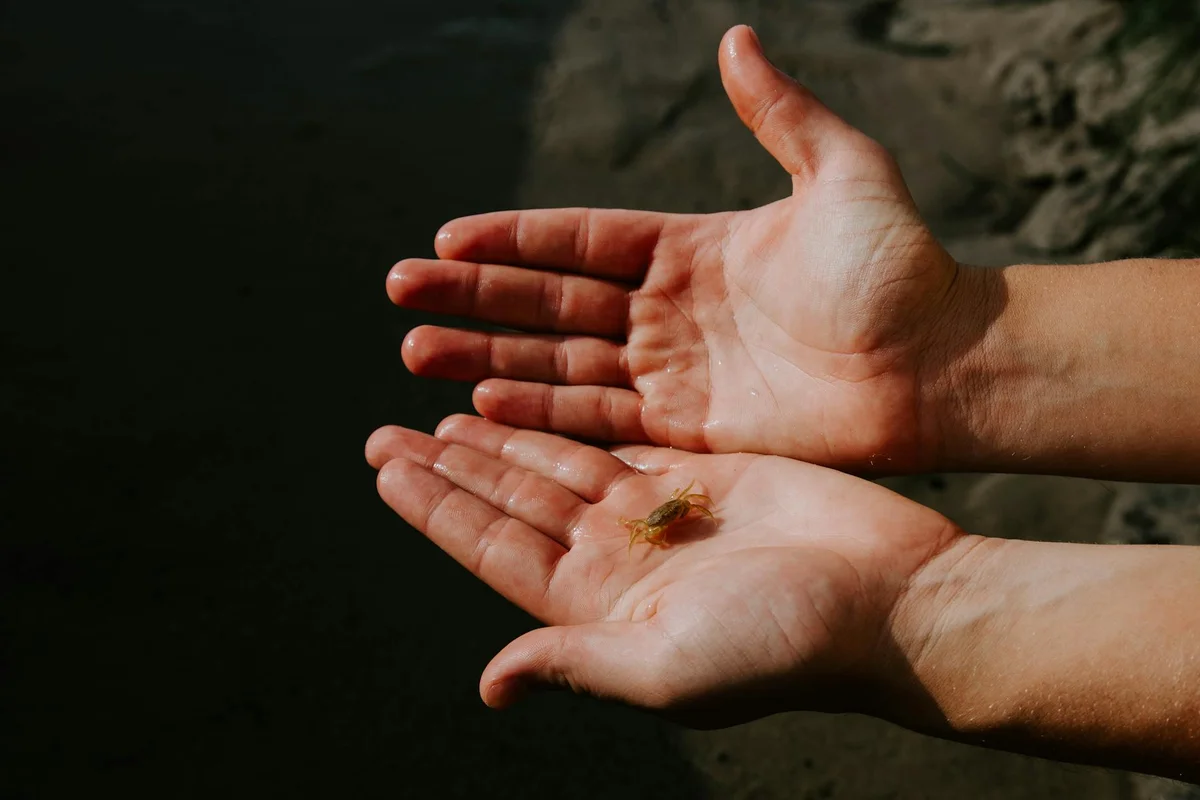
Your hermit crab’s ability to thrive for decades hinges on two silent, internal systems: their unique respiratory and circulatory setups. These biological systems are fine-tuned for survival, but they rely completely on you to recreate their ideal conditions in captivity. In this sense, habitat quality directly affects lifespan. A stable, appropriate setup supports longevity, while neglecting temperature, humidity, or substrate can shorten it.
Hermit crabs are marine creatures that have adapted to live on land, but they never lost their gills. These gills must be kept moist to extract oxygen from the air. A simple, open circulatory system with a single-chambered heart then pumps this oxygenated blood, or hemolymph, throughout the body.
Gill Efficiency and Humidity Dependence
Inside their shell, a hermit crab’s gills are housed in a branchial chamber. These are delicate, feathery structures that need a humid environment to function. If the air is too dry, the gills simply cannot work, and the crab will slowly suffocate. This is why proper humidity is not just a suggestion—it’s a matter of life and death. To stay healthy, hermit crabs must be kept in the ideal temperature-humidity range for their habitat. This stable environment helps keep the gills moist and functioning properly.
From my own experience, I maintain two humidity gauges in my tank and aim for a consistent 75-85%. My crab Poseidon, who loves moist sand and his water dish, is a perfect example of a crab using his environment to support his biology. I often see him soaking to remoisten his gills, a clear sign he’s managing his own respiratory health. Humidity also plays a crucial role in hermit crab health during molting, helping prevent dehydration and supporting a smooth molt. Keeping that steady moisture is essential for successful molts and overall well-being.
- Always provide a deep substrate of sand and coconut fiber that can hold moisture.
- Use a glass or plexiglass tank cover to trap humidity effectively.
- Offer both fresh and saltwater pools deep enough for your crabs to fully submerge their shells.
Immune System and Cellular Defense Mechanisms
A hermit crab’s long life is also a testament to a robust, albeit simple, immune system. They possess innate defense cells that swarm and encapsulate pathogens or parasites. Their entire biology is geared toward survival, with cellular repair mechanisms that help them recover from injury and resist disease.
At a microscopic level, their cells are busy fighting a constant battle against damage. Processes like DNA repair and protein recycling help slow the cellular aging process. A crab that is well-nourished and unstressed can dedicate more energy to these maintenance tasks, directly supporting a longer, healthier life.
I’ve seen this firsthand with my older crabs like Zeus. By providing a varied, nutrient-rich diet and an incredibly stable habitat, I am directly supporting their internal defense systems. I focus on foods high in carotenoids, like grated carrot and shrimp, which are known to support immune function in crustaceans.
Antioxidant and Stress Response
Environmental stressors-like improper temperature, handling, or poor diet-create free radicals that damage cells. A hermit crab’s body produces antioxidants to neutralize these harmful compounds. This antioxidant defense is a key mechanism that prevents premature aging and cell death.
When a crab is chronically stressed, these systems become overwhelmed. Their biological resources get diverted to immediate survival, leaving less for long-term maintenance and repair. This is why a crab in a poor environment may seem fine for a short while but will rarely reach its full lifespan potential.
- Provide a diet rich in antioxidants from natural sources like leafy greens, berries, and unsweetened seaweed.
- Ensure their habitat has plenty of hiding places and space to reduce competition and psychological stress.
- Keep the habitat clean to minimize their exposure to bacteria and fungi.
Behavioral Biology: Shells and Habitat Choices
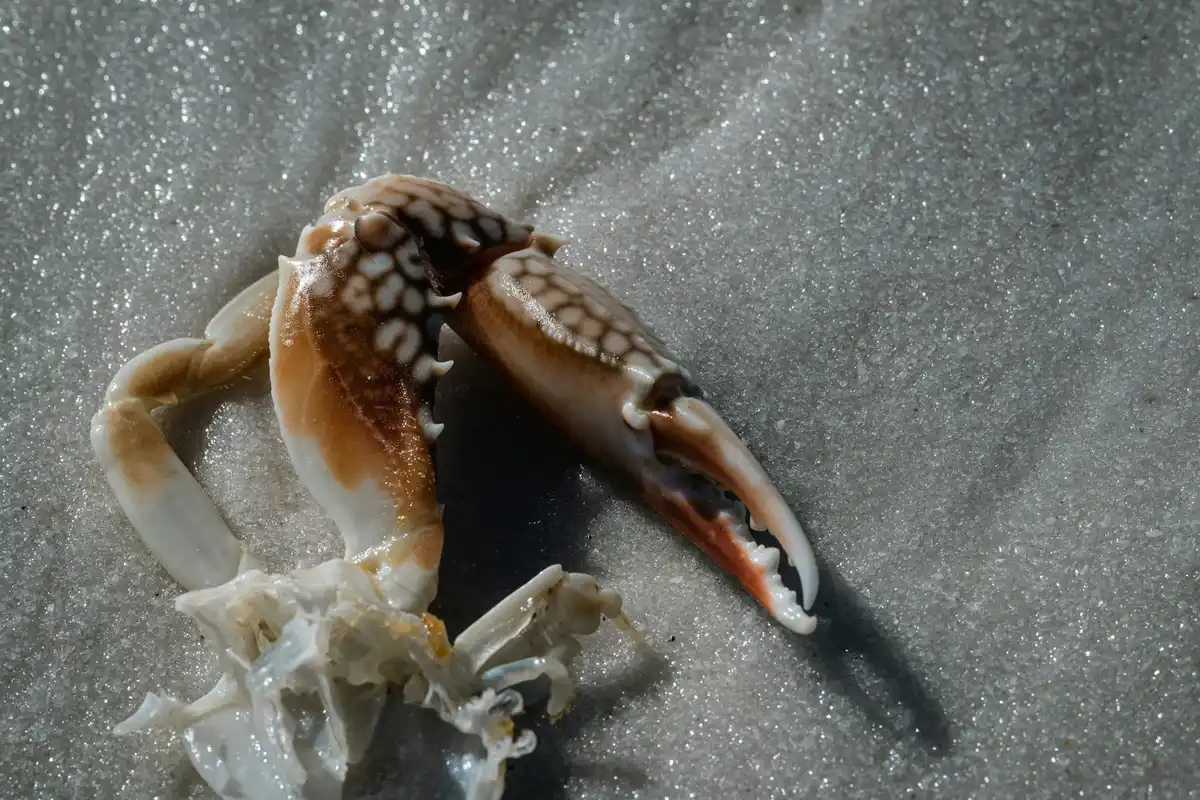
Your hermit crab’s daily actions are not random; they are deeply rooted in a biology designed for survival. Observing their shell and habitat choices gives you a direct window into their health and longevity needs. By learning to read their stress signals, you’ll know how to handle them properly. Small changes in handling and habitat can make a big difference in their well-being. I’ve spent countless hours watching my own crew, and their behaviors consistently tell me what they require to thrive.
Shell Selection and Protection
A hermit crab’s shell is its mobile fortress. It is not a home they grow but a life-saving piece of equipment they must find and occupy. The right shell drastically reduces predation risk and physical stress on their soft, coiled abdomen. This balance is the focus of shell-selection science, where researchers study how crabs weigh protection, weight, and fit to approach a ‘perfect’ shell. A shell that is too heavy forces them to expend immense energy, while one that is too loose offers little protection and can lead to fatal dehydration.
I learned this lesson dramatically with Zeus, my assertive Caribbean crab. He went from a standard turbo shell to a magnificent murex with a wider opening. His entire demeanor shifted from guarded to confident once he found his perfect fit, conserving his energy for growth instead of constant defense. A proper shell allows them to retract completely, sealing the entrance with their large claw, which is their primary biological defense mechanism.
- A well-fitting shell minimizes energy expenditure, directly contributing to a longer lifespan.
- It protects their delicate exoskeleton and abdomen from injury and desiccation.
- It provides a secure, humid microclimate for their gills, which must stay moist to function.
Habitat Adaptations and Environmental Stress
Hermit crabs are ectotherms, meaning they rely on their environment to regulate their body temperature. Their biology demands a specific range of heat and humidity to perform basic functions like digestion and respiration. Without it, their systems slowly shut down.
My crab Poseidon constantly demonstrates this with his love for digging in the moist sand. This natural digging behavior is a biological imperative for thermoregulation and accessing higher humidity levels below the surface. He is instinctively managing his own body moisture and temperature. In the wild, they would burrow to escape the midday heat or find cooler, damp earth.
To replicate these ideal conditions in captivity, you must become a steward of their microclimate.
- Maintain a habitat temperature between 75-85°F. A low-wattage heat lamp on one side of the tank creates a necessary thermal gradient.
- Keep relative humidity at 70-80%. Use a hygrometer to monitor this; it is non-negotiable for their gill health.
- Provide a substrate deep enough for your largest crab to bury itself completely-a mix of play sand and coconut fiber holds tunnels perfectly.
- Always offer both fresh and saltwater pools deep enough for submergence. They use these to hydrate, manage salinity, and moisten their shells.
Supporting Longevity Through Informed Care

Understanding your hermit crab’s anatomy allows you to provide care that works with their biology, not against it. Every aspect of their husbandry, from food to substrate, should be chosen to support their unique physiological processes. This is the core of ethical pet ownership and animal welfare. In hermit crab anatomy 101, understanding your pet’s body helps you tailor care to their physiology. Knowing where their gills, exoskeleton, and limbs are lets you spot issues early and adjust habitat choices accordingly.
Diet and Nutrition for Cellular Health
In the wild, hermit crabs are opportunistic scavengers, consuming a vast array of foods that provide the building blocks for growth and repair. A varied, high-quality diet is your best tool for supporting their antioxidant defenses and energy metabolism. I make a point to rotate through different foods each week to ensure my crabs get a full spectrum of nutrients. A complete hermit crab diet feeding guide translates these habits into practical, step-by-step plans. It helps you choose safe, nutritious options and set a balanced weekly rotation.
Their diet is critically linked to the molting cycle, the most energy-intensive and dangerous process in their life. The right foods before a molt provide the stored energy and nutrients needed to successfully regenerate lost limbs and build a new, larger exoskeleton.
- For Antioxidants and Chitin: Offer organic dried shrimp, mealworms, and green leafy vegetables like kale. Chitin is essential for building their new exoskeleton.
- For Calcium and Minerals: Always have cuttlebone available. Crushed eggshells and oyster shell are also excellent. Calcium is vital for exoskeleton strength.
- For Protein and Energy: Provide unseasoned meats, fish, and nuts like unsalted almonds and walnuts. Protein fuels the immense effort of molting.
- Always remove uneaten fresh food within 24 hours to prevent mold and bacterial growth in the tank.
Molting and Habitat Management
Molting is not just growth; it is a complete biological overhaul. Creating a safe and undisturbed molting environment is the single most important thing you can do to ensure your crab’s long-term survival. I’ve made the mistake of disturbing a molting crab early in my journey, and I learned a hard, valuable lesson about patience.
When a crab is ready to molt, it will often dig down and disappear for weeks or even months.
- Do Not Dig Them Up. Trust the process. They know what they are doing.
- Ensure the substrate is consistently moist. This prevents their tunnel from collapsing and helps them absorb water to split their old exoskeleton.
- Isolate aggressive tank mates if necessary. A molting crab is completely vulnerable. My crab Zeus, for instance, needs to be watched carefully around a molting tank mate.
- Leave their old exoskeleton in the tank after they surface. They will consume it to recycle the precious calcium and chitin.
Monitor your habitat daily for signs of general stress. A foul smell, the presence of mites, or a crab spending excessive time outside its shell are all red flags that require immediate attention. These signs often point to issues with humidity, sanitation, or social dynamics that need to be corrected to support a long, healthy life.
FAQs
What is the significance of a hermit crab’s gill structure for its survival on land?
Hermit crabs rely on moist gills to breathe air, as they evolved from marine ancestors and never developed lungs. Proper humidity in their habitat is essential to prevent gill dehydration, which supports efficient respiration and overall longevity by reducing stress on their biological systems.
How does the molting process contribute to a hermit crab’s ability to live for many years?
Molting enables hermit crabs to regenerate lost limbs and replace their exoskeleton, which prevents cumulative damage and supports growth. This cyclical renewal helps maintain cellular health and repair mechanisms, effectively slowing the aging process and extending their lifespan.
What behavioral signs should I look for to ensure my hermit crab is thriving?
A healthy hermit crab will actively explore its environment, change shells as needed, and engage in natural behaviors like burrowing. Researchers study the science behind shell selection, noting that crabs prefer shells that fit well and aid mobility and hydration. Shell choice hinges on size, weight, and aperture size, with crabs swapping shells for a better fit. Consistent activity and proper shell selection indicate low stress and good health, which are crucial for achieving their full lifespan potential.
Caring for Their Unique Biology
Your hermit crab’s long life hinges on how well your care supports its fascinating anatomy. From the protective shell it borrows to the complex molting process it undergoes, every biological quirk requires your attentive support. Providing a deep, moist substrate for successful molts, a range of proper shells for growth, and pristine salt and fresh water for their modified gills directly fuels their vitality and grants you many more years with your extraordinary pet. Do create a perfect habitat for molting hermits by maintaining high humidity, stable temperatures, and a deep, damp substrate. For further guidance, consider exploring the best practices for providing the perfect habitat for molting hermits. During molts, minimize handling and provide a quiet, low-stress environment to support smooth molts.
Further Reading & Sources
- r/hermitcrabs on Reddit: Is it true about Hermit Crab life expectancy in captivity? Do they have the intellectual capacity to be friendly to humans and show affection?
- Actual Average Lifespan? – HCA: Hermit Crab Association
- Hermit crab | Habitat, Diet & Lifespan | Britannica
The Crab Central is your ultimate resource for hermit crab enthusiasts, providing expert advice and practical tips to ensure the health and happiness of your shelled companions. With years of experience in crustacean care, we are dedicated to offering accurate, up-to-date information to support your hermit crab journey. Our mission is to foster a community of responsible hermit crab owners who are passionate about the well-being of these fascinating creatures.
Understanding Hermit Crab Behavior