
Are Hermit Crabs Nocturnal? Understanding Their Sleep Patterns and Activity Cycles
Published on: March 7, 2026 | Last Updated: March 7, 2026
Written By: The Crab Guru
If you’ve ever checked on your hermit crab tank late at night, you’ve probably seen a surprising amount of movement when everything else is still.
With five hermit crabs of my own, like the ever-curious Hermes and the calm Athena, I’ve spent countless hours observing their unique daily rhythms to give you a clear, experience-based answer.
A simple piece of advice: dimming the lights in the evening encourages their natural, active behaviors to emerge.
We’ll cover what being nocturnal truly means for a hermit crab, how to spot their sleep cycles, and ways to create a habitat that supports their well-being.
The Nocturnal Nature of Hermit Crabs
Nocturnal behavior means an animal is primarily active during the night and rests throughout the day. This is the standard rhythm for the vast majority of hermit crab species kept as pets, a trait rooted in their wild survival instincts to avoid daytime predators and the harsh, dehydrating sun. Understanding this baseline helps distinguish normal from abnormal hermit crab behaviors, a central part of a complete pattern recognition guide. It also helps hobbyists spot deviations early.
In my own tank, the evening is when the real action begins. As soon as the main lights go off, I hear the gentle rustling of substrate. My Caribbean crab, Hermes, emerges from his hideout and immediately starts scaling the cholla wood. Apollo, my Ecuadorian, makes a beeline for his food dish under the dim glow of the moon light. The entire tank transforms from a still-life into a bustling, active community once darkness falls.
While the nocturnal rule holds true for most, you might occasionally spot some daytime activity, especially during a molt or if a crab gets disturbed. My Strawberry crab, Athena, sometimes shifts position in her quiet corner during the day, but she never engages in the full-scale exploring and eating that defines their nighttime behavior.
Understanding Hermit Crab Sleep Patterns
Hermit crabs don’t sleep in the way we do. Their rest is more like a deep, dormant state where they retreat into their shell, often tucking themselves into a dark, secure hideaway or even burrowing slightly into the substrate for added security. They seek out places that feel protected from light and disturbance. This burrowing helps regulate temperature and humidity and evade predators. Understanding this behavior sheds light on why they bury themselves, highlighting how shell choice and substrate influence their rest and safety.
From watching my crew, their sleep cycles can be quite varied. My assertive crab, Zeus, will often pick a favorite corner under a log and remain there, completely still, for the entire day. Athena can be even more dedicated to her rest, sometimes staying in the same position for over 24 hours. It’s completely normal for a hermit crab to sleep for most of the daylight hours, only waking as dusk settles in. Understanding these hermit crab sleep patterns helps ensure restful nights for them. A calm, dimly lit tank and a steady routine keep their sleep deep and restorative.
Recognizing a peacefully sleeping crab is key for any owner. Here are the clear signs of healthy rest:
- They are completely withdrawn into their shell.
- You will see no movement of legs or antennae.
- They often choose a hidden spot, like a cave or a dense plant cluster.
- They do not respond to gentle, non-invasive stimuli like dim light changes.
Activity Cycles: Day vs. Night Behavior
If you peek into your crabitat during the day, you’ll likely see a very still, quiet scene. This is completely normal, as hermit crabs spend most daylight hours resting, conserving energy, and hiding within their shells or burrows. The real action begins as the sun goes down.
My tank truly comes alive after dusk. I often watch my crab Poseidon, who will remain almost entirely buried in the moist sand substrate all day. But at night, he emerges with purpose, engaging in extensive digging sessions that often reshape his corner of the habitat. This is when you’ll see the full scope of their natural behaviors.
- Exploration: They climb, traverse, and investigate every inch of their environment.
- Feeding: This is their primary mealtime. They are much more likely to approach and eat from food dishes at night.
- Social Interactions: You might notice crabs gathering around a popular shell shop or briefly interacting at the water pool.
It’s vital to know that a molt cycle will dramatically change this pattern. When a crab is preparing to molt, it will often bury itself deep in the substrate and remain there, completely inactive, for weeks or even months. Do not mistake this for illness; it is a critical and vulnerable period of their growth.
Environmental Factors Influencing Behavior
Light and Dark Cycles
Hermit crabs do not have eyelids, so they are highly sensitive to light. A constant, bright environment disrupts their internal clock and causes significant stress. Providing a consistent day and night cycle is one of the most important things you can do for their well-being.
I use a standard daytime lamp on a 12-hour timer. For nighttime viewing, I strongly recommend a red or blue reptile night light. These bulbs emit a wavelength of light that is nearly invisible to hermit crabs, allowing you to observe their natural nocturnal activities without disturbing their rest. It mimics the gentle light of a moonlit beach.
Temperature and Humidity
These two factors are inextricably linked in hermit crab care. Straying outside the ideal ranges can make your crabs lethargic or force them into a state of dormancy. Maintaining a temperature between 75-85°F and humidity levels at 70-80% is non-negotiable for encouraging healthy, active crabs, especially when setting up their habitat.
From my own experience, a sudden drop in activity is my first clue that something is off with the habitat. I use a combination of an under-tank heater, an insulated tank lid, and daily misting with dechlorinated water to keep the environment stable. A digital hygrometer is your best friend for accurate readings and preventing stress-induced inactivity.
Shell Selection and Habitat Setup
A crab that feels exposed and insecure will not exhibit natural behaviors. Proper shells and hiding spots are not decorations; they are fundamental needs. Without a secure shell and places to hide, a hermit crab is in a constant state of anxiety, which suppresses its activity levels.
My crab Apollo is a dedicated shell collector, often trying on and swapping shells in the middle of the night. I always advocate for providing at least 3-5 empty, properly-sized shells per crab, and an abundance of hides like cholla wood, cork bark, and leaf litter. This gives them the security they need to rest peacefully by day and explore confidently by night.
Practical Care for Nocturnal Pets
Living with a nocturnal pet requires a slight shift in your routine. I’ve found the most success by working with their natural instincts, not against them.
Aligning Feeding with Their Internal Clock
The best time to feed your hermit crabs is in the evening, right as their world is waking up. I always offer food to my crew around 7 or 8 PM. This schedule ensures their food is fresh and enticing right when they are most motivated to forage. By morning, you will likely see evidence of their nighttime feast, which is a perfectly healthy and normal sign. Of course, feeding them at the right time is only part of the equation; knowing the right amount and frequency of their meals is equally important.
Night-Time Enrichment and Habitat Setup
To keep your crabs active and engaged, their habitat needs to be a playground after dark.
- Install climbing branches, cholla wood, and reptile hammocks that they can safely navigate in low light.
- Provide a variety of shell shops in different locations, as they often try on new shells during their nightly explorations.
- Create a deep, moist substrate area for digging; my crab Poseidon spends hours tunneling at night.
A well-structured tank gives them opportunities to exhibit their natural behaviors, which is crucial for their mental well-being.
The Golden Rule of Daytime Handling
Waking a hermit crab during the day is the equivalent of someone shaking you awake in the middle of a deep sleep. It is incredibly stressful for them. I make it a firm rule to only interact with my crabs during evening hours if necessary, and even then, I let them come to me. Forcing interaction during their rest period can lead to dropped limbs and long-term health issues. Learn to read their stress signals to handle them properly. For example, if a crab flattens, backs away, or clings to its shell, give it space and wait for it to approach. Observe, but do not disturb.
Identifying Healthy vs. Stressful Behaviors
Knowing what is normal for a nocturnal animal helps you spot problems early. Their active period is your best window for observation.
Normal and Healthy Nocturnal Actions
A busy crab at night is a happy crab. You should look for signs of active engagement with their environment.
- Foraging: Excitedly moving from the food dish to the water pool and back is a primary activity.
- Shell Investigation: Tapping on and trying out new shells is a great sign; Athena will sometimes line up shells before choosing one.
- Climbing and Exploring: Crabs like Hermes will scale every branch and decoration you provide.
- Digging and Burrowing: This is natural behavior for molting preparation or simply for fun.
Hearing rustling, clinking, and gentle tapping sounds from the tank after you’ve turned off the lights is the sound of a thriving habitat.
Red Flags: Indicators of Stress or Illness
While quiet days are normal, certain behaviors can signal that something is wrong.
- Excessive Hiding: A crab that never emerges, even at night, for days on end may be ill or severely stressed.
- Lethargy During Active Hours: Finding a crab out of its shell and unmoving during the night is a major concern.
- Aggression at Resources: While some posturing is normal, my crab Zeus once guarded the food dish so aggressively others couldn’t eat, requiring a tank adjustment.
A sudden, drastic change in your crab’s normal nocturnal routine is the most reliable indicator that you need to investigate their habitat and health. Trust your instincts-you know your crab’s personality best.
Common Sleep-Related Health Issues
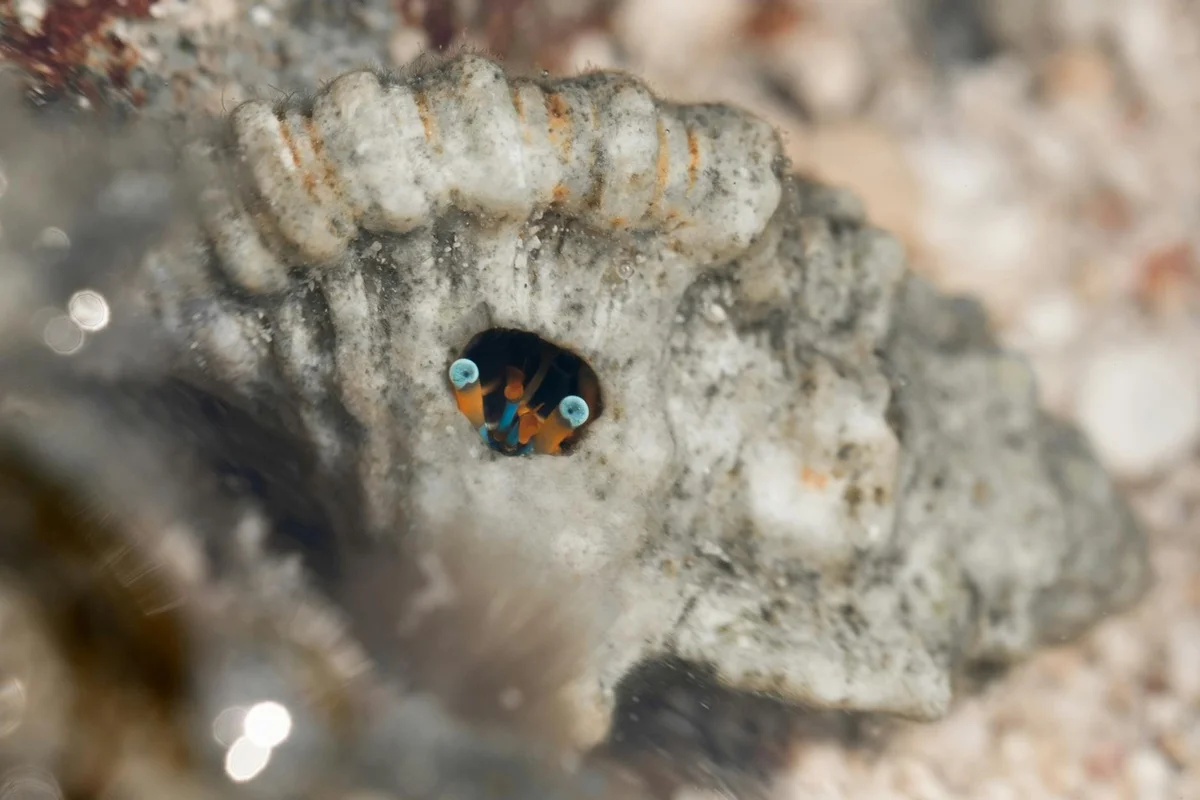
I’ve learned that a hermit crab acting strangely during the day is often a red flag. Disrupted sleep cycles are almost always a symptom of a habitat problem, not a behavioral quirk. That’s why many keepers set up a consistent night cycle. When my crab, Zeus, started being overly active in broad daylight, I knew his environment was off. The enclosure supports darkness at night and subdued light during the day, allowing him to follow his natural behavior.
- Daytime Lethargy or Hyperactivity: A crab that is constantly buried or refuses to move might be overly stressed. Conversely, one that is frantic and climbing all day is likely desperate for better conditions. This was my first clue with Zeus.
- Shell-Tapping and Aggression: Sleep-deprived crabs are grumpy crabs. I’ve seen Zeus guard food spots and gently tap shells when others get too close, a sign of stress from constant, low-grade discomfort.
- Refusal to Eat or Molt Properly: A proper molt requires a deep, safe sleep. If your crab is constantly disturbed, it may delay molting or surface prematurely, which is incredibly dangerous.
These issues almost always trace back to a few key environmental factors that I’ve had to master through trial and error.
The Environmental Culprits
Hermit crabs rely on their environment to regulate their bodies. Incorrect humidity is the number one sleep disruptor in my experience. Their modified gills must stay moist to breathe; dry air causes slow suffocation and panic. Humidity also plays a crucial role in hermit crab health during molting. Maintaining steady humidity helps ensure a successful molt and reduces stress on the crab.
- Low Humidity: This will force your crabs to remain more active to find moisture, destroying their natural sleep schedule. My crab Apollo became much calmer once I stabilized the humidity.
- Incorrect Temperature: Crabs are cold-blooded. If their tank is too cold, their metabolism slows to a dangerous halt. Too hot, and they become dehydrated and frantic.
- Insufficient Substrate: Without deep, sandcastle-consistent substrate, your crabs cannot dig down to de-stress and safely sleep or molt. Athena taught me this; she was restless until I doubled the depth of her bedding.
Solutions From My Tank
Fixing these problems transformed my crabs’ health. Investing in a digital hygrometer and thermometer was the single best change I made for their wellbeing. The stick-on analog gauges are notoriously inaccurate.
Here is the routine that worked for my crew:
- I maintain 70-80% humidity by using a sealed glass tank lid, misting with dechlorinated water, and keeping a natural sea sponge in their water dish.
- I keep the temperature a steady 75-85°F using an under-tank heater placed on the side of the tank, not the bottom. This creates a gentle heat gradient.
- I provide a substrate mix of play sand and coconut fiber that is at least 6 inches deep-or three times the height of my largest crab. This allows Poseidon to dig to his heart’s content and sleep soundly.
- I established a consistent day/night cycle by placing their tank in a room with natural, indirect light and ensuring it’s dark and quiet at night.
Making these adjustments allowed my crabs to settle into a natural, healthy rhythm. Seeing them active at night and resting during the day was the ultimate sign of success.
FAQs
How can I create a natural day-night cycle for my hermit crabs?
Use a timer for your tank lights to provide 12 hours of daylight and 12 hours of darkness, mimicking their natural environment. For safe nighttime viewing, install a red or blue reptile night light that won’t disturb their activity.
What should I do if my hermit crab is inactive at night?
Check your habitat’s temperature and humidity levels, as deviations can cause lethargy or stress. Ensure there are ample hiding spots and proper shells to make them feel secure enough to explore after dark.
Can hermit crabs see in the dark, and how do they navigate?
Hermit crabs have adapted to low-light conditions and use their antennae to sense their surroundings and find resources. Providing climbing structures and clear pathways helps them move confidently during their nocturnal activities. Offering climbing enrichment structures and supervised activities can further support their exploration and exercise. These enrichment options encourage natural climbing behaviors and reduce stress.
Wrapping Up: Your Nocturnal Crab Care Guide
Hermit crabs are primarily nocturnal creatures, with their main adventures in food-finding, climbing, and socializing happening after dark. Respecting their natural sleep cycle by providing a calm, dark daytime habitat is one of the simplest ways to support their long-term health and reduce stress. To translate these ideas into a home setup, create a hermit-crab-friendly environment with stable humidity and safe hiding spots. A well-planned enclosure supports their nocturnal lifestyle and overall health. By observing their evening activity, you’ll gain a fascinating window into their true, bustling lives.
Further Reading & Sources
- Are Hermit Crabs Nocturnal Or Diurnal? Their Sleep Behavior Explained – A-Z Animals
- HERMIT-CRABS.COM
- How many hours does a hermit crab sleep? – Quora
The Crab Central is your ultimate resource for hermit crab enthusiasts, providing expert advice and practical tips to ensure the health and happiness of your shelled companions. With years of experience in crustacean care, we are dedicated to offering accurate, up-to-date information to support your hermit crab journey. Our mission is to foster a community of responsible hermit crab owners who are passionate about the well-being of these fascinating creatures.
Understanding Hermit Crab Behavior