
How to Set Up a Hermit Crab Night Cycle for Natural Behavior
Published on: January 8, 2026 | Last Updated: January 8, 2026
Written By: The Crab Guru
If your hermit crabs seem inactive during the day, you’re only seeing half the story.
Based on years of caring for my own crew-Hermes, Apollo, Athena, Zeus, and Poseidon-I’ll guide you through creating a proper nocturnal habitat.
A simple, plug-in timer for your tank lights is the single best investment for their well-being.
We’ll cover choosing the right lighting, creating a safe dark environment, managing temperature dips, and observing their fascinating nighttime activities.
Why Hermit Crabs Need a Consistent Night Cycle
Hermit crabs operate on a powerful internal clock, known as a circadian rhythm, just like we do. This biological timer dictates their sleep, feeding, and social patterns, and disrupting it can cause significant stress and health issues. In the wild, the setting sun is their cue to become active foragers and explorers. Are hermit crabs nocturnal? Understanding their sleep patterns and activity cycles shows they typically rest during the day and become most active after dark, guided by their circadian rhythm.
Providing consistent darkness is not just about letting them sleep; it’s about enabling their natural nocturnal instincts. Darkness is a critical trigger for essential behaviors like molting, as the cover of night offers them the security they need for this vulnerable process. I’ve noticed my shy crab, Athena, will only begin to dig her molting pit once the main habitat light has been off for a while. To do this well, focus on a perfect molting habitat—stable humidity, soft substrate, and a private digging pit. A calm, dim environment helps reduce stress during the molt and supports recovery.
From my own nightly check-ins, the difference in activity is astounding. My Caribbean crabs, Hermes and Poseidon, who might seem lazy during the day, become energetic climbers and excavators once the lights go out. This is their true active period, and a proper night cycle respects and protects that fundamental need. Understanding hermit crab sleep patterns is crucial for ensuring they get proper rest.
Essential Equipment for a Hermit Crab Night Cycle Setup
Creating a reliable day and night schedule is simpler than you might think. You don’t need expensive, complicated gear to get it right.
- Light Timer: This is the most important piece of equipment. A simple, plug-in digital timer automatically turns your main habitat light on and off, creating a consistent 12-hour cycle without you having to remember.
- Red or Dim Lighting: If you want to observe their nighttime antics, you must use a red or black heat lamp or a very dim blue moon-glow bulb. Hermit crabs cannot see red light well, so it doesn’t interrupt their circadian rhythm like white light does. A cheap DIY alternative is a small, low-wattage red nightlight bulb in a simple clamp lamp.
- Hygrometer & Thermometer: A digital combo gauge is non-negotiable. You must monitor the habitat temperature and humidity 24/7 to ensure they stay within safe ranges even after the heat lamp turns off for the night.
When choosing a heat source for the night, safety is paramount. Always use a thermostat with any heat mat to prevent overheating, and ensure it is placed on the back or side of the tank above the substrate level, never underneath. Proper ventilation is key; a solid lid helps maintain humidity, but you should always have a small section of mesh or drilled holes to allow for fresh air exchange and prevent stale, stagnant conditions.
Step-by-Step Guide to Setting Up the Night Cycle
Configuring Lighting and Photoperiod
Consistency is the heart of a good night cycle. I use a simple, plug-in light timer for my crabitat, setting it for a strict 12 hours on and 12 hours off. This predictable schedule tells my crew, like Hermes and Apollo, exactly when their active ‘day’ begins and ends. You simply plug your primary heat and UVB lamp into the timer and let the device do the work.
When the main lights go out, I rely on ambient room light from a distant window or a very low-wattage red or blue reptile bulb. Red light is fantastic because hermit crabs cannot see the red spectrum, so it appears as darkness to them, allowing you to spy without disrupting their routine. Some nights, I opt for complete darkness, which I find encourages my more timid crab, Athena, to venture out.
Be mindful of your room’s natural light. If your tank is in a room with a streetlamp outside or a frequently used TV, consider using a tank cover or blackout background to prevent these light leaks from confusing your crabs’ internal clocks.
Managing Temperature and Humidity at Night
Even when the sun lamp turns off, your crabitat needs to stay warm and humid. I maintain a heat source, like an under-tank heater on the side of the tank, that runs 24/7 to create the necessary temperature gradient. The goal is to keep the overall temperature from dropping below 75°F (24°C), even during the darkest part of the night. Equally important is maintaining the ideal temperature-humidity range for a hermit crab habitat, roughly 70–80% relative humidity. Regularly monitor both temperature and humidity with a hygrometer to keep the setup within that range.
Humidity is often the trickiest part. The drop in temperature can cause humidity to plummet. I make a habit of heavily misting the tank with dechlorinated water right before the lights go out, focusing on the substrate and any moss pits. I also ensure all water dishes are full, as they contribute to ambient moisture. My crab Poseidon loves this, as it makes the sand perfect for his late-night digging projects.
My personal routine involves a final check of the digital thermometer and hygrometer right before I go to bed. This quick, 30-second check gives me peace of mind that Zeus and the others have a stable environment for their all-night activities.
Enclosure Adjustments for Nighttime Activity
Night is when the magic happens, so I set the stage for it. I arrange hides and cholla wood to create little tunnels and secluded pathways. Rearranging enrichment items like these every few weeks encourages natural foraging and exploration behaviors once the lights go out.
I keep a deep substrate—a mix of sand and coconut fiber at least 6 inches deep or three times the height of my largest crab. This depth is non-negotiable for molting safety, providing a secure, dark place for them to bury themselves when they need to. I often find new pits and holes in the morning, evidence of a busy night. Getting the mix right is key to best results: a balanced sand-to-coconut-fiber ratio improves drainage, moisture retention, and digging ease. Matching substrate to the crabs’ needs helps ensure the best results in molting safety and overall comfort.
From my observations, my crabs use every part of the tank at night. Hermes is always on the highest climbing branch by morning, while Apollo can usually be found rearranging his favorite shell collection in a quiet corner. Providing a variety of vertical and horizontal spaces is key to catering to all their personalities.
Monitoring Your Hermit Crab’s Response to the Night Cycle
After establishing the night cycle, watch for positive signs of healthy nocturnal behavior.
- Active foraging: Finding food displaced and eaten in the morning.
- Shell investigation: Seeing crabs trying on new shells or swapping with tank mates.
- Social interactions: Observing crabs gathering near the food dish or water pools without aggression.
- Exploration and climbing: Noticing crabs in different parts of the tank each morning.
Lethargy or finding crabs consistently out in the open during the day can be a red flag. This often indicates stress, which could be from incorrect temperature/humidity, an unsuitable molt environment, or even bullying from a tank mate like I once saw with Zeus.
I keep a simple logbook next to my tanks. Jotting down brief notes each morning about general activity levels, food consumption, and any sightings of surface molts or burrowing helps you spot long-term patterns and catch potential issues early. This log has been invaluable for tracking the health of each of my five crabs over the years. Documenting these observations is a straightforward way to track your hermit crabs’ health. With regular notes, you can spot subtle changes and respond quickly.
Troubleshooting Common Night Cycle Problems
Setting up the perfect night environment is rarely perfect on the first try. I’ve spent many late evenings observing my crew, tweaking settings, and learning from my mistakes so you don’t have to. Here are the most common hiccups and how to solve them.
Too Much Light Pollution
Even a small amount of ambient light can disrupt their natural rhythms. My crab Apollo would become completely inactive if he sensed any light from the hallway.
- Fix: Use blackout fabric or cardboard on three sides of the tank. I placed my tank in a corner away from windows and doorways.
- Adjust Timers: If your room is never truly dark, consider a ceramic heat emitter for warmth instead of a light-based heat source that stays on at night.
Dropping Humidity Levels
Humidity can plummet at night, especially with heating elements running. This is dangerous for their modified gills.
- Fix: I use an automatic misting system set to a gentle cycle just after “sunset.” A hand mister works, but automation provides consistency.
- Equipment Placement: Keep your hygrometer in the center of the habitat, not near the water dish or heat source, for an accurate reading.
Incorrect Nighttime Temperatures
A common mistake is letting the tank get as cold as your own home at night. Hermit crabs are tropical creatures and need stable warmth. To prevent overheating or chilling, keep a stable temperature with a reliable heater and thermometer. Monitor daily and adjust as seasons change to maintain a safe range.
- Fix: A ceramic heat emitter connected to a thermostat is your best friend. It provides heat without any light.
- Trial and Error: I found my group prefers the temperature to drop only 3-5 degrees Fahrenheit at night. Monitor their activity; if they are all huddled in one spot, they are likely too cold.
Species-Specific and Seasonal Night Cycle Tips
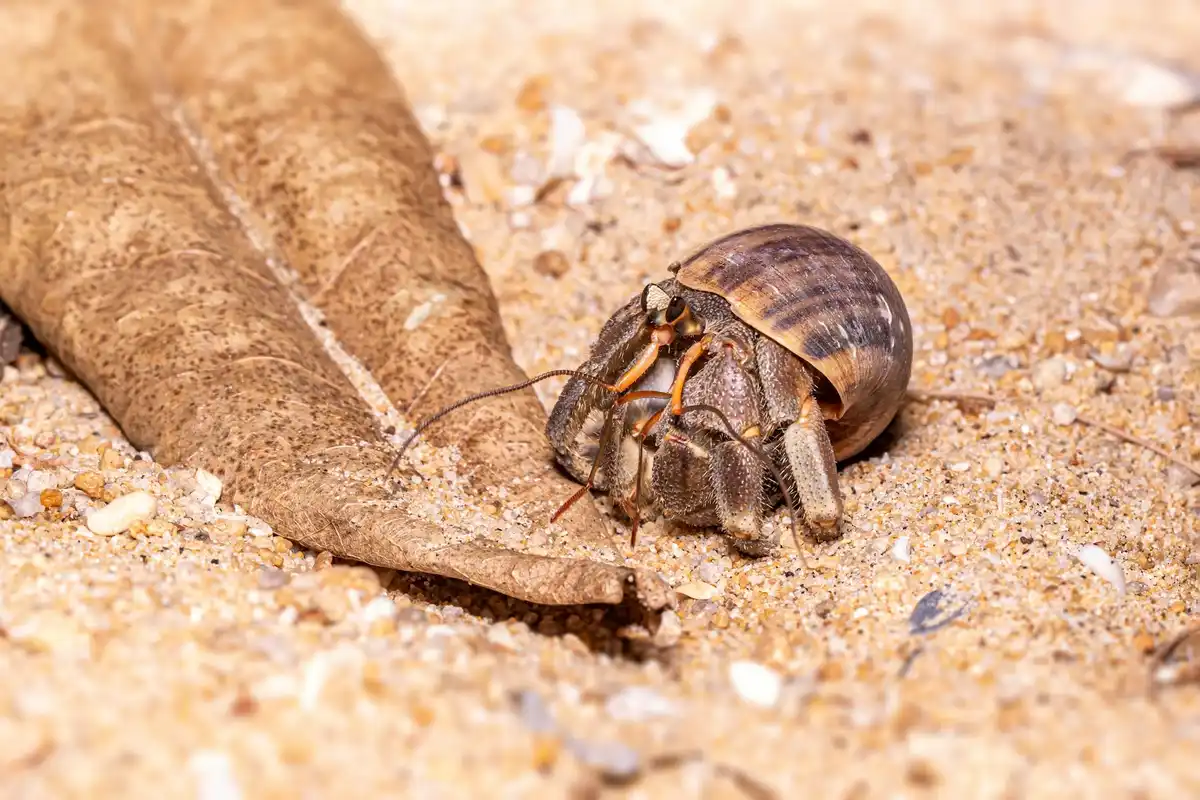
Not all hermit crabs are the same. Observing the unique personalities and needs of my mixed group has been the key to their long-term health and happiness. Do hermit crabs have personalities? They show distinct behavior traits and temperaments that influence how they explore and interact with others. Their natural habitats offer clues for perfecting their care.
Comparing Common Pet Species
- Caribbean Hermit Crabs (Like Hermes, Zeus, and Poseidon): These are often the most active at night. They thrive with a distinct day/night cycle and enjoy climbing and exploring in near-total darkness. My Zeus becomes far more confident and exploratory once the main lights are off.
- Ecuadorian Hermit Crabs (Like Apollo): Also very nocturnal, but they seem more sensitive to dry conditions. I ensure the substrate near Apollo’s favorite corner stays extra moist, especially at night.
- Strawberry Hermit Crabs (Like Athena): These larger crabs can be more sensitive to light and noise. My Athena will retreat into her shell for hours if the night cycle is disturbed. They appreciate the most consistent and predictable schedule of all.
Seasonal Adjustments for Your Habitat
Your home environment changes with the seasons, and your crabitat should too.
- Summer: The ambient room temperature is often higher. I shorten the duration of my heat emitter at night to prevent the tank from overheating. This is when Poseidon does most of his digging in the cool, damp sand.
- Winter: Dry, cold air is a major challenge. I run a small humidifier in the room itself and add a second, smaller water dish to the habitat to boost evaporation. I notice my crabs, especially Apollo, spend more time near the heat source.
- Spring & Fall (Transitional Seasons): This is when I am most vigilant. As my home’s heating and cooling systems switch on and off, I check my thermometer and hygrometer twice daily to make quick adjustments to my timers.
Watching Zeus and Athena react so differently to shorter autumn days really highlights their individual needs. Zeus, the assertive Caribbean crab, uses the longer darkness to patrol the tank and assert his presence. Athena, my calm Strawberry, uses the same time for slow, meticulous foraging. She teaches me that a successful night cycle isn’t about maximum activity, but about providing a space where every crab feels secure enough to express its natural behavior.
FAQs
Can hermit crabs see in the dark?
Hermit crabs have limited vision in total darkness and rely on senses like touch and smell to navigate their environment. Using a dim red light provides enough illumination for observation without disrupting their natural behaviors. Researchers can gauge how well hermit crabs see under low light, revealing their vision and eyesight capabilities. Understanding their vision helps explain how they respond to light, shadows, and movement.
How should I schedule feeding times with a night cycle?
Offer food in the evening just before the main lights turn off to align with their peak nocturnal activity. This ensures they have access to fresh nutrients when they are most likely to forage and eat.
What does it mean if my hermit crab remains inactive at night?
Persistent inactivity could signal stress from incorrect habitat conditions, such as low humidity or temperature fluctuations. Monitor for other signs like hiding or lack of eating, and adjust the environment accordingly.
Embrace the Night
By establishing a consistent period of darkness, you give your crabs the signal they need to feel secure and act on their natural instincts. Using a simple timer for your heat and light sources is the most effective way to replicate this natural cycle automatically. Doing this helps you create a hermit crab friendly environment at home. A stable day–night cycle is a key part of that habitat design, supporting their natural behaviors. Once you see your crabs actively foraging, socializing, and exploring after the lights go out, you’ll know you’ve successfully given them a piece of their wild home.
Further Reading & Sources
- r/hermitcrabs on Reddit: Hermit Crab Day/Night Cycle
- Day/Night Cycles – HCA: Hermit Crab Association
- Hermit Crab Care Sheet | PetMD
The Crab Central is your ultimate resource for hermit crab enthusiasts, providing expert advice and practical tips to ensure the health and happiness of your shelled companions. With years of experience in crustacean care, we are dedicated to offering accurate, up-to-date information to support your hermit crab journey. Our mission is to foster a community of responsible hermit crab owners who are passionate about the well-being of these fascinating creatures.
Understanding Hermit Crab Behavior