
Hermit Crab Cost-Benefit Analysis: Is It Worth It?
Published on: December 26, 2025 | Last Updated: December 26, 2025
Written By: The Crab Guru
You’re probably wondering if the joy of owning hermit crabs outweighs the real costs and effort involved.
As a long-time hermit crab owner who writes care guides for a dedicated blog, I’ll help you break it down from my personal experience.
These are not short-term pets; their long lifespan is a major factor in your decision.
We’ll cover the true financial setup, the ongoing time commitment, the unique rewards of crab ownership, and help you decide if it’s the right choice for you.
The Real Price Tag of Hermit Crab Ownership
Many people see the $5 price tag on a crab and think that’s the whole story. I made that mistake myself years ago. The real financial commitment begins the moment you decide to provide a proper, humane habitat for your new pet. The crab itself is the smallest part of the budget.
Essential One-Time Setup Costs
This is the foundation of your hermit crab’s world. Skimping here leads to stressed, unhealthy crabs. Based on what I’ve bought for my crew—Hermes, Apollo, Athena, Zeus, and Poseidon—here’s what you truly need from the start. These essentials align with beginner hermit crab care, covering the essential setup, daily maintenance, and the crabs’ daily requirements.
- Tank: A 20-gallon tank is the absolute minimum for two small crabs. My five crabs live luxuriously in a 55-gallon. Expect to pay $50-$150, especially if you find a secondhand one.
- Secure Lid: Hermit crabs are master escape artists. A tight-fitting, ventilated lid is non-negotiable. This can cost $20-$40.
- Substrate: They need a deep mix of play sand and coconut fiber to dig and molt safely. For a deep enough layer in a 20-gallon tank, this is about $25-$30 initially.
- Heaters & Thermometers: Crabs need steady, warm humidity. An under-tank heater pad and a digital hygrometer/thermometer combo are vital. This set will run you $40-$60.
- Shells & Decor: You need multiple natural turbo-style shells per crab and items for climbing and hiding. A good starter set is easily $30-$50.
- Food & Water Dishes: You need two deep, sturdy dishes-one for fresh water and one for saltwater. Plan on $15-$20.
Recurring Monthly Expenses
Once the tank is set, the monthly costs are relatively low, but they are constant.
- Food: I feed my crabs a high-quality commercial diet mixed with fresh fruits, veggies, and proteins like shrimp. This averages about $15-$20 a month.
- Water Conditioners: You must treat tap water for both their fresh and saltwater pools. A bottle of each lasts months, costing roughly $5 a month.
- Substrate Refresh: You’ll need to spot-clean and occasionally replace portions of the substrate, costing about $10 every few months.
The Unexpected Costs
This is where many new owners are caught off guard. Always have a small fund for surprises, because they will happen. An exotic vet visit for a potential mite issue or shell rot can cost $75 or more. Your crabs will also constantly outgrow their shells, and buying a selection of larger, high-quality turbos can be a $25 expense out of the blue.
The Joyful Payoff: Benefits of Hermit Crab Companionship
Now, let’s talk about what you get in return for your investment. For me, the benefits far outweigh the costs, but it’s a very specific kind of pet ownership joy.
Low Energy and Quiet Companions
Hermit crabs are perfect for apartments or quiet households. Their tank is a self-contained, nearly silent ecosystem that hums along with minimal daily disruption. To create a hermit crab friendly home environment, set up the enclosure with proper substrate, hiding spots, and stable humidity. Keep the tank away from drafts and direct heat to maintain a calm, stable climate. Beyond feeding and misting, they require very little active energy from you, making them ideal for those with busy schedules.
A Living Science Lesson
Watching my crabs has been endlessly fascinating. Seeing Apollo meticulously try on new shells for an hour, or finding Poseidon has dug an elaborate tunnel system overnight, never gets old. Their complex social behaviors and molting process offer a front-row seat to a hidden world of nature. It’s a deeply educational experience for any age.
Sustainability and Lifespan
With the proper care we’ve discussed, hermit crabs can live for 10+ years. My oldest, Zeus, is going strong at five. Providing this level of care is an act of animal welfare, giving a creature often treated as disposable a truly good life. Consistent care can maximize your hermit crab’s lifespan, helping your pet live longer and healthier. Small, daily actions add up to greater longevity. You are directly contributing to the well-being of an animal that is wildly misunderstood.
Unique Enrichment and Observation
There is a special, calm joy in observing their unique habits. I’ll often just sit and watch Hermes scale a piece of cholla wood with his clumsy, determined gait. Their quiet industry and unique mobility provide a form of slow, mindful enrichment that is hard to find with other pets. It’s a relaxing hobby that teaches patience and observation.
The Hidden Challenges and Drawbacks

Owning hermit crabs is deeply rewarding, but it is not a low-maintenance hobby. I learned this the hard way during my first year. The romantic image of a crab in a painted shell is far from the complex, sensitive reality of their daily care.
Social Stress and Shell Theft
My crab, Zeus, is what I’d call a “shell connoisseur with attitude.” He will often guard prime shell selections, leading to conflicts. Shell theft is a genuine and stressful event. When a crab is caught without a home, it’s vulnerable and can be attacked. This behavior isn’t malice; it’s a desperate competition for a vital, life-saving resource. You must constantly provide ample, high-quality empty shells to prevent these stressful, and sometimes fatal, fights.
The Unforgiving Environmental Balance
Hermit crabs have gills and breathe humid air. Getting their environment wrong can be catastrophic. Their tank needs are very specific and non-negotiable. These numbers define the ideal temperature humidity range for a hermit crab habitat. Keeping to that range supports their metabolism, respiration, and overall health.
- Humidity: Must stay between 70-80%. Lower levels suffocate them.
- Temperature: A steady 75-85°F (24-29°C) is essential for their metabolism.
- Water Quality: They need both fresh and saltwater pools deep enough to submerge in. The saltwater must be mixed with marine-grade salt, never table salt.
I check my gauges multiple times a day. Forgetting to top off their water dishes for a single day can cause a dangerous humidity crash.
The Long-Term Commitment
Many people are shocked to learn that with proper care, hermit crabs can live for 10, even 20 years. My oldest, Zeus, is five. Their growth is slow, and they spend weeks or months buried underground molting. You are committing to a quiet, long-lived pet that requires consistent care for a decade or more. Daily attention to humidity, temperature, feeding, and shell changes is essential. In short, hermit crab care is maintenance-heavy and depends on understanding their daily needs to thrive. This isn’t a short-term childhood pet; it’s a long-haul responsibility.
Safety from Other Pets
If you have cats or dogs, their natural curiosity can be a deadly threat. A cat batting at the glass or a dog sniffing too closely causes immense stress. Your crab’s tank must be a secure fortress, with a tightly fitting lid that can’t be knocked off. I keep my tank in a room my cat cannot access, ensuring my crabs feel safe enough to exhibit their natural, curious behaviors.
Essential Care Factors That Directly Impact Cost
Habitat and Tank Size Requirements
A small, plastic critter keeper is a death sentence. These are active, climbing animals that need space. My rule of thumb is a minimum of 10 gallons per crab. My five crabs live happily in a spacious 55-gallon tank. A cramped tank leads to stress, aggression, and failed molts.
- Tank Components: You need a glass tank with a sealed hood, not a screen top which lets humidity escape.
- Heating: An under-tank heater or ceramic heat emitter is necessary to maintain temperature.
- Humidity: This comes from a combination of a moisture-holding substrate (like coconut fiber) and large water dishes. You will likely need an automatic mister or frequent manual spraying.
Investing in the right habitat from the start saves you money and heartache later.
Diet and Nutrition Management
Commercial pellet food is often unhealthy. I feed my crew a varied, whole-food diet. A sample weekly shop for me includes:
- Unsalted nuts and seeds (approx. $3)
- Fresh fruits like mango and coconut ($4)
- Vegetables like sweet potato and kale ($3)
- Protein sources like dried shrimp and mealworms ($5)
- Cutttlebone for calcium ($2)
This comes to around $17 per week. A nutrient-rich, varied diet is non-negotiable for a strong exoskeleton and successful molts. Skimping on food leads directly to vet-level health problems.
Shell Selection and Maintenance
Shells are not decorations; they are your crab’s mobile home. A poor selection causes stress and injury.
- Quantity and Variety: I keep at least 5-10 extra shells per crab, in various sizes and styles (round openings for Ecuadorians, oval for Caribbean).
- Sourcing Affordably: Buying individual shells from pet stores is expensive. I source mine in bulk from online craft stores or eBay, which is far more cost-effective.
- Encouraging Natural Behavior: Boil new shells in dechlorinated water to clean them and make them more attractive. Scatter them around the tank to encourage natural “house hunting” behavior.
Providing a plentiful shell shop is the single best way to prevent aggressive shell fights and ensure the well-being of your entire crab clan.
My Personal Cost and Care Experience
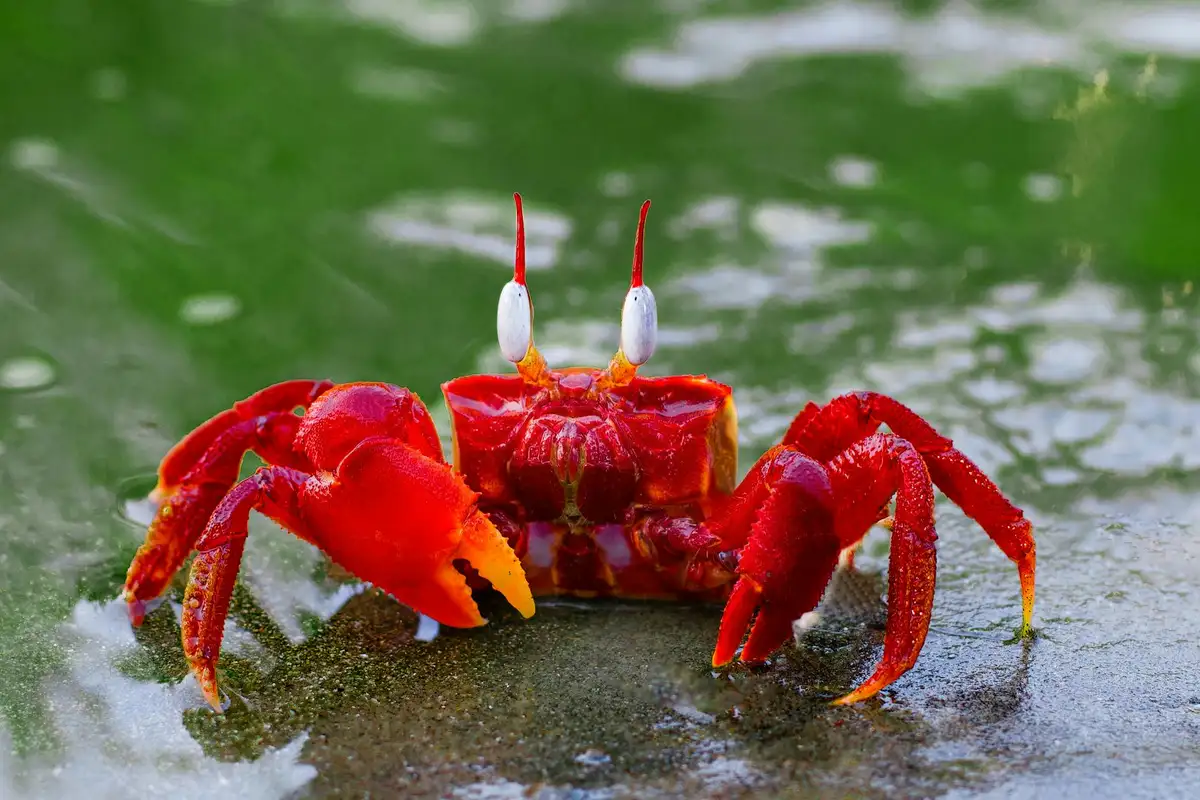
When I first brought Hermes and Apollo home, the initial setup was the biggest financial hurdle. I remember staring at the receipt for the tank, heater, humidity gauges, and bags of substrate. The upfront cost to create a proper home for just two crabs was easily over $200, and that was before I even bought their first meal. Apollo, in particular, taught me about recurring costs. His passion for shell collecting meant I was constantly buying a variety of new, appropriately sized shells for him to try on, which added a small but steady expense to my monthly pet budget.
The ongoing maintenance is where theory meets reality. For my strawberry hermit crab, Athena, maintaining high humidity is non-negotiable. I learned this the hard way when her gills started to feel dry. I now have a dedicated routine of misting her corner of the tank with dechlorinated water twice a day to keep her healthy and breathing easily. It is a simple task, but one that cannot be skipped.
Then there is Zeus, my assertive Caribbean crab. His dominant personality means I have to be strategic about food placement. Placing one food bowl in the tank led to him guarding it, preventing the others from eating. My solution was to set up multiple feeding stations in opposite corners, which immediately reduced tension and ensured everyone got their share. This is a small example of the problem-solving and observation required in daily care.
So, is the joy worth the effort and cost? For me, absolutely. The economic value is not in resale or utility; it is in the quiet fascination. Watching Hermes meticulously explore a new piece of cholla wood or finding Poseidon perfectly content after a long digging session provides a unique, low-key joy that I find immensely rewarding. The cost buys you a front-row seat to a miniature, fascinating world.
Making Your Decision: Key Questions to Ask
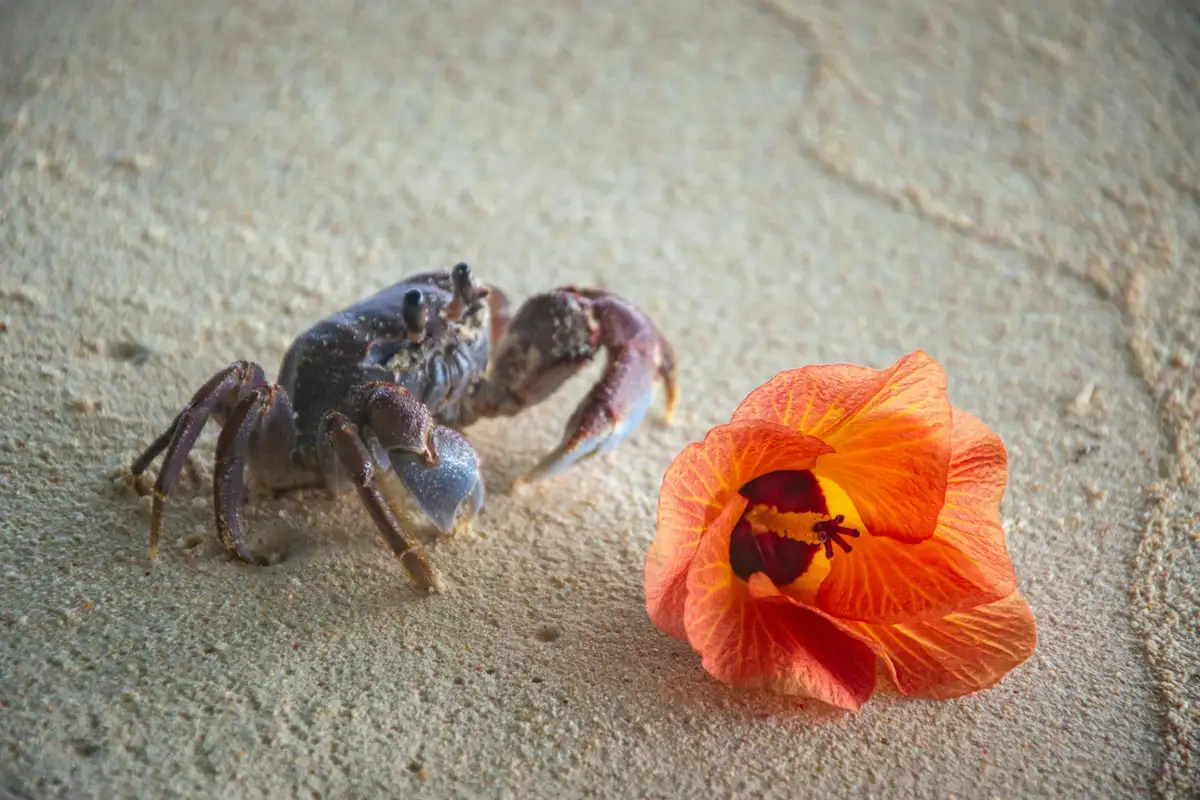
Before you commit to a hermit crab, please ask yourself these vital questions. Your honest answers will guide you to the right choice for both you and a potential pet (especially when deciding which species to choose based on your experience level).
Evaluate Your Financial Readiness
- Can you comfortably budget for a 20-gallon or larger tank, a quality heater, and deep substrate?
- Are you prepared for recurring costs for specialty foods, replacement substrate, and extra shells?
- Do you have a small emergency fund for potential vet visits or unexpected habitat repairs?
Assess Your Time and Commitment
- Can you dedicate time daily for feeding, water changes, and humidity checks?
- Are you willing to do a deep-clean of the habitat every few months?
- Do you enjoy quiet observation? These are not pets you cuddle; their fascinating behaviors are the real reward.
Consider Their Long Lifespan
Hermit crabs can live for many years with proper care. You are not making a short-term commitment; you are providing a forever home for a creature that depends entirely on you for its survival. Your life may change, but their need for a stable, healthy environment will not. The habitat you provide—temperature, humidity, substrate, and access to clean water and suitable shells—directly impacts their lifespan. A well-maintained, stable tank supports a longer, healthier life for your hermit crab.
Prioritize Animal Welfare
This is the most critical point. The decision should center on your ability to meet the animal’s needs, not just the price tag. Choosing to care for a hermit crab is a promise to replicate the complex conditions of its natural habitat as closely as possible. Ethical ownership also means prioritizing welfare and conservation. Your care choices impact the species’ longer-term survival in the wild. It is a responsibility that far outweighs any initial economic cost.
FAQs
Are hermit crabs high-maintenance pets?
While they don’t need constant attention like dogs, hermit crabs require daily monitoring of their habitat’s temperature and humidity to stay healthy. Their care involves regular feeding and environment checks, but it’s less intensive than for many other pets if you establish a consistent routine. Consider keeping a simple log to document and track health of your hermit crab. This helps you spot changes in behavior, appetite, or environment quickly.
What makes hermit crab ownership rewarding?
Owners enjoy the unique, calming experience of watching their natural behaviors, such as climbing and shell changes, which provides a fascinating live science lesson. The deep satisfaction comes from offering a proper home to a creature often mistreated, promoting animal welfare through dedicated care.
How do I budget for unexpected hermit crab expenses?
It’s wise to maintain a small emergency fund for surprises like vet visits or sudden shell upgrades, as these costs can arise without warning. Regularly setting aside money for potential issues helps ensure you can handle any care needs without compromising their well-being.
Making Your Decision
After years with my own crew, from the endlessly curious Hermes to the food-guarding Zeus, I see hermit crab ownership as a lifestyle choice, not a simple purchase. The true cost isn’t just the initial setup, but your long-term commitment to replicating a complex, tropical ecosystem. If you find joy in creating a miniature world and observing its quiet, fascinating inhabitants, the benefits of their unique companionship are absolutely worth the investment. It ultimately comes down to whether their specific, needs-based care aligns with the pet relationship you’re seeking.
Further Reading & Sources
- Hermit Crab Prices in 2024: Initial Purchase Cost + Ongoing Maintenance – A-Z Animals
- Resource value and communication strategy in the hermit crab Pagurus bernhardus (L.) – ScienceDirect
- How Much Do Hermit Crabs Cost? | Expert Q&A on Hermit Crab Prices & Pet Suitability
The Crab Central is your ultimate resource for hermit crab enthusiasts, providing expert advice and practical tips to ensure the health and happiness of your shelled companions. With years of experience in crustacean care, we are dedicated to offering accurate, up-to-date information to support your hermit crab journey. Our mission is to foster a community of responsible hermit crab owners who are passionate about the well-being of these fascinating creatures.
Recommended Products