Hermit Crab Predators and Natural Threats: A Protective Guide
Published on: December 17, 2025 | Last Updated: December 17, 2025
Written By: The Crab Guru
Even in a home habitat, your hermit crabs are not immune to the dangers posed by predators and environmental hazards.
As a dedicated owner of five hermit crabs, including my curious Caribbean crab Hermes, I draw from daily observations to give you practical, experience-based guidance.
Always ensure your crab’s enclosure has secure lids and plenty of cover to help them feel safe from perceived threats.
We will identify common predators, discuss household and environmental risks, and outline simple steps you can take to fortify your crab’s home. We’ll compare land versus marine hermit crab habitats to help you set up the perfect environment for your crab. Understanding these differences will guide your care choices.
Common Wild Predators That Target Hermit Crabs
In the wild, a hermit crab’s life is a constant game of hide-and-seek. Watching my own crabs, I see their instincts kick in every day. They are hardwired for survival against a long list of hunters. Understanding their burrowing and hiding behavior helps explain why hermit crabs bury themselves. They do it to stay moist, avoid predators, and weather molting, one of their most vulnerable times.
Sky-High Threats: Birds
Birds are some of the most efficient hunters in the intertidal zones where hermit crabs forage.
- Seagulls use their sharp beaks to snatch crabs right off the sand.
- Herons stand motionless in shallow water, striking with lightning speed.
- Pelicans scoop up crabs along with mouthfuls of water and sand.
Underwater Ambushers: Marine Hunters
The ocean is full of predators with the specific skill of extracting a crab from its shell.
- Octopus use their powerful arms and intelligence to pry and pull.
- Eels can slither into small crevices and have crushing bite force.
- Triggerfish have strong teeth designed to crack open shells like a nutcracker.
Beach Scavengers: Land-Based Threats
Once the tide recedes, a new set of dangers emerges on land.
- Raccoons use their dexterous paws to dig up and manipulate shells.
- Rats are relentless and will attack crabs of all sizes.
- Foxes patrol beaches at dawn and dusk, scavenging for an easy meal.
My crab Zeus perfectly demonstrates this ingrained fear. If I move my hand too quickly above his tank, he immediately retracts deep into his shell and doesn’t move for several minutes. He is reacting to the shadow just as he would to a diving seagull. It is a powerful reminder that even in our safe homes, their wild instincts are always present.
Environmental Hazards and Natural Dangers in the Wild
Predators are only one part of the survival equation. The environment itself can be just as dangerous. Keeping my own tank stable has shown me how delicate their world really is.
Climate and Weather Extremes
Hermit crabs rely on a very specific balance of moisture and warmth to breathe through their modified gills.
- Desiccation, or drying out, is a major killer during droughts. A crab caught too far from moisture will slowly suffocate.
- Extreme temperature shifts can cause shock, shutting down their systems. A sudden cold snap is just as deadly as a scorching hot day.
Human-Created Catastrophes
Our impact on coastlines creates threats that crabs cannot evolve to avoid.
- Oil spills coat their gills, preventing respiration and poisoning them.
- Plastic pollution entangles them or is mistaken for food, causing internal blockages.
- Coastal development and habitat loss simply erase the beaches they need to live and breed.
The Power of Storms and Erosion
Major weather events can devastate a local hermit crab population in hours.
- Powerful storm surges wash crabs far inland, where they perish.
- Beach erosion destroys the complex network of hiding spots under roots and logs.
- These events also wipe out the layers of decomposing plant matter that form their primary food source.
I see a miniature version of this stress in my own tank when the humidity drops. My crab Apollo, who normally loves basking, will immediately abandon his favorite spot under the heat lamp and bury himself in the dampest part of the substrate. He is instinctively seeking the stable, moist environment he needs to survive, just as he would after a drought in the wild. It is a behavior that underscores their total dependence on a balanced ecosystem. Maintaining the right water moisture is essential for a healthy hermit crab. They depend on consistent humidity and damp substrate to stay hydrated and molt successfully.
How Captivity Alters Predator and Threat Exposure

In the wild, a hermit crab’s life is a constant game of hide-and-seek from birds, rodents, and larger crabs. Your home eliminates those classic hunters, but it trades them for a completely new set of challenges that you must manage. To thrive, you must create a hermit crab-friendly environment at home, with stable humidity, a safe substrate, and plenty of hiding spots. Regularly monitor temperature and offer appropriate shells to rotate into.
I’ve watched my crabs, like the normally timid Athena, become far more bold and exploratory in their safe tank, a behavior I’d never see if they were constantly scanning the sky for predators. This shift in behavior is a direct result of the security you provide. It’s just one of those things that makes caring for hermit crabs so rewarding.
- Wild dangers include birds of prey, raccoons, octopuses, and even other crabs during competitive shell fights.
- Household risks are less dramatic but just as deadly: a curious cat batting at the glass, a fall from a child’s hand, or exposure to cleaning chemical fumes.
- The enclosure itself can become a threat with aggressive tank mates, toxic painted shells, or substrates that cause impaction.
- Escapes are a major concern; a crab like Hermes, who is fast and curious, can quickly find himself in a dangerous, dry environment under a sofa.
Your primary job as an owner is to become the predator they no longer have to watch for, actively managing their environment for hidden dangers.
Protecting Pet Hermit Crabs from Everyday Dangers
Secure Enclosure Setup and Maintenance
A secure tank is the foundation of all hermit crab safety. I learned this the hard way when a younger Apollo managed to nudge a slightly warped lid open; I found him stressed and dehydrated on the floor.
Always choose a tank with a tight-fitting, locking lid-glass or mesh with a plastic frame works best, as crabs can climb silicone seals. Weighting the lid down can provide extra security for a determined escape artist.
- Select an escape-proof tank by ensuring the lid clips or locks on securely, with no gaps for a determined claw to pry open.
- Safe substrates are deep, sandcastle-worthy mixes of coconut fiber and play sand that allow for natural burrowing and stress relief.
- Provide multiple hiding spots like half-coconut huts, cork bark rounds, and cholla wood to mimic the refuge of a rocky shore.
- Maintain humidity levels between 70-80% and temperatures around 75-85°F with a reliable heat mat and regular misting to prevent fatal desiccation.
Monitoring for Signs of Injury or Stress
Catching a problem early is the difference between a quick recovery and a tragedy. I make it a part of my daily routine to do a quick visual check on each of my crabs during feeding time.
I pay special attention to Apollo’s love for basking and Athena’s calm demeanor; any sudden change in these baseline behaviors is my first clue that something is wrong.
- Key behavioral changes include unusual lethargy, refusing food, spending all day above ground, or sudden aggression towards tank mates.
- Watch for shell abandonment, which is a major red flag for extreme stress, mites, or shell issues.
- Physical indicators to look for are lost limbs (autotomy), cracks in the exoskeleton or shell, and a dull, ashy coloration.
- A crab hanging out of its shell or sitting in a water dish for extended periods is also signaling distress.
Emergency Care for Accidents or Attacks
Even in the most careful homes, accidents can happen. A crab might fall, get into a fight, or ingest something toxic. Having a plan is critical.
For minor injuries like a lost leg or a small crack, I immediately move the crab to a quiet isolation tank with shallow, pre-mixed saltwater for therapeutic soaks. This prevents bullying and allows for a focused recovery.
- First-aid steps involve isolating the injured crab and providing a shallow dish of dechlorinated saltwater for 10-15 minute daily soaks to promote healing.
- Ensure the isolation tank has optimal heat, humidity, and deep substrate to encourage a safe, stress-free molt, which is how they regenerate limbs.
- Seek an exotic veterinarian for severe wounds, suspected poisoning from cleaners or metals, or if the crab is completely unresponsive.
- Create a calm recovery space by keeping the tank in a low-traffic area, dimming the lights, and providing their favorite foods to encourage eating and strength.
Species-Specific Vulnerabilities to Predators and Threats
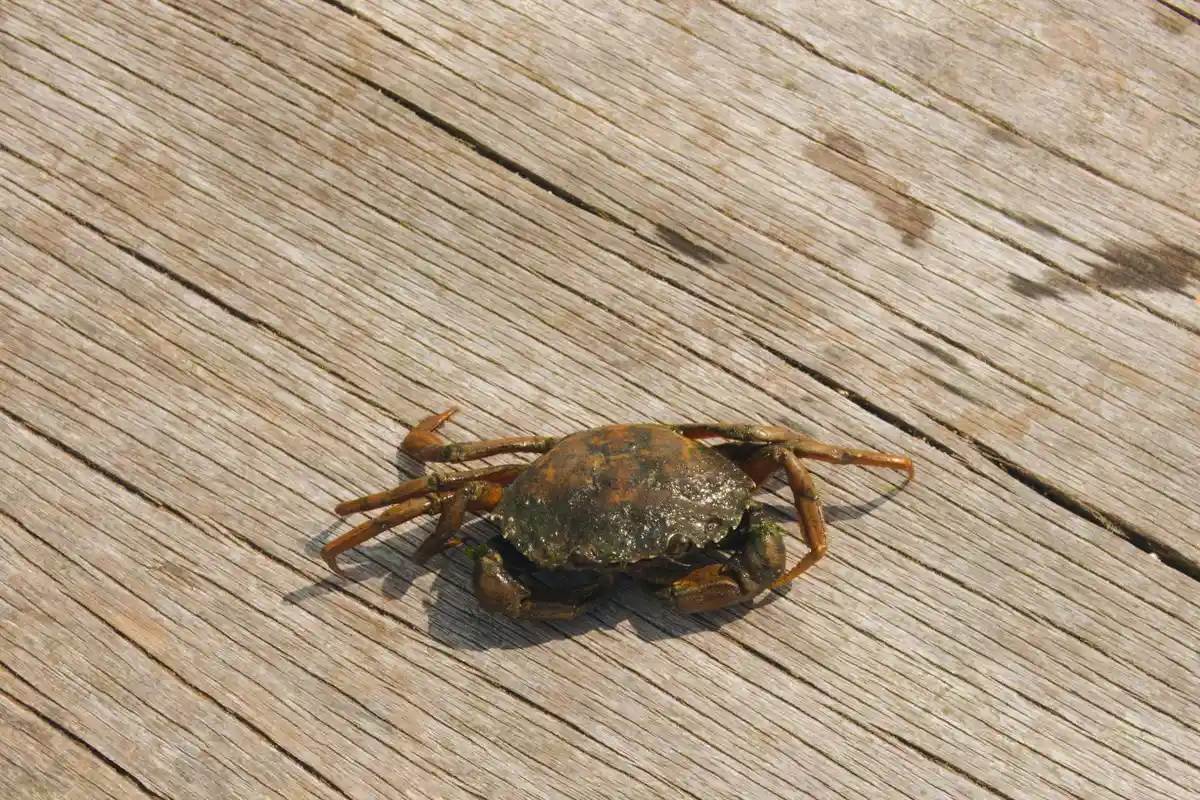
Not all hermit crabs face danger in the same way. Their species plays a huge role in how they avoid becoming a meal. In my tank, I see these differences play out every single day. Predator awareness matters for keeping them safe. By understanding which threats exist, you can protect your pet from harm.
My Caribbean hermit crabs, Hermes and Poseidon, are incredibly fast. If a shadow passes over the tank, they scuttle away in a flash. Their primary defense is pure speed and agility, allowing them to retreat into cover almost instantly. My Ecuadorian, Apollo, has a completely different strategy. He prefers to bask openly under the heat lamp, relying on stillness and his shell to camouflage him. This makes him more vulnerable to a patient, stalking predator, especially when dealing with hermit crab aggression and territorial behavior.
Shell selection is another critical factor. My Strawberry hermit crab, Athena, consistently chooses heavier, more robust shells with smaller openings. A heavy, well-fitting shell is a Strawberry hermit crab’s fortress, making it harder for a predator to pry them out or crush them. In contrast, my Caribbean crabs often prioritize lighter shells for mobility, which could be a liability against a determined attacker. This is a window into the science behind shell selection: crabs balance protection with mobility and growth. Researchers study how shell weight, size, and opening shape influence survival, energy use, and reproduction.
Observing my colony has taught me that their innate behaviors directly influence their reactions. Zeus, my assertive Caribbean crab, will often stand his ground and pinch at a perceived threat, while the calmer Athena will simply retract deeply and wait it out. Knowing your crab’s species-specific instincts helps you understand their unique fears and create a safer habitat for their individual needs.
Essential Products to Deter Threats in Home Habitats
Our homes are full of unseen dangers for a hermit crab. The right equipment is not a luxury; it’s a necessity for their safety. I’ve curated my tank setup through trial and error to address the most common hazards. When you set up, be sure to choose safe, stimulating decor for your hermit crab tank—it’s essential for safety and enrichment. It helps keep them active and curious without compromising safety.
First, you must secure the perimeter. A determined crab can be a master escape artist.
- Tank Locks: A simple, sturdy clip-on lid lock prevents clever crabs from pushing the lid open and taking a fatal fall.
- Predator Guards: If you have cats or other pets, a mesh guard over the tank’s ventilation areas stops curious paws while allowing for airflow.
- Secure Water Dishes: I only use shallow, easy-to-climb dishes with textured ramps. Deep, slippery dishes are drowning traps, especially for smaller crabs.
Accidents can still happen, so being prepared is key. I keep a dedicated hermit crab emergency kit within arm’s reach of the tank.
- Spare Shells: A variety of natural, appropriately-sized turbo shells are vital. A crab in a damaged or too-small shell is incredibly vulnerable.
- Healing Supplements: I keep a cuttlebone in the tank at all times for calcium, which is crucial for exoskeleton repair after any injury.
- Digital Humidity & Temperature Gauges: Analog gauges are often inaccurate. Digital gauges give me the precise readings I need to prevent stress-induced illness, their biggest silent threat.
The products I rely on for my own colony are simple but effective. A locking lid stopped a great escape by Hermes. The right water dishes gave Poseidon the confidence to soak safely. Investing in these fundamental tools transforms your tank from a simple enclosure into a genuinely secure and stress-free sanctuary.
FAQs
How can I protect my hermit crabs from household pets like cats or dogs?
Place the tank in a low-traffic area and use a secure, locking lid to prevent access. Additionally, consider adding a mesh guard over ventilation areas to block curious paws while maintaining airflow.
What steps should I take during a power outage to safeguard my hermit crabs from environmental stress?
Insulate the tank with towels to retain heat and humidity, and use battery-powered backups for essential equipment if available. Provide extra hiding spots and moist substrate to help them cope until conditions stabilize.
Are there everyday household items I should keep away from my hermit crab’s habitat to avoid accidental harm?
Avoid using aerosols, scented candles, or cleaning products near the tank, as fumes can be toxic. Also, ensure all decorations and shells are natural and untreated to prevent ingestion of harmful materials.
In Closing
From watching my own crabs, like curious Hermes and assertive Zeus, I know that shielding them from predators and stressors starts with a secure, well-maintained habitat. Your consistent attention to tank safety, proper handling, and environmental control makes all the difference in preventing harm. Additionally, properly handling a hermit crab means reading its behavior and stress signals so you know when to touch gently or give space. If you notice signs like rapid movement or backing into the shell, pause and reassess your approach. Stay observant and committed—your care ensures these fascinating pets live a full, peaceful life under your protection.
Further Reading & Sources
- Hermit crab – Seattle Aquarium
- Hermit Crab Animal Facts – A-Z Animals
- List of Hermit Crab Predators | Pets on Mom.com
The Crab Central is your ultimate resource for hermit crab enthusiasts, providing expert advice and practical tips to ensure the health and happiness of your shelled companions. With years of experience in crustacean care, we are dedicated to offering accurate, up-to-date information to support your hermit crab journey. Our mission is to foster a community of responsible hermit crab owners who are passionate about the well-being of these fascinating creatures.
Understanding Hermit Crab Behavior