
Hermit Crab Water Needs: Understanding Their Aquatic Behavior
Published on: December 16, 2025 | Last Updated: December 16, 2025
Written By: The Crab Guru
Are you wondering why your hermit crab spends so much time near water or what kind it actually needs to thrive?
Having cared for my five hermit crabs for years, I’ll share my personal observations and proven tips to help you get it right.
Always provide two water dishes-one for fresh and one for saltwater-to support their health.
We will cover the essential types of water, common aquatic behaviors to watch for, proper dish setup, and how to spot dehydration signs in your pet.
The Critical Role of Water in Hermit Crab Physiology
Hermit crabs have a fascinating and complex relationship with water that goes far beyond simple thirst. Their survival hinges on a delicate internal process called osmoregulation, which is how they balance salt and water concentrations in their bodies. They are constantly managing this balance, absorbing water and excreting excess salts through a special gland near their antennae. Proper hydration is essential for this process. In captivity, ensure constant access to dechlorinated freshwater and, where appropriate, saltwater or brackish water to support their water intake.
Even more critical is how they breathe. Contrary to popular belief, hermit crabs have modified gills, not lungs. These gills must be kept moist at all times to extract oxygen from the air. If the humidity in their tank drops too low, their gills dry out, leading to a slow and stressful suffocation, even if water dishes are full.
I see this need play out every day with my own crabs. My Ecuadorian hermit crab, Apollo, is a frequent visitor to both water pools, often just sitting in the freshwater to rehydrate his gills. On the other hand, my dominant Caribbean crab, Zeus, will aggressively guard a prime spot by the saltwater dish after a molt, when his new exoskeleton is soft and he needs those minerals most.
Watch your crabs closely for these signs of dehydration:
- Lethargy and lack of movement
- A dry, chalky appearance to their exoskeleton
- Buried deep in the substrate for extended periods
- Noticeably sunken body into the shell
- A strong, fishy odor emanating from the tank
Freshwater vs. Saltwater: Getting the Balance Right
Providing both freshwater and saltwater is non-negotiable for proper hermit crab care. Freshwater is for daily drinking and gill-moistening, while saltwater is vital for molting, osmoregulation, and overall shell health. The saltwater must be mixed to a specific brackish level, mimicking their natural ocean-side habitat, and never use table salt which contains harmful additives. This hydration and water conditioning guide explains safe water types for hermit crabs and how to prepare brackish water. Following its recommendations helps keep hermit crabs hydrated and healthy.
Creating the perfect brackish water is simple if you follow these steps:
- Use a gallon of dechlorinated water.
- Add a marine salt mix designed for aquariums, following the package instructions for a specific gravity between 1.021 and 1.024.
- Stir vigorously until all crystals are completely dissolved.
- Verify the salinity with a hydrometer or refractometer before offering it to your crabs.
While all species need both waters, their preferences can vary. My Caribbean crabs, like Hermes and Poseidon, spend more time in and around the saltwater pool, which aligns with their coastal origins. Shell selection matters too: crabs that spend more time in saltwater may benefit from sturdier shells that resist salt exposure. Those that frequent freshwater benefit from shells that stay dry and mold-resistant. My Ecuadorian crab, Apollo, seems to prefer the freshwater, but I always find him making the rounds to both. Strawberry hermit crabs, like my calm Athena, also require access to both for long-term health.
You have several safe options for preparing their water:
- Dechlorinator Drops: The easiest method to make tap water safe by neutralizing chlorine and chloramines.
- Pre-Mixed Saltwater: You can purchase ocean-water from a pet store, but check that it’s intended for fish aquariums, not just decorative shells.
- Spring Water: A good alternative if your tap water is unreliable, but ensure it does not contain added minerals.
Designing and Placing Water Dishes for Safety and Access

Getting the water dish right is one of the most critical parts of hermit crab care. A poorly chosen dish can lead to drowning, while a good one supports their health and natural behaviors. The goal is to provide easy access to fresh and saltwater without any risk of your crab becoming trapped underwater. It’s equally important to choose and use the right food and water dishes when setting up their feeding station.
Choosing Safe Depths to Prevent Drowning
Hermit crabs breathe through modified gills and can drown if they cannot easily get out of the water. I follow a simple rule based on my crabs’ sizes.
- For small crabs (like a dime-sized shell): Use very shallow dishes. The water depth should only be deep enough to barely cover the bottom of their shell when they step in.
- For medium to large crabs (like Apollo or Zeus): The water should be no deeper than the height of your crab’s largest leg joint. This allows them to submerge without being fully underwater.
- Always provide a secure way to climb out, like a stack of clean pebbles, a piece of cholla wood, or a ramp.
Suitable Materials and Sizes
The best dishes are functional, easy to clean, and safe for your crabs to climb in and out of.
- Materials: I exclusively use food-grade ceramic or reptile-grade plastic dishes. They are non-porous, easy to scrub, and too heavy to tip over. I avoid painted ceramics in case of toxic glazes.
- Sizes: Your largest crab should be able to fully submerge its shell in the dish. For my big guy, Zeus, I use a dish that is about 6 inches across. For my smaller crabs, a 4-inch dish is perfect.
- You need two identical dishes-one for fresh dechlorinated water and one for marine-grade saltwater.
Creating Humidity and Reducing Evaporation
Water dishes do more than provide a drink; they are essential for the tank’s humidity.
- Place the dishes on the warm side of the tank, near the heat source. This causes water to evaporate, boosting overall humidity.
- To create a humidity gradient, ensure one area of the tank (often the cool side) has slightly lower humidity. This gives crabs a choice.
- Using dishes with a larger surface area increases evaporation, which is great for humidity but means you must top them off more often.
Personal Experience with a Digging Enthusiast
My crab Poseidon loves to dig, and he often kicks substrate into the water dishes. To manage this, I placed his dishes on a raised platform made of a flat piece of slate. This simple trick keeps the water much cleaner for longer and gives him a stable surface to approach from. He still gets his soaks, but I spend less time fishing sand out of the water.
Daily and Weekly Water Maintenance Routines
Clean water is non-negotiable for hermit crab health. Stagnant, dirty water is a breeding ground for bacteria and can make your crabs very sick. A consistent maintenance routine is the best way to advocate for your pets’ welfare.
Cleaning Schedule for Optimal Water Quality
Bacteria and waste can build up quickly. This is the schedule I’ve found works best.
- Daily: Check both water dishes. Remove any food, substrate, or waste you see with a small net. Top off the water levels with the correct type (fresh or salt) as evaporation occurs.
- Every 2-3 Days: Empty the dishes completely. Scrub them thoroughly with a dedicated brush and hot water. Do not use soap, as residues can be lethal. Refill with properly treated water.
Handling Salt Creep and Monitoring Evaporation
Salt creep-the white, crusty residue from saltwater-is a common issue. It can irritate your crabs’ abdomen if they drag it through the crust.
- Wipe down the outside of the saltwater dish and the area around it during your daily check to manage creep.
- Evaporation rates will change with the seasons and your home’s humidity. Monitoring how quickly the water level drops helps you fine-tune your tank’s overall humidity. A rapid drop might mean you need to adjust the lid or add moss to help retain moisture.
Steps for Water Changes and Salinity Testing
Simply adding salt to a dish is not enough. You must mix the water correctly beforehand.
- Always mix your marine salt in a separate container with dechlorinated freshwater at least a few hours before you need it. This allows the salt to fully dissolve.
- Use a hydrometer to test the salinity. The specific gravity should be between 1.023 and 1.025, which mimics natural seawater.
- During your weekly deep clean, discard all the old saltwater, clean the dish, and fill it with your newly mixed, pre-tested saltwater.
Emphasizing Welfare Through Hygiene
I view water maintenance not as a chore, but as a direct act of care. Hermit crabs are sensitive to contaminants we can’t even see. Providing consistently clean water is one of the simplest and most effective ways to prevent stress and illness in your colony. When I see my crabs like Apollo happily sitting in his clean saltwater pool, I know the effort is worth it. Proper bathing or occasional misting, done correctly, is another key step in keeping them healthy and comfortable. It’s important to follow safe guidelines to avoid stressing them.
Interpreting Your Hermit Crab’s Water Behaviors
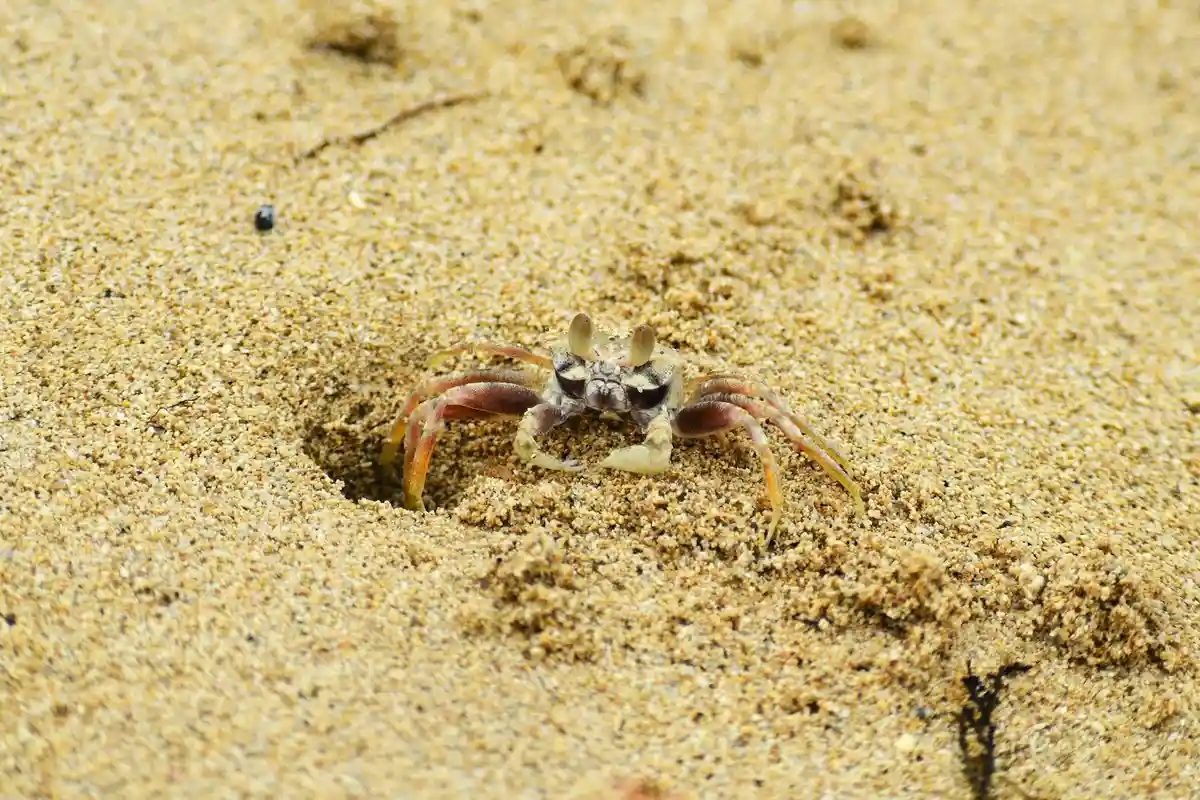
Watching your crabs interact with their water dishes is like getting a tiny window into their world. Their aquatic behaviors are not random; they are vital activities that tell you a great deal about their health and comfort. You’ll typically see them drinking by dipping their small claws into the water and bringing it to their mouthparts, a delicate and frequent action.
Bathing is another common sight. They will often sit partially submerged, allowing water to soak their shell and the lower part of their body. My crab Poseidon, for instance, treats his water dish like a personal spa, spending long periods just soaking. Some crabs, particularly the more agile Caribbean species like my Hermes, will even engage in a form of swimming, quickly scurrying across the bottom of a deep pool.
Observations from My Tank
- Athena (Strawberry): Her water interactions are as calm as her personality. She approaches slowly, drinks meticulously, and never causes a splash. It’s a peaceful, routine activity for her.
- Poseidon (Caribbean): As mentioned, he is my avid “bather.” He will fully submerge himself for minutes at a time, which initially worried me, but I’ve learned it’s just his preferred way to hydrate his shell and abdomen.
- Hermes (Caribbean): His curiosity extends to the water dish. He’s the one I most often see “testing” the depth and swimming from one side to the other, treating it as another landscape to explore.
Normal vs. Stressed Water Behavior
Knowing the difference between play and panic is a key part of crab guardianship.
Normal, Healthy Behaviors:
- Slow, deliberate drinking and bathing.
- Brief, controlled submersion.
- Gentle exploration of the water dish.
- Sitting near the dish to absorb humidity.
Signs of Stress or Distress:
- Frantically trying to climb out of the water dish as if trapped.
- Lying completely limp and motionless while submerged.
- Consistently avoiding the water dish altogether.
- Aggressive bubbling at the mouth while in the water, which can indicate respiratory irritation from untreated tap water.
A crab playing in the water is purposeful and coordinated, while a crab in distress appears frantic, clumsy, or utterly lifeless. Trust your instincts-if a behavior looks violently out of character, it probably is.
Water’s Impact on the Molting Cycle
Molting is the most vulnerable and critical process in a hermit crab’s life, and water is its silent partner. Without proper hydration, a crab cannot successfully shed its old exoskeleton; the process will literally stall, leading to limb loss or death. They store water in a special sac in their abdomen, which they use to swell and split their old exoskeleton open. Unfortunately, this is just one of many problems they can face during molting.
This happens through osmosis. A crab preparing to molt will drink and soak profusely to absorb water, which increases its internal pressure. This internal pressure is the very force that eventually cracks the old, confining shell, allowing the soft, new crab to emerge.
Trouble Signs Related to Water
Watch for these red flags that suggest your water setup is hindering the molting process.
- A crab digging down to molt but then resurfacing prematurely, often looking dehydrated.
- An unsuccessful molt where the crab becomes stuck in its old exoskeleton.
- The presence of a funky, unpleasant odor from the substrate, indicating bacterial growth from stagnant moisture.
Personal Molting Stories
I learned the importance of water quality the hard way with my first crab, Hermes. He dug down for a molt, but I was using shallow dishes and untreated tap water. He surfaced weak and only partially shed. It was a terrifying lesson that sent me deep into research mode. In contrast, my crab Apollo recently completed a perfect molt after I found him repeatedly soaking in his deep, saltwater pool for days prior. He knew exactly what he needed.
Creating a Moist Molting Environment
Your goal is to provide a habitat that holds moisture without flooding. Follow these steps.
- Use a substrate mix of play sand and coconut fiber that is at least 3 times as deep as your largest crab.
- The substrate should be “sand-castle consistency”-damp enough to hold a tunnel’s shape when you poke a finger in.
- Provide both fresh and saltwater pools deep enough for your largest crab to fully submerge.
- Ensure the pools have safe ramps or a way for the smallest crab to easily climb out.
- Maintain high overall tank humidity (around 80%) by regularly misting with dechlorinated water and using a sealed lid.
By managing both the drinking water and the environmental humidity, you give your crab the best possible chance for a safe and successful molt. Humidity is a key factor in hermit crab health during molting, helping with shedding and shell repair. The Role of Humidity in Molting is essential, as maintaining stable humidity reduces stress and supports a smoother molt. It’s the most supportive thing you can do for them during this fragile time.
Solving Common Water-Related Health Issues
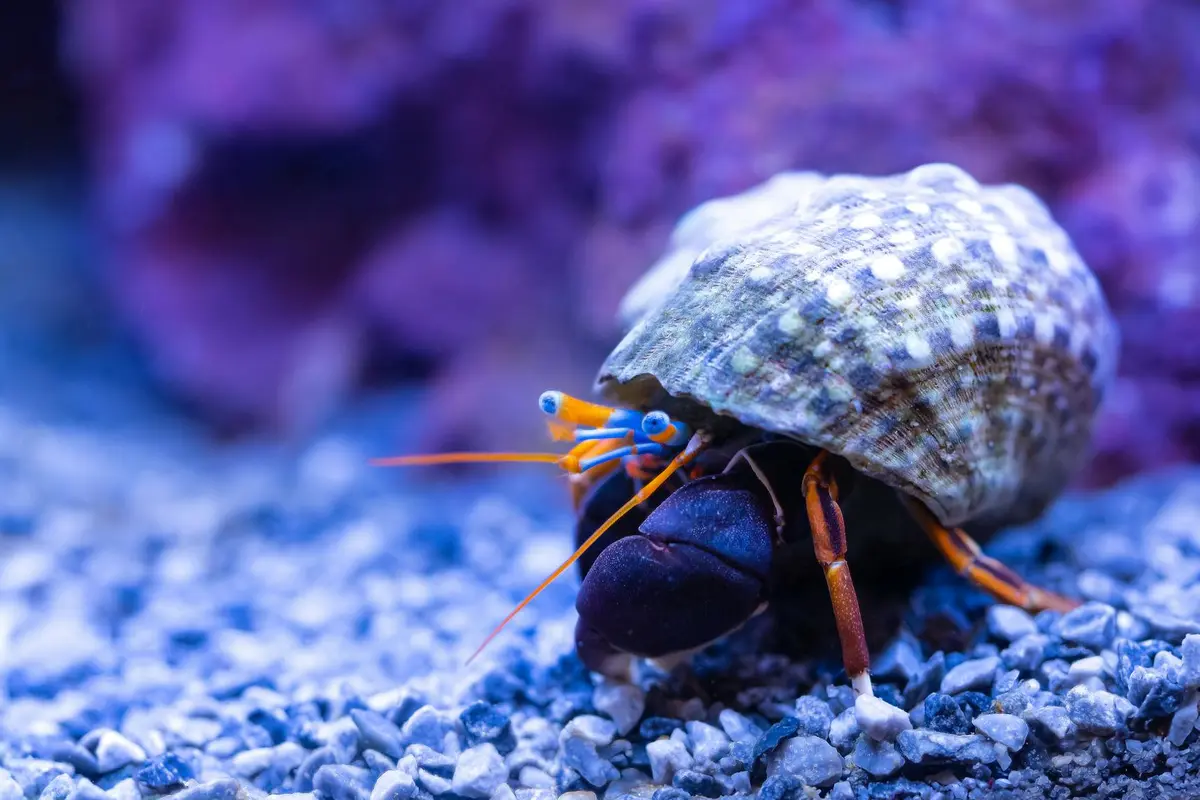
I’ve seen my fair share of water-related scares over the years. My crab, Apollo, once went through a period of lethargy that had me worried sick; it turned out he was mildly dehydrated because his water dish was just a little too difficult to climb into. Observing your crabs daily is the single best way to catch these subtle health issues early.
Dehydration: The Silent Threat
Dehydrated hermit crabs often seem sluggish and may spend too much time in the water dish. Their abdomen might appear dry, and in severe cases, they can even drop limbs. I always check on Zeus and Poseidon in the evening, as this is when they are most active and their behavior is easiest to assess. Recognizing dehydration early is key to effective treatment. Prompt care—providing accessible freshwater and monitoring activity—can prevent serious complications. If you suspect dehydration, ensure both your fresh and saltwater pools are instantly accessible. I sometimes place a very shallow bottle cap of dechlorinated freshwater near a hiding crab to give them an easy option without stress.
Preventing Drowning Risks
Drowning is a heartbreaking and entirely preventable tragedy. A common mistake is providing a deep, smooth-sided dish. The key is to provide a safe exit, not just a water source. I use shallow reptile dishes and pile smooth, natural aquarium stones on one side to create a gentle ramp. This gives even my smallest crabs, like Hermes, a textured surface to grip and climb out easily. Your crab should be able to submerge completely without having to struggle to get back out.
Quick Troubleshooting Guide
| Problem | Likely Cause | Immediate Solution |
|---|---|---|
| Crab is lethargic, not moving much | Dehydration or poor water quality | Check water dishes are full and clean; offer a shallow water source directly near the crab. |
| Crab is constantly submerged for hours | Possible mites, stress, or difficulty exiting | Gently move the crab to a dry area and immediately modify the water dish with a better ramp. |
| Crab avoids the water dish entirely | Water may be contaminated or too deep | Change the water completely and test the depth. Ensure the dish isn’t placed in a high-traffic, stressful spot. |
| Fishy or foul odor from the tank | Stagnant or dirty saltwater | Perform a full water change and clean the dishes. Spoiled saltwater is a common culprit. |
Advocating for Proactive Care
Waiting for a problem to appear means you’re already behind. Proactive care is about building a habitat that supports natural behavior and eliminates risks before they can become emergencies. I make it a non-negotiable part of my routine to check water depths, cleanliness, and accessibility every single morning. This simple, two-minute habit has saved my crabs from countless potential issues and gives me immense peace of mind. Your hermit crabs rely on you completely for their well-being, and providing safe, clean water is the most fundamental part of that trust.
Common Questions
How do I test the salinity of my hermit crab’s saltwater?
You need a hydrometer or refractometer to measure the specific gravity, which should be between 1.021 and 1.024. Always mix the marine salt with dechlorinated water in a separate container and test it before adding it to the tank.
Can I use bottled water for my hermit crabs?
You can use spring water as long as it doesn’t contain added minerals, but it must still be treated with a dechlorinator if it is tap water. The safest and most reliable method is to use a dechlorinator on standard tap water to make it safe.
Do I need separate water dishes if I have multiple crabs?
Yes, you should always provide two dedicated dishes-one for fresh and one for saltwater-regardless of the number of crabs. Ensure the dishes are large enough to accommodate your largest crab and have safe exits to prevent competition and drowning risks.
In Closing
Providing both fresh and saltwater is a non-negotiable part of hermit crab care, not an optional extra. My five crabs thrive because I treat their water dishes with the same importance as their food, ensuring they always have deep, clean, and safe pools to drink from, bathe in, and use for regulating their shell humidity. Proper moisture is essential for hermit crabs’ health. When humidity and water access meet their needs, they stay hydrated and molt more smoothly. Paying close attention to their aquatic behavior has given me incredible insight into their health and happiness, and it’s a simple step that makes all the difference for their well-being.
Further Reading & Sources
- r/hermitcrabs on Reddit: The Comprehensive Guide to Hermit Crab Water
- Pet Land Hermit Crab Food And Water Requirements
- How to care for the hermit crab you won at the fair – Farm and Dairy
The Crab Central is your ultimate resource for hermit crab enthusiasts, providing expert advice and practical tips to ensure the health and happiness of your shelled companions. With years of experience in crustacean care, we are dedicated to offering accurate, up-to-date information to support your hermit crab journey. Our mission is to foster a community of responsible hermit crab owners who are passionate about the well-being of these fascinating creatures.
Maintaining Water Quality