
Saltwater vs Freshwater Hermit Crab Shells: Key Differences and Selection Tips
Published on: December 13, 2025 | Last Updated: December 13, 2025
Written By: The Crab Guru
Choosing the right shell for your hermit crab is one of the most important decisions you’ll make for their health and happiness.
With five crabs of my own, from curious Caribbean to calm Strawberry breeds, I’ve learned through trial and error how to pick the perfect home for each unique personality.
Always shop for shells based on your crab’s species, not just their current size.
We’ll cover the key physical differences between saltwater and freshwater shells, explain why material matters for their health, and give you my proven tips for making the perfect selection.
Understanding Hermit Crab Shell Basics
A shell is not just a decoration for a hermit crab; it is their entire life support system and mobile fortress. This portable home provides critical protection from predators, prevents their delicate abdomen from drying out, and serves as a safe space to retreat when they feel threatened. Choosing the right shell is crucial for their well-being. My crab Apollo taught me this when he refused to leave a too-small shell for weeks, showing me just how vulnerable they feel without the right armor.
Why Shells Are Non-Negotiable
Think of a shell as your crab’s most important piece of real estate. It fulfills several vital roles that are essential for their survival and well-being. In a complete guide to hermit crab shell types, you’ll learn about natural options and synthetic alternatives. This helps you choose the best shell for growth and comfort.
- Protection: The hard exterior shields their soft, vulnerable body from injury and other crabs.
- Moisture Retention: The shell helps trap humidity against their abdomen, which is crucial for proper respiration.
- Security: It provides a private, dark space where they can hide to reduce stress and feel safe.
- Molting Sanctuary: A secure, well-fitting shell is the safest place for a crab to undergo the stressful and dangerous process of molting.
Where Do Shells Come From?
In the wild, hermit crabs are master recyclers, moving into empty gastropod shells. Common natural sources include snail shells, conch shells, and turbo shells, each offering a unique shape and interior structure. I’ve spent countless hours at beach shops and online retailers searching for the perfect turbo shell for my Caribbean crabs, Hermes and Poseidon, who prefer their smooth, rounded openings.
Core Differences: Saltwater vs Freshwater Shells
The environment a shell originates from dictates its physical characteristics, which in turn determines its suitability for your crab. Saltwater shells are typically heavier and more robust because they form in mineral-rich ocean water, while freshwater shells are often lighter and more fragile. This is a distinction I learned the hard way when a fragile freshwater shell cracked under the weight of one of my larger crabs.
A Side-by-Side Shell Comparison
| Attribute | Saltwater Shells | Freshwater Shells |
|---|---|---|
| Hardness & Durability | Very hard, thick, and resilient | Softer, thinner, and more prone to chipping |
| Weight | Substantially heavier | Generally much lighter |
| Common Shapes | Rounded openings (turban), wide spirals | Elongated, narrower openings (like apple snail shells) |
The Impact of Salinity on Shell Integrity
The chemistry of the water is a primary factor in shell development. High salinity levels in marine environments lead to accelerated calcification, resulting in the dense, durable shells that saltwater hermit crab species are adapted to carry. Freshwater lacks these abundant minerals, producing thinner and more brittle shells that cannot withstand the wear and tear a larger, more active crab inflicts. For your pet’s safety and comfort, always match the shell type to the crab’s natural habitat needs.
Selecting the Perfect Shell for Your Hermit Crab

Assessing Shell Size and Fit
Finding a shell that fits is the most critical part of the process. A bad fit can stress your crab and even cause injury. I always start by gently observing my crab outside its shell to gauge its body size before I go shell shopping. This gives me a baseline to work from. From there, I follow a complete guide on choosing the right hermit crab shell size to ensure a proper fit. It walks you through measuring and testing shells so your crab remains comfortable and safe during molts.
Follow these steps to ensure a proper fit:
- Check the Shell Opening: The aperture (the main opening) is what matters most. Your crab should be able to enter the shell comfortably without forcing its way in.
- Test for Full Retraction: Once inside, the crab must be able to pull its entire body, including its big claw, completely into the shell. You should not see any part of its body exposed.
- Listen for a “Click”: A well-fitting shell will often produce a soft clicking sound when your crab pulls itself all the way in. This is the sound of its abdomen plate tapping the inside of the shell, a sure sign of a good home.
- Observe Movement: After changing, your crab should be able to move and walk normally without the shell dragging or seeming excessively heavy.
Choosing Shell Weight and Texture
The right shell material can dramatically affect your crab’s quality of life. I learned this the hard way when I gave my climber, Hermes, a shell that was too heavy and he became lethargic and inactive. You need to match the shell to your crab’s natural behavior.
- For Climbers (like my Caribbean crabs Hermes and Poseidon): Choose lighter-weight shells like turbo or nerite shells. A heavy shell makes climbing difficult and dangerous if they fall.
- For Diggers (like my Ecuadorian crab Apollo): A slightly heavier, sturdier shell like a conch or whelk can be beneficial. It provides stability and protection when they are burrowing into the substrate.
- For Shy or Calm Crabs (like my Strawberry crab Athena): A medium-weight shell with a smooth texture is often preferred. Rough, spiky shells can snag on tank decor and make it hard for them to navigate tight spaces.
- Texture Matters: Offer a variety of textures. Some crabs prefer the smooth interior of a polished turbo, while others like the grip provided by a rougher, natural shell interior.
Common Shell Types and Their Suitability
Popular Shells for Saltwater vs. Freshwater Crabs
Not all shells are created equal, and your crab’s natural habitat is the best guide for what they will find comfortable. In my tank, I keep a mix of these shells and watch to see which ones get chosen first. This helps explain why hermit crabs change shells: they actively assess fit, weight, and protection. If a shell is too tight or damaged, they will evacuate it in search of a better one.
- Turbo Shells (Saltwater): These are the gold standard for many marine species like Caribbean hermit crabs. They are lightweight, have a round, D-shaped opening, and are often the first choice in my tank.
- Conch and Whelk Shells (Saltwater): These are larger, heavier shells with a long, spiral opening. They are excellent for bigger, more assertive crabs like my Zeus, who needs a strong fortress.
- Babylon Shells (Saltwater/Freshwater): These have a beautiful, elongated spiral. They can work for some larger freshwater species but are more commonly associated with saltwater crabs.
- Apple Snail Shells (Freshwater): This is the ideal shell for most pet freshwater hermit crabs. The opening is perfectly round and spacious, mimicking the shells they use in the wild.
- Japanese Trapdoor Snail Shells (Freshwater): Another excellent, round-opening option for freshwater crabs. They are often darker in color and very durable.
Shell Sourcing and Ethics
Where you get your shells is as important as the shells themselves. I never take shells from a live animal or a beach that is part of a protected ecosystem, as this disrupts the natural habitat for wild hermits.
Pet stores often sell bags of assorted shells, but these can be overpriced and limited in variety. I find better options online from reputable sellers who specifically market to hermit crab owners. You can also use shells collected from non-protected areas, but you must boil them thoroughly to sterilize them and remove any harmful bacteria or salts. Always prioritize suppliers who practice ethical and sustainable harvesting. For a quick start, consult a hermit crab shells shopping guide to identify safe, reputable sources and retailers. Look for shells that are undamaged, properly sized for your crab, and sold by vendors with transparent sourcing.
When and How to Introduce New Shells
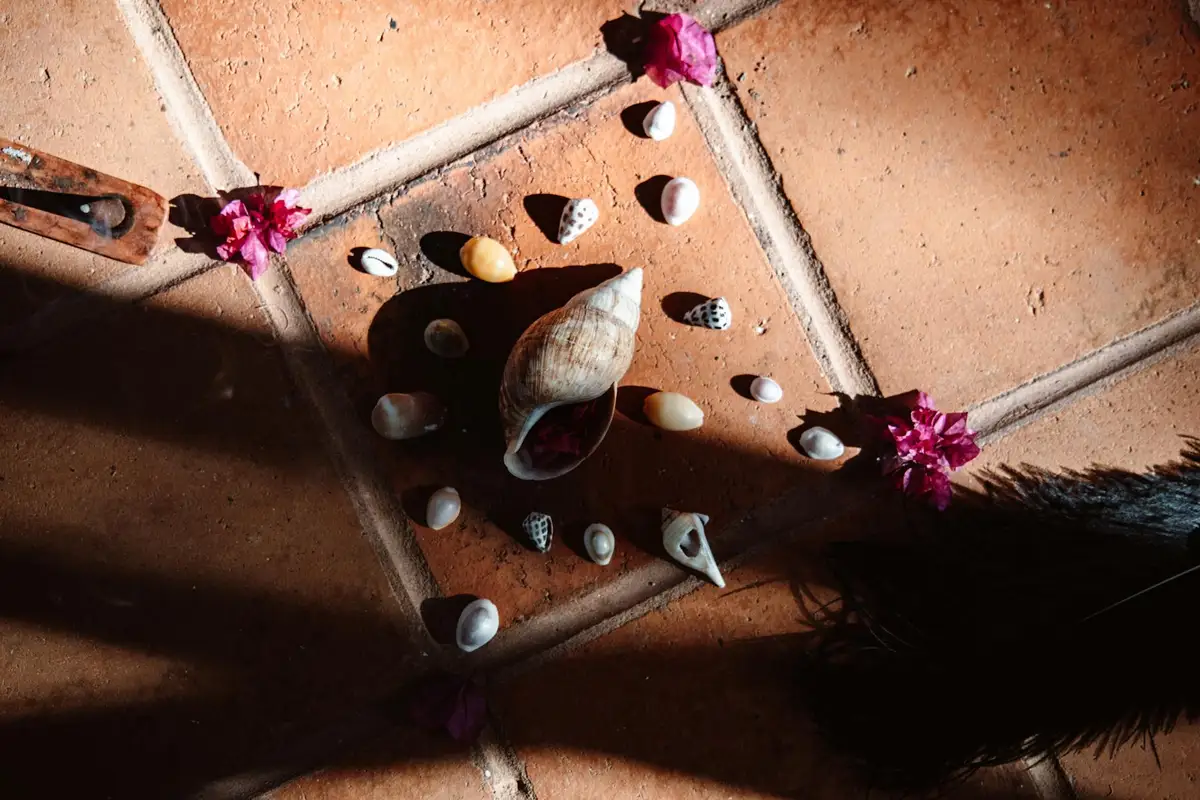
Shell changes are a natural part of a hermit crab’s life, especially after a molt when they emerge larger and in need of a new home. I always place a fresh, varied selection of shells in the tank right after my crabs, like Hermes and Apollo, have finished their post-molt hardening period. This is when they are most actively searching and receptive to a change. Understanding how hermit crabs grow and change shells can help you provide the right care and environment for them.
Steps for a Successful Shell Swap
Based on years of trial and error with my own colony, here is my personal method for encouraging a smooth transition.
- After a molt, wait until your crab’s new exoskeleton is completely hard-this usually takes a few days to a week.
- Gather 3-5 new, sterilized shells that are slightly larger than their current one.
- Arrange the new shells in a shallow dish near a high-traffic area, like next to the food or water dishes.
- Spritz the shells lightly with dechlorinated water. The slight moisture often makes them more attractive.
- Observe from a distance. I’ve spent many evenings watching my crabs investigate new real estate. Avoid disturbing them during this crucial decision-making time.
Recognizing a Poor Shell Fit
A crab in an ill-fitting shell is a crab under constant stress. It is our job as caretakers to recognize the signs and provide a better option.
One of the most telling signs is when a significant portion of their body, not just their big claw, remains exposed and cannot be fully retracted into the shell. My crab Zeus used to do this, and it was a clear cry for an upgrade.
Checklist of Warning Behaviors
- Excessive Shell Knocking: The crab repeatedly taps its shell against hard surfaces, sounding frustrated.
- Lethargy or Hiding: A crab that feels vulnerable will often hide excessively and avoid activity.
- Naked Crab: This is a critical emergency where the crab has abandoned its shell entirely due to stress or mites.
- Difficulty Moving: The shell appears far too heavy or bulky, causing the crab to struggle with basic climbing and walking.
- Aggressive Shell Investigations: A crab that desperately tries to evict a tankmate is a crab in a shell crisis.
Maintaining Shell Health in Your Habitat
Introducing a dirty shell into your pristine habitat can introduce bacteria, mold, and pests. Every single shell that enters my crabitat, whether store-bought or collected from a beach, goes through a rigorous cleaning process first. The health of my pets is never worth a shortcut.
How to Clean Shells for Aquarium Use
This simple, safe process ensures you provide a clean, toxin-free home for your crab.
- Scrub the shell’s interior and exterior thoroughly with a clean toothbrush under hot tap water to remove all dirt and debris.
- Soak the shells in a solution of 50% dechlorinated water and 50% distilled white vinegar for 15-20 minutes. This helps dissolve mineral deposits.
- Rinse the shells extremely well until no vinegar scent remains.
- To sterilize, boil the shells in dechlorinated water for 10-15 minutes. Let them cool completely in the water.
- Air-dry the shells on a clean towel before placing them in the tank.
Managing Shells in a Multi-Crab Tank
In a community tank, shell resources must be managed thoughtfully to prevent competition and aggression. My golden rule is to always provide at least 3-5 empty, appropriate-sized shells per crab to give everyone ample choice and reduce conflict.
I make sure to scatter shells throughout the tank, not just in one pile. This prevents a dominant crab like Zeus from guarding the entire selection. I offer a variety of shell types and shapes because, just like people, my crabs have personal preferences. Apollo loves turbo shells, while Poseidon prefers the wider openings of murex shells. Observing your crabs’ individual preferences is the key to a peaceful, well-shelled community. With several crabs in one tank, social dynamics matter. Watching shell access and space negotiations helps you keep the group peaceful.
FAQs
Can I use saltwater shells for freshwater hermit crabs?
Saltwater shells are typically too heavy and dense for freshwater species, which can lead to mobility issues and stress. It’s best to choose lighter, freshwater-appropriate shells to match their natural needs and prevent health problems.
How do I encourage my hermit crab to change shells if it’s reluctant?
Offer a variety of clean, properly sized shells and place them in high-traffic areas of the tank. Lightly misting the shells with dechlorinated water can make them more attractive without causing stress or forcing a change.
Are there any shells I should avoid for my hermit crab?
Avoid painted or chemically treated shells, as toxins can harm your crab through ingestion or contact. Also, steer clear of shells with sharp edges or cracks that could cause injury or trap moisture and bacteria. Learn why painted shells are not recommended for hermit crabs.
Making the Right Shell Choice
Ultimately, your hermit crab’s health depends on you matching their shell to their specific biology. Freshwater land crabs need lighter, more breathable shells, while saltwater marine species require the heavy, protective, and calcium-rich shells found in their ocean homes. Additionally, meeting their water needs supports their aquatic behavior. Provide a shallow freshwater dish and a separate saltwater dish so they can hydrate and soak as they would in nature. By observing your crab’s behavior and providing a proper variety, you are directly supporting their natural instincts and overall well-being, which is the most rewarding part of being a caretaker.
Further Reading & Sources
- Preferred Shell Guide – HCA: Hermit Crab Association
- Hermit Crab Shell Guide on Shell Types and Buying Shells – @happyhermitcare on Tumblr
- Hermit Shells
The Crab Central is your ultimate resource for hermit crab enthusiasts, providing expert advice and practical tips to ensure the health and happiness of your shelled companions. With years of experience in crustacean care, we are dedicated to offering accurate, up-to-date information to support your hermit crab journey. Our mission is to foster a community of responsible hermit crab owners who are passionate about the well-being of these fascinating creatures.
Essential Supplies