
Common Hermit Crab Health Issues and How to Treat Them
Published on: November 9, 2025 | Last Updated: November 9, 2025
Written By: The Crab Guru
Seeing your hermit crab act strangely can be worrying, and knowing what common health issues to look for is the first step to helping them.
I’ve cared for my five crabs for years, and through experiences with Hermes’s curiosity and Zeus’s dominance, I’ve learned to identify and address many health problems.
Quick tip: A clean habitat with proper humidity is your best defense against many crab illnesses.
This article will guide you through identifying issues like mites, shell disease, and stress, and provide clear, actionable steps for treatment.
Recognizing the Signs of a Healthy vs. Unwell Hermit Crab
Knowing your crab’s normal behavior is the first step to spotting trouble. My crab Hermes is naturally curious and fast-moving, so if he suddenly stops exploring, I know something is wrong. In contrast, my strawberry crab Athena is always calm and observant; her version of “sick” would be hiding constantly or seeming unresponsive to her surroundings. That mirrors the advice you’ll find in an essential guide to raising hermit crab pets. It stresses knowing each crab’s baseline and watching for changes.
A healthy crab is an active crab, engaging with its environment in a way that’s normal for its unique personality. They should have a moist, slightly shiny exoskeleton and retract quickly into their shell when startled. Their antennae are usually out and moving, sampling the air. A healthy appetite is also a great sign-my dominant crab, Zeus, is always the first to the food bowl, and when he isn’t, I pay close attention.
Conversely, an unwell crab will show clear, often distressing, signs. Here are the most common symptoms of poor health:
- Lethargy and Lack of Movement: A crab that stays in one spot for days, not even shifting position, is a major red flag.
- Loss of Appetite: Ignoring favorite foods, especially over 24-48 hours, is not normal behavior.
- Surface Molting: Molting on the surface instead of burying itself safely underground is extremely dangerous and stressful.
- Foul Odor: A sour or rotten smell from the shell almost always indicates a dead crab.
- Limp Body: A crab that falls out of its shell and feels limp to the touch is in critical condition.
- Mites: Tiny white or red bugs crawling on the shell or the crab itself are parasites that need immediate treatment.
Environmental Stress: Humidity, Temperature, and Dehydration
Symptoms of Improper Humidity and Temperature
Your crab’s tank environment is its entire world, and when it’s off, they suffer silently. I learned this when Apollo, who loves basking, started avoiding the heat lamp entirely. This was a clear signal his environment was out of balance.
Sluggishness is one of the earliest and most common signs that your humidity or temperature is wrong. Other physical symptoms are easy to spot once you know what to look for. A dry, chalky-looking exoskeleton is a direct sign of dehydration. You might notice your crab spending an excessive amount of time in the water dish, much like Poseidon does, but for survival, not pleasure. Refusal to eat often accompanies this, as a stressed, dehydrated crab loses its appetite.
Causes of Environmental Stress
Environmental stress almost always traces back to the tank setup. The most frequent causes I’ve encountered are incorrect humidity levels and temperature swings.
A screen lid tank is the biggest culprit, as it lets all the precious humidity escape far too quickly. I made this mistake early on and saw my crabs become lethargic within days. Other common mistakes include using a heat lamp that’s too powerful and dries out the air, not having a deep enough substrate to hold moisture, or simply forgetting to mist the tank daily. Placement matters too-a tank in direct sunlight or in the path of an air conditioner vent will never hold a stable temperature.
Treatment and Prevention Steps
Fixing environmental stress is about creating a stable, tropical haven. Here is the step-by-step method I use to get my tank back on track.
- Measure Everything: Start by using a digital hygrometer and thermometer. Do not guess; you need accurate readings.
- Adjust Humidity: If humidity is low, cover most of the screen lid with a piece of plastic or glass. Mist the tank with dechlorinated water 1-2 times daily. Add a larger water pool or a humidity-boosting moss pit.
- Stabilize Temperature: For a tank that’s too cold, switch to an under-tank heater placed on the side of the tank, not the bottom. This provides gentle, ambient heat without baking the substrate.
- Rehydrate a Dehydrated Crab: I once had to help a severely dehydrated crab by giving it an “emergency soak.” I prepared a shallow bowl of lukewarm, dechlorinated salt water (the same as their saltwater pool) and let it sit in there for just a few minutes. This can help them absorb water through their abdomen. Always supervise these soaks closely and keep the water very shallow to prevent drowning.
- Prevent Future Issues: Make checking your gauges part of your daily routine, just like feeding. Automate what you can-a timer for your heat source and an automatic mister can be lifesavers for maintaining consistency.
Molting Problems: Failed Molts and Calcium Deficiency
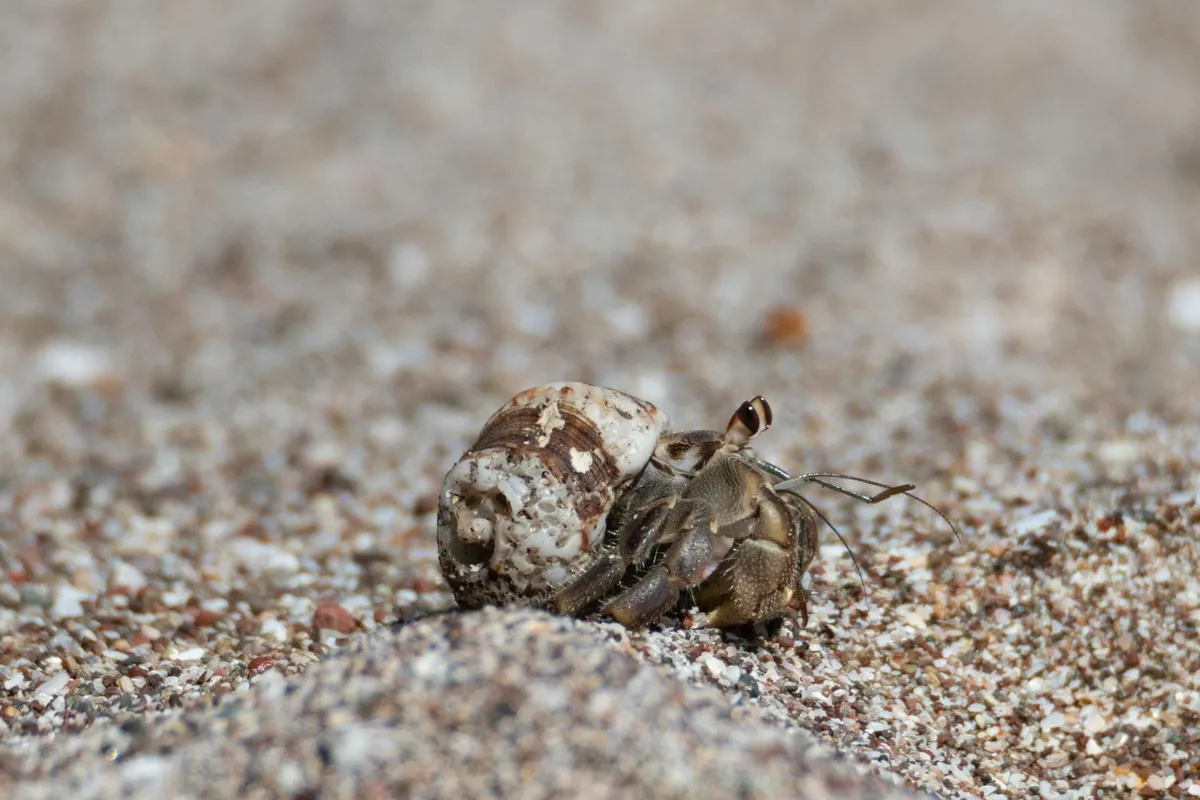
Watching a hermit crab molt is a nerve-wracking but incredible part of being an owner. This process is one of the most vulnerable times in a crab’s life, and things can go wrong if their environment isn’t perfect. I’ve guided all five of my crabs through this process, and learning to spot trouble early has been key to their health. For beginners, a proper setup with correct humidity and temperature, substrate, and hides is essential. Daily maintenance and checks keep the tank stable and meet the crabs’ daily requirements, especially during molts.
Identifying Molting Issues
You need to become a bit of a detective when your crab goes underground. A healthy molt happens out of sight, and the crab emerges refreshed with a new, larger exoskeleton. A failed molt looks very different.
- Incomplete Shedding: You might find your crab with pieces of the old exoskeleton still clinging to its body, particularly on its legs or claws. It can’t move properly and looks trapped.
- Prolonged Hiding: While molting takes time, an abnormally long period underground can be a red flag. My crab Apollo once stayed buried for nearly 14 weeks, which was far too long for his size, and he emerged very weak.
- Limb Loss or Damage: A crab may drop a limb (autotomize) during a stressful or difficult molt. Finding a leg in the tank after a molt is a clear sign something was wrong.
- Lethargy and Weakness: After a successful molt, a crab is usually reclusive but active. A crab that seems limp, unresponsive, or cannot right itself is in serious trouble.
Causes and Risk Factors
Failed molts don’t happen without a reason. They are almost always a sign that something is missing from the crab’s habitat or diet.
- Insufficient Calcium: This is the number one cause. Without enough calcium, a crab cannot harden its new exoskeleton properly, leaving it soft, vulnerable, and unable to complete the shedding process.
- Poor Nutrition: A diet lacking in variety and key nutrients, especially protein and chitin, fails to provide the energy and building blocks needed for this immense physical effort.
- Incorrect Tank Conditions: The substrate must be deep enough and the right consistency for them to tunnel safely. If it’s too dry or shallow, they can become trapped or stressed.
- Stress and Disturbances: Vibrations, loud noises, or you digging around in the tank can panic a molting crab. I learned this the hard way when a simple tank cleaning spooked my calm crab, Athena, interrupting her cycle.
- Lack of Salt and Fresh Water: Crabs store water in their shell to create a molting sac and regulate their fluid balance. Without access to both types of water, dehydration can be fatal.
Treatment and Calcium Supplementation
If you suspect a molting problem, your actions need to be swift but gentle. The goal is to provide support without causing more stress.
- Do Not Disturb: If your crab is still buried, the best thing you can do is leave it completely alone. Resist the urge to check on it.
- Isolate if Necessary: If the crab is above ground and clearly injured or struggling, you may need to gently move it to a small, safe isolation container with shallow substrate, its water, and food. This protects it from other crabs.
- Provide Immediate Calcium: Always keep a piece of cuttlebone in the tank. Crabs will gnaw on it as needed. For a crab in recovery, I grind up cuttlebone or offer crushed, sterilized eggshells right next to it.
- Offer High-Energy Foods: Mix calcium powder into foods like organic honey, unsweetened applesauce, or crushed shrimp. This gives them a quick energy boost and the nutrients to recover.
- Ensure Proper Hydration: Make sure both dechlorinated fresh and saltwater pools are easily accessible and shallow enough for a weak crab to climb in and out of safely.
- Create a Safe Molting Space: I always make sure the substrate is at least 6 inches deep or three times the height of my largest crab. I keep one corner of the tank consistently moist to give them a perfect spot to dig their molting cave.
Shell Health: Rot, Disease, and Infections
Your crab’s shell is its mobile home and its primary defense. Keeping a watchful eye on your crab’s shell condition is one of the most direct ways to monitor its overall health. I’ve learned through years with my own crew that shell problems can escalate quickly if not addressed. To expand care beyond health, consider a visual guide to identify different hermit crab species. It helps you spot species-specific shell choices and features at a glance.
Symptoms of Shell Problems
You need to become a bit of a shell detective. Look for changes that seem unnatural. Early detection is your greatest weapon against shell rot and other infections taking hold.
- Discoloration: Look for unusual black, dark green, or reddish spots. A healthy shell might have natural color, but these patches often look diseased.
- Soft or Spongy Spots: Gently tap the shell. It should feel hard all over. Soft areas that give way under light pressure are a major red flag.
- A Foul Odor: A healthy shell and crab do not smell bad. A sour or rotten smell emanating from the shell is a telltale sign of a serious problem inside.
- Pitting or Erosion: The shell surface may appear eaten away or have tiny holes. My crab Poseidon once developed small pits before I realized his substrate was too damp.
- Unexplained Chips or Cracks: While some wear is normal, fresh, sharp cracks can be an entry point for bacteria.
Causes of Shell Issues
Shell problems are almost always a symptom of a larger issue in the habitat. The root cause is typically an environmental failure that stresses your crab’s immune system.
- Bacterial or Fungal Infections: These microorganisms thrive in dirty, damp conditions. They literally begin to digest the shell material.
- Ammonia Toxicity: Waste and leftover food break down into ammonia. In a poorly ventilated or cleaned tank, this gas builds up and is highly corrosive to a crab’s exoskeleton and shell.
- Consistently Dirty Habitat: Old food, mold, and waste create a constant source of pathogens. My crab Apollo developed a slight shell discoloration when I was lax with my cleaning schedule for a week.
- Prolonged Moisture: While humidity is vital, a crab that cannot get dry, or shells sitting in constantly wet substrate, become a breeding ground for fungus.
- Poor Water Quality: Both fresh and saltwater pools must be dechlorinated and kept clean. Contaminated water directly affects the shell during soaks.
Treatment Options
Acting swiftly can save your crab’s shell and its life. Isolating the affected crab in a hospital tank is your first and most critical step to prevent spread and manage treatment. Here is the process I follow.
- Prepare a Quarantine Tank: Set up a simple, clean enclosure with paper towel substrate, a hide, and dishes of fresh and salt water. This makes monitoring and cleaning effortless.
- Give a Gentle Shell Clean: Mix a solution of lukewarm dechlorinated water and a small amount of marine aquarium salt. I use a soft-bristled toothbrush to very gently scrub the affected areas. Never use soap or harsh chemicals.
- Offer a Variety of Clean Shells: Your crab may instinctively know it needs to move. Provide several appropriate, sterilized (boiled) empty shells. A successful change can sometimes leave the infection behind.
- Perform Daily Water Changes: In the hospital tank, change both water dishes every single day to ensure perfect water quality while your crab recovers.
- Adjust the Main Habitat: While your crab is in quarantine, completely clean and dry the main tank. Replace the substrate and scrub all decor to eliminate the source of the problem.
Infections and Parasites: Bacterial, Fungal, and Mites
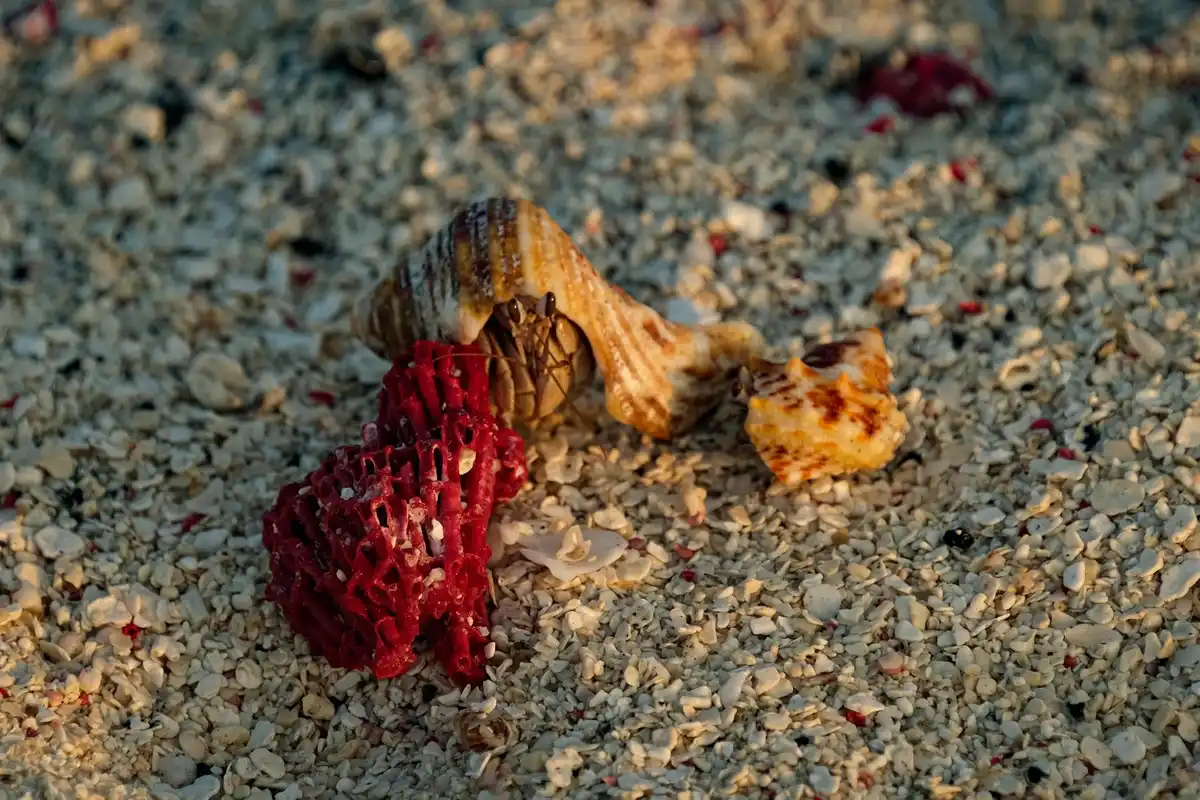
Keeping a watchful eye on your crab’s behavior and body is your first line of defense against illness. Many health issues start subtly, so noticing small changes early can make all the difference in a successful recovery. I’ve had to learn this through experience with my own little crew.
Common Infections and Their Symptoms
Infections can creep up quickly in a hermit crab tank. Here are the ones I’ve encountered or vigilantly watch for.
- Bacterial Infections: Look for a sour, rotten smell from the shell, a noticeable thinning of the abdomen, or a cloudy, milky discharge. My crab Zeus once developed a bacterial issue, and the first sign was a foul odor coming from his shell that was unmistakable.
- Fungal Infections: These often appear as white, fuzzy patches on the crab’s body or legs, similar to mold. It can make a crab lethargic and unwilling to move.
- Mites: Tiny white or red dots crawling on the crab’s shell, body, or around the tank are mites. You might see your crab trying to scratch or pick at itself constantly. Apollo came to me with a minor mite hitchhikers, which taught me the importance of quarantine.
- Respiratory Distress: Bubbling at the mouthparts or a constant, faint clicking sound can indicate a respiratory illness. This is often linked to improper humidity.
Causes and Prevention
Most of these problems are not random; they are a direct result of the environment we provide.
- Poor Tank Maintenance: Old food, fecal matter, and moldy substrate are breeding grounds for bacteria and fungus. A consistent cleaning schedule is non-negotiable for preventing a host of health problems. I do a deep clean of my main tank every month.
- Skipping Quarantine: Introducing a new crab without a strict 4-6 week quarantine period is the most common way mites and illnesses spread. I have a separate, fully equipped isolation tank for this very purpose.
- Incorrect Humidity: Humidity that is too low can cause respiratory stress, while humidity that is too high can encourage fungal growth. Aim for that 70-80% sweet spot.
- Stress: A stressed crab from improper handling, shell fights, or a poor diet has a weakened immune system. Providing plenty of shells and hiding places reduces this risk significantly.
Treatment Methods
If you suspect an infection, acting calmly and methodically is key. Here is what has worked for me.
- Immediate Isolation: Move the sick crab to a separate hospital tank. This prevents the spread of illness and allows you to monitor its food and water intake closely.
- For Mites: Give your crab a gentle, lukewarm saltwater bath. I mix marine salt to the correct specific gravity. This encourages the crab to come out and helps drown surface mites. You must also do a complete substrate change and thorough cleaning of the main tank.
- For Fungal Issues: Increase tank ventilation slightly to reduce humidity if it’s too high. I’ve had success with adding a few drops of natural, food-grade tea tree oil to the crab’s bath water, as it has antifungal properties. Always ensure the bath water is shallow and the crab can easily get out.
- For Bacterial Issues: Focus on pristine water quality in the isolation tank. Offer high-protein foods like dried shrimp to help with healing. In severe cases, a veterinarian who sees exotics may prescribe antibiotics, but this is a last resort. For Zeus, isolation, clean saltwater soaks, and a protein-rich diet were enough to see him through.
General Care and Emergency Protocols
When to Quarantine a Sick Crab
Spotting a sick crab is heart-wrenching, but quick isolation can save its life and protect your other crabs. I’ve had to set up a quarantine tank more times than I’d like to admit, and it has always been the right call for the crab’s recovery. You need to separate a crab immediately if you notice any of these issues.
- Visible injury, like a missing limb or a crack in its exoskeleton.
- Lethargy so severe the crab is out of its shell and not moving.
- Any sign of a surface-level infection, such as a funky smell or a fuzzy, mold-like growth.
- Prolonged weight loss or a refusal to eat for several days.
- A crab that has been attacked by a tank mate.
Setting up a quarantine tank is straightforward. I keep a spare 5-gallon tank for this exact purpose. Your isolation tank should be a minimalist, stress-free environment that makes basic care and monitoring effortless. Here is my step-by-step process.
- Start with a clean, small tank (a 5-gallon is perfect).
- Add a shallow layer of moistened sand or paper towel as substrate.
- Include two shallow dishes: one with fresh dechlorinated water and one with saltwater.
- Maintain stable warmth and humidity, just like the main tank.
- Offer high-quality food and a dedicated calcium source, like cuttlebone.
li>Provide a single, appropriately-sized hiding place, like a small coconut hut or half a flowerpot.
Emergency Treatment and Calcium Supplementation
When a crab is in distress, your immediate actions are critical. For severe dehydration, I’ve had great success with giving my crabs an electrolyte bath. This simple bath can be a lifesaver for a crab that appears weak, listless, or has a dry, ashy exoskeleton. Mix a marine-grade electrolyte solution with dechlorinated water, make it shallow and lukewarm, and let the crab soak for a few minutes before returning it to its humid quarantine tank.
Sudden, noticeable weight loss demands an immediate dietary intervention. I boost their diet with high-protein and high-energy foods like organic honey, crushed nuts, and worm castings to help them regain strength quickly. You must also ensure they have constant access to calcium, which is non-negotiable for exoskeleton repair and overall health. I always keep a piece of cuttlebone in the tank, and I also sprinkle crushed eggshells on their food.
There comes a point where our best home care is not enough. You must seek a veterinarian if a crab has a deep abdominal injury, shows no improvement after several days of isolation and treatment, or if you suspect a severe internal infection. To be prepared, consider assembling a hermit crab emergency care kit with basic supplies and a quick-reference guide. This kit can help stabilize your crab while you seek veterinary help. While finding an exotic vet who treats hermit crabs can be a challenge, it is our responsibility as caretakers to try. The welfare of the animal in our care must always come first, even when it’s difficult.
FAQs
How can I tell if my hermit crab is dead or just molting?
A dead hermit crab will often have a strong, sour odor and feel completely limp when gently touched, while a molting crab remains buried and may show no signs of decay. Check for movement or a response to stimuli, but avoid disturbing a buried crab to prevent stress during this critical process. Understanding these cues is part of hermit crab behavior decoded—it’s your pet trying to tell you about its health and needs. By learning to read these signals, you can respond appropriately and better care for your crab.
What should I do if my hermit crab is not eating?
First, ensure the habitat has proper humidity and temperature, as stress from environmental issues is a common cause of appetite loss. Offer a variety of fresh, high-quality foods like fruits, vegetables, and protein sources, and monitor for other symptoms like lethargy that might indicate illness.
How do I prevent shell fights among hermit crabs?
Provide at least 3-5 empty, appropriately sized shells per crab to reduce competition and ensure they have plenty of options to choose from. Regularly clean and inspect shells for damage, and maintain a peaceful environment with ample hiding spots to minimize aggression. Hermit crabs bury themselves to molt and regulate moisture, illustrating their burrowing and hiding behavior.
Keeping Your Hermit Crab Healthy
By keeping a watchful eye on your crab’s activity, shell condition, and appetite, you can catch most health issues early. The best treatment is often exceptional preventative care—maintaining warm, humid air, providing salt and fresh water, and offering a varied, nutritious diet. Choosing the right tank size is also essential, and our complete sizing guide helps you pick the best enclosure for your crab’s current size and future growth. A properly sized tank supports movement, humidity, and shell health—core goals of any hermit crab care plan. When in doubt, always seek guidance from a veterinarian experienced with invertebrates to give your crab the best chance at a long, healthy life.
Further Reading & Sources
- Hermit Crab Care Sheet | PetMD
- How to Tell If a Hermit Crab Is Sick: 13 Steps (with Pictures)
- Hermit Crab Care: Should You Replace a Deceased Crab?
The Crab Central is your ultimate resource for hermit crab enthusiasts, providing expert advice and practical tips to ensure the health and happiness of your shelled companions. With years of experience in crustacean care, we are dedicated to offering accurate, up-to-date information to support your hermit crab journey. Our mission is to foster a community of responsible hermit crab owners who are passionate about the well-being of these fascinating creatures.
Common Health Issues