Why Are My Hermit Crabs Fighting? Preventing Aggression and Cannibalism
Published on: January 10, 2026 | Last Updated: January 10, 2026
Written By: The Crab Guru
Seeing your hermit crabs locked in a scuffle is a stressful and worrying sight for any pet owner.
With five hermit crabs of my own, like the assertive Zeus and the curious Hermes, I’ve learned to spot the subtle signs of tension and create a harmonious home.
Providing plenty of extra shells is one of the fastest ways to ease tension.
We will explore the root causes of this behavior, from shell shortages to habitat stress, and give you actionable steps to stop the fighting and protect every crab.
Understanding Common Causes of Hermit Crab Aggression
Watching my five crabs interact over the years has taught me that their fights are rarely random. Aggression is almost always a symptom of an unmet need or a resource shortage in their habitat. I’ve seen it play out time and again, and it always comes back to a few key triggers. Learning to read their stress signals lets you handle them properly and intervene early. When you spot signs of stress, you can adjust the enclosure, feeding, or social setup to prevent conflicts.
- Shell Competition: This is the number one reason for tussles in my tank. My crab Zeus is particularly assertive and will often try to evict a smaller crab from a desirable shell. A crab without a perfect-fit home is a stressed and desperate crab.
- Overcrowding: Even though they’re called “hermit” crabs, they still need personal space. Too many crabs in too small an area is a recipe for constant territory disputes and stress-induced fighting.
- Food Disputes: I learned this the hard way with Apollo. Placing one food dish for five crabs led to Zeus guarding it like a treasure, preventing the others from eating. This creates a hierarchy of hunger and aggression.
Signs of Aggression to Watch For
- Top-Fighting: This is when one crab climbs on top of another and starts rapping on its shell. It’s a direct challenge, often over a shell or prime real estate.
- Cannibalism: This is the most distressing sign. A healthy, well-fed crab will not eat a tankmate. Cannibalism is a last-resort act of desperation, usually triggered by a lack of protein or a severely molting, vulnerable crab.
- Mating Disputes: While less common in captivity, males can become competitive. I’ve observed more persistent chasing and shell-bumping during certain times, which I attribute to hormonal behavior.
Improper humidity and temperature are silent but powerful stress triggers that can turn a peaceful tank into a warzone. When their environment is wrong, their gills dry out, they can’t breathe properly, and they become frantic. This baseline stress lowers their tolerance for any other minor annoyance, making a fight over a shell or food much more likely to erupt.
Setting Up a Tank to Reduce Fighting and Stress
The goal is to create a crab paradise where every need is met, leaving no reason to argue. A well-structured tank is your first and most powerful line of defense against hermit crab aggression. After several tank upgrades, I found a setup that keeps all five of my crabs, from the calm Athena to the dominant Zeus, living in relative harmony. Understanding their territorial instincts helps me design the tank to minimize clashes. Providing multiple shelters and evenly distributed resources reduces turf wars and keeps the group peaceful.
- Tank Size: The old “10-gallon per crab” rule is a good start, but bigger is always better. I upgraded to a 55-gallon tank for my five crabs, and the difference in their behavior was immediate. They stopped constantly bumping into each other.
- Hiding Spots & Enrichment: Crabs need to feel safe. I provide at least two hiding places per crab. This includes cork bark flats, half coconut huts, and cholla wood. Climbing opportunities are also crucial; a busy crab is a happy crab.
- My Personal Peaceful Tank Setup: My 55-gallon tank has a deep substrate of sand and coconut fiber for molting. One side features a climbing wall and branches, while the other has a quieter area with multiple hides. I have two water pools and two food dishes placed at opposite ends. This layout allows even my shyest crab, Athena, to navigate the tank without feeling exposed.
Steps for Maintaining Proper Humidity and Temperature
- Invest in a reliable digital hygrometer and thermometer. The stick-on analog ones are often inaccurate.
- Seal your tank’s lid. I use a glass canopy, which holds in moisture far better than a screen top.
- Maintain humidity between 70-80% by using a reptile fogger or by regularly misting with dechlorinated water.
- Provide an under-tank heater on the side of the tank (never underneath) to create a gentle heat gradient of 75-85°F.
Stable heat and humidity mimic their natural tropical environment, making them feel secure and drastically reducing stress-related conflicts.
Choosing the Right Shells to Prevent Competition
Shell shopping is one of the most enjoyable parts of hermit crab care, and getting it right prevents the majority of fights. Providing a wide variety of empty, appropriate shells is like offering your crabs a moving company—they’ll happily relocate without needing to evict a neighbor. When you shop, choose safe sources and trusted vendors—our quick shopping guide can help you pick shells that are clean, undamaged, and the right size for your crabs. Look for shells from reputable pet stores or clearly labeled online retailers to ensure quality.
- Variety, Size, and Quality: Offer 3-5 empty shells per crab. The shells should be slightly larger than their current one. Ensure the openings are the right shape and that the shells are untreated, clean, and free of cracks.
- Preferred Shells by Species:
- My Caribbean crabs (Hermes, Zeus, Poseidon) love turbo shells and whale’s eye shells for their round openings.
- My Ecuadorian crab (Apollo) prefers the lighter, more elongated tapestry turbo shells.
- My Strawberry crab (Athena) often chooses magpie or turbo shells with a D-shaped opening.
I keep a “shell shop” in a small terracotta dish in the corner, making it easy for my crabs to browse their options without disturbance. After every molt, I check the shop and add new sizes as they grow. Watching a crab try on a new shell is a delight and a sure sign of a healthy, low-stress crab. This approach mirrors the guidance in my complete guide to choosing the right hermit crab shell size. Following that guide helps ensure you pick shells that fit well now and as your crab grows.
Managing Food and Resources to Avoid Disputes
Food is life, and in a cramped space, it can become a battleground. Resource guarding, like what I saw with Zeus, is a direct result of scarcity, whether real or perceived. The solution is to create an environment of abundance.
- Multiple Feeding Stations: I never use just one food dish. I have two, placed on opposite sides of the tank. This prevents a single crab from monopolizing the food source and allows everyone to eat in peace.
- Diet Adjustments: Cannibalism is a red flag for protein deficiency. I make sure to offer a high-quality protein source at every meal, such as dried shrimp, mealworms, or a bit of plain cooked egg. A well-fed crab has no nutritional reason to see a tankmate as food.
I follow a simple feeding schedule: I offer a small amount of a commercial hermit crab diet as a base, and then I rotate in fresh fruits, vegetables, and proteins every other day. I remove uneaten fresh food within 24 hours to prevent spoilage and mold, which also keeps the tank cleaner and less stressful. This variety and routine have completely eliminated food-based aggression in my colony. Knowing the right portions and feeding frequency is essential for maintaining their health and behavior.
Addressing Molting and Vulnerability to Cannibalism
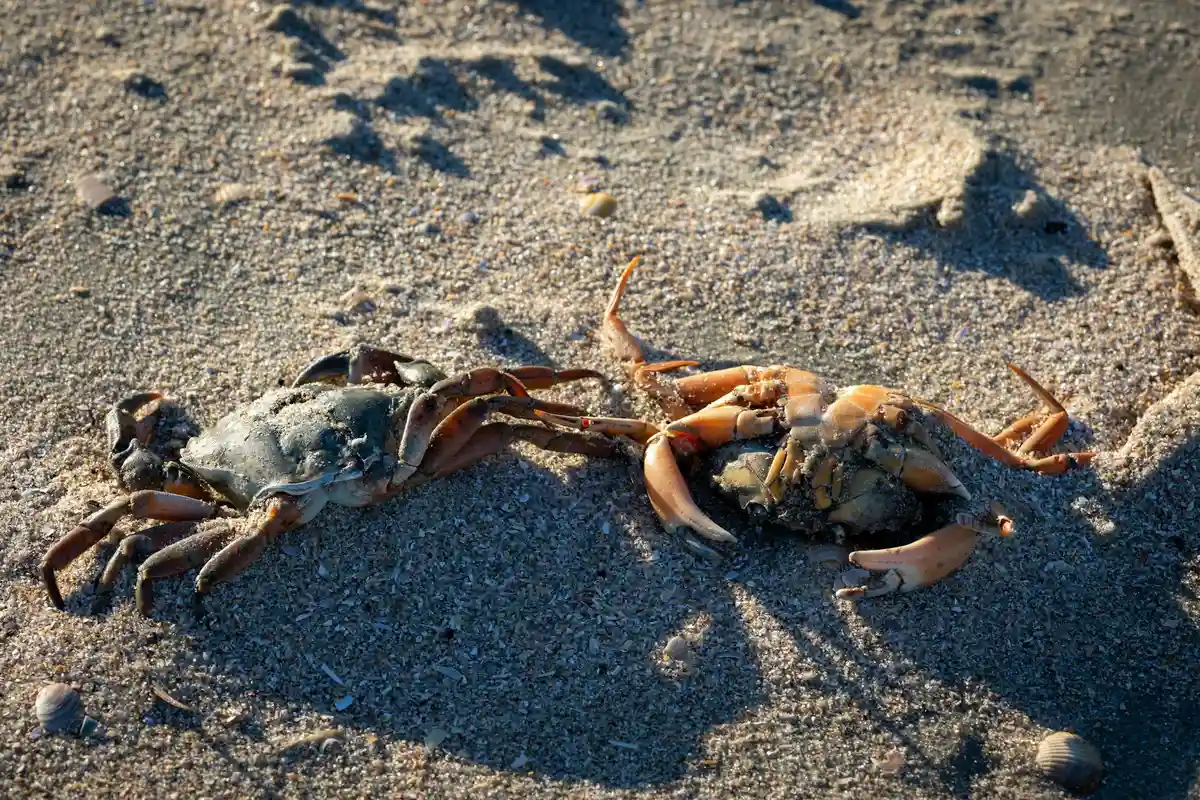
A molting hermit crab is at its most vulnerable. It cannot move, its new exoskeleton is soft, and it smells like a gourmet meal to its tank mates. This biological reality makes molting the single most dangerous time in a crab’s life and the primary driver of cannibalism.
Creating Safe Molting Spaces
Your tank setup is your first and best defense. I learned this the hard way when my crab Apollo had a surface molt in a busy corner. The key is to provide plenty of deep, moist substrate.
- Use a mix of play sand and coconut fiber.
- Ensure the substrate depth is at least three times the height of your largest crab.
- Keep the substrate consistently moist enough to hold a tunnel shape.
This allows crabs to dig a safe, hidden cave to molt in peace, completely out of sight and smell from others.
Isolating Molting Crabs and Post-Molt Care
When you spot a crab that has gone underground to molt, your job is to become a security guard.
- Do not dig them up. You will cause more stress and injury.
- Gently place a small, transparent container with air holes over the general molting area. This acts as a “do not disturb” barrier.
- Ensure fresh water and food are available on the other side of the tank for the other crabs.
After my crab Athena emerged from her first successful deep molt, I provided a private “spa” container with her own food, calcium, and water. I kept her isolated until her new exoskeleton fully hardened, which is absolutely critical for her survival.
A Personal Story on Preventing Cannibalism
My large crab, Zeus, is a notorious food guarder. I once noticed him fixated on a particular spot in the sand where Poseidon had just disappeared to molt. I immediately set up the isolation container. For weeks, Zeus would patrol the perimeter. That simple plastic barrier was the only thing that prevented a tragedy. It was a powerful reminder that their instincts are strong, and our role is to manage their environment to keep everyone safe.
Intervening Safely in Hermit Crab Fights
Not all shell-raping is a fight, but true aggression is unmistakable. You need to act quickly but calmly to prevent serious injury.
Immediate Actions to Separate Fighting Crabs
Never pull crabs apart by their shells or limbs. You can severely injure them.
- Prepare a small cup or container.
- Slowly slide the container between the two crabs to break their line of sight and physical contact.
- Gently encourage the more aggressive crab to step onto the container and then relocate it.
- If one is latched on, a single, gentle mist of dechlorinated water from a spray bottle can sometimes surprise them into letting go.
The goal is to de-escalate, not to cause panic or physical strain.
Signs That Intervention is Necessary
- One crab is actively dragging another crab out of its shell.
- Crabs are locked together, with one gripping the other’s legs or claws with its own.
- You see actual physical damage, like a missing limb or a crack in a shell.
- A crab is persistently and aggressively chasing another, even when the other retreats.
General posturing or climbing over each other is usually not a fight. You learn the difference with observation.
First Aid for Injured Crabs
I’ve had to nurse a few crabs back to health after minor scuffles. Isolation is the first step.
- Place the injured crab in a quiet, hospital-style tank with shallow substrate.
- Provide both fresh and salt water pools, but make them very shallow to prevent drowning if the crab is weak.
- Offer high-protein and high-calcium foods like crushed eggshell, shrimp, and bloodworms to aid in healing and regeneration.
- Keep the humidity and temperature perfect to reduce stress on their system.
With proper care, hermit crabs can regenerate lost limbs over their next few molts. I’ve watched Poseidon regrow a small claw, a testament to their resilience when we give them the right support. As they grow, they outgrow their shells and must move into larger ones. Having a selection of appropriately sized shells on hand makes this transition smoother.
Observing and Adjusting for Long-Term Harmony
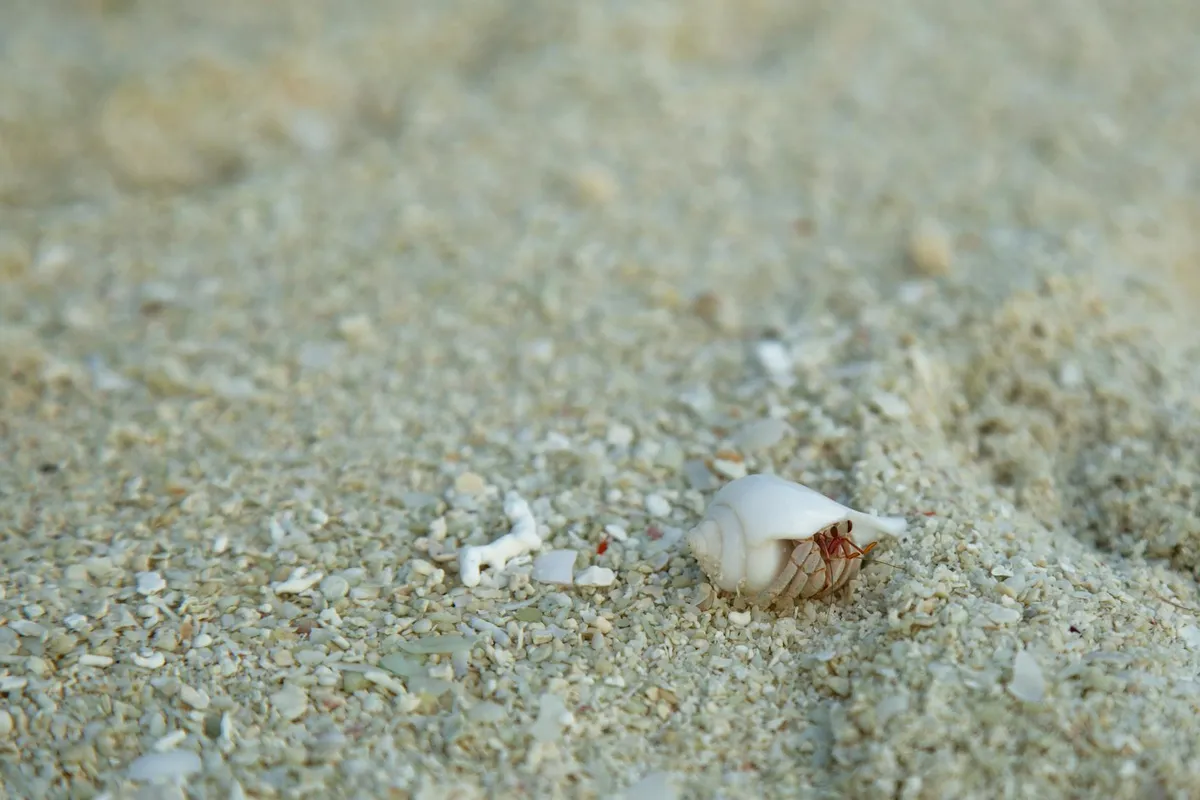
Living with my five crabs has taught me that a peaceful tank isn’t about eliminating all conflict, but about managing their complex social world. Their interactions form a subtle dominance hierarchy, much like a tiny, shell-wearing society with its own rules and squabbles. I make it a habit to watch them for at least fifteen minutes each evening, noting who is where and what they are doing. In a one-tank setup, I tailor the layout to ease tensions—more shells, extra hides, and space to retreat. I monitor daily shifts in their social dynamics and adjust feeding spots accordingly.
This regular observation helps you spot patterns before a minor tussle escalates into a real problem. I noticed my crab, Zeus, would always claim the prime spot under the heat lamp, forcing Apollo to find another basking area. Learning their individual personalities allows you to anticipate and diffuse tension. If you see one crab consistently bullying others away from food or prime real estate, it’s a sign your tank dynamics need a tweak.
Making Smart Adjustments to Your Tank
When I see signs of stress, my first move is to change the environment, not punish the crab. They aren’t being “mean”; they are responding to instinct and resource scarcity. Stress in hermit crabs shows in their behavior, and it’s important to address it.
- Regrouping Crabs: For a persistent bully, a short “time-out” in a separate, temporary enclosure can reset the social order. I’ve done this with Zeus, and it often calms the entire tank.
- Adding Shelters: A cramped crab is a stressed crab. I aim for at least three hiding spots per crab. Use cork bark, half-terracotta pots, and cholla wood to create a maze of safe spaces.
- Expanding Resources: Place multiple food and water dishes at opposite ends of the tank. This prevents a dominant crab from guarding a single location.
- The Shell Shop: A major cause of fighting is empty, desirable shells. Always keep a wide variety of sizes and types available. My crab Apollo is a shell collector, so I make sure there are always extras he can “try on” without bothering his tank mates.
Tracking Behavior to Find Lasting Solutions
Keeping a simple log was a game-changer for me. Writing down incidents helped me connect the dots between specific triggers and the resulting crab conflicts. It moves you from guessing to knowing. Here is a template you can use to track what happens in your own habitat.
| Date | Crabs Involved | Observed Trigger | Solution Attempted |
|---|---|---|---|
| 10/26 | Zeus & Apollo | Fighting over a single large food dish. | Added a second dish on the opposite side of the tank. Conflict ceased. |
| 11/02 | Hermes & Athena | Hermes repeatedly trying to evict Athena from her shell. | Added five new turbo shells of a similar size. Hermes switched shells within a day. |
| 11/15 | Poseidon & Zeus | Zeus guarding the main water pool. | Added a second, smaller salt water pool. Poseidon now uses it exclusively. |
FAQs
How can I tell if my hermit crabs are establishing a hierarchy or actually fighting?
Hierarchy establishment involves brief posturing and minor scuffles without injury, while actual fighting includes persistent chasing, shell eviction attempts, or physical harm. Observing for signs like missing limbs or one crab constantly retreating can help you distinguish between normal social behavior and aggression that needs intervention.
What is the ideal number of hermit crabs to keep together to minimize aggression?
A good rule is to start with at least two crabs for social interaction, but avoid overcrowding by providing a minimum of 10 gallons per crab in tank size. For larger groups, ensure ample space, hiding spots, and resources to prevent competition and reduce stress-induced fighting. It’s crucial to choose the right tank size to accommodate their needs.
How often should I replace or add new shells to the tank?
You should regularly check and update the shell selection, especially after molts or if you notice shell-related aggression, aiming to have 3-5 empty shells per crab available at all times. Replace damaged or outgrown shells promptly to ensure your crabs always have suitable options and reduce the urge to fight over housing.
Creating a Peaceful Hermit Crab Home
From my experience, hermit crab fighting is almost always a cry for help from their environment. A cramped tank, a lack of shells, or poor nutrition are the primary triggers you can directly control. In terms of colony management, preventing fights and lowering stress across the group is the practical aim. By providing a spacious, enriching habitat with abundant resources, you transform a stressful territory into a peaceful community where your crabs can thrive together.
Further Reading & Sources
- Cannibalistic Hermit Crabs Salivate at the Smell of Their Dead
- cannibalism – HCA: Hermit Crab Association
- r/hermitcrabs on Reddit: Hermit Crab Cannibalism
The Crab Central is your ultimate resource for hermit crab enthusiasts, providing expert advice and practical tips to ensure the health and happiness of your shelled companions. With years of experience in crustacean care, we are dedicated to offering accurate, up-to-date information to support your hermit crab journey. Our mission is to foster a community of responsible hermit crab owners who are passionate about the well-being of these fascinating creatures.
Understanding Hermit Crab Behavior