
Peaceful Hermit Crab Colonies: Stop Fights Before They Start
Published on: January 7, 2026 | Last Updated: January 7, 2026
Written By: The Crab Guru
Have you noticed tension in your tank-a sudden scuffle over a shell or one crab consistently hiding from the others?
After years of managing my own colony of five distinct personalities, from the assertive Zeus to the calm Athena, I’ve learned the subtle signs of stress and how to foster a truly harmonious habitat.
The single most effective change you can make is providing an abundance of space and empty shells.
This guide will walk you through setting up the perfect environment, choosing compatible tank mates, and interpreting crab behavior to maintain a peaceful, low-stress home for your entire colony. For beginners, it also covers hermit crab care essentials: setup, daily maintenance, and the basic daily requirements to keep your crabs thriving.
Understanding Hermit Crab Social Behavior and Aggression
In the wild, hermit crabs live in large colonies for protection and resource sharing, but they are not cuddly socialites. Their social structure is a delicate balance of coexistence, heavily influenced by competition for prime resources like shells and food. They have strong territorial instincts, especially around these valuable assets. Often, fights arise when crabs compete for shells, food, or space, which can escalate if resources are scarce. Understanding these triggers can help you prevent aggression and cannibalism by adjusting space, resources, and shelter in the tank.
Shell competition is one of the most common triggers for aggression. A crab in a poor-fitting shell will relentlessly inspect its tankmates, trying to evict them from a better home. This is a manifestation of territorial behavior, with crabs guarding shell resources and prime real estate. To handle such aggression, provide ample shells and enough space to minimize confrontations.
Signs of Stress and Aggression
- Shell fighting: One crab grabbing and shaking another’s shell in an attempt to claim it.
- Surface molting: Attempting to molt out in the open instead of buried safely, a sign of extreme stress or insufficient substrate.
- Constant hiding: While some hiding is normal, a crab that never emerges, even at night, is likely stressed.
- Aggressive posturing: Standing tall, with legs extended, often facing another crab.
- Food guarding: A crab aggressively defending the food dish from others.
I see these dynamics play out with my own colony. My Caribbean crab, Zeus, is the undisputed boss. He will station himself at the food bowl, pinching the air to warn others like Apollo and Hermes to keep their distance. In contrast, my Strawberry crab, Athena, is a gentle soul who avoids conflict entirely, often seeking out the quietest, most secluded corner of the tank.
Body Language Cues: Conflict vs. Comfort
- Conflict Signs: Rapid antennae flicking, raised body posture, chelae (claws) held wide open, shell ramming, and audible chirping or croaking sounds.
- Comfort Signs: Slow, deliberate movements, antennae relaxed and sweeping the ground, partially withdrawn into the shell while resting, and peaceful co-feeding at the dish.
Setting Up the Ideal Tank Environment for Colony Harmony
A cramped tank is a recipe for conflict. Overcrowding is the single biggest contributor to stress and fights in a hermit crab colony. For a small group of 2-4 crabs, a 20-gallon tank is the absolute minimum, but I strongly recommend starting with 30 gallons or more. My colony of five thrives in a 40-gallon breeder tank, which gives everyone ample room to roam without constant bump-ins. This is the kind of sizing you’ll find explained in our complete guide to the best tank size for hermit crabs. It helps you match tank space to your group size and activity needs.
Essential Elements for a Peaceful Home
Stability is everything. Sudden swings in their environment cause immense stress.
- Humidity: Maintain 70-80% relative humidity at all times. This keeps their gills moist and supports proper respiration.
- Temperature: A steady range of 75-85°F (24-29°C) is non-negotiable. I use an under-tank heater on the side of the tank paired with a thermostat.
- Substrate: This is critical. Provide a mix of play sand and coconut fiber at least 6 inches deep, or three times the height of your largest crab. This depth is vital for successful, stress-free molting, which is when they are most vulnerable.
Breaking Up the Territory
An empty, open tank forces crabs into constant interaction. You need to create a complex landscape.
- Provide multiple hiding places like half-log tunnels, coconut huts, and cork bark flats.
- Add climbing structures like cholla wood, reptile vines, and netting. This utilizes vertical space and gives more timid crabs elevated escape routes.
- Place food and water dishes at opposite ends of the tank to prevent a single crab from guarding all resources at once.
My crab Poseidon taught me the importance of microclimates. He adores digging in the moistest part of the substrate and frequently soaks in his saltwater pool, so I ensure those areas are always available and never disturbed. Catering to these natural preferences reduces competition for favored spots.
Maintaining Consistency
- Use a hygrometer and thermometer to check humidity and temperature daily.
- Provide both fresh and saltwater pools deep enough for your largest crab to fully submerge. Change this water every other day.
- Use a timer for your tank light to simulate a consistent day/night cycle, typically 12 hours on and 12 hours off.
- Spot clean the tank surface for waste and spoiled food daily.
Managing Shell Availability to Minimize Conflicts
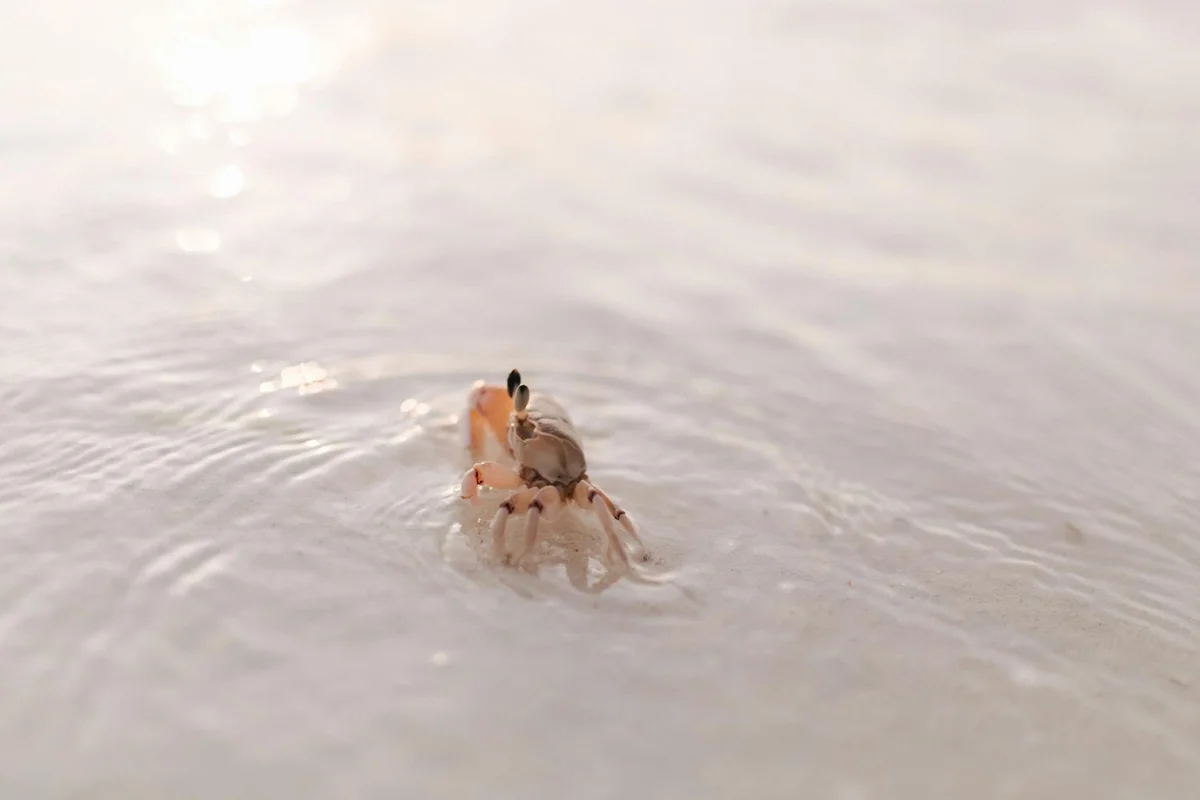
In my years of caring for my colony, I have found that shell disputes are the number one cause of tension. A crab without a suitable upgrade is a crab living in constant stress, and they will fight for the resource they need to survive. Their shell is their mobile home and their only protection, so availability is non-negotiable.
Selecting and Preparing the Perfect Shells
You cannot just drop any shell into the tank. I keep a dedicated bin of prepped shells ready to go at all times. Here is my process:
- Source a Wide Variety: I collect turbo, shell, babylonia, and magpie shells. The opening shape and internal volume matter more than the outer appearance.
- Offer a Range of Sizes: For every crab, provide at least 3-5 empty shells that are slightly larger than their current one. This gives them real choices.
- Deep Clean Every Shell: I boil new shells for 10-15 minutes in dechlorinated water. This removes any dirt, salt, or microscopic pests that could harm your crabs.
- Rinse and Place: After boiling, I let them cool completely and then rinse them one more time before strategically placing them around the habitat.
Encouraging Peaceful Shell Exchanges
A crab trying on a new shell is incredibly vulnerable. I create a safe environment for this process. Scatter shells near hiding spots and in quieter corners of the tank, not just in one central pile. This allows a shy crab like Athena to investigate without being intimidated by a more dominant crab like Zeus.
I often observe my crab Apollo meticulously inspecting new shells I add. He will tap on them, climb over them, and sometimes just sit in a pile of them for hours. This behavior is a healthy sign of shell interest and shows your crabs feel secure enough to shop for a new home.
Monitoring and Knowing When to Add More
Keep a mental note of who is in what shell. If you see a crab obsessively investigating another crab’s shell, or if two crabs are having a prolonged, aggressive-looking encounter, it’s a clear signal. I add a fresh batch of prepped shells anytime I see this behavior or after a crab has successfully changed shells, as this creates a new vacancy in the colony’s shell inventory. A well-stocked shell shop prevents most fights before they even start.
Feeding and Nutrition Strategies for a Calm Colony
Hunger creates competition, and competition creates bullies. A consistent and well-planned feeding routine is your best tool for maintaining a peaceful, low-stress colony. When crabs are well-fed and know food is always coming, they stop guarding resources so aggressively.
Essential Dietary Components
Hermit crabs are natural scavengers and need a diverse diet. I feed my crew a mix of commercial foods and fresh, safe whole foods. Their diet must include:
- High-Quality Protein: Shrimp, mealworms, and unseasoned chicken or fish.
- Complex Carbohydrates: Oats, unsalted nuts, whole grain cereals, and seeds.
- Fruits and Vegetables: Mango, coconut, apple, carrot, and leafy greens.
- Calcium Carbonate Sources: This is critical for strong exoskeletons. I always have cuttlebone available, and I also offer crushed eggshells and oyster shell.
- Mineral Supplementation: I use a commercial hermit crab mineral block and ensure their saltwater is made with a marine-grade salt mix.
The Role of Hydration
Never underestimate the importance of water. Proper hydration is just as vital as food for preventing stress and facilitating molting. I provide two deep, sturdy pools—one for fresh dechlorinated water and one for dechlorinated saltwater—so they can fully submerge. Consistent access to clean water is essential for daily hydration. I monitor and refresh both pools regularly so Poseidon has ample opportunity to drink and stay properly hydrated. My crab Poseidon soaks almost daily, which is a completely normal and healthy behavior.
Setting Up Multiple Feeding Areas
This single strategy dramatically reduced food-related squabbles in my tank. I have two dominant crabs, Zeus and Hermes, who would always try to control the main food dish.
My solution was to create two distinct feeding stations on opposite ends of the enclosure. Here is my routine:
- I prepare two small, shallow food dishes.
- I place one dish in a more open area and one dish near a cluster of hiding spots.
- I put identical food in both dishes at the same time every evening.
- I remove any uneaten food the next morning to prevent spoilage.
This simple change meant Zeus could guard one spot, but Hermes and the others could eat in peace at the other. Spreading out the resources ensures every crab, from the boldest to the most timid, gets the nutrition they need without a fight.
Monitoring Colony Interactions and Intervening When Needed
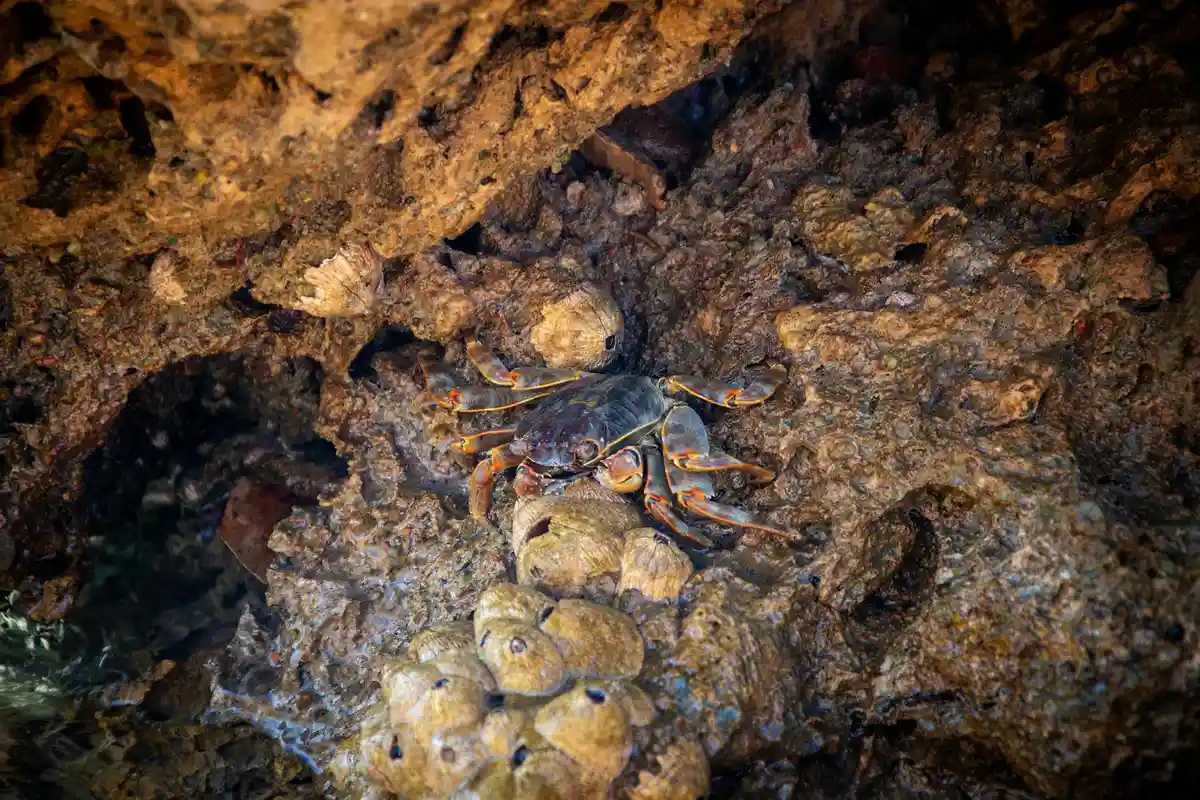
Keeping a peaceful colony means becoming a quiet observer. I make it a habit to watch my crabs for at least fifteen minutes each evening. This regular check-in lets me spot subtle shifts in behavior long before a real problem starts. You’re looking for more than just outright fighting; watch for one crab constantly blocking another from food or water, or a crab that’s always hiding when others are active.
Spotting the Early Warning Signs
Crabs communicate with their claws and body language. Here are the signs that tell me tension is building:
- Antennae fencing, where crabs lightly tap each other’s antennae.
- One crab consistently “shell rapping” – tapping on another crab’s shell.
- A crab standing guard over a resource, like the food bowl, and charging others.
- Excessive chasing that isn’t part of normal exploration.
My crab Hermes, for instance, is incredibly curious. His fast-moving nature means he often bumps into others unintentionally. I had to learn the difference between his innocent explorations and the deliberate, aggressive posturing of my more dominant crab, Zeus. Understanding their individual personalities is half the battle.
When and How to Separate Fighting Crabs
If you see legs or claws get grabbed, it’s time to step in. Never use your bare hands. The safest method is to gently guide them apart using a clean plastic spoon or by placing a small container in front of them to block their path. If the aggression is persistent, the aggressor needs a “time-out.”
- Have a small, bare isolation tank ready with a hide, water, and food.
- Gently coax the aggressive crab into a cup and move it to the isolation tank.
- Keep it separated for 24-48 hours to let the colony calm down.
- Reintroduce it during a busy feeding time to distract everyone.
Rehousing and Acclimating New Crabs
Introducing a new crab is a delicate process I’ve done several times. Rushing this is the most common cause of colony stress. The key is a slow introduction that allows the crabs to get used to each other’s scent before any physical contact.
- Quarantine the new crab in a separate tank for a minimum of two weeks.
- After quarantine, place the new crab in a clear, ventilated container within the main tank for a few days.
- Release the new crab into the main habitat at night, right after a tank rearrangement.
- Provide multiple food sources spread far apart to avoid competition.
Post-Conflict Care and Reducing Long-Term Stress
After a conflict, the entire tank can feel the stress. I focus on making the environment feel safe again. I immediately rearrange all the hides and climbing decor. This resets the territory and makes the habitat feel new to everyone. I also provide extra protein, like a small piece of shrimp, as a high-value treat to help them recover. Ensuring there are more hiding spots than crabs is the single best way to provide long-term security and reduce stress.
Promoting Long-Term Health Through Enrichment and Care
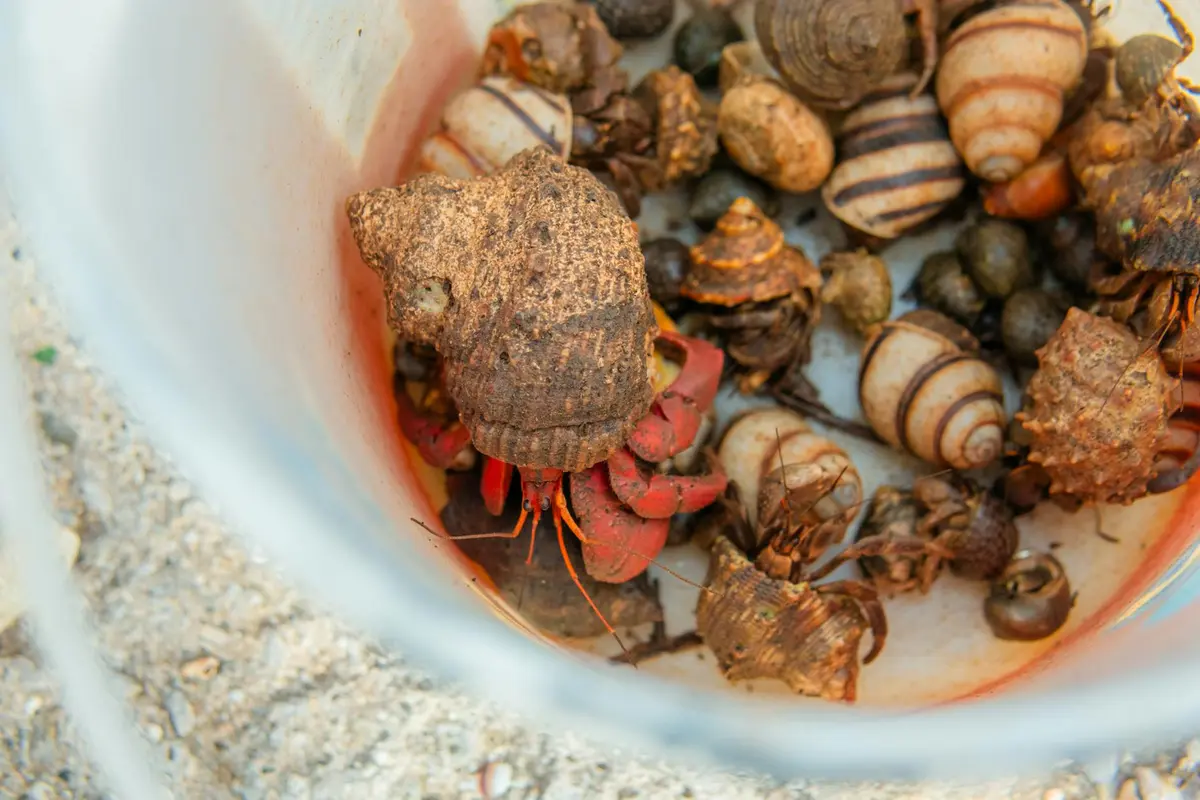
A bored crab is often a stressed crab. In the wild, they spend their days foraging and exploring. We must replicate that stimulating environment in our tanks to keep their minds and bodies healthy. I’ve seen a dramatic decrease in minor squabbles since I committed to a regular enrichment schedule.
Enrichment Activities to Prevent Boredom
Enrichment doesn’t have to be complicated. It’s about providing novel experiences and challenges.
- Food Foraging: Instead of a bowl, hide bits of food in coconut husk chips or bury them slightly in the sand.
- New Climbing Structures: I regularly swap out cholla wood, grapewood, and reptile vines.
- Shell Shops: I keep a dedicated bowl of clean, empty shells in various sizes and styles.
- Safe Textures: Add a flat stone or a piece of untreated sea glass for them to walk over.
My crab Apollo is a shell collector. He will often try on and discard several shells before finding the perfect one. Providing this “shell shop” is a form of enrichment that directly supports their natural behavior and prevents shell fights.
Supporting the Molt Cycle
Molting is the most vulnerable time in a crab’s life. The entire colony dynamic can shift when one goes under. I always ensure the substrate is deep enough and sandcastle-wet for any crab to dig a safe molt cave. When I suspect a crab is getting ready to molt-they eat and drink more and become lethargic-I place an upside-down terracotta pot over its preferred digging spot to give it privacy. Isolating a pre-molt crab in a separate tank can cause immense stress; it’s almost always better to protect them within the main habitat.
Maintaining a Disease-Free Environment
Cleanliness is non-negotiable for a healthy colony. A dirty tank is a breeding ground for bacteria and mites.
- Spot-clean the tank daily, removing waste and old food.
- Change the water in both freshwater and saltwater pools every single day.
- Do a full, deep-clean substrate change every six months.
- Wash and bake (at 250°F) any new decor before adding it to the tank.
Making Seasonal Adjustments
Your home environment changes with the seasons, and your crab tank should too. In the dry winter, I add a second moss pit to boost humidity. During a hot summer, I might move the tank away from a sunny window and monitor the temperature more closely. I even adjust their diet slightly, offering more hydrating foods like cucumber and watermelon in the summer. This attentiveness to their changing needs shows in their activity levels and overall well-being.
FAQs
What is the ideal group size for a hermit crab colony to minimize stress?
Small groups of 2-5 crabs are generally best to reduce competition and aggression in a properly sized tank. Larger colonies can work but require significantly more space, shells, and hiding spots to maintain harmony.
How can I identify if a hermit crab is healthy and not stressed?
Healthy crabs show active foraging, smooth shell movements, and relaxed antennae, while stressed ones may have lethargy, loss of appetite, or unusual hiding. Regularly check for consistent eating, drinking, and normal molting cycles as signs of well-being. These signs help you determine whether a hermit crab is healthy or sick. If you notice persistent changes from its baseline, consider seeking guidance from an experienced keeper or veterinarian.
What should I do if my hermit crab colony shows signs of constant tension despite a good setup?
Reevaluate the environment by adding more enrichment, like extra climbing structures or foraging toys, to reduce boredom and redirect energy. For hermit crabs, provide climbing enrichment structures and varied activities to promote natural behaviors and physical stimulation. These climbing-based activities help hermit crabs stay active and engaged. If issues persist, consider temporarily separating the most aggressive crab and consulting a vet or expert for underlying health issues.
Creating a Peaceful Crab Community
Successfully managing a hermit crab colony boils down to providing ample space, plentiful resources, and vigilant observation. By ensuring no crab has to compete for shells, food, or hiding spots, you create an environment where stress is low and natural, peaceful behaviors can flourish. From my own experience with Zeus, my assertive Caribbean crab, I’ve seen that a well-managed tank transforms potential bullies into calm, content members of the group, allowing every individual to thrive. In a single-tank, multi-crab setup, tracking social dynamics—who borrows which shells, who establishes small alliances, and how disputes are settled—helps you keep the group harmonious. That awareness guides how you arrange space and resources to prevent bottlenecks and encourage cooperative behavior across the tank.
Further Reading & Sources
- Identifying and Addressing Aggression in Hermit Crabs
- Aggression in Hermit Crabs | Pets on Mom.com
- HERMIT-CRABS.COM. Your hermit crab care headquarters!
The Crab Central is your ultimate resource for hermit crab enthusiasts, providing expert advice and practical tips to ensure the health and happiness of your shelled companions. With years of experience in crustacean care, we are dedicated to offering accurate, up-to-date information to support your hermit crab journey. Our mission is to foster a community of responsible hermit crab owners who are passionate about the well-being of these fascinating creatures.
Socialization Techniques