Hermit Crab Social Dynamics: A Guide to Multi-Crab Harmony
Published on: December 11, 2025 | Last Updated: December 11, 2025
Written By: The Crab Guru
Can you keep multiple hermit crabs together in one tank, or is it a recipe for trouble?
After years of caring for my five unique crabs, I can guide you through their complex social world.
Always provide more empty shells than you have crabs to prevent competition.
We’ll cover choosing compatible tank mates, setting up your habitat for peace, spotting bullying, and creating a thriving crab community.
Understanding Hermit Crab Social Behavior and Group Dynamics
From watching my five crabs for years, I can tell you they are not truly solitary creatures. They thrive in what we call a “social aggregate.” I often find Hermes and Apollo exploring the same cork bark piece, not fighting over it, but seemingly checking it out together before moving on. They don’t cooperate like ants, but they clearly draw comfort from having others of their kind nearby. This observation prompts a broader question: are hermit crabs social beings with their own social understanding and needs, or is their bonding mainly a response to shared space in a mostly solitary living pattern? Do they seek others for companionship, or only for safety and resources?
It’s vital to distinguish between healthy interaction and stress. Here are the signs I look for based on my crew’s daily antics.
Signs of Healthy Social Interactions
- Crabs peacefully passing each other on climbing structures.
- Multiple crabs gathering at the food dish without aggression.
- Observing a “shell swap meet,” where crabs will line up and investigate empty shells without fighting.
- General calmness and active exploration, like Hermes and Poseidon often display.
Signs of Stress and Aggression
- One crab consistently guarding resources, like Zeus does with food.
- Aggressive shell fighting, where a crab tries to pull another out of its shell.
- Constant chirping sounds, which is a distress call.
- A crab being relentlessly pursued or cornered by a tankmate.
Species and size are huge factors in compatibility. My three Caribbean crabs (Hermes, Zeus, and Poseidon) are much more active and sometimes bolder than my calm Ecuadorian (Apollo) and reclusive Strawberry (Athena). I would never house a tiny new crab with my large, assertive Zeus. Always group crabs of similar size and, when possible, the same species to minimize bullying and stress.
Essential Tank Setup for Housing Multiple Hermit Crabs
Space is your number one tool for peace. Overcrowding is a primary cause of conflict. For my five medium-sized crabs, I use a 20-gallon long tank, and I would not add any more inhabitants. A good rule is at least 5-10 gallons per crab, with bigger always being better to allow for personal space and territory.
Beyond just a big tank, you need to structure it for success. Think of it as creating a mini ecosystem with plenty of real estate options.
Checklist for a Peaceful Multi-Crab Habitat
- Hides: Provide at least 2-3 hiding places per crab. Use cork bark rounds, half coconut hides, and aquarium-safe caves.
- Climbing Structures: Use cholla wood, reptile hammocks, and securely stacked rocks to maximize vertical space and break up sightlines.
- Substrate Depth: This is non-negotiable. Provide a substrate of sand and coconut fiber that is at least 6-8 inches deep, or three times the height of your largest crab. This allows for safe molting away from others.
- Multiple Food & Water Stations: Place more than one food dish and both fresh and saltwater pools to prevent guarding behavior.
Environmental stability is the glue that holds it all together. I’ve found that maintaining a steady 80% humidity and a temperature between 75-85°F is absolutely critical for group health. Fluctuations cause stress, which leads to aggression. I use a sealed glass tank lid, a low-watt heat lamp on one side for a gentle gradient, and a digital hygrometer to monitor conditions daily. A quick mist with dechlorinated water each morning keeps my humidity perfect for all their gill-breathing needs.
Preventing and Managing Shell Competition
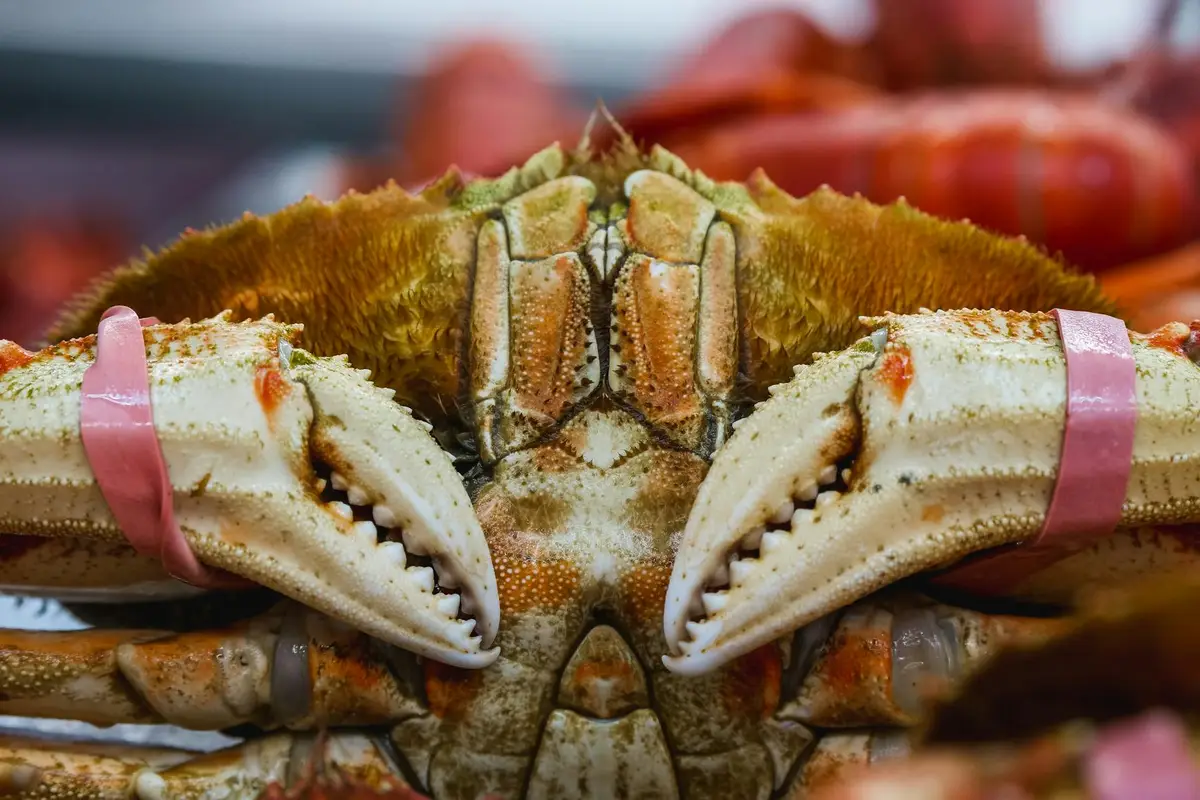
A hermit crab’s shell is its mobile home and most prized possession. Shell exchange happens because crabs are constantly growing and need to upgrade their housing to feel safe and secure. Understanding shell selection and evacuation behavior helps explain why they change shells. When a shell no longer protects them or fits, they will seek a better option and may evacuate the old housing. When suitable empty shells are scarce, competition can turn into a full-blown fight, with crabs aggressively evicting each other.
To avoid these shell competition fights, you must be proactive. Follow these steps to offer a proper variety.
- Provide at least 3 to 5 empty, preferred shells per crab in the tank.
- Offer shells in a range of sizes, from slightly smaller to much larger than their current one.
- Include different shell types and shapes, like turbo, oyster, and babylon shells, as crabs have individual tastes.
- Always boil new shells in dechlorinated water and let them cool before adding them to the tank to sterilize them and make them more attractive.
- Scatter the shells throughout the habitat, especially near high-traffic areas like the food dish and climbing spots.
My crab Athena, a calm Strawberry, has a clear preference for heavy, round turbo shells with wide openings. She will inspect every new shell but only moves into that specific type. My dominant crab, Zeus, is different. He will often try on new shells immediately, as if asserting his right to the best options first. Watching their individual choices has taught me that providing variety is not just about quantity, but about catering to their unique personalities. These choices illustrate the science behind shell selection in hermit crabs: the shell must fit the crab’s body, offer protection, and allow mobility. Studying such preferences helps researchers understand how crabs balance safety with access to resources and social dynamics.
Recognizing Aggression and Dominance in Your Crab Group
Living in a group, hermit crabs establish a social hierarchy. It’s normal to see some posturing, but you need to spot when it crosses into harmful aggression. Handling such aggression involves managing territorial behavior by providing ample space and multiple shells to reduce disputes, and by monitoring interactions to prevent injuries.
- Shell Fighting: One crab repeatedly rapping on another’s shell or trying to pull the occupant out.
- Food Guarding: A crab sits directly on the food dish, pinching at any other crab that approaches.
- Antennae Flicking: Rapid, aggressive flicks of the antennae against another crab is a common warning.
- Chasing and Cornering: A crab persistently follows another, not letting it escape to a quiet area.
To monitor these interactions, spend time watching your tank during their most active hours in the evening. Identifying your dominant crab, like my Zeus, is key to understanding the group’s dynamic. He is often the first to the food and will claim the prime basking spot. Knowing this helps me manage the tank; I make sure to provide multiple food dishes and basking areas so the other crabs don’t get bullied away from resources.
You can significantly reduce stress and aggression through smart tank design. I use cork bark flats and rounds to create partitions and multiple levels. Adding more hiding spots, like half-cut coconut shells and cholla wood, gives shy crabs like Athena places to retreat and feel safe. Enrichment activities, such as a dedicated digging pit with moist sand for Poseidon, also keep crabs occupied and less likely to bother each other.
Effective Food and Resource Distribution Strategies
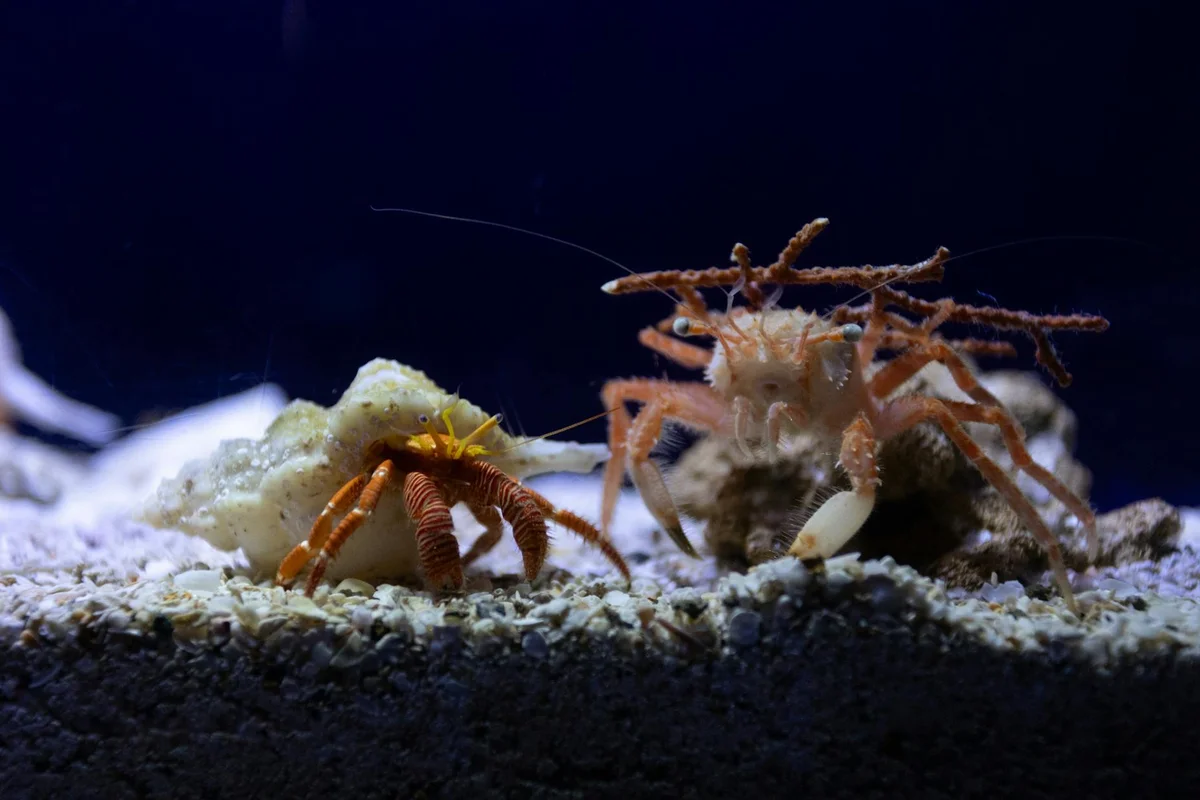
Feeding time can quickly become a chaotic free-for-all if you’re not strategic. I’ve found that the single most effective change I made was placing multiple food and water dishes on opposite sides of the tank. This simple act prevents a dominant crab, like my Zeus, from monopolizing a single station and lets the more timid eaters, like Athena, feed in peace.
Here is my go-to setup that has worked wonders for my crew of five:
- Two shallow food dishes: One near the heat lamp for basking lovers like Apollo, and one in a cooler, shaded area.
- Two water sources: A dish of fresh dechlorinated water and a deeper dish of saltwater for soaking, placed far apart.
- Food scatter: I often sprinkle a small amount of crushed food outside the dishes to encourage natural foraging and distract the bullies.
A varied diet is not just about nutrition; it’s a powerful tool for managing behavior. I stick to a strict morning and evening feeding schedule, which creates a predictable routine that reduces food-related anxiety. In the morning, I offer a high-quality commercial pellet as a staple. For the evening meal, I get creative with options like dried shrimp, unsalted nuts, fresh coconut, and crushed cuttlebone.
From my observations, Poseidon’s intense focus on the water dish used to cause minor skirmishes. Since adding the second, larger saltwater pool, his guarding behavior has significantly decreased because the “resource” is no longer scarce. I rarely see outright food sharing, but a well-stocked tank with ample options promotes a peaceful coexistence where every crab can meet its needs.
When to Intervene: Monitoring Stress and Knowing When to Separate
Living in a shell doesn’t make their stress any less real. You need to become a keen observer of their normal behavior to spot the warning signs. A crab that is constantly hiding deep underground for days on end, especially during peak activity times, is likely feeling overwhelmed. Other red flags include a sudden loss of appetite, missing limbs from fights, or a crab consistently being evicted from its shell.
If you see persistent bullying or a crab that looks limp and uninterested in its surroundings, it’s time to act. Separating a crab is a delicate process, but it can save them from serious injury or stress-induced death. Understanding why hermit crabs fight—often over shells, space, and resources—helps prevent aggression and cannibalism. Here is my step-by-step guide for a safe separation:
- Prepare a temporary isolation tank, often called a “critter keeper,” with a few inches of moist substrate, a small hide, and its own food and water dishes.
- Gently encourage the stressed or aggressive crab into a small container using a spoon to guide it-never pull on its shell or limbs.
- Place the entire container into the isolation tank and let the crab walk out on its own terms.
- Keep the isolated crab in this quiet, low-stress environment for a minimum of 48 hours to recover.
Knowing when to try again is just as important as the separation itself. I only attempt a reintroduction after the isolated crab is active, eating well, and has potentially molted in its safe space. When you put them back, do it during a tank cleaning when the environment is “reset.” Proper handling comes from understanding their behavior and stress signals. Learn to read those signals so you know when to pause handling and adjust your approach. If the aggression immediately resumes, it’s a clear sign that your crab community is not compatible.
In cases of severe, unending conflict, seeking permanent alternative housing is the kindest option for their welfare. Some crabs, much like people, are simply not meant to be roommates and will thrive better in a solitary setup or with a different group.
## Common Questions
What is the ideal group size for hermit crabs?
While you can keep a pair, a small group of three to five crabs is often more stable and natural. A larger group helps distribute any dominance behaviors and allows for a more dynamic social aggregate.
Can I mix different hermit crab species in one tank?
It is generally not recommended as different species can have varying activity levels and environmental needs. Housing the same species together, especially crabs of similar size, minimizes stress and potential conflict.
How do I safely reintroduce a crab after a separation period?
The safest method is to reintroduce the crab during a full tank cleaning when the habitat is reset and all scents are neutralized. Only attempt this after the isolated crab is active, eating well, and shows no signs of lingering stress. Make sure to follow a proper cleaning routine for the tank and shells to provide a healthy environment.
A Thriving Hermit Crab Colony
Successfully managing a group of hermit crabs boils down to three things: space, resources, and observation. Providing a generously sized tank with plenty of hiding spots, multiple food and water stations, and a vast selection of empty shells is the most effective way to prevent competition and stress. In a colony, preventing fights and reducing stress for the group is essential. Keep a watchful eye on your crabs’ daily interactions; this attentive care is the true foundation of a peaceful, bustling community of busy claws.
Further Reading & Sources
- When to socialize: perception of time-sensitive social structures among social hermit crabs – ScienceDirect
- The Social Lives of Hermits | Natural History Magazine
- Hermit crabs socialize to evict their neighbors – Berkeley News
The Crab Central is your ultimate resource for hermit crab enthusiasts, providing expert advice and practical tips to ensure the health and happiness of your shelled companions. With years of experience in crustacean care, we are dedicated to offering accurate, up-to-date information to support your hermit crab journey. Our mission is to foster a community of responsible hermit crab owners who are passionate about the well-being of these fascinating creatures.
Socialization Techniques