
Hermit Crab Algae Eating: Tank Cleaners or Just Hungry?
Published on: December 19, 2025 | Last Updated: December 19, 2025
Written By: The Crab Guru
Have you noticed your hermit crab nibbling on the green film in their tank and wondered if algae is a safe food for them?
With five crabs of my own, including my curious Caribbean crab Hermes, I’ve spent years observing their eating habits and learning what keeps them healthiest.
Algae is not just safe-it’s a fantastic, natural part of their diet that provides essential nutrients.
In this guide, we’ll cover which types of algae are safe to eat, how to identify harmful algae blooms, proper feeding techniques, and creating a balanced diet for your shelled friends.
Do Hermit Crabs Naturally Graze on Algae?
In the wild, hermit crabs are the ultimate beach cleaners, consuming a wildly varied diet as opportunistic omnivores and scavengers. Grazing on algae is a completely natural and fundamental part of their daily foraging behavior. They will meticulously comb over rocks, driftwood, and even the glass of their tank, scraping off the thin, nutritious film of microalgae and biofilm that grows there. From a scientific perspective, their hermit crab digestion and nutrition reflect how they extract energy from such a varied menu. Researchers study hermit crab digestion and nutrition to understand how their gut microbes and enzymes break down algae, detritus, and biofilm.
I see this behavior constantly in my own crabitat. My Caribbean hermit crab, Hermes, is a prime example. He spends a good portion of his active hours slowly patrolling the tank walls and cholla wood, his tiny mouthparts working diligently to clean every surface. This constant, low-level grazing mimics their natural activity and provides mental stimulation. It’s not their only food source, but it’s a steady, reliable one they are hardwired to seek out.
Not all species prioritize algae equally. My Ecuadorian hermit crab, Apollo, is far more interested in fresh fruits and protein, while my calmer Strawberry hermit crab, Athena, will often be found quietly grazing. Coenobita species as a whole do consume algae, but their enthusiasm for it can vary with individual personality and what other food is available. Providing algae ensures that even the pickiest grazers have access to this foundational food.
Nutritional Benefits of Algae for Hermit Crabs
Algae is far more than just tank scrapings; it’s a power-packed superfood for your crustacean pals. The key nutrients it provides are vital for their well-being.
- Calcium: This is the big one. Calcium is the building block for a strong exoskeleton and is crucial for a successful molt. Macroalgae like seaweeds are loaded with it.
- Proteins: Algae provides essential amino acids that support growth, tissue repair, and overall energy.
- Vitamins & Minerals: It’s a natural source of iodine, magnesium, and a spectrum of vitamins like A, C, and K, which support everything from eyesight to immune function.
I’ve observed the direct benefits, especially during molting periods. A diet consistently rich in algae seems to contribute to smoother, more successful molts with stronger new exoskeletons. My crab Poseidon, who loves digging in the moist sand, always emerges from his molts looking vibrant and hard-shelled, and I credit his steady access to algae and seaweed as a major factor.
Beyond the algae you add yourself, do not underestimate the value of the microalgae and biofilm that naturally colonizes your tank. This living mat of microorganisms is a dynamic, self-renewing buffet that offers probiotics and nutrients in a highly digestible form. It’s a sign of a healthy, established tank and a resource your crabs will happily exploit every single day.
Safe Types of Algae and Seaweed for Hermit Crabs
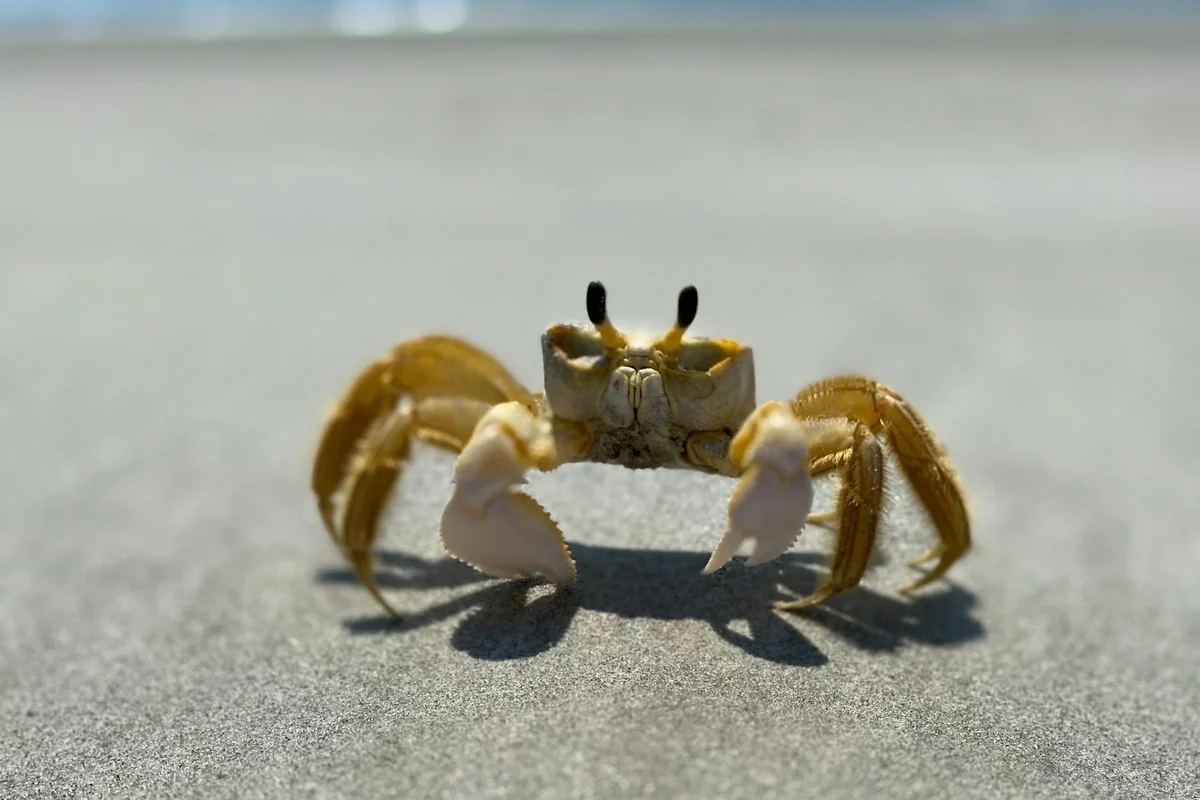
Not all greens from the sea are created equal for your hermit crabs. Sticking to known, safe options is the single best way to ensure your crabs get the nutritional benefits without any of the risks. I always keep a small selection of these in my crab-care pantry. Proper hermit crab food storage helps keep their diet fresh and safe. I label and refrigerate or freeze greens to preserve quality.
- Nori: This is the same dried seaweed used for sushi. My crabs, especially Apollo, go absolutely wild for it. It’s thin, easy to tear, and packed with minerals.
- Spirulina: You can find this as a powder or in small tablets. It’s a powerhouse of protein and vitamins. I find it’s perfect for dusting on other foods.
- Blanched Green Algae: If you have access to fresh, marine-grade green algae, a quick blanch in boiling water makes it tender and safe for them to eat.
Marine algae are the clear winner for hermit crabs. Their natural diet consists of ocean-side flora, so marine algae like nori are perfectly suited for their digestive systems. Freshwater algae can sometimes harbor different bacteria or pollutants and isn’t a natural part of their diet, so I avoid it entirely.
Selecting clean algae is non-negotiable. I only buy nori and spirulina that is human-food grade, meaning it’s processed for our consumption and free from harmful contaminants, heavy metals, or added flavors. Apollo is my pickiest eater, and his enthusiastic reaction to plain, untoasted nori sheets confirmed this was a top-tier choice.
Preparing Algae for Hermit Crab Meals
A little preparation makes algae safer and easier for your crabs to consume. I follow a simple routine to get their greens ready.
- Rinsing: I briefly run dried nori under cool water to remove any surface dust or potential residues. For fresh algae, a thorough rinse is a must.
- Drying or Blanching: For dried seaweed like nori, I simply tear it into crab-sized pieces. For fresh algae, I blanch it in boiling water for about 30 seconds to break it down and then let it cool completely.
- Preparing Spirulina: I crush a single spirulina tablet into a fine powder using the back of a spoon. I then lightly dust this powder onto a piece of fruit or other wet food so it sticks.
Portion control is critical with algae, as too much can decay quickly and foul the tank. Our hermit crab feeding guide explains how much to feed and how often to feed. A piece of nori about the size of your crab’s shell is more than enough for a few crabs to share. For spirulina powder, a tiny pinch mixed into food once a week is sufficient.
Risks and Algae to Avoid in Hermit Crab Care
While good algae is a fantastic supplement, the wrong kind can cause serious health problems. Being proactive about what you avoid is just as important as what you offer.
Steer clear of any algae you cannot positively identify. Blue-green algae, often found in freshwater settings, can be highly toxic. I also avoid any slimy or foul-smelling algae, as this indicates decay and bacterial growth. Long, stringy hair algae can pose an entanglement risk for your crabs’ delicate legs.
Overfeeding algae is a common mistake. Left uneaten, it will rot, leading to a spike in ammonia and bacteria in the tank. A polluted habitat is one of the fastest ways to make your hermit crabs sick. I remove any uneaten algae within 24 hours to keep the substrate clean. To stay on top of tank health, establish a complete maintenance schedule. This includes daily checks, weekly substrate cleaning, and monthly water changes.
I always monitor my crabs after introducing any new food. Zeus, being my most assertive crab, often gets to new food first. Watching his behavior and overall health after he eats something new gives me a good indication of how all the crabs are tolerating it. So far, plain nori and spirulina have passed every test with flying colors.
Managing Algae Growth in Your Hermit Crab Tank
A little bit of algae in your tank is a wonderful sign of a healthy, established ecosystem. A thin, green film on decor or glass provides a constant, natural source of grazing for your crabs, much like the biofilm they would forage on in the wild. My crab Apollo, for instance, will often spend minutes at a time meticulously cleaning a piece of cholla wood covered in a light algae layer.
Problems start when algae growth becomes explosive, turning water cloudy and covering surfaces in thick, slimy mats. This usually happens due to an imbalance of light and nutrients, often from overfeeding or waste buildup. Excessive algae can deplete oxygen and make surfaces slippery and unsafe for climbing.
Safe Algae Control Methods
You never want to use chemical algae removers in a hermit crab habitat. Their sensitive gills and tendency to explore with their mouths make them extremely vulnerable to toxins. Instead, I rely on these safe, physical methods: Additionally, many household items and common houseplants are poisonous to hermit crabs, so keep them away from the enclosure. Knowing which plants are safe helps prevent accidental exposure.
- Manual Scrubbing: Use a clean, dedicated aquarium scrubber on the glass during regular maintenance. For decor, I scrub them in a bucket of old tank water to preserve beneficial bacteria.
- Light Management: If your tank is near a sunny window, move it. For tank lighting, put it on a timer for no more than 8-10 hours a day to limit the algae’s energy source.
- Water Quality: Stay on top of spot-cleaning uneaten food and waste. This removes the excess nutrients that fuel algae blooms.
Balancing Moist, Algae-Prone Tanks
My crab Poseidon requires a very moist substrate for digging and molting, which is a prime environment for algae. To manage this, I focus on increasing ventilation without sacrificing humidity. I achieve this by cracking the lid slightly or using a smaller heat lamp to reduce condensation on the glass. I also make a point to manually wipe the glass near his favorite damp corner more frequently. It’s a simple extra step that keeps his environment perfect for him but not for out-of-control algae.
Environmental Enrichment Through Algae
I’ve learned to stop seeing all algae as a nuisance and started viewing it as free enrichment. Allowing a light coating of algae to grow on certain rocks or pieces of driftwood creates a dynamic, living landscape for your crabs to interact with. It encourages natural foraging behaviors and provides mental stimulation.
For my different species, I use algae in specific ways. My curious Caribbean crabs, Hermes and Zeus, enjoy climbing on algae-covered nets and vines. For my calmer Strawberry crab, Athena, I’ll place a smooth, algae-covered stone in her quiet corner for her to graze on peacefully. You can even purchase small, clean “algae rocks” or “algae mats” from reputable aquarium stores to introduce this enrichment intentionally and safely.
Sourcing Quality Algae for Hermit Crab Diets

While tank algae is a great snack, you should also provide dried, high-quality algae to ensure a balanced diet. Not all products are created equal, and your crab’s health depends on what you choose.
Your best bet is to look for pure, dried seaweed sold for human consumption or from brands specializing in reptile and amphibian food. I always read the ingredient list; it should only say the type of seaweed, like “Nori (Porphyra)” or “Spirulina,” and nothing else. Avoid any products with added salt, oils, flavorings, or preservatives.
Animal welfare is the top priority here. Additives and processing chemicals can be incredibly harmful to a hermit crab’s delicate system, leading to molting issues or toxicity. When choosing hermit crab friendly household products, I favor plain, non-toxic options and read labels carefully. That means avoiding scented cleaners, detergents, and finishes. I stick to plain, organic options whenever possible.
After years of trial and error with my five crabs, I have a few trusted sources. I buy my bulk nori sheets from a local Asian grocery store—it’s the same kind used for sushi and is typically very pure. For variety, I order from online pet suppliers that specialize in hermit crab or turtle supplies, as they often carry other types like dulse and kelp. Sticking with reputable suppliers who understand the needs of exotic pets gives me peace of mind that I’m feeding my crew the very best. If you’re wondering where to buy hermit crab supplies, start with reputable online hermit-crab specialists or pet stores with a dedicated invertebrate section. These sources usually carry the staples you need and can offer care guidance.
FAQs
Is it necessary to supplement with algae if my tank already has natural growth?
While natural tank algae offers a great grazing option, supplementing with dried marine algae ensures your crabs receive a consistent and balanced intake of essential nutrients. This helps cover any gaps that might arise from variations in the tank’s algae quality or quantity.
Can I use algae from my freshwater aquarium for hermit crabs?
No, it’s not recommended to use algae from freshwater sources due to potential bacteria or pollutants that could harm hermit crabs. Always opt for safe, marine-grade algae like nori or spirulina to align with their natural diet and avoid health risks.
How should I store dried algae to maintain its nutritional value?
Keep dried algae in an airtight container placed in a cool, dark area to prevent exposure to moisture and light, which can degrade its quality. Proper storage helps retain vital nutrients and ensures it stays fresh for your hermit crabs’ meals. For a healthy hermit crab, maintain appropriate tank humidity and provide fresh water access. Moisture balance in the habitat supports shedding and overall health.
In Closing
Algae is a wonderful, natural supplement for your hermit crabs, offering them enrichment and vital nutrients. Think of it as a healthy snack, not a main course, to be offered alongside a varied diet of proteins, fruits, and vegetables. From my own tank, I see my crabs like Apollo and Poseidon actively forage for it, and providing it helps mimic their wild foraging behaviors for a happier, healthier pet. For a complete feeding plan, refer to our complete hermit crab diet feeding guide, which outlines daily portions, variety, and supplement roles. It helps ensure your crabs receive balanced nutrition and steady foraging enrichment.
Further Reading & Sources
- Algae Hermit Crab | Rock N Critters
- Hermit Crab – Common – Algae Eating – Marine World Aquatics
- Frequently asked questions on Hermit Crabs | Reef Builders | The Reef and Saltwater Aquarium Blog
The Crab Central is your ultimate resource for hermit crab enthusiasts, providing expert advice and practical tips to ensure the health and happiness of your shelled companions. With years of experience in crustacean care, we are dedicated to offering accurate, up-to-date information to support your hermit crab journey. Our mission is to foster a community of responsible hermit crab owners who are passionate about the well-being of these fascinating creatures.
Types of Food