Understanding Hermit Crab Territorial Markings
Published on: December 21, 2025 | Last Updated: December 21, 2025
Written By: The Crab Guru
Have you ever noticed your hermit crabs behaving strangely around certain tank areas and wondered what those subtle movements really mean?
After caring for my five crabs for years, I’ve learned to interpret their unique territorial language and can help you understand your pet’s behavior.
Watch where your crabs consistently return to-these spots often mark their claimed territory.
We’ll explore how to identify territorial markings, interpret different crab behaviors, and create a habitat that minimizes conflict while respecting their natural instincts. We’ll also cover how to create a perfect habitat for molting hermit crabs, with stable humidity and quiet shelter. These adjustments help reduce stress and support a safe molt.
Defining Hermit Crab Territorial Markings
Think of territorial markings as your crab’s way of putting up a tiny “Keep Out” sign. These are non-aggressive signals used to communicate ownership over a prized resource, whether it’s a food bowl, a favorite hiding spot, or a potential new shell. It’s their method of setting boundaries without an immediate physical fight.
You’ll notice several common types of this behavior in a home tank:
- Cheliped Displays: This is when a crab raises its large claw high in the air, making itself look bigger and more intimidating to any crab that approaches.
- Antennae Waving: A crab will rapidly flick or wave its antennae toward an intruder. I see this as a first, polite warning.
- Chemical Cues (Mantle Scent): Crabs release subtle scents from glands near their mantle. Our noses can’t detect it, but other crabs certainly can, and it tells them an area is occupied.
- Mucus Trails: As they move around, crabs leave a mucus trail. This acts like an invisible fence line, signaling to others that a particular path or area is claimed.
My crab Zeus is the king of this behavior. He will park himself right next to the food dish and adopt a stiff-legged, elevated posture with his big claw held ready. Any crab that gets too close is met with a slow, deliberate antennae wave. He rarely has to actually pinch anyone; his posturing is usually enough to make the others back away and wait their turn.
Why Hermit Crabs Mark Their Territory
This behavior isn’t random; it’s driven by deep-seated instincts for survival and comfort. The primary triggers for territorial marking are competition over limited resources and the need to establish a safe personal space. In the wild, these actions prevent constant, energy-draining battles.
Here are the main causes I’ve observed in my own tank:
- Shell Competition: A desirable, well-fitting shell is the ultimate prize. Crabs will fiercely guard good shells they find or try on.
- Establishing Dominance: Some crabs are just more assertive by nature and will work to become the “top crab” in the hierarchy.
- Population Density: In a tank that’s too small or has too many crabs, stress levels rise, and territorial disputes become more frequent as personal space shrinks.
- Stress Triggers: Sudden changes in environment, loud noises, or bright lights can make crabs feel insecure and more protective of their spot.
I see this clearly with Apollo. His passion for shell collecting often leads him to stand over a pile of his favorites, using his body to block access from the others. He’s not being greedy; he’s simply ensuring he has plenty of options for his next upgrade, a critical need for his growth and protection.
You’ll also see a spike in this behavior during a molt cycle or if shelter is limited. A crab getting ready to molt becomes incredibly vulnerable and will often claim a secluded corner, defending it aggressively to ensure its safety during this fragile time. Providing ample hides and deep substrate is the best way to ease this tension and give every crab a place to call its own.
Identifying Territorial Markings in Your Habitat
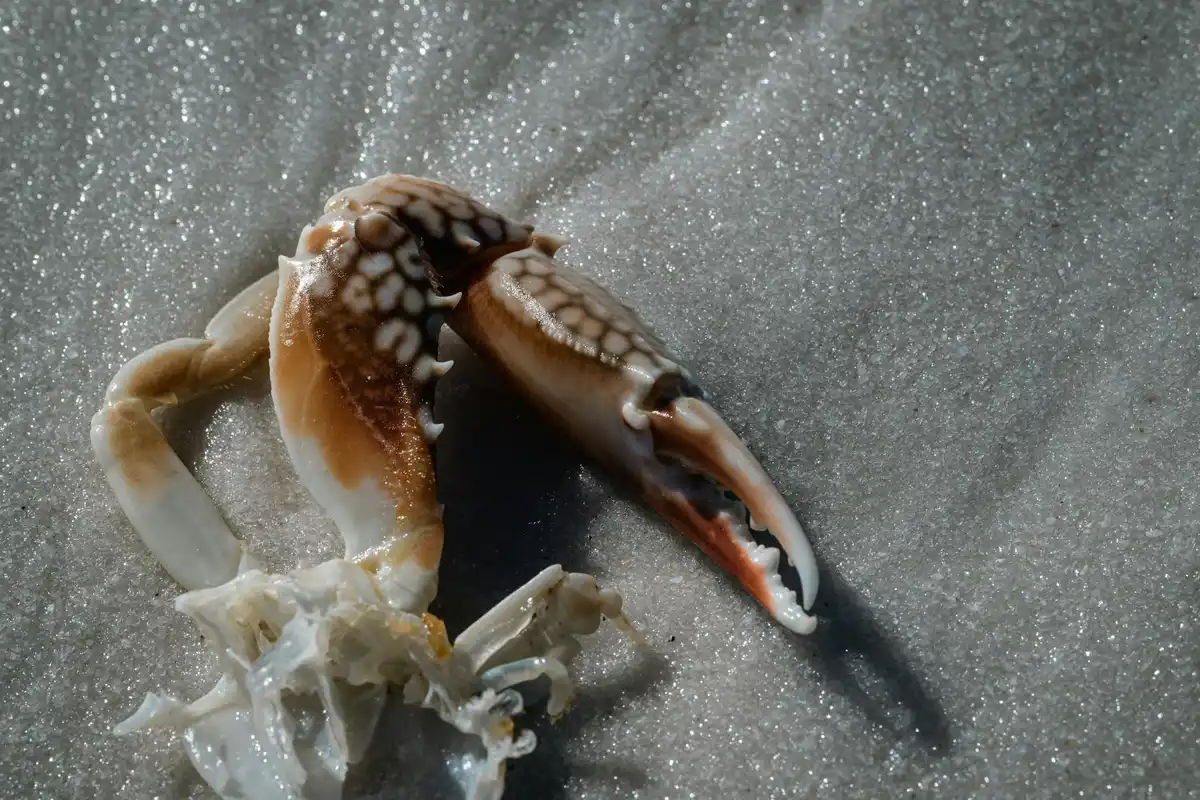
Spotting the signs of a hermit crab claiming its space is easier once you know what to look for. You need to observe their daily routines with a detective’s eye, focusing on patterns that repeat over several days. This isn’t about a single odd behavior, but a consistent set of actions that define their personal turf. In this complete pattern-recognition guide on normal vs abnormal hermit crab behaviors, you’ll learn which actions are typical and which signal issues. It helps you distinguish everyday space-claiming from potential red flags.
Steps to Recognize Markings
- Map Repeated Patrol Routes. Watch for paths your crab walks along the glass, decor, or substrate multiple times a day. My crab Hermes, for instance, has a specific climbing route up a piece of cholla wood he traverses every evening. This is different from his general curious exploration; it’s a deliberate, repeated circuit.
- Identify Burrow Boundaries. A crab may consistently dig or arrange substrate around the entrance of a favorite hideout. Poseidon does this, creating a subtle trench that seems to mark the “doorstep” of his chosen burrow.
- Observe Shell Guarding. A crab that remains unusually close to a prized or new shell, even when not wearing it, is sending a clear signal. I’ve seen Apollo sit for hours near a shell he fancied, gently blocking others from investigating it.
Signals to Watch For During Daily Checks
- Visual Signals: Scratches on glass or decor, specific substrate patterns, and deliberate posturing near resources.
- Chemical Signals: Pheromones are invisible to us, but you might notice crabs intensely “tasting” the air or a surface with their antennae where another crab has been.
- Physical Signals: Gentle pushing, antennae tapping, or simply standing their ground when another crab approaches a specific area.
Interpreting Markings: Normal Behavior vs. Stress Signals
Not all territorial displays are created equal. The key is to distinguish between a crab healthily establishing its place in the community and one that is stressed and lashing out. A calm, established hierarchy involves subtle communication, while a stressed tank is filled with frantic energy.
Healthy Dominance vs. Stress-Induced Aggression
Healthy dominance is like a quiet conversation. You’ll see brief antennae touches, one crab calmly moving away from another’s patrol route, or a temporary standoff that resolves without contact. Stress-induced aggression is loud and frantic. Look for rapid shell rocking, aggressive shell rapping (banging shells together), active fighting with claws, and constant, frantic digging. A crab that never seems to relax and is always on high alert is likely stressed, not just territorial. If you spot these signals, your next step is to adjust the crab’s habitat: add more shells and hiding spots, and ensure stable humidity and temperature. If stress continues, consider temporarily separating crabs to prevent harm.
Assessing Habitat and Rivalry
You must assess two main factors. First, are the habitat boundaries clear? This means having enough hides, climbing areas, and food bowls so crabs aren’t forced into constant competition. Second, can your crabs recognize and avoid rivals? A well-structured tank with visual barriers allows a subordinate crab to steer clear of a dominant one’s path. My crab Zeus is assertive and guards food spots, but because the tank has multiple food dishes and hiding places, the others can easily eat without challenging him. This method is particularly useful for managing crab aggression.
I saw a direct result of improving boundaries with my crab Athena. She is calm and prefers quiet corners, but was often pushed out by more active crabs. After I added more cork bark flats and half-round hides, her stress markings-like constant hiding and refusing to eat-vanished, and the dominant crabs’ territorial patrols became less intense because everyone had their own space. The entire tank dynamic became more peaceful. Choosing safe and stimulating decor made all the difference.
Species-Specific Territorial Tendencies
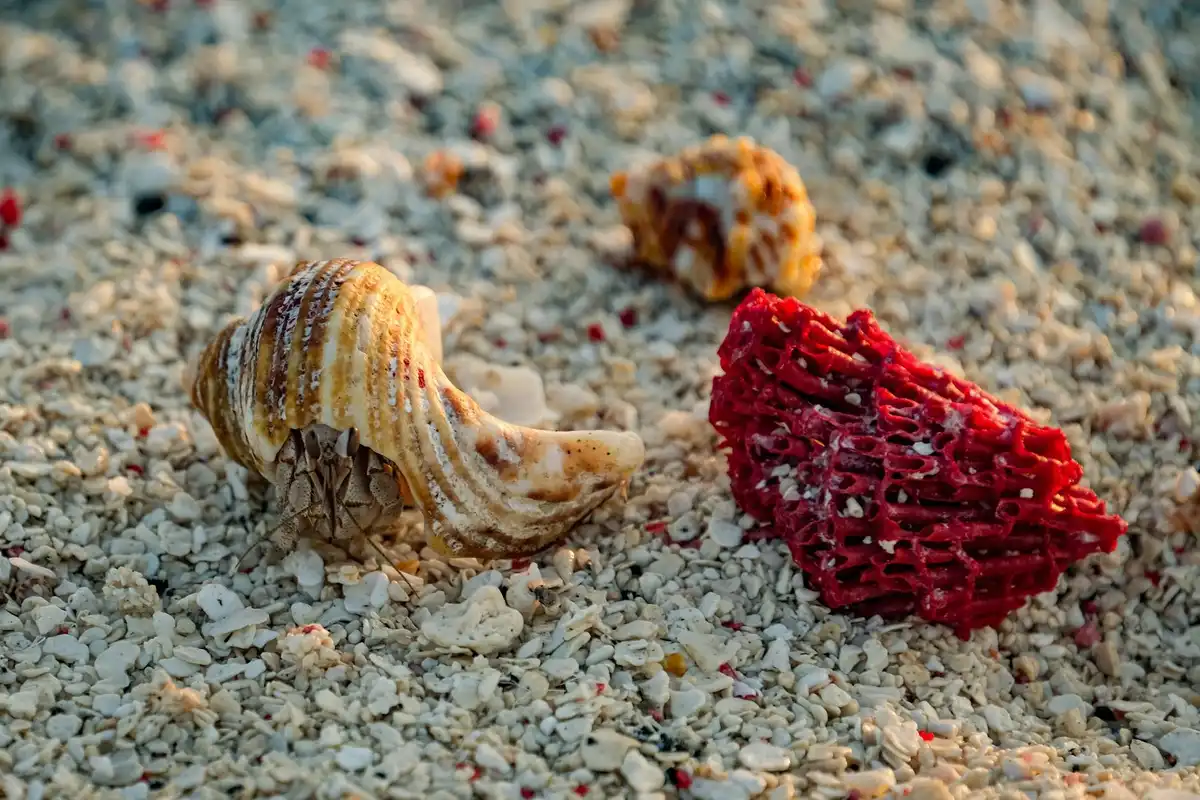
Not all hermit crabs express their territorial instincts in the same way. Through years of caring for my mixed-species colony, I’ve seen firsthand how personality and territoriality are deeply linked to their species. This knowledge is vital for creating a harmonious habitat, especially when considering their individual behavior traits and temperaments.
My Caribbean crabs, like Zeus and Hermes, are the most overtly assertive. They will often guard prime food spots or newly introduced shells, using their larger claws to block others. In contrast, my Strawberry hermit crab, Athena, is far more passive. She avoids conflict, preferring to observe from a quiet corner rather than defend a space. This pattern raises questions about why hermit crabs fight and how to prevent aggression and cannibalism in a shared tank. Understanding their dynamics can help explain and reduce risks of injury and cannibalism.
Poseidon, my other Caribbean crab, shows a different kind of territorial marking. His constant digging and rearranging of the moist sand is his way of customizing his environment. This behavior is especially common in Ecuadorian species as well, who use intricate burrows to establish their own private domains within the shared tank.
Comparing Territorial Behaviors
| Species | Aggression Level | Common Territorial Markings |
|---|---|---|
| Caribbean | High | Guarding food/shells, surface-level posturing, blocking pathways |
| Ecuadorian | Moderate | Extensive burrowing, scent marking with urine, hiding prized items |
| Strawberry | Low | Subtle avoidance, hiding, rarely engages in disputes |
Managing Territorial Issues in Captivity
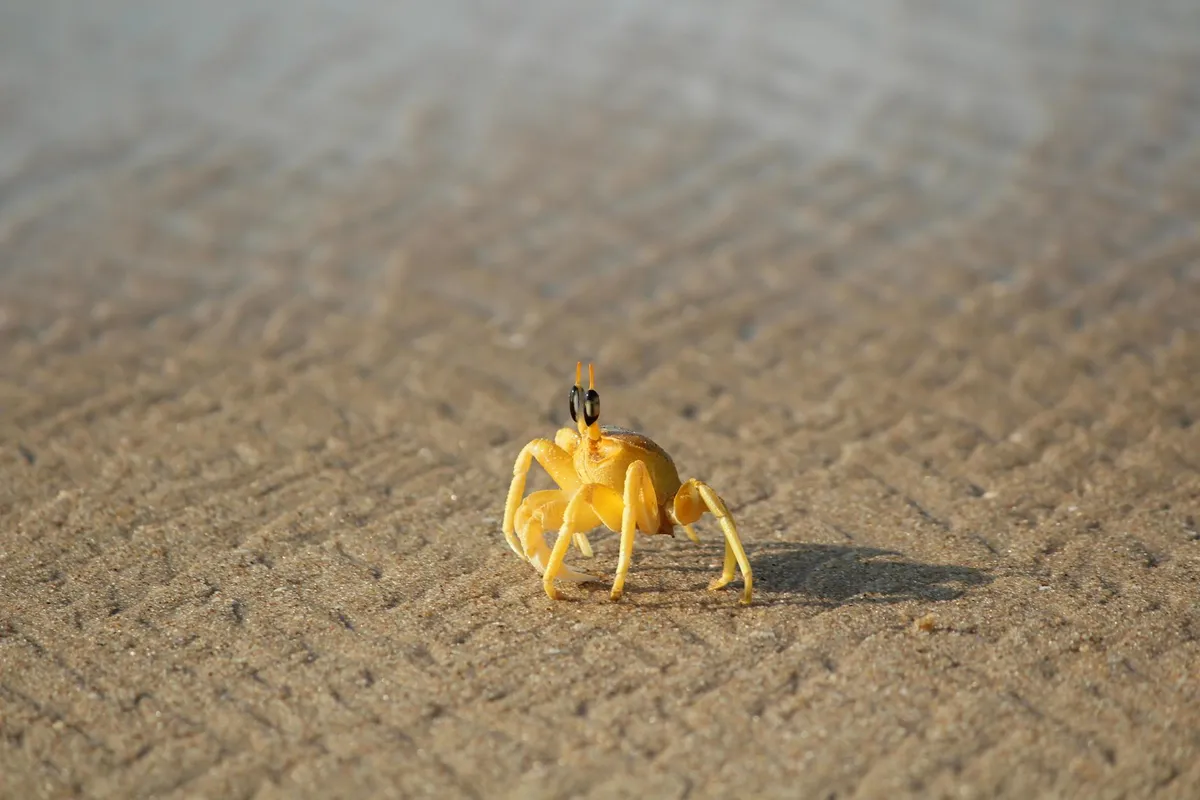
Seeing your crabs spar can be stressful, but you can drastically reduce tension with a few strategic changes. My philosophy is to design the tank to prevent conflict before it even has a chance to start. A proactive setup is the key to a peaceful crab community. That approach is central to hermit crab colony management. Preventing fights lowers stress and keeps the colony thriving.
Practical Steps for a Peaceful Tank
- Radically Increase Shell Selection: I keep a shell shop with dozens of options in various styles and sizes. Competition for the “perfect” shell is a primary cause of fights.
- Create Escape Routes and Visual Barriers: Use cholla wood, cork bark, and leaf litter to break up sightlines. This gives submissive crabs places to hide and reduces the feeling of being constantly watched.
- Optimize Space Partitioning: Don’t just have one of everything. I use multiple food and water dishes placed at opposite ends of the tank. This stops dominant crabs like Zeus from monopolizing resources.
What Worked for My Colony
- Adding extra half-coconut hides and reptile caves gave every crab a guaranteed private spot.
- I started using a deeper substrate, which encouraged natural burrowing behavior and gave crabs more personal space underground.
- Rearranging the tank décor every few months resets established territories and prevents any single crab from becoming too dominant over a particular area.
Always watch for submissive signals, like a crab tucking tightly into its shell or immediately backing away from an interaction. If you see this often, it is a clear sign your tank setup needs adjustment. Your goal is to meet their instinctual needs for security and ownership without allowing bullying to take root. Their welfare depends on your attentive management of their shared home.
FAQs
How often should I rearrange my hermit crab tank to disrupt established territories?
Rearranging the tank décor every 2-3 months can help reset territories and prevent any single crab from becoming too dominant. This mimics natural environmental changes and reduces stress by encouraging exploration over guarding.
What types of decorations are most effective at creating visual barriers in a hermit crab habitat?
Using items like cork bark flats, cholla wood, and half-round hides can break up sightlines and provide escape routes. These barriers allow subordinate crabs to avoid confrontations and help establish clear personal spaces within the tank.
Can chronic territorial stress lead to health issues in hermit crabs?
Yes, prolonged stress from territorial disputes can weaken a crab’s immune system and lead to issues like decreased appetite or failed molts. Ensuring a well-structured habitat with ample resources is crucial for their long-term health and well-being.
Reading the Sand
I’ve learned that my crabs’ territorial behaviors are not acts of aggression but a fundamental part of their nature. By recognizing their subtle markings and respecting their need for personal space, you can prevent most conflicts before they start. In a one-tank setup with several crabs, paying attention to social dynamics helps manage shell exchanges and space fairly. Monitoring introductions and daily interactions can prevent small tensions from escalating. The best approach is always to provide a generous, enriching habitat with ample shells, hiding spots, and food dishes, allowing every crab to claim a peaceful corner of their own.
Further Reading & Sources
- Territorial/ Aggressive Crab ? – HCA: Hermit Crab Association
- 20 FACTS ABOUT HERMIT CRABS YOU PROBABLY DIDN’T KNOW
- 21 Interesting Facts about Hermit Crabs – Hermit Crab Pets
The Crab Central is your ultimate resource for hermit crab enthusiasts, providing expert advice and practical tips to ensure the health and happiness of your shelled companions. With years of experience in crustacean care, we are dedicated to offering accurate, up-to-date information to support your hermit crab journey. Our mission is to foster a community of responsible hermit crab owners who are passionate about the well-being of these fascinating creatures.
Understanding Hermit Crab Behavior