
How to Choose Hermit Crab-Friendly Household Products
Published on: December 28, 2025 | Last Updated: December 28, 2025
Written By: The Crab Guru
Are you unsure which household items are safe to use around your hermit crab habitat?
With five crabs of my own, like the curious Hermes and food-guarding Zeus, I’ve tested many products to find what keeps them healthiest.
Always read labels and avoid anything with strong chemical odors.
I will guide you through selecting non-toxic cleaners, safe substrates, and décor while pointing out common household hazards to avoid.
Why Standard Household Products Pose a Risk to Hermit Crabs
Hermit crabs possess a unique biology that makes them incredibly vulnerable to our everyday cleaning routines. Their modified gills, located inside their shell, must stay moist to breathe, and this means they are constantly absorbing elements from the surrounding air. I learned this the hard way when I used a standard all-purpose cleaner near my crabitat; my normally active crab, Hermes, became sluggish and withdrawn for a full day afterward. Thus, their anatomy and biology partly determine how long they can live: moisture-dependent gills require humid conditions, and exposure to cleaners can shorten lifespan. A clean, stable habitat that preserves moisture and avoids toxins supports their longevity.
These sensitive creatures face danger from three primary routes of exposure in your home.
- Air: Their gills act like sponges, pulling moisture and any airborne chemicals directly into their bodies. Fumes from sprays and evaporating cleaners are a direct threat.
- Surface Contact: Crabs explore every surface with their legs and antennae. Toxic residues left on tables, floors, or even your hands can be absorbed through their exoskeleton or ingested during grooming.
- Water Contamination: If a chemical gets into their drinking or saltwater pools, they will consume it directly. My crab Poseidon once took a dip right after I had handled a treated piece of tank decor, and he showed clear signs of irritation.
Common Toxic Ingredients and Products to Immediately Avoid
To create a safe home, you must become a label detective. Your first line of defense is knowing which common chemicals are outright dangerous to your crabs. I keep a mental checklist for every product I bring into my house.
- Ammonia
- Chlorine and Chloramines (common in bleach)
- Synthetic Fragrances and Perfumes
- Phthalates
- Formaldehyde
- Phenols
- Glycol Ethers
These chemicals are often found in specific product categories you should banish from your crab-care areas.
- Aerosol Sprays: Hairspray, air freshener, spray deodorant.
- Harsh Disinfectants: Bleach-based cleaners, toilet bowl cleaners, and mildew removers.
- Conventional Pest Controls: Insecticide sprays, ant baits, and mothballs.
Volatile Airborne Chemicals and Hermit Crab Health
What you smell in the air, your crabs breathe into their gills. Air fresheners, scented candles, and aerosol sprays are some of the most insidious threats to their respiratory health. The “fresh linen” or “tropical breeze” scent is a cocktail of chemicals that can cause gill inflammation and neurological distress. To protect them, learn how to properly bathe and mist your hermit crab. Use only dechlorinated, plain water, and avoid any scented products in their enclosure; gentle misting helps maintain humidity without irritants.
Many pet owners mistakenly believe natural alternatives like essential oils are safe. I observed my crab Apollo become visibly stressed, moving rapidly and erratically, after a family member used a diffuser in a nearby room. Potpourri warmers also release volatile compounds into the air. For hermit crabs, clean air means air with no added scents at all. Regular grooming and a clean, well-maintained enclosure help keep your hermit crab clean and healthy.
Surface Cleaners and Residue Dangers
Think about every surface your crab might touch, both inside and outside its habitat. Kitchen counter cleaners and bathroom scrubs often leave behind a chemical film that is invisible to us but toxic to a small crab. If you handle a food dish after using one of these products, you transfer that risk directly into their home.
Floor cleaners and glass sprays are another major concern. When my adventurous crab Zeus goes on a nighttime exploration, I know any residue on the floor could be on his feet later. They constantly groom their legs and claws with their mouthparts, ingesting anything they’ve walked through. Always opt for residue-free cleaners for any surface your crab could potentially access.
How to Read Labels for Hermit Crab-Safe Ingredients
I learned the hard way with my crab Apollo that a seemingly harmless cleaner caused him stress, making him retreat for days. Reading labels carefully is your first line of defense against exposing your crabs to harmful chemicals.
Follow this step-by-step process every time you consider a new product for use near their habitat.
- Start by scanning the front for marketing claims like “natural” or “eco-friendly,” but don’t stop there-these terms are often unregulated.
- Flip the bottle and examine the ingredient list, looking for full disclosure of components.
- Identify and avoid any products containing synthetic fragrances, dyes, or harsh alcohols, which can irritate their delicate systems.
- Check for third-party certifications, such as from environmental or animal welfare groups, which add a layer of trust.
- When in doubt, research unfamiliar ingredients online using reputable pet care forums or resources dedicated to hermit crab health.
Key terms to actively look for on labels include biodegradable, plant-based, and phosphate-free. Biodegradable products break down safely without leaving toxic residues that could contaminate their substrate or water. Plant-based ingredients, derived from sources like coconut or corn, are generally gentler than petroleum-based alternatives. Phosphates, often in cleaners, can disrupt water quality and harm your crabs’ delicate gill function.
- Biodegradable: Ensures the product won’t linger and poison their tiny ecosystem.
- Plant-based: Indicates a lower likelihood of synthetic irritants.
- Phosphate-free: Protects the water and air quality within the tank from harmful buildup.
Selecting and Using Pet-Safe Cleaners and Disinfectants
After my crab Zeus showed signs of agitation from a commercial spray, I switched to gentler options and saw immediate improvement in his behavior. Choosing the right cleaner isn’t just about cleanliness-it’s about preserving the delicate balance of your hermit crabs’ home. Harsh chemicals can off-gas or leave residues that your crabs will inhale or ingest, leading to respiratory issues or shell damage. This is why it’s important to clean your hermit crab tank and shells safely.
I rely on a few trusted types of cleaners that have never let me or my crabs down.
- Vinegar-based solutions: A mix of white vinegar and water works wonders for glass and plastic surfaces without toxic fumes.
- Hydrogen-peroxide-safe options: Diluted hydrogen peroxide effectively disinfects and breaks down safely, but always use it in well-ventilated areas away from the crabs.
- Simple soap and water: For routine wiping, a drop of mild, unscented castile soap in water is sufficient and low-risk.
Before using any product fully, test it to ensure it won’t harm your crabs. This simple method has saved me from potential disasters with curious climbers like Hermes. Start by applying a small amount of the diluted cleaner to an inconspicuous area of the tank or decor. Wait 24 hours to check for any strong odors or residue, and observe your crabs from a distance for unusual behavior like excessive hiding or frantic movement. If all seems normal, it’s likely safe for cautious use. To keep them thriving, pair this with a regular maintenance schedule for the tank. A practical routine might include weekly spot-cleaning and monthly full clean to maintain stable conditions.
Recognizing Signs of Toxin Exposure in Your Hermit Crabs
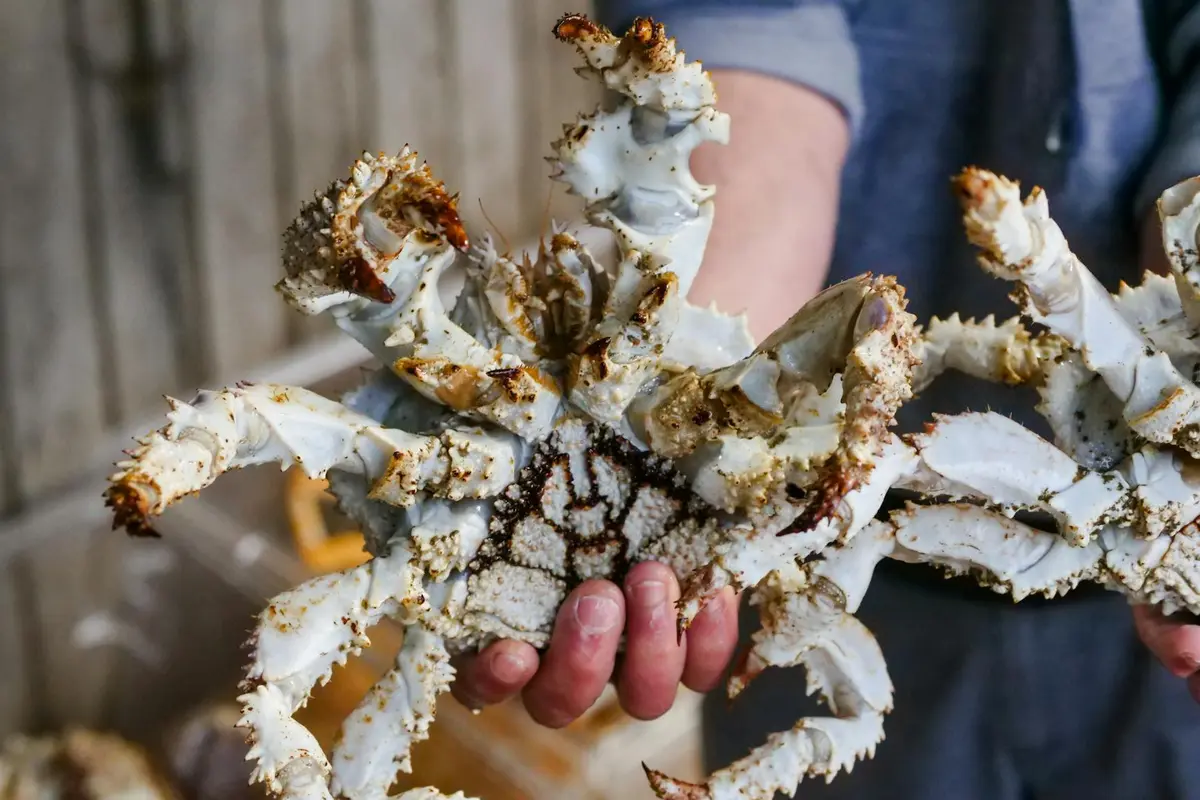
Your hermit crabs cannot tell you they feel sick, so you must become an expert in reading their physical cues. Any sudden change in behavior is your first and most important clue that something is wrong in their environment. Learning the key signs of health versus illness is essential. Healthy crabs stay active, eat well, and shed normally; sudden lethargy or changes in shell condition can signal sickness.
- Lethargy and Lack of Movement: A crab that stays in one spot for days, doesn’t react to stimuli, or appears too weak to move its body is a major red flag.
- Unusual Posture: Look for a crab that is hanging partially out of its shell in a limp, lifeless way or one that cannot fully retract into its shell.
- Abrupt Shell Abandonment: While crabs change shells, dropping a perfectly good shell and not replacing it can signal distress or physical irritation.
- Digging Obsessively Near the Surface: This can be a sign they are trying to escape a vapor or fume they find irritating.
- Noticeable Loss of Legs or Claws (Limb Autotomy): Extreme stress or physical poisoning can cause a crab to drop its limbs.
I once used a new wood sealant in the same room as my crabitat, thinking it was far enough away. Within hours, my usually active crab, Apollo, was completely listless at the bottom of the tank. That frantic rush to move the tank to a well-ventilated area and change out all the substrate was a terrifying lesson I will never forget. He recovered, but it was a stark reminder of how sensitive their systems are.
Hermit Crab-Friendly Alternatives for a Healthy Habitat
Switching to safer products is simpler than you might think and makes a world of difference for your crabs’ long-term health.
- Store-Bought Brands: I rely on brands like Seventh Generation and ECOS for general cleaning. Their products are plant-based, non-toxic, and free of the synthetic dyes and perfumes that can harm invertebrates.
- Specialty Pet Products: For cleaning the tank and accessories, Fluker’s Super Scrub or a simple vinegar solution are my go-to choices because they rinse clean without residue.
Easy DIY Cleaner Recipes
- All-Purpose Glass & Plastic Cleaner: Mix equal parts white vinegar and distilled water in a spray bottle. Wipe clean with a cloth. It disinfects and deodorizes without chemicals.
- Deep Clean Scrub: For food dishes and heavy grime, make a paste with baking soda and a small amount of water. Scrub and rinse thoroughly.
Maintaining Air Quality Without Harmful Sprays
Hermit crabs breathe through modified gills and are incredibly vulnerable to airborne contaminants.
Skip the aerosol sprays and plug-in air fresheners entirely. These products release volatile organic compounds (VOCs) that settle in the tank and coat your crab’s gills. Instead, focus on natural air purification. I keep a small bowl of activated charcoal near, but not inside, the tank to help absorb ambient odors (especially when there are bad odors in the tank). Baking soda is another excellent and safe odor absorber.
Good ventilation is non-negotiable. Ensure your tank lid allows for some air exchange. If you need to address a smell, look for the source inside the habitat-usually old food or waste-and remove it, rather than masking it. A well-maintained tank should not have a strong odor.
Safe Pest Control Strategies Around the Crab Habitat
Dealing with pests like fruit flies or ants requires a strategic approach that prioritizes your crabs’ safety.
Prevention is your most powerful tool. Immediately remove uneaten food each night. Ensure food bowls are clean and that no food debris is on the outside of the tank or stand. I create a “moat” by placing the tank’s stand legs in small dishes of water to deter crawling insects like ants.
If you need to intervene, you must be extremely selective. Many pet-safe pest control products are still dangerous for hermit crabs. Avoid any product containing citrus oils or citric acid, as these are highly toxic to crustaceans. Also, many common houseplants and household items are poisonous to hermit crabs if chewed or spilled near the tank. Be sure any decor or plants added to the room are crab-safe and kept away from the enclosure. I use simple sticky fly traps placed well away from the tank’s air vents to control fruit flies. For ants, a light dusting of food-grade diatomaceous earth around the *outside* perimeter of the room can be effective, but never use it anywhere near the tank itself.
## Common Questions
What should I do if I accidentally use a toxic cleaner near my hermit crab tank?
Immediately move the crabitat to a well-ventilated area away from the chemical fumes. You should also replace the substrate and thoroughly rinse all tank decor and dishes with dechlorinated water to remove any potential residue.
Is it safe to handle my hermit crab after using hand sanitizer?
No, it is not safe, as the alcohol and fragrances in hand sanitizer can be absorbed through their exoskeleton or ingested during grooming. Always wash your hands thoroughly with unscented soap and water and rinse well before handling your crabs or anything in their habitat.
Can I use any type of paint or sealant on decorations for the tank?
You must only use sealants and paints that are explicitly labeled as non-toxic, waterproof, and safe for aquarium or reptile use after fully curing. Always refer to the label-reading guide in the article to check for harmful volatile organic compounds (VOCs) that can off-gas.
Your Home, Their Safe Haven
Ultimately, the products you use in your home have a direct impact on the tiny, sensitive world inside your hermit crab tank. By prioritizing simple, natural ingredients and rigorously avoiding synthetic fragrances and harsh chemicals, you create a safe environment for your crabs to thrive. We’ve learned through our own colony’s health that this simple filter for every spray, cleaner, and decor item is the most powerful step you can take for their long-term well-being. Additionally, choose safe, stimulating decor for the tank—natural textures, non-toxic hides, and enrichment opportunities—to keep crabs active without risking harm.
Further Reading & Sources
- Hermit Crab Products – Snout and Shell
- Care: Safe Food List – HCA: Hermit Crab Association
- Hermit Crab Supplies & Accessories | Chewy
The Crab Central is your ultimate resource for hermit crab enthusiasts, providing expert advice and practical tips to ensure the health and happiness of your shelled companions. With years of experience in crustacean care, we are dedicated to offering accurate, up-to-date information to support your hermit crab journey. Our mission is to foster a community of responsible hermit crab owners who are passionate about the well-being of these fascinating creatures.
Recommended Products