
Hermit Crab Grooming: A Simple Guide to a Healthy Pet
Published on: January 3, 2026 | Last Updated: January 3, 2026
Written By: The Crab Guru
Have you ever wondered how to help your hermit crab stay clean?
With five crabs of my own, I’ve learned the practical steps to support their natural grooming habits for a thriving habitat.
Remember, a healthy crab is a self-cleaning crab, especially after a successful molt.
We’ll cover setting up a proper grooming habitat, providing essential shell options, and spotting the signs of a truly healthy, clean crab.
Why Hermit Crab Grooming is Non-Negotiable
I learned the hard way with my first crab, Hermes, that skipping grooming sessions leads to trouble. He became lethargic, and I discovered a small patch of mites. Regular grooming is your primary defense against parasites, bacterial infections, and general ill health. These creatures are meticulous self-cleaners in the wild, using the ocean as their bath. Our job is to replicate that vital resource.
Beyond just washing off dirt, grooming is about hydration. Hermit crabs breathe through modified gills that must be kept moist. A shallow dip in saltwater helps them regulate their moisture levels and replenish the shell water they carry for humidity. This simple act of providing a bath directly supports their most basic respiratory functions. My crab Apollo will often sit in his saltwater pool for several minutes, methodically using his claws to draw water over his body. To do it properly, keep the soak shallow and brief. Between baths, mist your hermit crab lightly to maintain humidity and support his gills.
Neglecting this care invites shell fouling-a buildup of waste and debris inside the shell that can cause severe irritation. A clean crab is an active, curious, and healthy crab, and I see this directly in the vibrant behavior of my own pets.
Setting Up Your Hermit Crab Grooming Station
You don’t need a fancy setup, just a dedicated space that is safe and calm. I use a small, clean plastic container that is only for this purpose. It’s wide and shallow, giving them room to move without the risk of tipping over. Having everything prepared before you handle your crab is the key to a quick, stress-free experience for both of you. Create a hermit crab-friendly environment at home with the right substrate, humidity, and safe hides. A calm, prepared space helps your crabs thrive.
Gather these items:
- A shallow, escape-proof container
- Two small, clean dishes or bowls that fit inside the container
- Marine-grade sea salt mix (never table salt)
- Dechlorinated freshwater
- A soft-bristled toothbrush or paintbrush
- Paper towels for the base
Line the bottom of the container with a damp paper towel. This gives them a secure footing. Place the two small dishes inside-one for fresh water and one for saltwater. This two-pool system allows your crab to choose, mimicking their natural behavior and giving them a sense of control. It’s essential to understand hermit crab water needs and aquatic behavior to provide the best care.

Choosing the Right Water and Salts
This is the most common mistake I see. Tap water is toxic to hermit crabs due to chlorine and heavy metals. You must use dechlorinated water. I use a reptile-safe water conditioner, which instantly neutralizes harmful chemicals. In my hydration water conditioning guide, I cover safe water types for hermit crabs and how to condition them. Refer to that guide to keep your crab properly hydrated. Providing unsafe water is like asking you to drink from a polluted puddle; it will make your pet sick.
For saltwater, you cannot use aquarium salt or table salt. It must be a marine sea salt mix designed for saltwater aquariums, which contains the full spectrum of trace minerals found in the ocean. I mix mine in a separate jug a day before, following the package directions to achieve a specific gravity of around 1.021-1.024. Using the correct salt mix is non-negotiable for their health and shell integrity. My crab Poseidon visibly perks up and becomes more active after a proper saltwater soak.
Safe Handling and Stress Reduction Techniques
Hermit crabs are prey animals and can be easily stressed. I always approach my crabs from the front so they can see me coming. Never pick a crab up by its shell; you could injure its delicate abdomen. Gently coax your crab onto your open palm, allowing it to walk onto you voluntarily.
Keep the grooming session short-five to ten minutes is plenty. Work over a soft surface, like a towel-lined table, in case of a fall. If your crab retreats deeply into its shell and refuses to come out, do not force it. Respecting when your crab says “no” is fundamental to building trust and ensuring their well-being. My more timid crab, Athena, sometimes needs a minute of quiet sitting before she feels safe enough to emerge.
Use a soft, damp paintbrush to gently wipe away any debris from their legs and claws. Never submerge their head, and always let them move in and out of the water dishes on their own terms. The goal is to assist in their natural cleaning process, not to overwhelm them. When finished, place them gently back into their habitat and offer a small treat for positive reinforcement.
Daily and Weekly Hermit Crab Grooming Routines
Shell Inspection and Gentle Cleaning
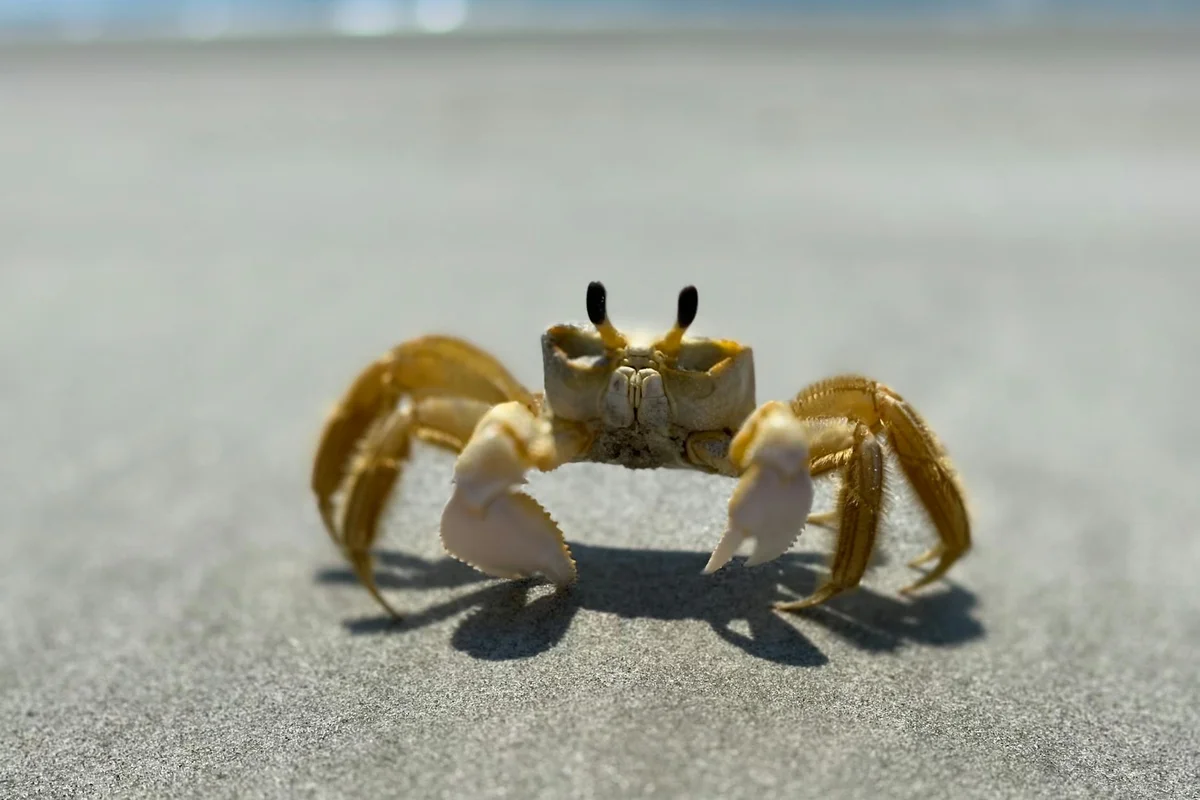
I make it a habit to do a quick visual check of my crabs’ shells every day, just like a headcount. This isn’t about handling them constantly, but about spotting potential problems early. I look for any cracks, chips, or mysterious white spots that could indicate shell disease. My crab Apollo is a shell collector, so I often see him trying on new ones, but a damaged shell is a serious housing issue for a crab.
A cracked shell doesn’t just offer poor protection; it can also lead to dangerous moisture loss for your crab.
Once a week, I perform a more thorough check. If a shell looks grimy, I gently clean it. I never use soap or chemicals. I use the same dechlorinated saltwater I provide for them to soak in. I use a soft-bristled toothbrush to gently scrub away any debris. The goal is to clean the shell, not sterilize it, as crabs are comforted by their own scent.
Water Bowl Maintenance and Hydration
Fresh, clean water is non-negotiable for hermit crab health, both for drinking and for maintaining the humidity in their gills. I check their water bowls twice a day to ensure they’re hydrated properly. I have a freshwater pool and a saltwater pool, both deep enough for my largest crab, Zeus, to fully submerge himself.
I always use dechlorinated water for both pools, as chlorine is toxic to them. For the saltwater, I use a marine salt mix designed for aquariums, never table salt. Every single day, I dump out the old water, rinse the bowls with hot water, and refill them with fresh dechlorinated water. This daily refresh prevents bacterial growth and ensures your crabs always have access to the clean water they need to hydrate and regulate their body moisture. Proper moisture is central to a healthy hermit crab, supporting shedding and respiration. When moisture levels stay balanced, crabs stay active and less stressed.
Once a week, I give the bowls a more rigorous scrub with the same soft toothbrush and hot water to remove any biofilm or slime. I watch my crab Poseidon often soak in his water dish, and seeing him enjoy his clean bath reinforces how vital this simple task is.
Managing Molts and Shedding for Healthy Crabs
Creating a Molt-Safe Environment
Molting is the most vulnerable time in a hermit crab’s life. They shed their old exoskeleton to grow a new, larger one. My crab Athena will disappear for weeks, burying herself deep in the substrate. The single most important thing you can provide is a proper molting environment. This means having a substrate that is sand-castle consistency, deep enough for your largest crab to bury itself completely without hitting the bottom of the tank. Creating the perfect habitat can make all the difference during this vulnerable time.
I maintain a substrate depth of at least 8 inches in my tank to ensure even my big guy, Zeus, can molt in peace and safety. I use a mix of play sand and coconut fiber, moistened with dechlorinated water. When a crab is molting, you must not dig for them. Disturbing a molting crab can lead to severe injury or death. I simply trust the process and make sure the tank humidity stays high to support them.
Post-Molt Grooming and Nutrition
After a successful molt, your crab will emerge with a brand new, soft exoskeleton. They are incredibly fragile at this stage. They will immediately eat their old exoskeleton, which is a critical source of calcium to help harden their new shell. My job is to support this natural process.
I always make sure their old exoskeleton is left in the tank for them to consume. I also provide extra nutrition to aid their recovery. I place a small dish near their hiding spot filled with high-calcium foods like crushed cuttlebone, eggshells, and a protein source like dried shrimp. Proper post-molt nutrition is not a suggestion; it’s a requirement for your crab to successfully re-harden its exoskeleton and survive.
I handle my crabs even less than usual after a molt, only doing so if absolutely necessary for tank maintenance. Their new body is soft and can be easily damaged. I watch them carefully, ensuring they are active and eating well, a sure sign they are on the road to recovery.
Maintaining Tank Hygiene to Support Grooming
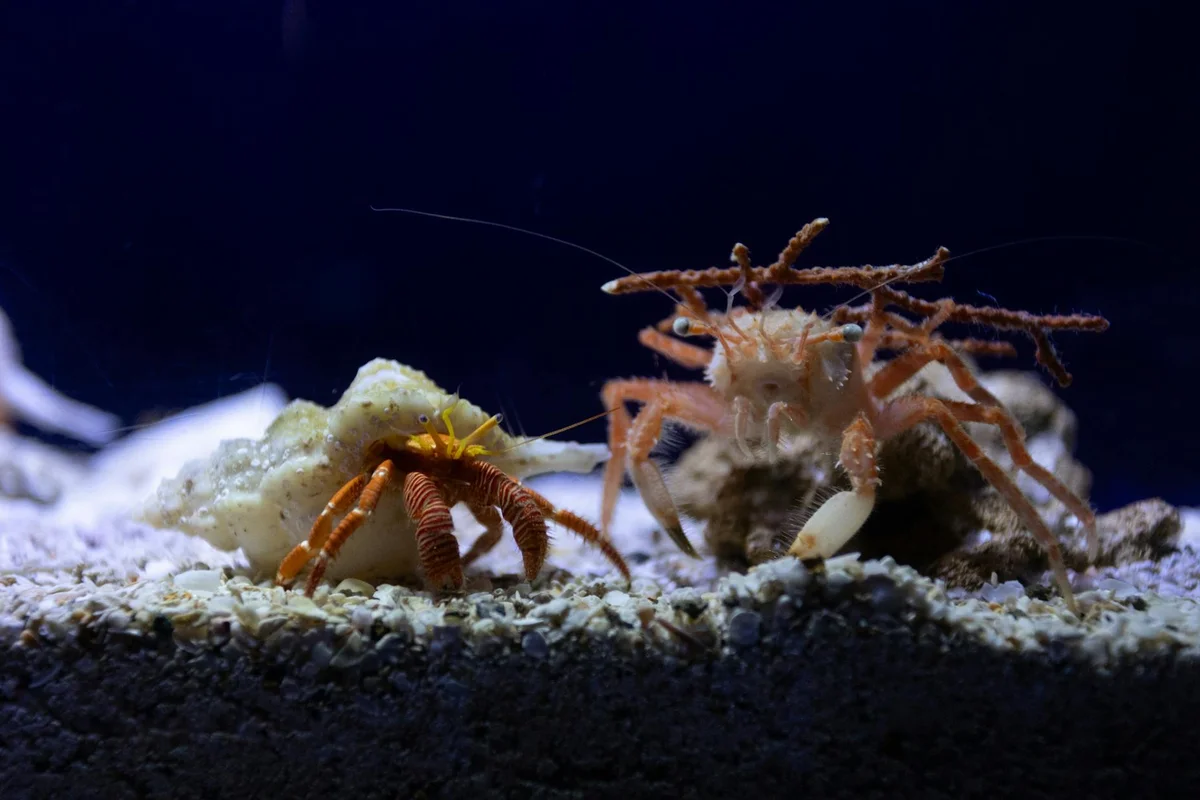
Your hermit crab’s personal grooming habits are only as effective as the environment they live in. A clean tank is the foundation that allows their natural cleaning behaviors to actually work. I’ve found that when my tank hygiene slips, my crabs Apollo and Hermes spend more time hiding and less time on their fascinating self-care routines. To keep this balance, I follow a complete maintenance schedule. That means weekly deep cleans and daily checks.
Substrate and Humidity Control
The bedding in your tank does more than just look nice. It needs to hold moisture for proper humidity and be deep enough for safe molting. I use a mix of play sand and coconut fiber, about 3 to 4 times as deep as my largest crab.
- Use a moisture-holding substrate: A 5:1 ratio of play sand to coconut coir holds tunnels beautifully and maintains humidity.
- Check the humidity daily: Aim for 70-80%. I use a digital hygrometer. Low humidity makes it hard for crabs to breathe and groom their gills.
- Perform the “squeeze test”: The substrate should be sand-castle consistency. If water drips out, it’s too wet. If it crumbles, it’s too dry.
- Spot-clean weekly: I remove any visible waste or old food I find during my daily checks to prevent bacterial growth.
Preventing Common Tank Contaminants
Contaminants can sneak in and undermine all your hard work. These invisible threats stress your crabs and compromise their health.
- Remove uneaten food within 24 hours: Moldy food is a common source of toxins and pesky mites.
- Use treated water: Never use tap water for pools or misting. The chlorine and heavy metals are harmful. I always keep a bottle of dechlorinated water on hand.
- Choose tank decor wisely: Avoid painted shells or dyed wood, as these can leach chemicals. I stick with natural, untreated items.
- Watch for mite infestations: These tiny white bugs often come in on commercial foods. I quarantine and rinse all new items before they go in the tank.
Spotting Health Issues Through Regular Grooming
When you watch your crabs groom, you are doing more than just observing a cute behavior. You are conducting a daily health check without ever needing to handle them. My crab Zeus taught me this; his change in grooming was the first sign he was preparing to molt.
Recognizing Signs of Stress or Illness
A healthy crab is an active groomer. Any deviation from their normal routine can be a red flag.
- Excessive grooming in one spot: This can indicate mites or an injury you can’t see.
- A sudden lack of grooming: If a usually fastidious crab like Athena stops cleaning herself, she is likely under severe stress or feeling unwell.
- Frequent antennae cleaning: While normal, doing it constantly can mean the air feels irritating, often from low humidity or a contaminant.
- Limp posture or falling out of shell: This is a critical emergency sign, often related to shell fit, poisoning, or severe stress.
When to Seek Advanced Care
Most minor issues can be fixed with tank adjustments, but some situations require a professional.
- Contact an exotic vet if your crab has been out of its shell for more than a few hours and will not re-shell. This is a life-threatening situation.
- If you see a foul odor coming from the tank or from a specific crab, it could indicate a bacterial infection or a deceased crab.
- Seek help if you notice a visible injury, like a lost limb that is bleeding or shows signs of infection.
- If your crab has been buried for an unusually long time (over 3 months for a large crab) with no signs of life, a vet can help you determine the next steps.
Pro Grooming Tips from a Seasoned Owner
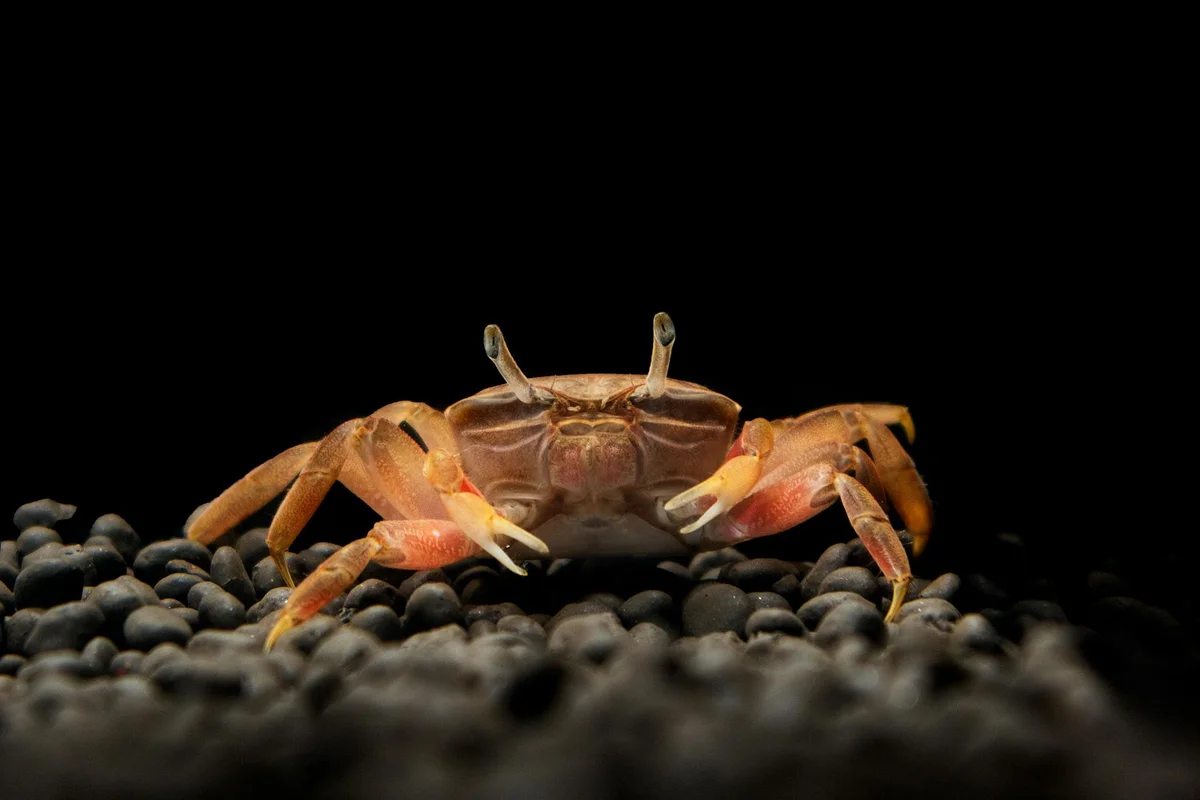
After years of living with my five distinct crabs, I’ve learned that a one-size-fits-all approach to grooming simply doesn’t work. Observing your crab’s unique personality is the first step to providing effective, stress-free care. What works for my bold explorer would terrify my shy observer.
Tailoring Grooming to Crab Personalities
Your crab’s behavior is a direct guide to how you should handle their grooming needs. I manage my crew based on their individual temperaments.
- For the Fast-Moving and Curious (like Hermes): These crabs are often the easiest. They are naturally investigative. I place a shallow, lukewarm saltwater bath in their enclosure and they usually wander in on their own. I never force them. Their curiosity does the work for me.
- For the Baskers and Collectors (like Apollo): Apollo loves his heat. I time his shell checks for right after he’s been basking under the lamp. He’s relaxed and less likely to retreat deeply into his shell. I gently mist him with dechlorinated water during these calm moments to help with hydration.
- For the Calm and Observant (like Athena): Patience is everything. I move slowly and speak softly around her. For her baths, I use a much smaller, secluded container to make her feel secure. Rushing a shy crab will only teach them to fear your hands.
- For the Assertive and Dominant (like Zeus): Confidence is key, but so is respect. I handle Zeus with firm, deliberate movements. He seems to respond better when I’m not tentative. I keep his grooming sessions short and efficient to avoid provoking a defensive pinch.
- For the Diggers and Soakers (like Poseidon): These crabs often do a lot of self-grooming in the moist substrate. My main job is to ensure his freshwater and saltwater pools are always pristine. A clean water source is the best grooming tool for a crab who loves to soak.
Long-Term Health Monitoring Strategies
Grooming isn’t just about baths; it’s your prime opportunity to check for subtle health changes. I keep a simple digital log to track my crabs’ condition over time.
During each handling session, I perform a quick but thorough check. I look for any mites, which appear as tiny, fast-moving specks. I examine their legs and claws for any damage or a chalky, white residue. I also watch their movement for any signs of stiffness or limping. Catching a small issue early can prevent a major health crisis later.
Here is a simple table I use to track my observations every month. It helps me spot trends I might otherwise miss.
| Crab Name | Date | Exoskeleton Condition | Activity Level | Appetite | Notes |
|---|---|---|---|---|---|
| Athena | 10/26/2023 | Shiny, no damage | Calm, normal | Good | Seems interested in a new turbo shell. |
| Zeus | 10/26/2023 | Small scratch on big claw | Assertive, normal | Voracious | Monitor scratch, added extra calcium to food. |
Beyond the visual check, I pay close attention to their antennae. Healthy, active antennae constantly twitch and sense the environment. Limp or missing antennae can signal stress or poor nutrition. Your crab’s antennae are a window into their overall well-being. This kind of consistent, detailed monitoring is what transforms a good owner into a great one.
FAQs
How do I know if my hermit crab needs a new shell?
Your hermit crab may need a new shell if it frequently abandons its current one or if the shell has cracks, chips, or is too small. Common shell problems have simple fixes. Replace damaged shells promptly and offer a range of appropriately sized options. Offering a selection of natural, appropriately sized shells encourages natural behavior and prevents stress from poor housing.
What should I feed my hermit crab to support its grooming and health?
Provide a varied diet including fresh fruits, vegetables, and protein sources like dried shrimp to promote overall well-being. Always include calcium-rich options such as crushed cuttlebone or eggshells to help maintain a strong exoskeleton and aid in post-molt recovery.
How can I reduce stress when introducing new items to the tank?
Place new items in the tank gradually and ensure they are clean and free from chemicals to avoid startling your crabs. Monitor your crabs’ behavior for signs of stress, and remove or adjust items if they cause hiding or agitation.
A Final Word on a Clean Crab
Grooming is an act of prevention, not just a reaction to dirt. Your most powerful tool is simple, consistent observation. By providing the right environment-deep substrate for safe molting, proper salt and fresh water pools, and a selection of clean shells-you empower your hermit crab to manage its own hygiene naturally and thrive.
Further Reading & Sources
- Hermit crab grooming | The Crab Street Journal
- Hermit crab – CreationWiki, the encyclopedia of creation science
- Pet Supplies, Accessories, and Pet Food – Pet Stores | PetSmart
The Crab Central is your ultimate resource for hermit crab enthusiasts, providing expert advice and practical tips to ensure the health and happiness of your shelled companions. With years of experience in crustacean care, we are dedicated to offering accurate, up-to-date information to support your hermit crab journey. Our mission is to foster a community of responsible hermit crab owners who are passionate about the well-being of these fascinating creatures.
Preventative Care