
How to Recognize and Treat Hermit Crab Dehydration
Published on: January 6, 2026 | Last Updated: January 6, 2026
Written By: The Crab Guru
Is your hermit crab moving slower than normal or spending too much time in its shell?
After caring for my five hermit crabs for years, I have helped each one through dehydration scares and can show you exactly what to do.
Offering a shallow dish of fresh and salt water is your first line of defense.
You will learn the subtle physical signs to watch for, my step-by-step method for rehydration, and how to adjust your tank setup to keep your crabs healthy and hydrated.
Recognizing the Telltale Signs of Dehydration
Physical Symptoms You Can See and Feel
Your hermit crab’s body will give you the first clues that something is wrong. I learned this the hard way with Apollo, who once went through a rough patch. His usually vibrant skin looked dull and felt papery when I gently observed him. A healthy crab should have a slightly moist, supple feel to its abdomen and legs, not a dry, brittle one. If you spot those signs, try a quick hermit crab troubleshooting checklist to diagnose common problems. It will guide you through checks like humidity, temperature, shell condition, and hydration.
Pay close attention to their eyes. They should be round, glossy, and perched on their stalks. Dehydrated crabs often have sunken or filmy-looking eyes. Another major red flag is a loose-fitting shell. If your crab seems to be rattling around in a shell that used to be snug, it’s a sign their body volume has decreased from water loss.
- Dry, flaky skin or exoskeleton
- Sunken, dull, or filmy eyes
- A loose-fitting shell
- Difficulty moving or a stiff gait
Behavioral Changes That Signal Trouble
Crab behavior speaks volumes if you know what to watch for. My crab, Zeus, is normally the first to the food bowl, so when he started hanging back, I knew it was a problem. A dehydrated crab will often become lethargic and show little interest in food or exploring their habitat. A sudden drop in activity level is one of the most common behavioral cries for help.
Watch their interaction with water sources. A healthy crab will periodically visit both fresh and saltwater pools to drink and regulate moisture. A dehydrated crab might park itself in the water dish for unusually long periods or even dig down into the substrate near a water source, desperately trying to absorb ambient humidity. Make sure you set up proper water dishes for your crabs to encourage healthy drinking habits.
- Lethargy and lack of movement
- Loss of appetite
- Prolonged soaking in water dishes
- Digging near water pools
How to Gauge the Severity of Dehydration
Mild Dehydration: Early Warning Signs
Catching dehydration early makes all the difference. Mild dehydration shows up as subtle shifts. Your crab might be a little less active than usual, like my Athena was last month. She was still moving around but had lost her usual evening exploration energy. At this stage, the crab is still responsive and can move on its own, just with less enthusiasm.
You might notice them spending more time near the humid end of the tank or taking slightly longer drinks. Their skin might feel just a touch less supple. This is the perfect time to intervene with simple adjustments before the situation becomes critical.
- Slight decrease in normal activity
- Increased interest in water dishes
- Minor loss of skin elasticity
- Still mobile and responsive
Moderate to Severe Dehydration: When to Act Fast
This is a critical situation requiring immediate action. A moderately dehydrated crab will be noticeably lethargic, often staying in one spot for hours. They may not retreat fully into their shell when disturbed. If your crab cannot right itself after being gently turned over, the dehydration has reached a severe state.
In severe cases, a crab may become detached from its shell, which is a life-threatening emergency. Their body will feel extremely dry and brittle. At this point, the crab is likely too weak to seek out water on its own and needs your direct help to have any chance of recovery. Every minute counts.
- Moderate: Pronounced lethargy, weak grip on shell, little to no movement.
- Severe: Inability to move or right itself, detachment from shell, body appears shrunken.
Immediate First-Aid and Rehydration Steps

Preparing a Safe Rehydration Soak
When I found Apollo looking particularly lethargic and his skin had lost its sheen, I knew I needed to act fast. A rehydration soak is the most direct way to get fluids into a dehydrated crab, but you must prepare it correctly to avoid shock.
You will need a small, clean container that your crab cannot climb out of. I use a plastic food storage container with smooth, high walls. Fill it with just enough dechlorinated saltwater or fresh water to barely cover the bottom of your crab’s shell when they are standing. This should be about a quarter-inch to a half-inch deep-never deep enough for them to submerge and drown.
- Use only dechlorinated water. Tap water chemicals are harmful.
- The water must be at room temperature. Cold water can send them into shock.
- I keep a spray bottle of treated water next to the tank for quick access.
Administering the Soak and Monitoring
Gently place your crab into the prepared shallow water. Do not force them; just let them sit and absorb the moisture through their abdomen. This process is about passive rehydration, not a forced swim. Humidity plays a key role in hermit crab health, especially during molting. Maintaining moisture helps ensure a smooth molt and reduces dehydration.
Set a timer for 10 to 15 minutes. I never leave them unattended. Watch their behavior closely. A healthy crab will often become more active, moving its antennae and mouthparts as it drinks. A severely dehydrated crab might remain still, which is why constant supervision is non-negotiable.
- Watch for any signs of distress, like frantic scrambling.
- After the soak, carefully return your crab to its main habitat.
- You can offer this soak once daily for a few days if needed, but monitor progress.
Supporting Long-Term Recovery and Hydration
Optimizing Tank Humidity and Temperature
After an emergency soak, the real work begins in their home. Dehydration is almost always a habitat problem. My crabs, especially Apollo who loves his heat lamp, need a carefully balanced environment.
Hermit crabs breathe through modified gills and require humid air to do so effectively. Your tank’s humidity level should consistently sit between 70% and 80%. I use a digital hygrometer for accurate readings, as the analog dials can be unreliable.
- Seal tank lids with glass or plexiglass to trap humidity. Screen tops let it all escape.
- Use a deeper substrate of sand and coconut fiber, misted with dechlorinated water.
- Place heat sources on the side of the tank, not the top, to prevent drying out the air.
Ensuring Constant Access to Proper Water
This is the most common mistake I see. Hermit crabs need two types of water available at all times: fresh and marine-grade saltwater. Both must be dechlorinated. In this hydration and water conditioning guide, we’ll explain how to safely prepare both water types. We’ll cover salinity, testing, and common pitfalls.
Your water dishes must be deep enough for your largest crab to fully submerge its shell. I use small, sturdy food containers sunk into the substrate. Poseidon loves to soak himself, and having this option is vital for their ability to regulate their own shell water and hydration.
- Provide a way out of the pools, like a natural ramp of rocks or cholla wood.
- Change the water daily to prevent bacterial growth.
- Use a water conditioner like Seachem Prime to instantly remove chlorine and chloramines.
Proactive Prevention for a Hydrated Habitat
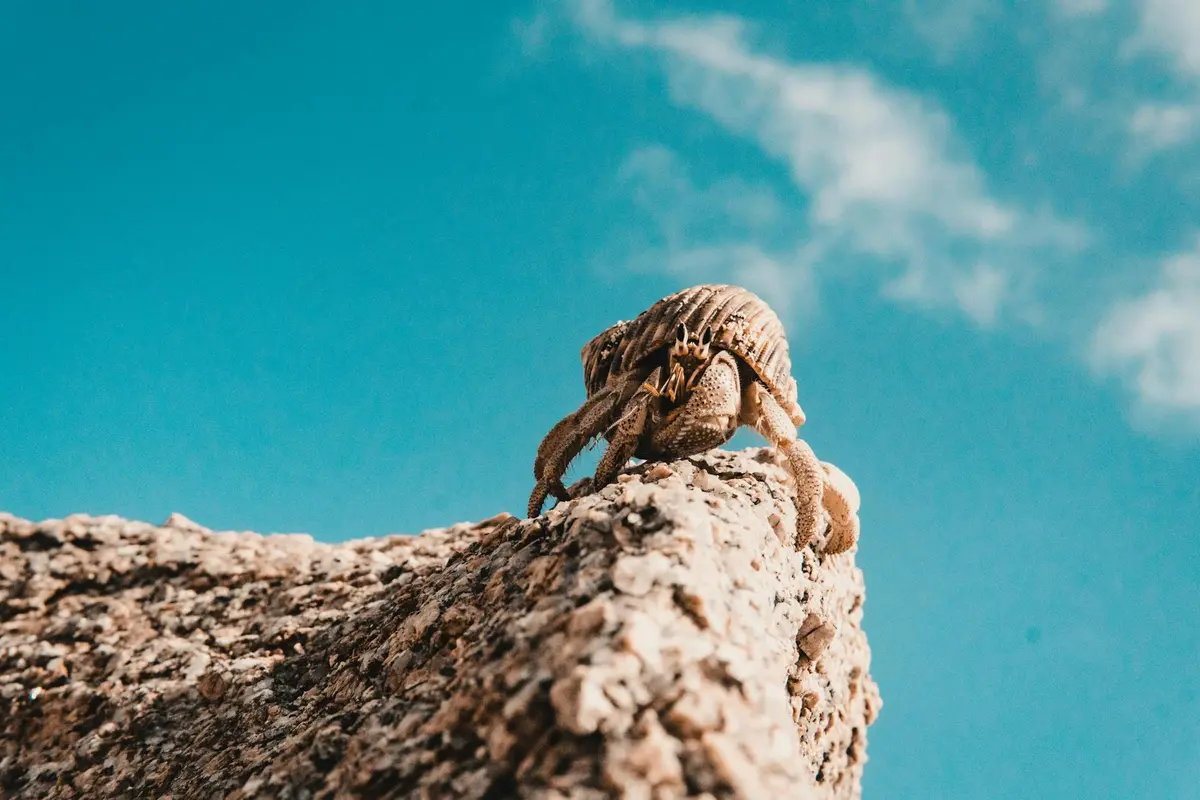
After seeing one of my crabs, Poseidon, looking a bit lethargic, I realized that waiting for signs of trouble is not the way to go. The absolute best treatment for hermit crab dehydration is to stop it from ever happening in the first place by ensuring proper water intake. Creating an environment that naturally supports their hydration needs is the most powerful thing you can do.
Daily and Weekly Habitat Checks
Consistency is everything. A quick daily glance and a more thorough weekly deep-dive will keep you perfectly in tune with your crab’s world.
Your Daily Quick Scan (2-Minute Check)
- Water Bowls: Are they full and clean? I quickly scoop out any substrate or food my curious crabs, like Hermes, have kicked in.
- Water Clarity: Is the water fresh? Cloudy or smelly water needs changing immediately.
- Substrate Surface: I run a finger through the top layer. Does it feel cool and slightly damp, or dry and dusty?
- Crabs in Water: I make a mental note if I see any of my crabs, especially Apollo, sitting in the saltwater pool. It’s normal behavior, but frequent soaking can be a clue.
Your Weekly Deep Dive (15-Minute Tune-Up)
- Empty and Scrub All Water Pools: I use a dedicated aquarium brush and hot water-no soap-to scrub away any biofilm or slime.
- Test Substrate Moisture: Dig down 3-4 inches in a corner. The substrate should hold its shape when squeezed without dripping water. This “sandcastle consistency” is the gold standard for maintaining humidity and allowing safe molting.
- Re-mix and Re-spray: If the lower layers are dry, I mix in dechlorinated water and give the entire surface a good misting.
- Check Your Gauges: Verify your hygrometer and thermometer are reading accurately. I once had a faulty gauge that threw my entire habitat off for a week!
Choosing the Right Substrate and Enclosure Setup
Your tank itself is a primary tool for hydration. The materials you choose either work with you or against you.
The Substrate is Your Humidity Battery
I’ve tried many combinations, and a mix of play sand and coconut fiber (like Eco-Earth) is unbeatable. A deep layer of this mix, at least 6 inches or three times the height of your largest crab, acts like a massive reservoir that slowly releases moisture into the air. This is non-negotiable for species like my Ecuadorian crab, Apollo, who need higher humidity to breathe properly.
Sealing the Lid to Trap Humidity
A screen lid will drain all the humidity you work so hard to create. I replaced mine with a glass or plexiglass cover, and the difference was night and day. You want to see a gentle condensation on the glass in the morning, a sure sign your microclimate is stable and humid.
Strategic Placement of Water Dishes
Don’t tuck the water away! Place your freshwater and saltwater pools side-by-side on the substrate surface. I use shallow but wide reptile dishes to prevent drowning. Positioning them under or near the heat source gently warms the water, creating a humid pocket of air right where your crabs can access it easily. This setup mirrors their aquatic behavior—they often soak at the water’s edge to stay hydrated. Keeping both freshwater and saltwater accessible supports their osmoregulation and hydration needs. My crab Zeus often guards this area, proving just how popular it is.
FAQs
How often should I check my hermit crab for dehydration signs?
Monitor your hermit crab daily for any changes in behavior or physical appearance during routine interactions. Early detection allows for prompt intervention and prevents the condition from worsening. Consider keeping a simple health log to document and track hermit crab health over time, noting any changes in activity, appetite, or shell condition. This helps you spot trends and can be useful when consulting a vet.
What should I do if my hermit crab refuses to drink during a soak?
Do not force it to drink; instead, ensure the soak is shallow and brief to avoid stress. Focus on improving tank humidity and providing constant access to water sources to encourage natural rehydration.
Can I use bottled water for my hermit crab’s habitat instead of dechlorinated tap water?
Bottled spring water is a safe alternative as long as it is not distilled, which lacks essential minerals. Always verify it is free from additives and use a water conditioner if unsure to remove any potential contaminants.
Your Role in Their Hydration
Keeping your hermit crab hydrated is one of the most fundamental parts of your care. By watching for lethargy and wrinkled skin, and by always providing both fresh and saltwater pools, you create an environment where dehydration is easily preventable. Healthy moisture levels are a cornerstone of overall hermit crab health. It’s not just about drinking—proper humidity supports shedding, shell condition, and sustained activity. From my own experience with Hermes and Apollo, a well-hydrated crab is an active, curious crab, and maintaining that proper tank humidity is the simplest gift you can give them.
Further Reading & Sources
- Pet Land Hermit Crab Food And Water Requirements
- What Type of Water Do Hermit Crabs Need?
- Hermit Crab Paradise » Crab Care » Nutrition » Water
The Crab Central is your ultimate resource for hermit crab enthusiasts, providing expert advice and practical tips to ensure the health and happiness of your shelled companions. With years of experience in crustacean care, we are dedicated to offering accurate, up-to-date information to support your hermit crab journey. Our mission is to foster a community of responsible hermit crab owners who are passionate about the well-being of these fascinating creatures.
Common Health Issues