Hermit Crab Predator Awareness: Protecting Your Pet from Harm
Published on: January 8, 2026 | Last Updated: January 8, 2026
Written By: The Crab Guru
Have you ever watched your hermit crab scuttle across the sand and wondered what dangers might be lurking?
As a dedicated owner of five hermit crabs like curious Hermes and calm Athena, I guide you with experience-backed steps to prevent harm.
Always check your home for common household pets before letting your crab explore.
We will identify indoor and outdoor threats, share secure handling methods, and build a predator-proof habitat setup.
Common Household Predators That Threaten Hermit Crabs
Many new owners are surprised to learn that the biggest dangers to their hermit crabs exist right inside their own homes. Predation often happens silently and quickly, usually when you’re not looking. I learned this the hard way when my curious cat, Jinx, managed to swipe a claw through a tiny gap in my first tank’s mesh lid, terrifying my crab Hermes for a full day, especially because they were already vulnerable to predators.
You must be aware of these common household threats:
- Cats and Dogs: Their natural hunting instincts can be triggered by the crabs’ movement. A paw batting the glass causes immense stress, and a determined pet can break a lid.
- Rodents (Mice, Rats, Hamsters): If they can access the tank, they will see your crabs as a food source. They are notorious for chewing through weak spots in tank lids or tubing.
- Insects (Ants, Spiders, Roaches): Ants are a particular menace. A single scout can lead a colony into your tank, overwhelming and killing a molting crab. I once found a line of ants heading for a dish of food and had to do a full emergency clean.
- Other Hermit Crabs: This is a difficult reality. A crab that is surface molting or trapped in a damaged shell can be cannibalized by its tank mates, especially if protein is scarce.
- Small Children: Well-meaning but uninformed, a child might try to “play” with a crab, pick it up incorrectly, or introduce harmful objects into the habitat.
Building a Secure and Predator-Proof Enclosure
Your crab’s tank is their castle, and its defenses are your top priority. A secure enclosure is the single most effective step you can take to ensure their long-term safety. That’s where an essential supplies checklist comes in. A hermit crab tank setup complete checklist keeps you prepared with lids, substrate, humidity tools, and safe water dishes. After my cat incident, I upgraded all my tanks, and the difference in my crabs’ confidence was immediate and obvious.
Essential Enclosure Features for Safety
Do not cut corners here. The integrity of the habitat is non-negotiable.
- A Solid, Locking Lid: Standard mesh screens are not enough. I use heavy glass lids with clip-on locks. This keeps everything out and prevents strong crabs like my Zeus from pushing his way to freedom.
- Escape-Proof Construction: Check for gaps around filter pipes, heater cords, or lid hinges. Stuff any small openings with aquarium-safe sponge or filter floss.
- Sturdy, Stable Surfaces: Place the tank on a solid, level stand. A wobbly table increases the risk of a catastrophic fall or a lid shifting out of place.
- Strategic Placement: Keep the tank in a low-traffic room, away from direct sunlight, loud noises, and the direct line of sight of other pets.
Optimal Habitat Conditions to Deter Predators
A healthy habitat not only keeps your crabs safe from illness but also makes the environment less attractive to pests. Maintaining proper humidity is crucial for hermit crab health, especially during molting, when they need adequate moisture for safe shedding. Consistent humidity helps reduce stress and supports a successful molt.
- Impeccable Cleanliness: Remove old food daily. Spilled food and dirty water are a beacon for ants and other insects.
- Proper Substrate Depth: My crabs, especially Poseidon, need deep, moist sand and coconut fiber to burrow and molt safely underground, completely hidden from any potential threat.
- Secure Hides and Clutter: Provide plenty of cholla wood, half-coconuts, and caves. A cluttered tank gives shy crabs like Athena places to feel secure and out of view.
- Maintain a Pest-Free Perimeter: I create a “moat” around my tank stand legs using a product called Fluon or a thin layer of petroleum jelly. This creates a barrier ants cannot cross.
Recognizing Signs of Predator Stress or Attacks

Monitoring Your Hermit Crab’s Health and Behavior
Your hermit crabs cannot tell you they are scared, so you must become a master at reading their subtle body language. I have learned that a sudden, sustained change in behavior is the single biggest red flag that something is wrong. This goes beyond their normal, quirky personalities. By recognizing their stress signals, you can handle them properly. This means gentle handling, a calm environment, and stable conditions to support their well-being.
Watch for these specific signs of stress in your crabitat:
- Excessive Hiding: All crabs hide, but if a normally social crab like my Hermes stays buried for days on end and refuses to surface for food, it is hiding from a perceived threat.
- Aggressive Shell Fighting: While some jostling is normal, a sudden increase in violent shell fights can indicate a crab like Zeus feels his resources are threatened, a primal predator response.
- Lethargy or Lack of Appetite: A crab that sits in one spot for hours, not exploring or eating, is often a stressed crab. My Apollo loves his heat lamp, but if he stopped moving toward it, I would know something was up.
- Constant Startle Response: If your crabs scatter and hide at the slightest vibration or shadow every single time, their environment does not feel safe to them.
- Visible Physical Injury: This is the most obvious sign. Look for missing limbs, cracks in the exoskeleton, or a dropped limb left in the tank.
After a real scare, my crab Athena once stayed completely withdrawn in her shell for a full 24 hours, not even peeking out. Trust your gut; you know your crabs’ normal rhythms better than anyone.
Emergency Response for Predator Encounters
First Aid and Recovery Care
If you discover your hermit crab has been attacked or is showing severe stress, immediate and calm action is your best tool. Your primary goal is to prevent further harm and create a sanctuary for healing. It’s also important to recognize the signs of stress in your hermit crab so you can address any issues promptly.
Follow these steps for emergency hermit crab care:
- Secure the Environment: First, remove the source of the stress. This could mean relocating the tank, covering it with a blanket to block visual threats, or ensuring other pets cannot access the area.
- Isolate the Injured Crab: Gently move the stressed or injured crab to a separate, small hospital tank. This temporary setup reduces competition for food and water and prevents other crabs from bothering it.
- Provide Critical Resources: The hospital tank must have shallow, dechlorinated freshwater and deeper, dechlorinated saltwater for soaking. Offer high-protein foods like crushed eggshell or shrimp to aid in exoskeleton repair.
- Check for Shell Options: An attacked crab may feel incredibly vulnerable. Provide several empty, sterilized shells that are slightly larger than its current one. A safe shell is its mobile home and primary defense.
Do not handle a stressed crab more than is absolutely necessary, as this adds to its terror. I keep a pre-packed hospital container ready for these exact situations. For a crab that has dropped a limb, ensure it has extra calcium and protein. With proper care, it can regenerate the limb over its next few molts. The recovery process requires immense patience, but seeing a crab like Poseidon regain his confidence and start digging again is a deeply rewarding experience.
Safe Handling and Environmental Enrichment to Reduce Risks
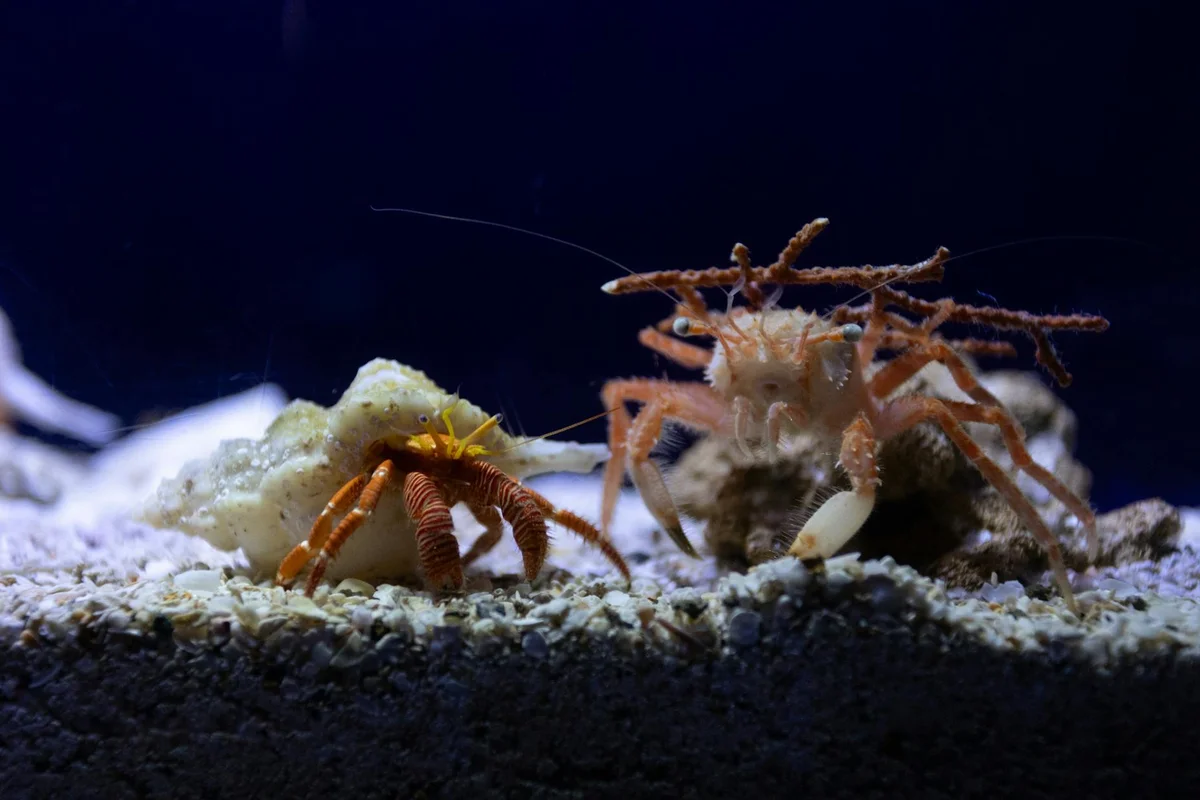
How you interact with your crab and set up their home makes a huge difference in their feeling of security. I learned this the hard way with my curious crab, Hermes. His fast-moving nature meant he was often climbing the tank walls, and one clumsy handling session from me led to a scary fall. Proper handling is your first line of defense against accidental injury, which is a form of predation from their perspective. When it’s time for a shell change, following a safe-handling and shell-change guide can help you support Hermes through the process. It offers practical steps to assist your hermit crab calmly and securely.
Mastering the Art of Safe Handling
Always handle your crabs close to a soft surface, like a couch or a bed, or simply do it over their tank substrate. This prevents fatal falls from table height. My method is simple and effective.
- Let the crab initiate contact. Place your flat hand in the tank and wait.
- Gently scoop them up from underneath, supporting their shell.
- Never pull on a crab who has retreated into its shell. Be patient.
- Keep handling sessions short, under five minutes, to minimize stress.
My crab Zeus is assertive and will sometimes pinch if he feels threatened. I respect his space and handle him less frequently than the others. Reading your crab’s body language is a skill that directly protects them from harm.
Creating a Sanctuary with Enrichment
A bored crab is a stressed crab, and stress makes them vulnerable. Your tank shouldn’t be a bare box; it should be a complex habitat that mimics the safety of their natural environment.
- Multiple Hides: Provide at least two hides per crab. I use half-coconut shells, reptile caves, and even PVC pipe elbows buried in the substrate.
- Climbing Structures: Cholla wood, grapewood, and reptile hammocks give them vertical space to explore safely, satisfying climbers like Hermes.
- Leaf Litter: A layer of dried oak or magnolia leaves on the substrate provides cover for foraging and feels more natural.
- Visual Barriers: Use plants (real or silk) and decorations to break up the line of sight across the tank. This gives shy crabs like Athena safe pathways to move around.
After I added a second coconut hide, I noticed my crabs were far more active during the day, knowing a safe retreat was always just a few steps away. Environmental enrichment is not just for fun; it’s a fundamental anti-predator strategy.
Long-Term Strategies for Ongoing Predator Awareness
Protecting your hermit crabs is not a one-time task. It’s a continuous practice of observation and adaptation. Think of yourself as their lifelong guardian, always on watch. To do this well, document your hermit crab’s health and track changes over time—record molts, activity, appetite, and shell condition. A simple log helps you notice subtle shifts and catch potential problems early.
The Power of Routine Observation
Spend at least ten minutes each day simply watching your crabs. Don’t just glance—really observe. This is how you learn their normal patterns and can spot the slightest change. I keep a small notebook by the tank. These observations form part of a complete pattern-recognition guide on normal vs abnormal hermit crab behaviors. By noting daily variations, you learn to distinguish typical changes from potential red flags.
- Note who is active and when.
- Watch for changes in eating or drinking habits.
- Check for any signs of surface molting, which leaves them incredibly vulnerable.
- Observe shell-inspection behavior; a crab desperate for a new shell is stressed.
This routine helped me realize Apollo was spending too much time under the heat lamp. A simple adjustment to the lamp’s position created a better temperature gradient for him. Your consistent, quiet observation is the most powerful monitoring tool you have.
Proactive Tank and Household Management
Long-term safety means thinking ahead about potential dangers that aren’t immediately obvious.
- Tank Placement: Keep the tank in a low-traffic area of your home. A quiet room away from sudden noises and vibrations reduces chronic stress.
- Secure the Lid: A tight-fitting, locking screen lid is non-negotiable. It keeps crabs in and other pets, like cats, out.
- Respect the Molt: When a crab buries itself, do not dig it up. Disturbing a molting crab is the ultimate predator attack from their point of view. I mark the area with a small, harmless chopstick to remind myself and others to avoid that spot.
- Maintain Humidity and Heat: Stable environmental conditions prevent illness and keep their exoskeletons strong, making them more resilient.
I learned this last point with Poseidon. His love for digging was initially a mystery until I realized he was testing the substrate’s consistency for a future molt. By anticipating their natural needs, you are effectively building a long-term fortress against the threats they cannot see.
Common Questions
Can I let my hermit crab roam outside with supervision?
Supervised outdoor time is not recommended due to unpredictable environmental threats. Even with you present, birds, sudden temperature changes, or exposure to pesticides can cause immediate harm.
How can I prevent insect infestations in the crabitat?
Beyond daily cleaning, create a defensive perimeter by applying a thin layer of petroleum jelly to the tank’s upper outer walls and stand legs. You can also use bait traps designed for ants and roaches in the room, placed well away from the tank itself.
Is it safe to introduce my hermit crab to my other household pets?
Direct introductions should always be avoided, as they are incredibly stressful for the crab and can trigger a pet’s prey drive. The safest interaction is a visual one, with the crab secure in its locked enclosure and other pets observed from a distance. Be aware that hermit crabs can be territorial and may show aggression when guarding shells or habitat zones. Handling them can trigger defensive behavior, so prioritize observing their territory rather than frequent handling.
In Closing
Ultimately, a safe hermit crab is a supervised one, whether they are exploring outside their tank or secure within their well-maintained habitat. Your consistent vigilance is the single most effective tool you have to protect your pets from harm. By creating a secure environment and understanding the risks, you provide the peaceful, stress-free life every crab deserves. When children are involved, ensure supervised hermit crab handling is gentle to protect both the crab and young handlers. Teach kids to wash hands before and after handling, and to avoid squeezing or grabbing.
Further Reading & Sources
- Hermit crab – Seattle Aquarium
- Hermit Crab Animal Facts – A-Z Animals
- List of Hermit Crab Predators | Pets on Mom.com
The Crab Central is your ultimate resource for hermit crab enthusiasts, providing expert advice and practical tips to ensure the health and happiness of your shelled companions. With years of experience in crustacean care, we are dedicated to offering accurate, up-to-date information to support your hermit crab journey. Our mission is to foster a community of responsible hermit crab owners who are passionate about the well-being of these fascinating creatures.
Preventative Care