
What Causes Bad Odors in Hermit Crab Tanks
Published on: January 11, 2026 | Last Updated: January 11, 2026
Written By: The Crab Guru
That persistent foul smell coming from your hermit crab habitat isn’t just unpleasant-it’s a message from your crabs about their living conditions.
After caring for my five hermit crabs for years, I’ve learned to decode these odor signals and transform smelly tanks into fresh, healthy environments.
Remember: a healthy crab habitat should smell like the ocean breeze, not a garbage can.
We’ll explore common hygiene mistakes, identify health warning signs, and share practical cleaning solutions to keep your tank odor-free and your crabs thriving. Additionally, we’ll walk you through a safe, step-by-step shell-cleaning guide. This helps keep shells clean without stressing your crabs.
Common Causes of Unpleasant Hermit Crab Tank Odors
That funky smell wafting from your crabitat is a message you need to decode. In my years of caring for my crew, I’ve learned that bad odors are almost always a sign that something in their environment is out of balance. The primary culprits are usually a trio of troublemakers working together.
Uneaten food is a huge offender. Hermit crabs are messy eaters, and they often drag morsels into corners or bury them. I once had my crab, Apollo, stash a piece of fish in a damp corner for days; the resulting smell was potent enough to make my eyes water. This decaying food, combined with their waste, creates a breeding ground for bacteria and mold. This bacterial growth is the true source of that sour, rotten-egg smell that can suddenly appear. That’s why proper hermit crab food storage matters: it helps keep their diet fresh and safe. Store dry foods in airtight containers and remove uneaten leftovers promptly.
Substrate issues are another major cause. I learned this the hard way with my crab, Hermes. The substrate in his enclosure became too wet and compacted, leading to an ammonia spike I could smell from across the room. When waste and food particles get trapped in soggy substrate, they can’t dry out or decompose properly, creating a toxic, smelly swamp. An ammonia smell is a serious red flag that your substrate needs immediate attention.
- Poor Water Quality: Stagnant, dirty water in both the freshwater and saltwater pools becomes a soup of bacteria and waste.
- Insufficient Ventilation: A tight-fitting lid with no airflow traps humidity and odors, creating a stagnant, smelly environment.
- Dirty Shells: Crabs will sometimes use their shells as a bathroom. An unwashed spare shell or the one a crab is currently wearing can harbor surprising odors.
How to Identify Specific Odor Sources in Your Habitat
Don’t just guess where the smell is coming from. A systematic, step-by-step inspection is the fastest way to find and fix the problem. I do a quick “sniff test” whenever I notice an off smell, and it almost always leads me right to the source.
Start with the easiest spots to check and clean. Here is my personal process:
- Check the Food Dish First: Remove the dish and inspect underneath it. Gently sift through the food for any hidden, rotting pieces. My crab Zeus is notorious for hiding bits of food under his dish.
- Inspect the Water Pools: Look for film, cloudiness, or food particles in the water. Smell the water directly. A foul smell means it’s time for a change.
- Spot-Check the Substrate: Gently run your fingers through the top layer of substrate near food and water dishes. Look for discolored patches or hidden food caches.
- Examine Hides and Decor: Pick up huts, caves, and climbing toys. Smell them and check for any visible mold or waste stuck to them.
To help you pinpoint the issue, use this quick checklist to spot the visual clues that accompany bad smells.
| What You See | What It Might Mean |
|---|---|
| Fuzzy white, green, or black patches | Mold growth from excess moisture and organic debris. |
| A slimy, translucent film on surfaces or in water | Biofilm, a bacterial colony feeding on waste. |
| Dark, damp, clumped substrate | Decaying matter trapped below the surface, often causing ammonia. |
| Tiny flies (fungus gnats) hovering | Decomposing food or waste is present. |
My most surprising find was a smell coming from a seemingly clean corner of the tank. After a thorough search, I discovered that my calm crab, Athena, had chosen a quiet spot under her favorite fake plant to consistently relieve herself. The odor had slowly seeped into the surrounding substrate. Sometimes the source is a specific, repeated behavior happening in a hidden location, so be persistent in your search.
Immediate Steps to Eliminate Bad Tank Smells
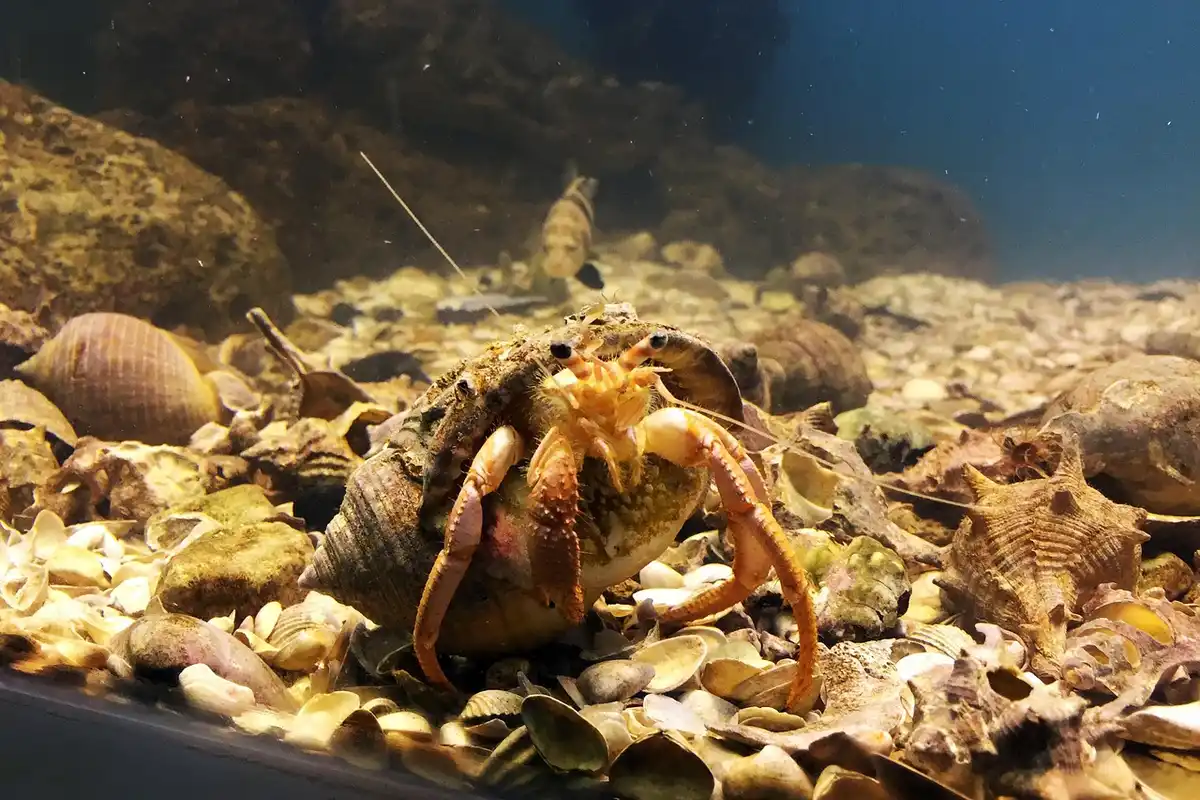
When a foul odor suddenly hits you from your crab’s home, you need to act fast. This emergency cleaning protocol has never failed me and gets the environment back to a healthy state for your pets.
-
Remove Food and Surface Waste
Put on gloves and carefully take out any old food, molting exoskeletons, or visible waste you can see on the substrate’s surface. My crab Zeus is a messy eater, so I always find old food bits near his favorite log.
-
Perform a Partial Water Change
Dump out and scrub both the freshwater and saltwater pools with a clean, dedicated sponge and hot water. No soap. Refill them with dechlorinated water and properly mixed marine salt for the saltwater pool. Stagnant, dirty water is a prime culprit for that swampy smell and can make your crabs sick, so ensure you’re using the correct saltwater mixture.
-
Spot-Clean the Substrate
Gently sift through the top layer of sand or substrate with a small aquarium scoop or a spoon. Look for buried food, droppings, or, most critically, any deceased crab. I do this weekly for my curious crab Hermes, who likes to stash food. It’s important to handle deceased hermit crabs properly when you find them.
-
Wipe Down Walls and Decor
Use a clean cloth or paper towel moistened with a 50/50 mix of dechlorinated water and distilled white vinegar. Wipe the inside glass, plastic plants, and climbing toys. Vinegar is a natural disinfectant that breaks down grime without leaving harmful chemical residues behind. Rinse everything with dechlorinated water afterward.
Setting Up an Effective Tank Maintenance Routine
A consistent routine stops odors before they start. Prevention is always easier and less stressful for your crabs than a major emergency clean.
-
Daily Tasks
Check and remove uneaten food every evening. Inspect the water dishes to ensure they are clean and full. A quick visual scan for any obvious problems takes less than two minutes.
-
Weekly Tasks
Scrub and refill both water pools. Do a thorough spot-clean of the substrate, paying extra attention to corners and under hides. Give the glass a quick wipe. That fits into a complete maintenance schedule for hermit crab tanks. Regular weekly and spot-clean routines help keep the habitat healthy and stress-free. I do my weekly clean every Sunday—it keeps my weekend schedule predictable for me and my crabs.
-
Monthly Tasks
Stir and fluff the entire substrate bed to aerate it and prevent anaerobic bacteria pockets from forming. Deep-clean all decor and climbing structures. Check and clean the tank lid and any filters if you use them.
My personal rhythm involves a light daily check, a dedicated hour on Sundays for weekly chores, and a more involved session on the first of each month. This consistent schedule has kept my tank smelling like a clean beach for years, and my crabs, especially Apollo, show their health through their active, curious behaviors. Stirring the substrate is a non-negotiable step; it prevents the damp, rotten egg smell that can develop in compacted sand.
Choosing the Right Substrate and Equipment for Odor Control
Getting the foundation of your tank right is the single most impactful step you can take to stop odors before they start. The substrate you choose acts as your first line of defense, directly managing the waste and moisture that cause smells. I’ve tested nearly every combination in my years of keeping crabs.
Substrate Showdown: Coconut Fiber vs. Sand
- Coconut Fiber (Eco-Earth): This is my personal go-to for my crabs like Apollo and Athena. It’s a champion at absorbing moisture and neutralizing odors. Its fluffy texture is perfect for burrowing and molding, which my crabs adore. The trade-off is that it can compact over time, creating anaerobic pockets if not stirred regularly.
- Play Sand: Sand provides excellent drainage and is less likely to develop those funky trapped odors. My crab Poseidon, who loves to dig, thrives in a sand mix. You must use play sand from a hardware store, never silica or calcium-based sands, as they can be harmful. Sand can feel heavier and doesn’t hold burrow shapes as well for larger species.
My winning formula, after much trial and error, is a 5:1 mix of play sand and coconut fiber. This gives you the drainage of sand with the odor-fighting moisture retention of fiber. It creates a stable, diggable environment that resists souring.
Your Odor-Fighting Equipment Arsenal
The right tools make maintenance a breeze and keep the air fresh for both you and your pets.
- Carbon Filters: If you use an under-tank heater, a small, thin carbon filter pad placed between the heater and the glass tank bottom can help absorb any chemical odors from plastic or heated surfaces. It’s a simple trick that makes a noticeable difference.
- Aeration: Stagnant, humid air is a recipe for mildew. I keep my tank in a well-ventilated room and occasionally run a small, quiet desktop fan in the room (not directly on the tank) to promote air circulation. This prevents that “stuffy basement” smell from ever taking hold.
- Humidity Control: This is non-negotiable. A reliable digital hygrometer is your best friend. I aim for a steady 70-80% humidity. Consistent humidity prevents substrate from drying out and becoming dusty or from becoming a soaked, stinking bog. I use a combination of misting with dechlorinated water and a properly sized water pool to maintain this balance naturally.
Long-Term Strategies for a Fresh and Healthy Crab Habitat
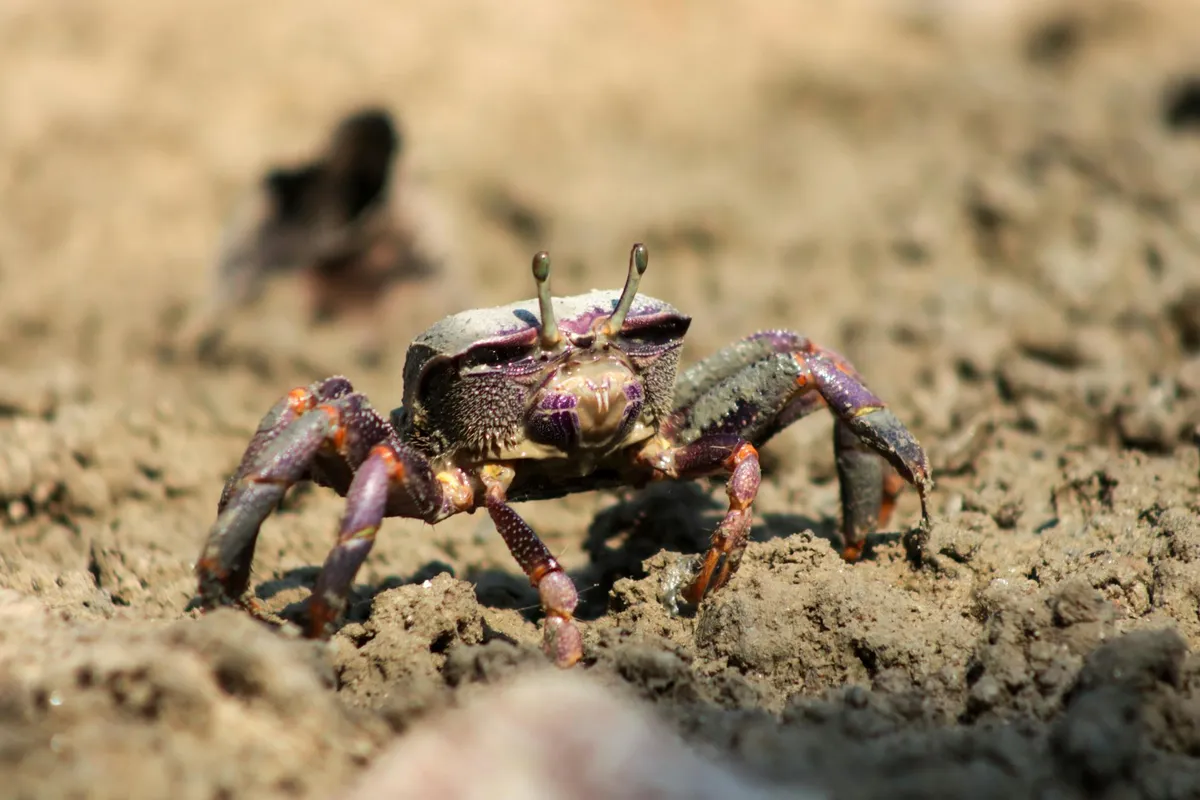
Managing odors is not about frantic cleaning; it’s about building a stable, self-regulating ecosystem. Prevention is everything.
-
Focus on Prevention Through Diet and Space
What your crabs eat directly affects their waste. I offer my crew a high-quality commercial diet supplemented with fresh, low-mold foods like unsweetened coconut and eggshell. Overfeeding is a major odor culprit; any uneaten food must be removed within 24 hours. A larger tank is always a cleaner tank. More space dilutes waste and gives you more stable environmental conditions. My five crabs live in a 40-gallon tank, which gives them room to roam and makes my job much easier. -
Master Temperature and Humidity Balance
These two factors are the heartbeat of your tank. Fluctuations stress your crabs and disrupt the tank’s microbiome, leading to odors. I keep my tank at a steady 78-82°F with an overhead heat lamp and under-tank heater combo. The humidity stays locked in with a solid glass or plexiglass lid. This stable “tropical pocket” encourages healthy bacterial activity that breaks down waste efficiently instead of letting it rot. That stable humidity also supports hermit crab health during molting, helping crabs shed more smoothly. Low humidity can lead to molting problems and increased stress. When Zeus was in a smaller tank with poor lid, the humidity swung wildly, and the tank always had a faint, sour smell. Stabilizing his environment fixed it completely. -
Lessons from Years of Odor-Free Crab Keeping
The biggest lesson I’ve learned is to listen to the tank. A slight smell is your first warning sign. It tells you the substrate needs stirring, a food bowl needs cleaning, or the humidity is off. I do a deep-clean and full substrate change only once or twice a year. Frequent full cleanings destroy the beneficial bacteria and do more harm than good. Instead, I spot-clean daily and do a partial substrate change every few months. This routine, combined with the right setup, has kept my crabs’ home smelling like nothing but clean, earthy forest floor for years. These habits also highlight the common hermit crab habitat mistakes to avoid. By avoiding things like improper substrate, wrong humidity, and overcleaning, you can prevent odors and keep hermit crabs thriving.
Common Questions
How often should I completely replace the substrate in my hermit crab tank?
Full substrate changes are only necessary once or twice a year to maintain a stable, healthy environment. Between full changes, regular spot-cleaning and partial substrate changes help keep the substrate conditions optimal for hermit crab health. Frequent full replacements can disrupt beneficial bacteria and stress your crabs, so rely on regular spot-cleaning and partial changes instead.
Can the type of food I offer affect how quickly odors develop?
Yes, high-protein or moist foods can decompose faster and produce stronger smells than dry, low-mold options. Always remove any uneaten food within 24 hours to prevent bacterial growth and keep the tank fresher.
What should I do if a foul odor persists even after thorough cleaning?
This could indicate a hidden issue like a deceased crab, deeply buried waste, or an imbalance in humidity causing mold. Conduct a more detailed inspection of the substrate and decor, and verify that your tank’s ventilation and humidity levels are properly regulated.
Final Thoughts
A smelly habitat is a cry for help from a neglected environment. By tackling the root causes—spoiled food, waste buildup, and bacterial growth—you directly improve your crab’s health and comfort. Stick to a consistent cleaning schedule, monitor food, and always trust your nose; a fresh tank is a cornerstone of a thriving hermit crab home.
Further Reading & Sources
- Crabbing Smells: Is there anything I can do? – HCA: Hermit Crab Association
- Do Hermit Crabs Smell? Expert Answers to Your Questions
- Do Hermit Crabs Smell Bad? – Hermit Crab Pets
The Crab Central is your ultimate resource for hermit crab enthusiasts, providing expert advice and practical tips to ensure the health and happiness of your shelled companions. With years of experience in crustacean care, we are dedicated to offering accurate, up-to-date information to support your hermit crab journey. Our mission is to foster a community of responsible hermit crab owners who are passionate about the well-being of these fascinating creatures.
Cleaning the Tank