
What Do Hermit Crab Color Changes Mean? Health Indicator Guide
Published on: January 26, 2026 | Last Updated: January 26, 2026
Written By: The Crab Guru
Seeing your hermit crab’s shell or body shift in color can spark both wonder and worry.
After caring for my five crabs for years, like fast-moving Hermes and food-guarding Zeus, I use color changes to gauge their health and will show you how.
Monitor any sudden darkening or lightening closely, as it often reveals their immediate state.
This guide will break down common color shifts, explain what they signal about health, and give you actionable steps to support your crab.
Understanding Normal vs. Concerning Hermit Crab Color Changes
Natural Color Variations Across Species
Just like dog breeds have different coats, hermit crab species have their own natural color palettes. My Caribbean crabs, Hermes and Poseidon, sport vibrant reds and oranges, while my Ecuadorian, Apollo, has a more subdued, earthy tone. Your crab’s baseline color is completely dependent on its species, so the first step is knowing what’s normal for your specific crab. For a quick reference, use a visual guide to identify different hermit crab species by color patterns and body shapes. A Strawberry Hermit Crab like my Athena is supposed to be a deep, reddish color; on her, that’s healthy, but on another species, it could be a red flag.
When Color Changes Signal Health Issues
Not every shift in hue is a reason to panic, but some absolutely warrant a closer look. The key is to observe the context of the change.
Sudden vs. Gradual Color Shifts
A gradual lightening or darkening over weeks can be part of a natural cycle, often related to molting. A sudden, dramatic change-like a crab turning pale almost overnight-is almost always a sign that something is wrong. I once noticed one of my crabs looked washed-out and dull in a matter of days, which turned out to be a water quality issue we quickly corrected.
Color Changes Paired With Behavior Changes
Color never tells the whole story by itself. You must watch what your crab is doing. Is a fading crab also lethargic and not eating? Is a darkening crab hiding constantly and refusing to move? When a strange new color appears alongside unusual behavior, that’s your cue to start serious troubleshooting. My crab Zeus will darken slightly when he’s post-molt, but he’s also active and hungry, which tells me he’s just recovering, not sick.
Common Causes of Hermit Crab Color Changes
Molting-Related Color Changes
Molting is the most common reason for a complete color overhaul, and it’s a beautiful process to witness. Their exoskeleton is literally regenerating underneath the old one.
Pre-Molt Color Indicators
In the weeks leading up to a molt, you might notice your crab’s color becoming ashy, greyish, or overall dull. This pre-molt greying is a perfectly normal sign that your crab is preparing for its big underground transformation. My crab Apollo always looks a bit faded and loses the shiny polish on his big claw before he disappears to molt.
Post-Molt Recovery Color Patterns
When a crab first emerges from its molt, it will often look incredibly pale, almost ghost-like. Don’t be alarmed by this initial pallor; their new exoskeleton is still soft and needs time to harden and pigment. Within a few days to a week, you’ll see their vibrant color return, often more brilliant than before. Athena’s reds are always stunningly bright after a successful molt.
Diet-Influenced Coloration
You truly are what you eat, and this is spectacularly true for hermit crabs. The pigments in their food, called carotenoids, directly influence the intensity of their red, orange, and yellow tones. I make a point to feed my crew foods like grated carrots, fresh spinach, and a bit of paprika, and I swear it keeps their colors rich. A diet lacking variety can lead to a faded, less vibrant crab over time. To put this into practice, a complete hermit crab diet feeding guide offers balanced, step-by-step feeding plans. It translates color-focused tips into workable daily routines.
Stress-Induced Color Changes
Hermit crabs are sensitive creatures, and stress can manifest as a literal fading of their colors.
Environmental Stress Signals
If your tank is too dry, too cold, or too bright, your crabs can become stressed and lose color. A consistently pale crab can be a clear cry for help regarding its habitat conditions, particularly the water and moisture levels. I noticed Poseidon was looking washed out until I realized his favorite digging spot had dried out; increasing the humidity brought his color back.
Social Stress Indicators
Bullying or overcrowding in the tank is a major stressor. A submissive crab that is constantly being chased away from food or shells may become faded. Watch for color loss in a crab that is also being antisocial or seems skittish around tank mates. Providing multiple food dishes, water pools, and plenty of hiding spots can mitigate this social stress and help everyone keep their color. In a well-managed colony, regular checks on crab numbers, shell availability, and territory layout help prevent fights and reduce stress across the group. For more information on effective colony management, visit this article.
Reading Specific Color Changes: What Each Hue Means
Pale or Washed-Out Coloration
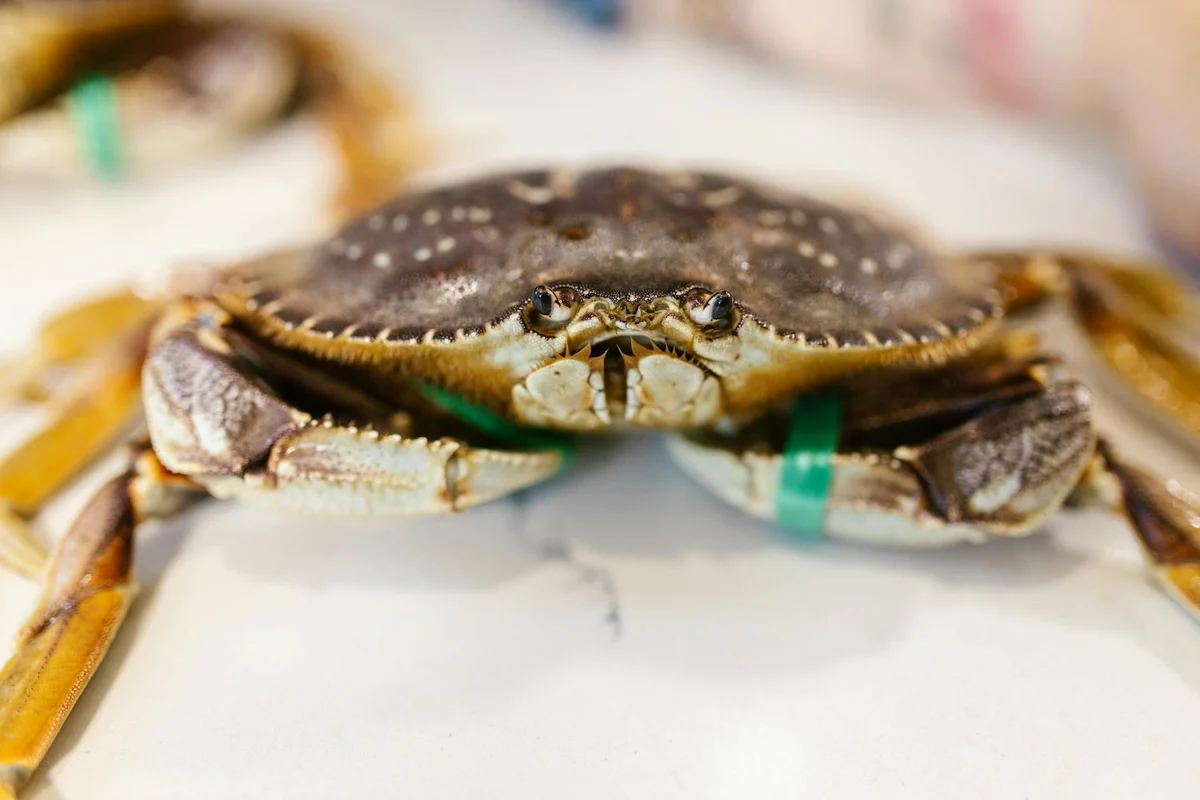
When your crab starts to look faded, like a bright t-shirt that’s been through the wash too many times, it’s a clear signal to pay attention. I first noticed this with Hermes; his normally vibrant reds turned a dull pink. A pale appearance often points directly to two things: your crab is either stressed or its nutritional intake is lacking. Think of it as their version of looking run-down. This can happen after a stressful event, like a tank move, or if their diet is missing key pigments from foods like carrots or red bell peppers.
Dark Spots or Unusual Darkening
Not all darkening is bad-some species naturally darken with age. But sudden, patchy dark spots are a different story. Isolated dark spots, especially ones that look moist or fuzzy, can be a warning sign of a fungal or bacterial infection. I once saw a tiny black spot on one of Apollo’s legs that I initially dismissed, but it spread. It turned out the humidity in his corner of the tank was consistently too high. Consistent darkening all over the body can also mean the crab is preparing for a molt, so context from their behavior is key.
Dull Color vs. Vibrant Color Loss
It’s vital to distinguish between a crab that looks generally dull and one that has lost its specific, vibrant patterns. A dull carapace is often just dirty! Substrate and food can stain their exoskeleton. A truly vibrant crab that suddenly turns a uniform, flat gray is often communicating pre-molt status. My crab Athena loses her brilliant strawberry hues and becomes a muted, chalky color every single time she’s about to dig down. This is a natural and expected color change, not a cause for panic.
Red Flags: Concerning Color Patterns
Some color changes demand immediate action. A blue or blue-black discoloration, particularly on the abdomen or legs, is a major red flag. Any blue or blackish hue on the body, especially if accompanied by a foul smell, can indicate a severe bacterial infection that needs swift intervention. Likewise, a whitish, chalky film that doesn’t wipe off is likely a shell rot fungus. These are not changes to wait out; they are clear cries for help from your pet.
Step-by-Step Health Assessment When Colors Change
Immediate Environment Check
Your first move should always be to investigate the habitat. Color changes are often the first symptom of an environmental problem. Your crab’s tank is its entire world, and small imbalances there show up on their bodies first. Don’t just glance-really dig in and assess the fundamentals. Common hermit crab habitat mistakes are easy to miss, but they’re avoidable with a careful check of the setup. Focus on humidity, temperature, substrate, and tank cleanliness to prevent them.
Water Quality Parameters to Test
Bad water is a prime suspect. Hermit crabs use modified gills to breathe and must have access to both fresh and salt water to maintain their health. This is part of a hydration water conditioning guide for hermit crabs, helping you keep their water safe and properly balanced for daily hydration. It covers safe mixing, testing, and routine water changes.
- Chlorine/Chloramines: These are toxic. You must use a dechlorinator for both water pools.
- Salinity: For the saltwater pool, use marine salt mix, not table salt. Aim for a specific gravity of 1.023-1.025.
- Ammonia/Nitrites: In an established tank, these should always be zero. Any reading is a problem.
Temperature and Humidity Assessment
These two factors are inseparable. I use two digital thermometer/hygrometer units, one at each end of the tank.
- Temperature: Should be consistently between 75° and 85° F. Zeus gets visibly agitated and dark if his spot drops below 75°.
- Humidity: Must be 70% to 80%. Low humidity suffocates their gills, causing stress and paleness. A sealed tank lid and daily misting are non-negotiable.
Behavior Observation Checklist
Color is one piece of the puzzle; behavior is another. Sit and watch your crab for 10-15 minutes.
- Is it active and moving, or lethargic and sitting in one spot?
- Is it eating and drinking normally, or ignoring food?
- Is it interacting with its environment, or sitting partially out of its shell?
- Are the antennae actively exploring, or drooping and still?
A color change paired with a major behavior shift is your strongest indicator that something is wrong. Learn how to recognize abnormal hermit crab behaviors.
Physical Condition Evaluation
If you can do so without causing stress, take a gentle but thorough look at your crab’s body.
- Shell Fit: Is its current shell too small? Can you see its big claw or abdomen protruding?
- Legs and Claws: Check for any missing limbs, lesions, or a limp appearance.
- Body: Look closely for the mites, which appear as tiny, fast-moving specks.
- Smell: A healthy crab has virtually no odor. A foul, rotting smell is a grave emergency.
This hands-off visual inspection can help you rule out physical injury or parasite issues that might be causing the color shift. However, it’s always a good idea to compare these findings with other health indicators before drawing conclusions.
Emergency Color Changes: When to Take Immediate Action
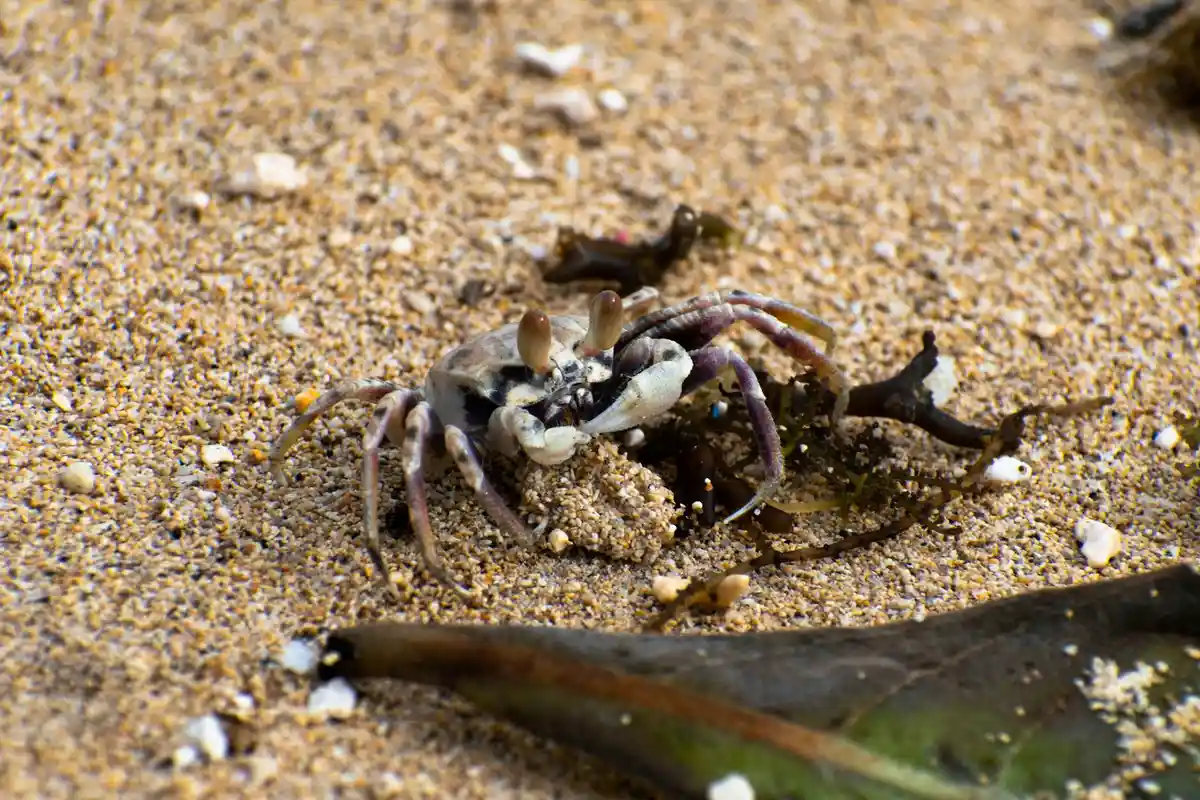
Seeing a sudden, drastic shift in your crab’s color can be a real heart-stopper. This is your crab’s most direct way of signaling that something is seriously wrong. I’ve had a few scares over the years, and learning to act fast made all the difference.
Rapid Color Loss or Extreme Pale Shades
If your crab looks like it was bleached overnight, pay close attention. A gradual lightening can be normal, but a rapid wash-out is not.
- My crab Hermes once turned a concerning, chalky white just before a molt; it was a sign he was severely depleted.
- Extreme paleness can point to nutritional deficiencies, particularly a lack of carotenoids, or severe stress.
- It can also be a sign of impending surface molting, which is a dangerous situation.
Dark Spots With Swelling or Lesions
Any new, dark spot that is raised, mushy, or accompanied by a foul smell is a major red flag.
- These are not part of their natural pattern. Dark spots with swelling often indicate a bacterial or fungal infection.
- I noticed a small, dark, soft spot on one of my rescues; it required isolation and tank cleaning to prevent spread.
- Left untreated, these infections can quickly become life-threatening.
Color Changes Paired With Appetite Loss
A crab that is both changing color and refusing food for more than a couple of days needs your focus.
- This combination strongly suggests systemic illness or extreme stress.
- Your crab is using all its energy to fight off an internal problem, leaving no appetite for eating.
- Monitor closely-this is a sign their energy reserves are dangerously low.
Lethargy and Erratic Activity Patterns
Healthy crabs have distinct rhythms of activity and rest. A crab that is listless during normal active hours, or scrambling erratically, is crying for help.
- Lethargy, especially when combined with poor color, can signal poisoning from contaminated substrate or water.
- Erratic scrambling can mean it is trying to escape an environmental stressor. This behavior is a clear sign your crab is in distress, not just exploring.
Practical Care Steps for Color-Related Health Issues
When you spot a problem, targeted action can turn things around. These are the steps I take based on what has worked for my own colony through various health scares.
Diet Adjustments for Better Coloration
Color starts from the inside out. A vibrant crab is a well-fed crab.
- Immediately introduce more carotenoid-rich foods: natural paprika, shredded carrots, and plankton.
- Offer a high-quality protein source like dried shrimp or mealworms every other day. Protein is the building block for a healthy new exoskeleton after a molt.
- Always provide a cuttlebone for calcium, which is vital for exoskeleton health and color intensity.
Environmental Optimization Techniques
Your tank’s conditions are the foundation of your crab’s health. Small tweaks can have a huge impact.
- Check your humidity levels first; they must be between 70-80%. Low humidity causes stress and poor coloration.
- Ensure you have a deep, moist sand-coconut fiber mix for successful molting. A proper substrate is non-negotiable for their long-term survival and color maintenance.
- Provide both fresh and saltwater pools deep enough for your largest crab to fully submerge.
Stress Reduction Strategies
A stressed crab will never show its true colors. Creating a calm habitat is your top priority.
- Add more hiding places and climbing toys. My crab Athena blossomed when I gave her a quiet, leaf-covered corner.
- Move the tank to a low-traffic area of your home away from loud noises and vibrations.
- Handle your crabs as little as possible, especially when they are showing signs of poor health. Observation is better than interaction.
When to Isolate Your Hermit Crab
Isolation is a tough but sometimes necessary decision to protect the sick crab and the rest of your colony.
- I isolate a crab immediately if I see signs of infection (like those dark spots) to prevent it from spreading.
- Isolate if a crab is being bullied relentlessly, which causes extreme stress and color loss.
- You must set up a separate “hospital tank” with all the same environmental requirements as the main tank. A bare tank is not a solution.
Species-Specific Color Change Patterns
Not all color changes mean the same thing across different species. What looks alarming in one type of crab might be completely normal for another. I’ve learned this firsthand by caring for my diverse little group.
Caribbean Hermit Crab Color Norms
My Caribbeans, Hermes and Zeus, show the most dramatic shifts. Their exoskeletons can range from a deep, almost blackish purple to a vibrant reddish-orange. This species is known for its wide and often rapid color palette changes, which are usually tied to their diet and recent molts. A sudden ashy or very pale gray tone, however, is a red flag I watch for, as it wasn’t normal for my crabs and signaled stress once.
Ecuadorian Hermit Crab Color Traits
My crab Apollo is an Ecuadorian, and his color shifts are more subtle. He typically maintains a consistent deep brown or tan base color. For Ecuadorians, look for bright, vibrant reds or oranges on their legs and claws, as this is a fantastic sign of a healthy, carotenoid-rich diet. Dullness or a washed-out, pale appearance is my cue to check his habitat conditions and food intake.
Strawberry Hermit Crab Unique Patterns
My calm Athena is a Strawberry hermit crab, prized for her stunning colors. She naturally has a brilliant red exoskeleton with white spots, like a strawberry. The key indicator for Strawberries is the intensity of their red hue and the clarity of their white spots. When Athena’s color faded to a pinkish-brown before a molt, I knew it was part of her cycle. A persistent dull or muddy color, though, can point to nutritional deficits.
Monitoring and Recording Color Changes Over Time
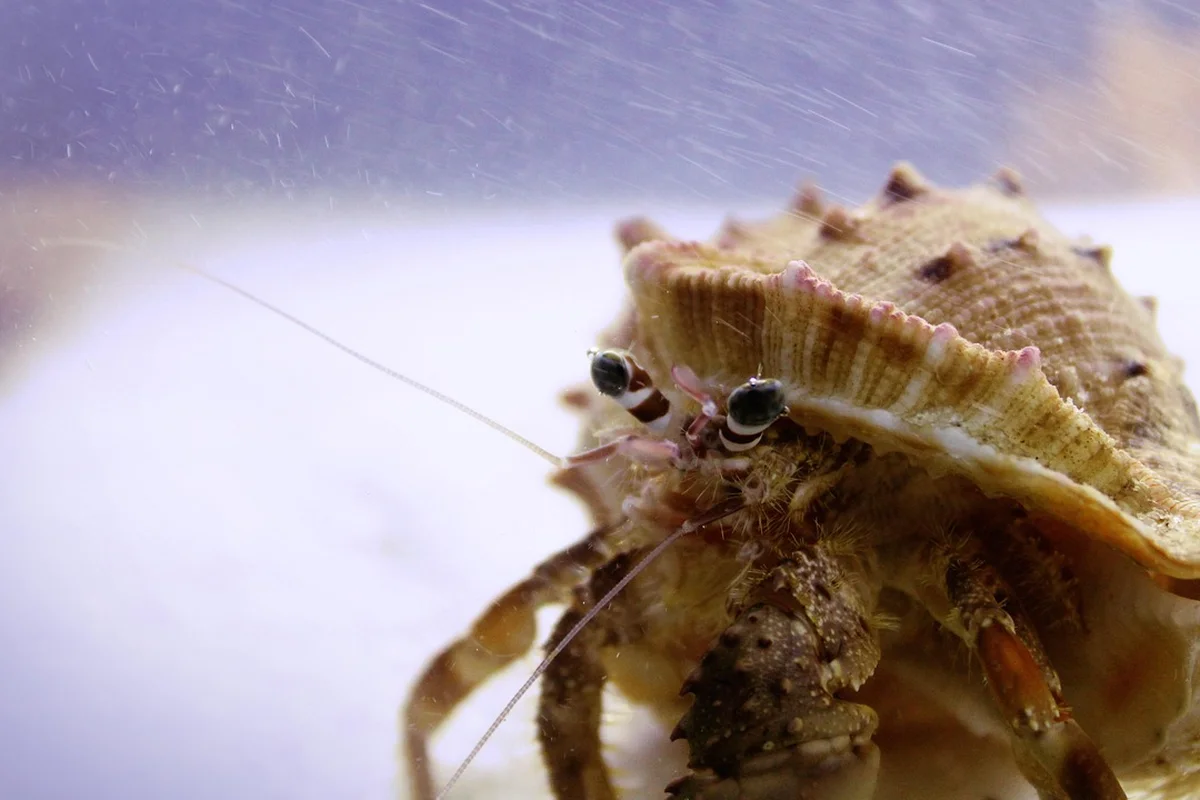
Spotting a single odd color is one thing; understanding the story behind it is another. Keeping a simple log has been the single most helpful tool for me to distinguish between a simple molt and a potential health crisis.
Creating a Health Journal
You don’t need anything fancy. I use a basic notebook and my phone’s camera.
- Take a clear photo of each crab weekly.
- Note the date and a brief description of their color.
- Record their activity level and appetite.
- Jot down any recent changes to their diet or tank.
This journal creates a baseline of what “normal” looks like for each of your individual crabs. When Poseidon recently looked a bit off, I could look back and see he had the same slight graying right before his last successful molt, which immediately eased my worry.
Tracking Recovery Color Progression
If a crab becomes ill or stressed and its color fades, the return of vibrancy is a slow and steady process. Watch for a gradual deepening of color, not an instant switch. After my crab Zeus had a rough molt, I noted in his log that his claw slowly turned from a pale gray to a faint pink, then finally back to his signature deep purple over three weeks. This progression confirmed he was absorbing the right nutrients and healing well.
When Normal Color Returns
The return of your crab’s signature color is a cause for relief. A full return to their species-typical, vibrant color is one of the best confirmations that your care regimen is working. For my Strawberry crab, Athena, it meant her brilliant red and crisp white spots were back. For my Ecuadorian, Apollo, it was the reappearance of those fiery orange highlights on his legs. This is your signal that the immediate health concern has passed, but you should continue with the supportive care that helped them recover.
FAQs
Is a color change in my hermit crab always a cause for concern?
No, many color shifts are natural, such as those related to molting cycles or dietary intake. However, sudden or extreme changes paired with unusual behavior often signal health problems that need addressing.
How can I prevent my hermit crab from fading in color?
Maintain optimal tank conditions with proper humidity and temperature to reduce stress-induced fading. Additionally, offer a varied diet rich in carotenoids from foods like carrots and leafy greens to support vibrant coloration.
What does it mean if my hermit crab’s color doesn’t return after molting?
Delayed color return can indicate nutritional deficiencies or ongoing stress hindering exoskeleton development. Review their habitat and diet, and ensure they have access to calcium sources to aid in recovery and pigment restoration.
Your Hermit Crab’s True Colors
A hermit crab’s color is a direct window into its world. While some shifts are a normal part of molting, a persistent dull, ashy, or gray appearance is your clearest signal that its habitat or diet needs your immediate attention. By providing a rich, varied diet, proper salt and fresh water, and ideal humidity, you empower your crab to display its most vibrant, healthy self. Humidity plays a crucial role in successful molts; stable humidity helps the exoskeleton soften and reduces molting stress. Monitoring humidity is essential for hermit crab health during molting.
Further Reading & Sources
- r/hermitcrabs on Reddit: Crab losing/changing color
- crabs changing color? – HCA: Hermit Crab Association
- Is there a healthy color? » Hermit Crab Paradise
The Crab Central is your ultimate resource for hermit crab enthusiasts, providing expert advice and practical tips to ensure the health and happiness of your shelled companions. With years of experience in crustacean care, we are dedicated to offering accurate, up-to-date information to support your hermit crab journey. Our mission is to foster a community of responsible hermit crab owners who are passionate about the well-being of these fascinating creatures.
Signs of Illness