Why Is My Hermit Crab Not Eating? Solving Appetite Problems
Watching your hermit crab ignore its food dish can be a worrying experience for any pet owner.
With five crabs of my own, from curious Hermes to calm Athena, I’ve learned to troubleshoot their eating habits through years of hands-on care.
Before you panic, try offering a tiny piece of fresh fruit like mango-this simple switch can sometimes reveal a picky eater.
We’ll explore common causes like stress from a recent move, incorrect tank conditions, unsuitable food, and how to spot more serious health issues.
Observing Your Hermit Crab’s Behavior and Signs
When your hermit crab stops eating, the first step is to watch their daily actions closely. I learned this early on with Hermes, my curious Caribbean crab, who normally darts to food but once stayed hidden for days, signaling something was off. Pay attention to small changes in activity, as these can reveal underlying issues before they worsen. If you spot signs of stress, adjust their habitat and monitor temperature and humidity. Knowing how to tell if your hermit crab is stressed helps you decide what to do next.
- Inactivity or lethargy, like sitting in one spot for hours without movement.
- Increased hiding, such as burrowing deep into substrate or avoiding open areas.
- Changes in shell interaction, like frequent shell switches or refusing to leave their shell.
- Reduced exploration; for example, Apollo, my Ecuadorian crab, usually roams his tank but will retreat when unwell.
- Lack of interest in favorite foods or treats they typically devour.
From my experience, Hermes’s fast-moving nature makes any slowdown a red flag, while Apollo’s love for basking means if he avoids the heat lamp, I check his appetite immediately. Tracking these behaviors helps you spot patterns and act quickly to support their health.
Common Causes of Hermit Crab Appetite Loss
Molting Cycles and Appetite Changes
Molting is a natural process where hermit crabs shed their exoskeleton to grow, and it often causes a complete loss of appetite. I’ve seen this with Athena, my calm Strawberry crab, who stops eating weeks before molting to conserve energy. During pre-molt, crabs may fast to prepare for the energy-intensive shedding phase.
- They become less active and spend more time buried in moist substrate.
- You might notice a duller exoskeleton or cloudy eyes as signs of impending molt.
- Food avoidance increases, and they may drink more water to soften their old shell.
- After molting, they often eat their shed exoskeleton for nutrients, so provide a quiet space.
With Zeus, my dominant Caribbean crab, I once mistook his pre-molt hiding for illness, but he emerged healthy after a month. Recognizing these steps early prevents unnecessary worry and ensures you don’t disturb their delicate process.
Habitat Issues: Temperature and Humidity Imbalances
Hermit crabs rely on stable environments to thrive, and imbalances can shut down their appetite fast. Poseidon, who loves digging in moist sand, taught me that dry conditions make him refuse meals entirely. Maintain a temperature of 75-85°F and humidity levels between 70-80% for optimal health. These figures reflect the ideal temperature-humidity range for a hermit crab habitat. Keeping within this range helps support appetite, activity, and shell health.
- Symptoms of low humidity include lethargy, dry gills, and reduced digging behavior.
- High temperatures can cause overheating, leading to hiding and food avoidance.
- Cold environments slow metabolism, making crabs too sluggish to eat.
- Use a digital hygrometer and heat lamp to monitor conditions daily.
I adjust misting routines based on Poseidon’s habits; if his sand feels dry, I know humidity is off. Consistent habitat checks are non-negotiable for keeping your crab’s appetite on track. Humidity directly influences hermit crab health and molting. Steady moisture helps shells shed smoothly and reduces stress during molts.
Stress Factors from Environment or Tank Mates
Stress is a major appetite killer, often triggered by tank issues or social conflicts. Zeus’s assertive nature means he guards food spots, which can intimidate shyer crabs like Athena into not eating. Overcrowding, loud noises, or frequent handling can elevate stress levels rapidly.
- Ensure enough space-provide at least 5 gallons per crab to prevent crowding.
- Offer multiple hiding spots and shells to reduce competition and disputes.
- Keep the tank in a low-traffic area to minimize disturbances from vibrations or lights.
- Observe interactions; if one crab dominates resources, separate feeding areas might help.
After adding more shells and rearranging the tank, I saw Athena return to her calm, eating routine. Creating a peaceful environment encourages natural behaviors and restores their desire to feed.
Diet and Nutrition Deficiencies
A boring or unbalanced diet can lead to appetite loss, as hermit crabs need variety to stay interested. Apollo’s shell collecting habit reminds me to rotate foods like he does with shells, keeping meals exciting. Include a mix of proteins, fruits, vegetables, and calcium sources to meet their nutritional needs. You can find more ideas and tips in our complete hermit crab diet and feeding guide.
- Fresh fruits like mango or apple provide natural sugars and vitamins.
- Vegetables such as spinach or carrot offer fiber and minerals.
- Protein sources include dried shrimp or mealworms for growth and energy.
- Calcium supplements, like crushed eggshells or cuttlebone, support shell health.
- Avoid salty or processed foods, which can dehydrate and harm them.
I switch up Apollo’s diet weekly, and his enthusiasm for new tastes keeps him coming back for more. Offering diverse, fresh options prevents boredom and ensures they get essential nutrients for overall well-being.
Dehydration and Water Quality Problems
Dehydration can quickly cause appetite loss, as hermit crabs use water to digest food and maintain gill function. Poseidon’s soaking habits highlight how crucial clean water is-if his dish is dirty, he avoids it and stops eating. Always provide treated, chlorine-free water in shallow dishes for easy access and ensure it’s safe and properly conditioned.
- Symptoms of dehydration include sunken eyes, lethargy, and dry, flaky skin.
- Change water daily to prevent bacterial growth and contamination.
- Use dechlorinator drops to make tap water safe for drinking and soaking.
- Include both fresh and saltwater dishes, as some crabs prefer one over the other.
I check Poseidon’s water dish every morning, and a quick refill often revives his interest in food. Clean, accessible water is a simple fix that can make a huge difference in your crab’s eating habits. Hydration is essential for hermit crabs. I keep fresh water easy to reach for drinking and soaking.
Immediate Steps to Stimulate Appetite
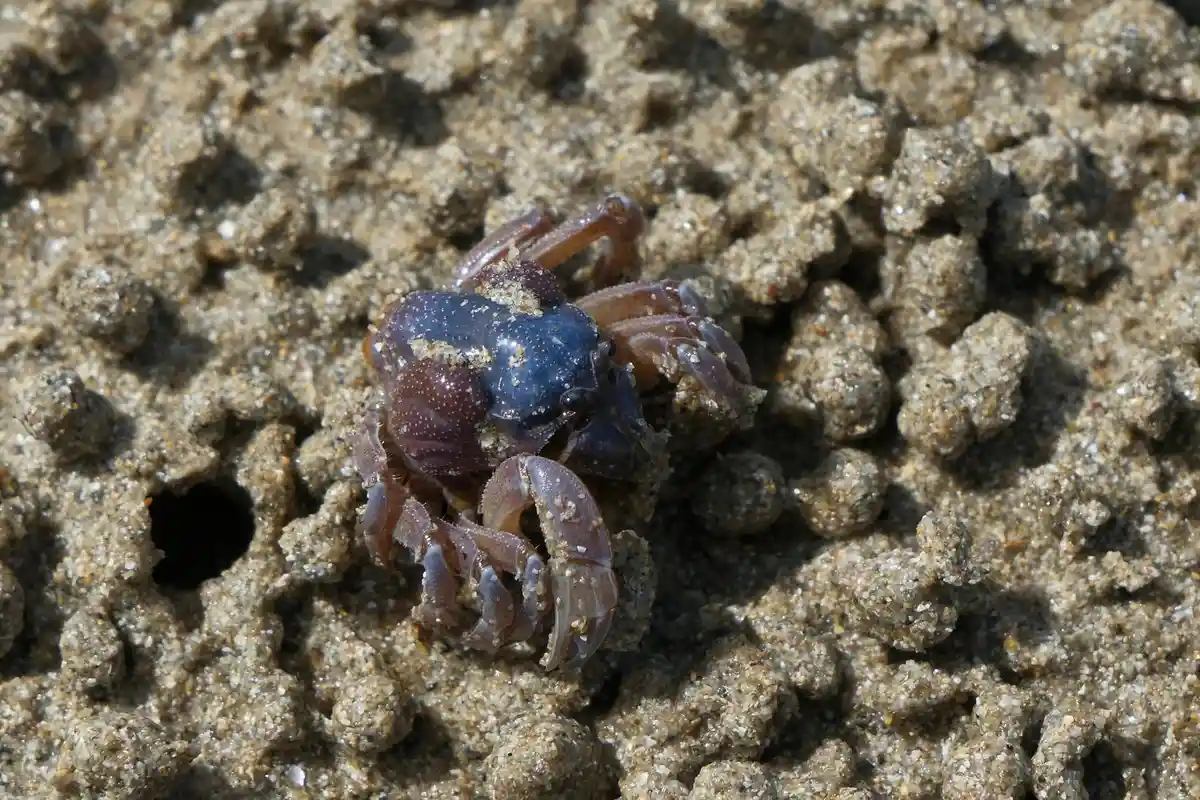
When one of my crabs goes off their food, I don’t panic. I start with these simple, effective actions that have worked time and again in my own crabitat.
- Check and Adjust Temperature and Humidity Immediately. Your crab’s metabolism is directly tied to its environment. Use your gauges and make quick adjustments with a misting bottle or by tweaking your heat source.
- Offer a “Junk Food” Bribe. Just like us, hermit crabs have favorite treats. I’ve found that a tiny piece of organic, unsweetened coconut or a single crushed, unsalted peanut can spark curiosity and get them to the food dish.
- Perform a Quick Habitat Clean-Up. Remove any old food and spot-clean the substrate. A dirty tank can be a major turn-off and a health hazard.
- Try a Personal Trick: The Elevated Feeding Plate. When Hermes was being particularly finicky, I placed his favorite dried shrimp on a flat seashell and put it near his favorite climbing branch. The novel presentation and location were enough to pique his interest and get him munching.
- Provide a Fresh, Shallow Dish of Dechlorinated Water and Saltwater. Proper hydration is key to appetite. Ensure both water pools are clean and easily accessible.
Long-Term Solutions for Healthy Eating Habits
Optimizing Enclosure Conditions
Consistency is everything for a hermit crab’s well-being and appetite. Managing a multi-crab tank has taught me that even small, sustained fluctuations can cause long-term eating issues. That includes nailing the right portions and feeding frequency—how much to feed and how often. My guide breaks down exact portion sizes and schedules to keep their appetite steady.
| Crab Type | Ideal Temperature | Ideal Humidity |
|---|---|---|
| Caribbean (Purple Pincher) | 75-85°F | 70-80% |
| Ecuadorian | 80-85°F | 80%+ |
| Strawberry | 80-85°F | 70-80% |
My biggest lesson was investing in a reliable digital hygrometer and thermometer combo, which gives a far more accurate reading than the cheap analog dials. I check it twice a day to ensure my crew’s home stays in the perfect range.
Enhancing Diet with Variety and Supplements
A boring diet leads to a bored crab who won’t eat. I follow a simple weekly rotation to keep things exciting and nutritious for my crabs.
- Staple Diet: A high-quality commercial hermit crab pellet or crushed mix.
- Protein Days (2-3 times a week): Offer dried shrimp, bloodworms, or a tiny piece of unseasoned cooked chicken or fish.
- Fresh Produce Days (2 times a week): Small bits of mango, apple, sweet potato, or leafy greens.
- Calcium-Rich Foods (Always available):
- Cuttlebone (this is a must-have)
- Crushed, sterilized eggshells
- Oyster shell
- Vitamin Supplements: I lightly dust their food with a reptile-grade calcium powder with D3 twice a month. This simple supplement routine has virtually eliminated any shell issues in my tank.
Reducing Stress Through Enrichment and Space
Stress is a silent appetite killer. A cramped, barren tank is a recipe for a hungry, hidden crab.
I focus on creating a crab playground. I added more climbing branches, fake vines, and a backdrop on one side of the tank to make them feel more secure. These climbing enrichment structures are part of providing engaging activities for hermit crabs. They help stimulate natural behaviors and exercise. Providing multiple hiding spots, like half-coco huts and extra shells, gives shy crabs like Athena the confidence to come out and eat when they feel safe.
After I doubled the amount of cholla wood and cork bark in the tank, I noticed a significant change. Athena, who used to wait until the dead of night to eat, started venturing to the food dish during the quieter evening hours. Enrichment directly builds confidence, and a confident crab is a hungry crab.
When to Seek Professional Veterinary Care
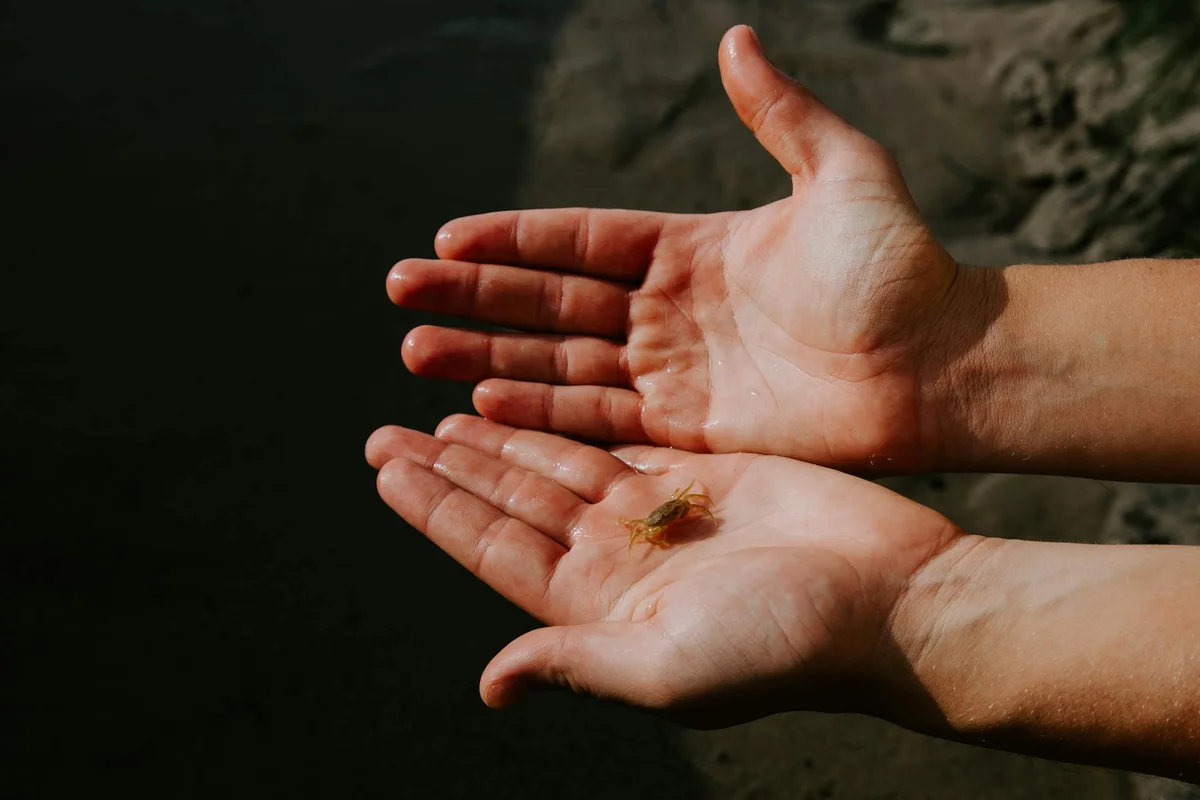
While many appetite issues can be solved at home, some situations demand a professional opinion. Your hermit crab’s life can depend on you recognizing the signs that home care is no longer enough. Finding an exotic vet who treats invertebrates can be a challenge, but it is a non-negotiable part of responsible ownership.
- Prolonged Refusal to Eat: If your crab has not touched any food, not even a favorite treat like shrimp or honey, for over a week and is also inactive, it is time to call a vet.
- Visible Parasites: Tiny mites crawling on your crab or in the habitat are a major red flag. I once spotted these on Apollo’s shell; an immediate vet visit and a full tank deep-clean were necessary to resolve it.
- Noticeable Weight Loss or a Limp Body: A crab that feels light and hollow when you gently pick it up, or whose body hangs loosely from its shell, is in a critical state.
- Foul, Unmistakable Odor: This often indicates a bacterial infection or, tragically, that the crab has passed away inside its shell.
- Surface Molting: Finding your crab molting out in the open is an extreme emergency. They are incredibly vulnerable and can easily be attacked by tank mates or succumb to stress.
Preventing Appetite Problems in Hermit Crabs
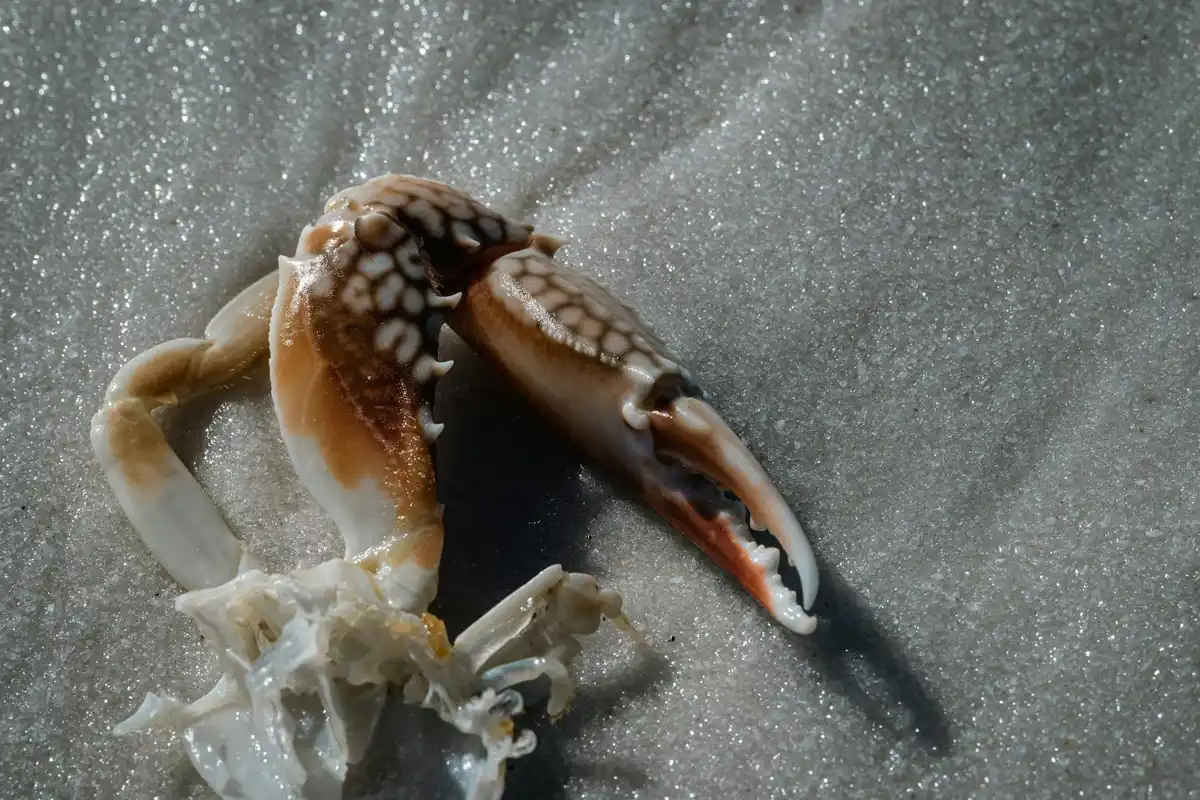
The best way to deal with a crab that won’t eat is to stop the problem before it starts. Proactive, consistent care is the single most powerful tool you have to ensure a long, healthy life for your crabs. After years of caring for my crew, I have a simple checklist I follow to keep them thriving.
- Conduct Daily Habitat Spot-Checks: Every morning, I quickly glance at the temperature and humidity gauges, scan for uneaten food, and ensure the water bowls are full and clean.
- Provide a Balanced, Rotating Diet: I never feed the same food two days in a row. Their meals cycle through proteins (shrimp, mealworms), fruits (mango, coconut), vegetables (sweet potato, leafy greens), and calcium sources (cuttlebone, crushed eggshell).
- Perform Weekly Deep Habitat Inspections: Once a week, I check that the substrate is sand-castle consistent, inspect all hides and climbing structures for mold, and test the heater and hygrometer for accuracy.
- Become an Expert Observer: I know that Athena prefers to eat late at night and that Zeus will always drag his favorite piece of food to a specific corner. Noticing these small changes in routine is your first clue that something might be off.
- Quarantine New Arrivals: Any new crab spends a minimum of 30 days in a separate enclosure. This prevents the spread of potential illness or mites to your established colony, a lesson I learned the hard way.
- Offer a Wide Variety of Shells: A crab preparing to molt or simply uncomfortable in its current shell will often stop eating. I keep a large selection of natural, appropriately-sized turbo shells in the tank at all times.
Common Questions
How long is it normal for a hermit crab to stop eating?
A temporary loss of appetite for a few days can be normal, especially during periods of stress or pre-molt. However, if your crab refuses all food, including favorite treats, for over a week, it is time to investigate potential health or habitat issues more closely.
What is the absolute best food to try if my hermit crab won’t eat?
Offer a tiny piece of fresh, sweet fruit like mango or a bit of organic, unsweetened coconut, as these are often irresistible. You can also try a high-value protein like a single dried shrimp to spark their interest and stimulate their appetite.
How can I tell the difference between a molting crab and a sick one?
A crab preparing to molt will often bury itself and may appear lethargic but should not emit a foul odor. A sick crab is more likely to be listless on the surface, may have a visibly limp body, and could produce a noticeable, unpleasant smell.
Your Next Steps
When your hermit crab stops eating, patience is your most important tool. Focus first on creating a stable, stress-free environment with proper heat and humidity, as this is almost always the root of the problem. I’ve seen this with my own crabs, like Apollo, who would ignore food for days if his tank conditions were even slightly off. Hermit crabs typically eat small amounts daily or every other day, so offer a little at a time and remove any leftovers after a few hours. Offer a diverse, high-quality menu and give them space, trusting that a healthy crab in a proper setup will eat when ready.
Further Reading & Sources
- r/hermitcrabs on Reddit: Help! New hermit crabs not eating
- Crab not eating » Hermit Crab Paradise
- Why Is My Hermit Crab Not Eating? Expert Answers & Solutions
The Crab Central is your ultimate resource for hermit crab enthusiasts, providing expert advice and practical tips to ensure the health and happiness of your shelled companions. With years of experience in crustacean care, we are dedicated to offering accurate, up-to-date information to support your hermit crab journey. Our mission is to foster a community of responsible hermit crab owners who are passionate about the well-being of these fascinating creatures.
Signs of Illness