
Mixing Substrate in Hermit Crab Tanks: A Safe How-To Guide
Are you considering blending different substrate types in your hermit crab enclosure? This is a smart question that many owners ponder.
With five hermit crabs of my own, like the adventurous Hermes and the digging enthusiast Poseidon, I have personally tested various substrate mixes to create healthy, engaging habitats.
A balanced substrate mix can dramatically improve your crabs’ ability to burrow and molt successfully.
We will dive into the benefits of a mixed substrate, the best materials to combine, a simple setup process, and critical mistakes to avoid for your crab’s safety. We’ll also cover how to create a perfect habitat for molting hermit crabs, focusing on proper humidity, temperature, and safe shelter to support healthy molts.
Why Mix Substrates for Hermit Crabs?
Using a single type of substrate often leads to problems that a simple blend can easily solve. A mixed substrate creates a more natural and functional environment that directly supports your crab’s health and happiness. Make sure to regularly maintain your hermit crab substrate for optimal health.
- Improved Moisture Retention: A sand-only base can dry out on the surface while becoming a concrete-like block at the bottom. I mix in coconut coir to create a substrate that holds moisture evenly. This prevents the dry pockets that frustrate crabs like Hermes when he tries to dig.
- Better Burrowing Support: Hermit crabs need a substrate that can hold the shape of their tunnels for molting. Sterilized sand provides structure, while coconut coir adds a binding quality. I watched my crab Apollo successfully create a complex, stable burrow in a 5:1 sand-to-coir mix, something he could never manage in pure sand.
- Enhanced Humidity Control: The right substrate mix acts like a humidity battery for your tank. It absorbs moisture from the air and releases it slowly, maintaining the stable, tropical conditions crabs like Athena need to breathe properly.
- Prevents Substrate Compaction: A single-substrate tank, especially one that’s too wet, can become hard and impenetrable. This is dangerous for a molting crab. Mixing in fibrous materials like coir keeps the substrate loose and aerated, allowing for easy digging and preventing dangerous collapses.
Types of Substrates Suitable for Mixing
Not all substrates are created equal, and knowing which ones work well together is the key to a successful habitat. I’ve tested these combinations with my own colony for years.
- Sterilized Play Sand: This is the backbone of most good mixes. It’s affordable, heavy, and provides the excellent structure crabs need for digging. Play sand makes up about 70-80% of my own tank’s substrate blend.
- Coconut Coir (Eco-Earth): This is my go-to moisture manager. It comes in compact bricks you hydrate yourself. Coir holds an incredible amount of water without feeling soggy and helps bind the sand to create those perfect, tunnel-ready walls.
- Sphagnum Peat Moss: Similar to coir, peat moss is fantastic for acidity and moisture retention. I use it sparingly, as it can sometimes be too effective at holding water and lead to overly damp conditions if not monitored.
- Calcium-Based Substrates (Crushed Oyster Shell, Cuttlebone Grit): I always mix a handful of these into my substrate. They slowly release calcium into the environment, which crabs can ingest while digging. This is especially beneficial for strengthening exoskeletons post-molt.
You should avoid substrates that are prone to molding or contain chemicals. Steer clear of untreated beach sand, soil with fertilizers, and any wood chips or mulch that can rot quickly in a humid environment. I learned this lesson early on when a bag of decorative mulch led to a frustrating mold outbreak in a small isolation tank.
How to Mix Substrates: A Step-by-Step Guide
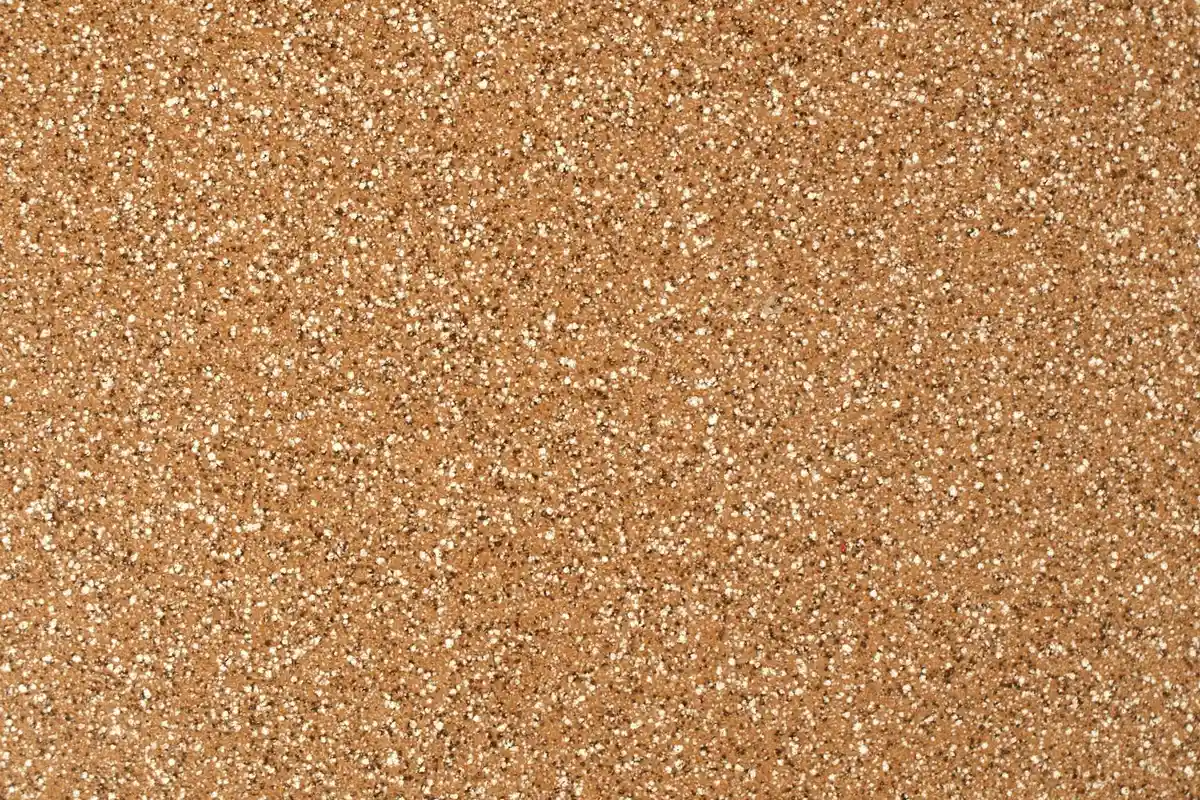
Mixing your own substrate is like baking a cake for your crabs; precision and the right technique give you the best results. I always do this in a large, clean bucket outside the tank to avoid a dusty, messy disaster inside the habitat. It’s an essential step when setting up a hermit crab habitat.
Step 1: Measure Your Ingredients
Start with dry, clean substrates. I use a simple plastic cup as my measuring tool for consistency. Decide on your ratio first (we’ll cover that next) and measure out the sand and coconut coir accordingly. For a standard 10-gallon tank starter mix, I might use 8 cups of playsand to 2 cups of coir.
Step 2: Combine and Mix in a Separate Container
Dump your measured sand and dry coconut coir brick pieces into your mixing bucket. The key here is to start dry. Use your hands to crumble the coir brick and toss the substrates together until you see an even color distribution, with no large patches of pure sand or coir. I find a small garden trowel works wonders for breaking up clumps.
Step 3: Add Water Gradually
This is the most critical part for getting the right consistency. Slowly add dechlorinated freshwater. Mix thoroughly after each small addition, aiming for a ‘sandcastle’ consistency that holds its shape when squeezed but doesn’t drip water. My crab Poseidon, who loves to dig, taught me that if it’s too wet, it becomes a muddy trap, and if it’s too dry, his tunnels collapse. Hydration is essential for hermit crabs, so getting the substrate moisture just right is crucial for their health.
Step 4: Add the Mix to Your Tank
Once your mix is perfectly damp, you can add it to your tank. I gently pack it down as I go to eliminate large air pockets, creating a stable base for your crabs to burrow into safely. Aim for a depth of at least 6 inches, or three times the height of your largest crab. This is a key step in the essential guide to raising hermit crab pets. Following these substrate tips helps keep your hermit crabs healthy and stress-free.
Ideal Substrate Ratios and Combinations
Not all substrate mixes are created equal, and your crab’s species plays a huge role in what will work best. Through trial and error with my own crew, I’ve landed on a few trusted blends that cater to different needs. The best substrate is one your crabs will actively prepare and burrow into, which varies by species. Watch how they interact with the mix and adjust moisture and texture accordingly.
The Standard All-Purpose Mix
This is my go-to for my Caribbean crabs like Hermes and Zeus.
- Ratio: 5 parts playsand to 1 part coconut coir.
- Why it works: The sand provides structure for stable molting caves, while the coir holds just enough moisture to maintain humidity without waterlogging.
The High-Humidity Blend
I use this for my Ecuadorian crab, Apollo, who thrives in a more tropical environment.
- Ratio: 4 parts playsand to 1 part coconut coir.
- Why it works: The higher coir content acts like a sponge, releasing moisture slowly to keep humidity levels consistently high, which is perfect for species that are more prone to desiccation.
The Extra-Stable Molting Mix
For my larger crabs or when I notice pre-molt behavior, I make this blend.
- Ratio: 6 parts playsand to 1 part coconut coir.
- Why it works: This creates a denser, more compact substrate that is far less likely to collapse. This is the mix I used when my big crab Zeus successfully molted without any cave-ins.
Your tank’s conditions are your best guide. If you see condensation constantly on the glass, your mix might be too wet and need less coir. If the substrate surface is always bone dry, a bit more coir can help balance things out for your burrowing friends.
Common Mistakes and How to Avoid Them
Creating the perfect substrate blend seems straightforward, but a few small oversights can create big problems for your crabs. I’ve learned these lessons the hard way, so you don’t have to. Here are the most common pitfalls and how to sidestep them. In fact, understanding how substrate influences hermit crab digestion and nutrition can be the difference between thriving and stressed crabs. These science-backed factors guide better feeding and habitat choices.
Improper Moisture Levels
This is the number one issue I see. A soggy, swampy tank floor is a recipe for bacterial blooms and shell rot, while a bone-dry one prevents proper molting.
- Pitfall: Spraying the surface of a sand-and-soil mix, which only wets the top layer and leaves the bottom dry.
- Solution: Mix your water directly into the substrate before adding it to the tank. Grab a handful and squeeze; it should hold its shape without dripping water.
Using Contaminated Materials
Not all substrates from the garden center are safe. I once nearly used a bag of potting soil that contained hidden pesticides.
- Pitfall: Assuming all-natural products are automatically crab-safe.
- Solution: Always pre-sterilize natural materials like soil, sand, and moss by baking them in the oven at 200°F (93°C) for 20-30 minutes. This kills any mold spores or pests.
Wrong Substrate Depth
My crab Apollo taught me this lesson when he attempted to molt in a corner with only two inches of substrate. It was a stressful time for both of us.
- Pitfall: Creating uneven depths that are too shallow for your largest crab to bury itself completely.
- Solution: Your substrate must be at least three times as deep as your largest hermit crab, or a minimum of 6 inches. Measure this in the deepest part of the tank, not just an average.
Ignoring Early Signs of Mold
A white, fuzzy patch might seem harmless, but it can spread quickly. I spotted this in Zeus’s corner where food debris was often left.
- Pitfall: Waiting too long to address small mold outbreaks.
- Solution: Monitor the tank daily. At the first sign of mold, remove the affected section immediately and increase ventilation slightly to reduce surface moisture.
Maintaining Mixed Substrate Over Time
Your work isn’t done once the substrate is in the tank. A healthy habitat requires consistent, simple upkeep. Regular, small maintenance tasks prevent a major, disruptive tank overhaul later.
Routine Daily and Weekly Checks
I do a quick visual scan every morning when I feed them and a more thorough check once a week.
- Humidity: Ensure your hygrometer is accurate. Glass condensation is a good sign, but puddles are not.
- Mold Prevention: Remove uneaten food within 24 hours. Stir the top layer of substrate gently with a spoon to aerate it and prevent compact, damp pockets.
- Substrate Compaction: Gently fluff the substrate surface weekly. This prevents it from becoming a hard, impenetrable brick that crabs can’t dig through.
When and How to Clean the Substrate
You don’t need to replace all the substrate often, which is stressful for your crabs.
- Spot-Cleaning: Do this daily or every other day. Use a small scoop or spoon to remove any visible waste, old food, or moldy patches.
- Full Replacement: A complete substrate change is only necessary once or twice a year, or if there is a severe mite or mold infestation you cannot control. Never do a full change if a crab is buried and molting.
Long-Term Care Tips from Experience
After years of caring for my crew, I’ve picked up a few rhythms that keep their home stable.
- Seasonal Adjustments: In the drier winter months, I find my mixed substrate holds moisture better. I add less water during mixing and rely more on my humidifier. In the humid summer, I might fluff the substrate more often to increase evaporation.
- The “Reserve” Bag: I always keep a sealed bag of my pre-mixed, sterilized substrate blend in a closet. This is a lifesaver for emergency spot-cleaning or if I need to quickly deepen an area for a crab that looks ready to molt.
- Listen to Your Crabs: Poseidon loves to dig. If he stops, I know the substrate is too compacted and needs a good fluffing. Their behavior is your best maintenance guide.
Personal Insights from Hermit Crab Substrate Mixing
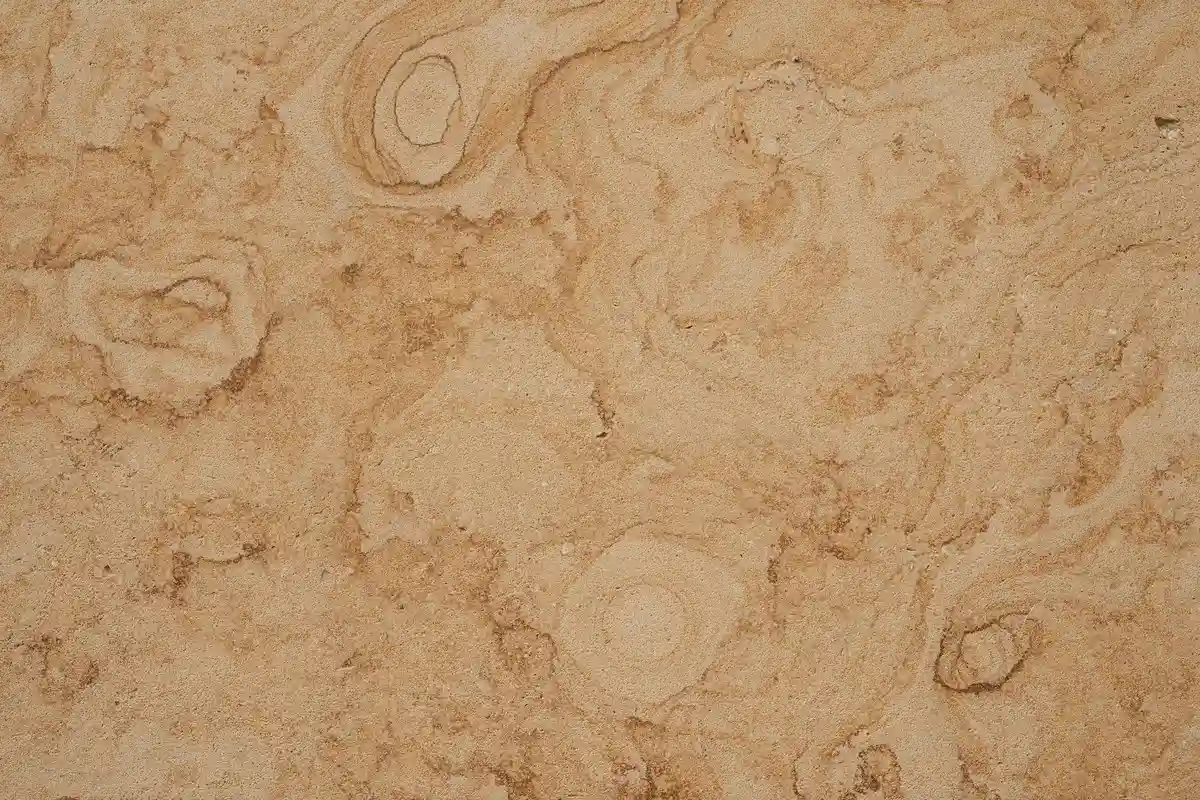
Watching my five crabs interact with different substrate blends has been incredibly revealing. Hermes, my curious Caribbean crab, immediately started tunneling and creating intricate passageways in a 5:1 play sand to coconut fiber mix. This specific ratio holds its shape perfectly for caves, something a single substrate type never accomplished for me. This suggests hermit crab enrichment goes beyond basic toys—diverse substrates and foraging challenges foster natural behaviors. I’ll keep testing different mixes and habitat features to boost their enrichment.
- I learned that texture variety directly encourages natural foraging and digging instincts. Apollo, who loves to bask, will often partially bury himself in a cooler, moist pocket of pure coconut fiber next to his heat lamp. Athena, my shy Strawberry, seeks out the purest, deepest sand to start her molting process, feeling secure in its stability.
- Your primary goal must always be to replicate a safe, enriching slice of their natural habitat. This is a core part of responsible pet ownership. Choosing substrates free of chemicals, dyes, or sharp edges is a non-negotiable aspect of hermit crab welfare. I never use calcium sand or gravel, as these can cause impaction or injury.
- The most significant success I’ve seen is with molting. After switching to a blended substrate that was at least 8 inches deep, my crabs have had much safer and more successful molts. Zeus, my largest crab, completed a flawless molt in a humid hide I made with a deeper section of moist sand and eco-earth, emerging stronger and more vibrant. Poseidon’s digging happiness increased tenfold when he had both damp sand for structure and softer fiber for comfort.
Common Questions
Can I use decorative sand or colored substrates in the mix?
Avoid decorative or colored sands as they often contain dyes and chemicals that can be harmful to hermit crabs. Stick to natural, sterilized materials like play sand and coconut coir to ensure a safe and healthy environment, especially when combined with safe wood for hermit crab habitats.
What is the best way to store unused substrate materials?
Store dry substrate materials in sealed containers in a cool, dry place to prevent moisture absorption and pest contamination. For pre-mixed blends, use an airtight bag and aim to use them within a few months to avoid degradation or mold growth.
How can I tell if the substrate is holding too much moisture over time?
Look for signs like constant condensation on the tank glass or a musty odor, which indicate excess moisture. Adjust by fluffing the substrate surface and reducing misting to restore proper humidity levels and prevent mold.
Final Thoughts on Substrate Blending
You absolutely can mix different substrate types, and I find a combination of play sand and coconut fiber to be the most effective for my own crabs’ health and happiness. The goal is to create a stable, deep base that holds its shape for safe molting while providing a proper humidity gradient. When it comes to hermit crab substrate mixing, matching the blend to your setup often yields the best results. Stick with a safe 5:1 ratio, ensure the overall depth is sufficient, and your hermit crabs will have a fantastic foundation for all their digging and burrowing needs.
Further Reading & Sources
- Crabitat: Substrate – Products, Mixing, Maintaining & Problems – HCA: Hermit Crab Association
- SUBSTRATE MIXING + HEATING + HUMIDTY QUESTIONS! – HCA: Hermit Crab Association
- r/hermitcrabs on Reddit: What substrate should I use for my hermit crabs
The Crab Central is your ultimate resource for hermit crab enthusiasts, providing expert advice and practical tips to ensure the health and happiness of your shelled companions. With years of experience in crustacean care, we are dedicated to offering accurate, up-to-date information to support your hermit crab journey. Our mission is to foster a community of responsible hermit crab owners who are passionate about the well-being of these fascinating creatures.
Substrate Types