How Hermit Crab Anatomy Shapes Their Care and Colony Size
Published on: July 15, 2026 | Last Updated: July 15, 2026
Written By: The Crab Guru
Have you ever wondered why your hermit crab needs so many extra shells or why a crowded tank can lead to trouble?
As a long-time keeper of my five crabs-Hermes, Apollo, Athena, Zeus, and Poseidon-I’ve learned their unique bodies dictate nearly every aspect of their care.
Providing a variety of empty shells is the single most impactful thing you can do for their wellbeing.
We will explore their fascinating anatomy, connect it directly to their daily care needs, and reveal how it determines the ideal size for a peaceful colony.
Core Hermit Crab Body Parts and Their Functions
To properly care for your hermit crabs, you need to understand their unique build. Unlike true crabs, which have a hard, rounded abdomen, a hermit crab’s most defining feature is its soft, twisted abdomen, called a pleon. This vulnerable, spiraled body part is why they desperately need empty shells for protection.
Their body is divided into two main sections: the hard, front carapace that houses their head and thorax, and the soft, exposed pleon they tuck into a shell. This fundamental difference from true crabs dictates nearly every aspect of their care.
Anchoring and Mobility
At the very tip of their pleon, you’ll find the uropods and a central telson. These small appendages work like a living grappling hook, allowing the crab to anchor itself deep inside its chosen shell. A strong anchor is a sign of a happy, secure crab. My crab Apollo uses his to test shells, gripping tightly before committing to a swap.
Their legs are specialized tools. The larger front claws, or chelipeds, are multi-purpose. The major cheliped is a shield to block the shell entrance, while the smaller one is for fine motor skills like feeding. The two pairs of walking legs are for mobility, but the smaller rear legs are crucial for bracing inside the shell and for the female to hold her eggs. I often see Hermes using his walking legs to scale decorations with surprising speed.
Sensing the World
Hermit crabs experience their world through sophisticated sensors. These basics are a quick hermit crab anatomy 101 to help you understand your pet’s body. Knowing what each part does can guide how you care for them.
- Antennae: These are the long feelers used for touch and taste, helping them navigate and identify food.
- Antennules: These are shorter, inner feelers primarily used for smell, a key sense for locating meals.
- Eyestalks: Their compound eyes sit on movable stalks, giving them a wide field of vision to spot predators and opportunities. I notice Athena’s eyestalks constantly moving, taking in everything from her quiet corner.
How the Exoskeleton and Molt Cycle Dictate Care Routines
Your hermit crab’s exoskeleton is its skeleton on the outside. This rigid shell provides excellent protection but cannot grow, which makes the molting process-shedding the old exoskeleton-absolutely necessary for their growth and survival. A crab that cannot molt successfully will not live.
The Molting Process
Molting is a stressful and dangerous time. The process follows a clear pattern:
- Pre-molt: The crab becomes lethargic, may dig extensively, and eats its exoskeleton to recycle minerals. You’ll see my crab Poseidon disappear into the moist substrate for days, preparing.
- Molting: The crab sheds its old exoskeleton, revealing a soft, new one underneath. During this phase, they are incredibly vulnerable.
- Post-molt: The crab remains hidden while its new exoskeleton hardens. It will consume the old exoskeleton (exuviae) to regain vital nutrients. Never remove the exuviae; it is a critical food source for their recovery.
Creating a Safe Molting Environment
Your tank setup is the single biggest factor in successful molts. To support their natural digging behavior, you must provide a deep substrate.
- The substrate should be a mix of play sand and coconut fiber.
- It must be at least 6 inches deep, or three times the height of your largest crab.
- The substrate must be “sand-castle consistency”-moist enough to hold a tunnel’s shape without pooling water.
My crab Athena, a larger Strawberry crab, regularly molts for over two months. Without this deep, secure environment, she would not survive this lengthy process.
Isolating a molting crab is a vital step to prevent cannibalism from tank mates. Other crabs are attracted to the smell of a soft, vulnerable crab and will see it as food. If you can safely identify a crab that is digging down to molt, moving it to an isolation tank is a strong welfare practice. I’ve had to do this with Zeus, as his assertive nature makes him a risk to others during their vulnerable time.
Respiratory and Hydration Systems: Setting Up the Ideal Habitat
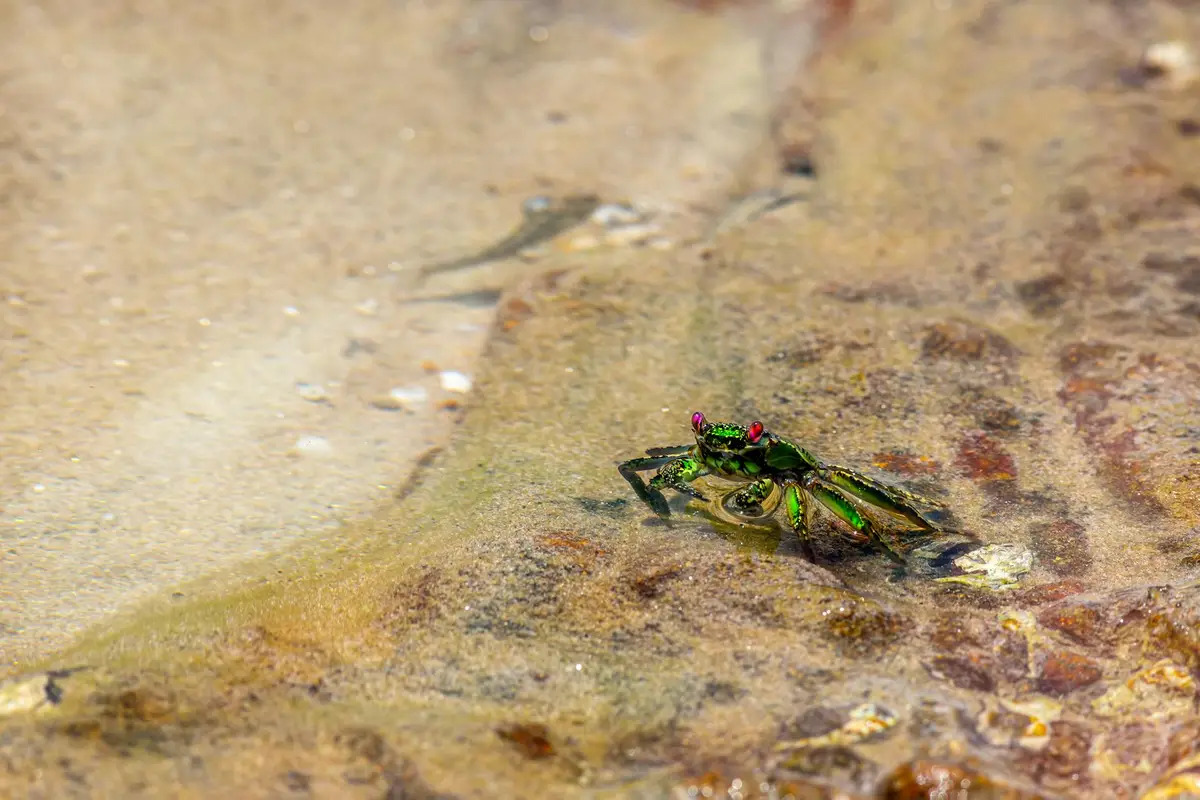
Hermit crabs possess modified gills, a piece of anatomy that dictates nearly every aspect of their habitat setup. These gills must be kept moist to extract oxygen from the air, meaning low humidity literally suffocates them. This system also handles osmoregulation, the balance of salts and water in their bodies, which is why proper hydration is a matter of life and death. Understanding the water and moisture needs for a healthy hermit crab is essential for any hermit crab owner.
You must provide two separate water pools: one of fresh water and one of marine-grade saltwater. Your crabs will drink from both and use them to regulate the water content and salinity inside their shells, which keeps their abdomen healthy. My crab Poseidon spends hours carefully adjusting his shell water in his private saltwater spa.
Your Habitat Maintenance Checklist
- Use a digital hygrometer to keep humidity between 70% and 80%.
- Maintain a temperature gradient from 75°F to 85°F with an under-tank heater.
- Provide deep, ramped water dishes for easy access to both fresh and saltwater.
- Use a hand mister with dechlorinated water to boost humidity daily.
- Check and refill water pools every single day.
I use a mix of play sand and coconut fiber for my substrate because it holds its shape for tunneling while retaining moisture beautifully. A depth of at least 6 inches, or three times the height of your largest crab, allows for safe molting and natural burrowing behavior. My entire colony, from Apollo to Athena, uses this substrate to dig and de-stress.
I have seen the heartbreaking results of poor hydration in other setups. Crabs with chronically dry gills will slowly become lethargic, may drop limbs, and often die during what should be a routine molt. It is a slow, preventable decline that no owner should ever have to witness.
Shell Dependence and Exchange: Anatomical Drivers of Behavior
A hermit crab’s soft, coiled abdomen is its greatest vulnerability. A properly fitting shell is not a luxury; it is a mobile fortress essential for protecting their delicate body from desiccation and injury. Without it, they are exposed and profoundly stressed. Biology shows that this shell-bearing anatomy supports longevity by reducing water loss and injury. This link between anatomy and lifespan helps explain how hermit crabs endure variable habitats.
Shell-exchange behavior is a fascinating and critical part of colony life. When a crab finds a new shell, it will often try it on, and if it doesn’t fit, it will wait nearby, attracting other crabs to form a orderly “swap line.” This cooperative behavior significantly reduces aggression, as crabs are not always fighting over a single prized shell. In a single tank with many crabs, these swap-line dynamics help coordinate access to limited shells and reduce conflicts. This is a prime example of hermit crab social dynamics in managing multiple crabs in one enclosure.
Guidelines for Offering Shells
- Provide at least 3-5 extra shells per crab, in a variety of shapes and sizes.
- Include shells slightly larger and slightly smaller than their current one.
- Favor natural shells like turbo, oyster drill, and babylonia shells with round, D-shaped openings.
- Avoid painted or varnished shells, as the coatings can be toxic.
- Scatter shells throughout the habitat, not just in one pile.
My crab Zeus is large and assertive, and I have seen him guard a pile of excellent shells he had no intention of using. We manage this by ensuring there is such an abundance of high-quality shells that he cannot possibly monopolize them all. This strategy has turned potential fights into casual browsing sessions.
Providing a massive and varied shell shop is the single best thing you can do to prevent stress and physical harm in your colony. From a colony-management perspective, ample shell choices prevent fights and reduce stress across the group. When crabs can opt for new shells without conflict, the colony stays calmer and healthier. Watching your crabs try on new shells with excited curiosity is one of the most rewarding parts of being a keeper.
Social Structures and Aggression: Anatomy’s Role in Colony Dynamics
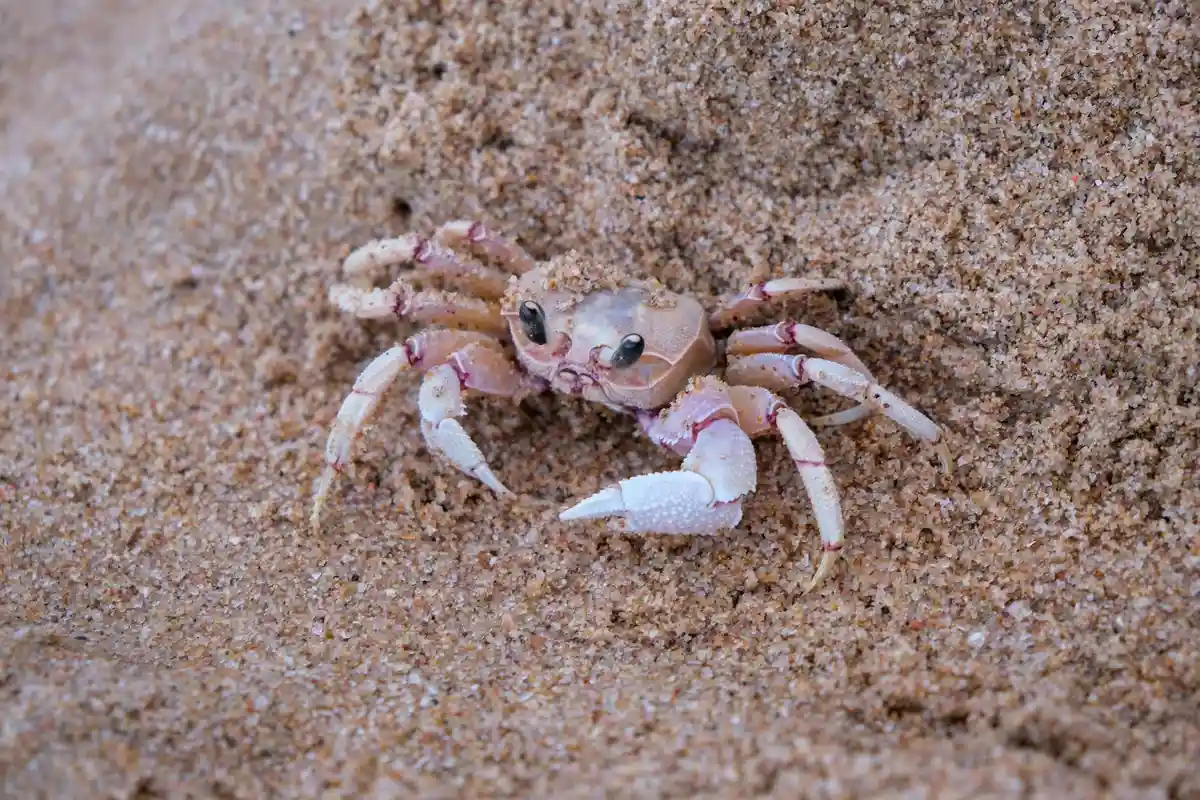
Hermit crabs use their large chelipeds, or claws, not just for eating but as powerful tools in social disputes. I’ve watched Zeus, my assertive Caribbean crab, repeatedly raise his major cheliped high to warn others away from prime food spots, a clear dominance display rooted in his anatomy. This behavior isn’t random-it’s a direct result of how their bodies are built for competition and survival in close quarters. It’s important to understand this behavior when managing a community tank to prevent fights and stress among your hermit crabs.
Body size and shell quality heavily influence who climbs the social ladder in your tank. Larger crabs like Zeus often command more respect, while a poorly fitting shell can make any crab anxious and prone to bullying. Athena, my calm Strawberry hermit, stays peaceful largely because she’s content in a well-fitting, sturdy shell that others don’t challenge often. Offering a variety of shell types and sizes prevents shell fights, which are common when crabs feel vulnerable.
To keep aggression low, follow these colony density guidelines based on my years of trial and error:
- Provide at least 5-10 gallons of tank space per medium-sized crab to reduce territorial disputes.
- Limit colonies to crabs of similar size to minimize intimidation from larger individuals.
- Avoid overcrowding; for example, my 40-gallon tank houses five crabs comfortably, with room to roam.
Strike a balance between hiding spots and open areas to mimic their natural habitat and cut stress. In my mixed-species setup, I use cork bark hides and planted corners for privacy, paired with open sandy zones for foraging, which lets curious crabs like Hermes explore without constant confrontations. Too much open space can lead to more chasing, while excessive clutter might block movement and feeding access.
From my tank, Apollo (Ecuadorian) and Poseidon (Caribbean) coexist peacefully because I ensured multiple heat sources and moist digging areas, reducing competition for resources. Observing their interactions taught me that matching habitat features to anatomical needs-like providing deep substrate for burrowing-is key to a harmonious colony. Regularly rotate shell shops and food dishes to prevent any one crab from monopolizing them.
Practical Care Adjustments Based on Anatomical Needs
Here’s a quick-reference list of care tips I follow daily to support my crabs’ anatomical health:
- Maintain 70-80% humidity to keep gills moist and aid breathing-I use a digital hygrometer for accuracy.
- Offer 3-5 extra shells per crab in various shapes and sizes to prevent shell-related stress and fighting.
- Use a substrate mix of sand and coconut fiber, deep enough for full burrowing (at least 6 inches).
- Include climbing structures like cholla wood to exercise their legs and reduce boredom.
- Provide both fresh and saltwater pools shallow enough to prevent drowning, supporting their need for hydration and molting.
Perform these habitat checks weekly to catch issues early, focusing on anatomy-related signs:
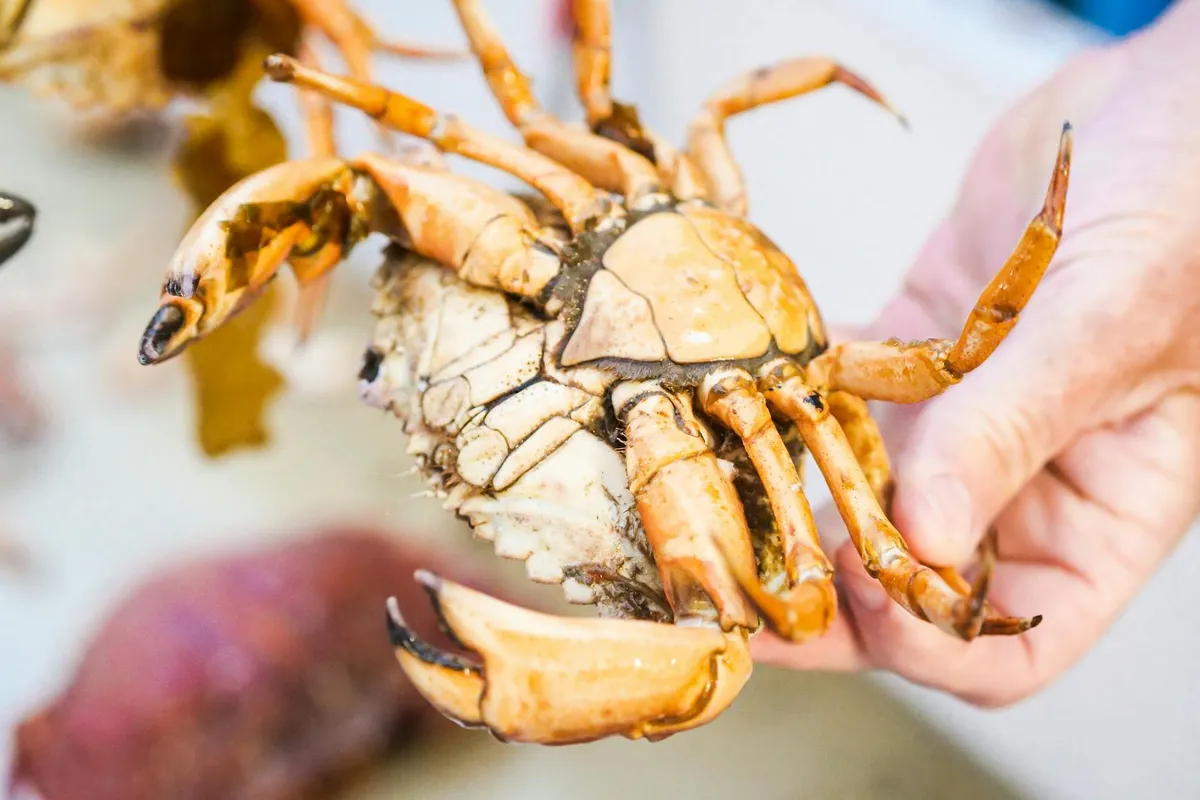
- Inspect each crab’s exoskeleton for cracks or discoloration, which could signal molting problems or poor nutrition.
- Check shell fit-if a crab can’t retract fully, it’s time for a bigger shell upgrade.
- Test substrate moisture by squeezing a handful; it should hold shape without dripping, crucial for successful molts.
- Look for cheliped damage or limb loss, often a result of fights or inadequate calcium in diet.
Adjust their diet to boost exoskeleton strength and overall vitality. I mix crushed cuttlebone into their meals twice a week, and offer protein-rich foods like shrimp to support shell growth after molting. Include fruits and vegetables for variety, but avoid salty or processed items that can harm their delicate systems.
Common mistakes I’ve seen-and made myself-include neglecting humidity levels or assuming one shell size fits all. Early on, I lost a crab to desiccation because I didn’t monitor humidity closely, a harsh lesson in how their gill-based respiration demands constant moisture. Another error is not providing enough shell options, leading to stressful fights where crabs can lose limbs.
Proactive, anatomy-informed care is the best way to advocate for their welfare. By understanding that their bodies dictate everything from social behavior to molting needs, you can create a habitat that reduces stress and promotes natural behaviors. Simple acts, like hand-misting tanks daily or offering calcium supplements, make a huge difference in their longevity and happiness.
FAQs
How does hermit crab anatomy necessitate specific humidity levels in their habitat?
Hermit crabs have modified gills that require constant moisture to absorb oxygen from the air, making low humidity levels life-threatening. Without adequate humidity, they risk desiccation and can struggle to breathe, leading to molting failures and overall decline.
What makes shell availability so critical for their wellbeing and behavior?
Their soft, coiled abdomen lacks natural protection, so shells are essential for shielding against injury and dehydration. A shortage of suitable shells triggers stress and aggression, as crabs may fight over resources instead of engaging in cooperative shell exchanges. Scientists study what makes a shell ‘perfect’ for a hermit crab, exploring the science behind shell selection. They look at size, opening, and weight to understand shell selection and its effects on protection and mobility.
How can understanding their anatomy help in determining the ideal colony size?
Larger crabs with dominant chelipeds can intimidate smaller ones, so colonies need enough space to reduce competition for shells and food. Providing ample room and resources based on their social dynamics prevents stress and supports a harmonious group environment.
The Bottom Line
Your hermit crab’s unique anatomy is the ultimate guidebook for creating a thriving habitat. From their vulnerable abdomen dictating shell choices to their gills demanding high humidity, every aspect of their care stems from their physical needs. Science shows that the biomechanics of shell choice is driven by biomechanics: abdomen size and limb reach must fit the shell securely. The shell’s shape and material also affect humidity inside and mobility, tying shell selection to health and growth. Providing ample space and resources directly reduces competition and stress, allowing a larger, more harmonious colony to flourish. For a deeper understanding of this fascinating topic, check out the Biomechanics of shell choice.
Further Reading & Sources
- Hermit Crab Paradise » Crab Care » Anatomy » Belly View
- Inside a Hermit Crab: Comprehensive Guide to Hermit Crab Anatomy | The Crab Street Journal
- Hermit Crab Anatomy
The Crab Central is your ultimate resource for hermit crab enthusiasts, providing expert advice and practical tips to ensure the health and happiness of your shelled companions. With years of experience in crustacean care, we are dedicated to offering accurate, up-to-date information to support your hermit crab journey. Our mission is to foster a community of responsible hermit crab owners who are passionate about the well-being of these fascinating creatures.
Care Requirements by Species