Safe Nuts and Seeds for Your Hermit Crab
Published on: September 3, 2026 | Last Updated: September 3, 2026
Written By: The Crab Guru
You’ve probably wondered which nuts and seeds from your pantry can safely become a tasty treat for your hermit crab.
After caring for my five hermit crabs for years, I’ve tested many foods and will guide you through what works based on firsthand experience.
Always offer nuts and seeds in tiny, crushed pieces to prevent choking.
We will cover which specific nuts and seeds are safe, how to prepare them correctly, and how often to include them in a balanced diet.
Understanding the Role of Nuts and Seeds in a Hermit Crab Diet
From my years of caring for my crew, I’ve found that nuts and seeds are fantastic occasional treats, not daily staples. My curious crab, Hermes, goes wild for a piece of almond, but my more dominant crab, Zeus, can get a bit territorial over them. This taught me that while they are beneficial for enrichment and nutrients, they need to be offered thoughtfully to prevent squabbles.
A hermit crab’s diet thrives on wild-level variety. In nature, they are scavengers, finding a wide array of foods. Replicating this variety in captivity is the single most important thing you can do for their long-term health. Nuts and seeds fit into this model as the “found treasures” – dense little power packs of nutrition that supplement their main meals of fruits, vegetables, and proteins. To put this into practice, a hermit crab diet feeding guide lays out portions and rotation. It translates wild-foraging variety into a balanced, everyday menu.
Crabs need a mix of calcium, healthy fats, plant-based proteins, and trace minerals. Nuts and seeds can contribute here. Walnuts, for instance, are a good source of omega fatty acids, which support healthy molting. Almonds offer a bit of protein and calcium. Think of them as the supplemental vitamins in their otherwise balanced plate. Scientifically, hermit crab digestion relies on balanced nutrient ratios to optimize absorption. This nutrition science helps guide how we structure their meals for digestion, energy, and healthy molts.
Safe Nuts for Hermit Crabs: A Detailed Guide
After much trial and error with my own crabs, I’ve compiled a list of nuts that are safe when prepared correctly. The golden rule is to always use raw, unsalted, and preferably organic nuts to avoid any harmful oils, additives, or excessive sodium that can dehydrate your crab. Store unused nuts in an airtight container in a cool, dry place to keep nuts fresh and safe for your hermit crabs. This helps ensure a stable, rotating diet that stays fresh and free from spoilage.
- Almonds
- Walnuts
- Pecans
- Pistachios
- Hazelnuts
- Macadamia Nuts
- Brazil Nuts
- Cashews
- Pine Nuts
You have a few options for serving. For larger crabs like my Zeus, I sometimes offer a pecan half – he enjoys the work of breaking into it. For my more delicate Athena, I always crush walnuts into smaller, manageable pieces which she calmly picks at. Offering a nut still in its shell provides excellent enrichment and helps wear down their claws naturally. Just ensure the shell isn’t too hard for them to crack.
My crab Apollo, who loves collecting things, is particularly fascinated by pine nuts because of their small size. I scatter a few for him to find. No matter the nut, always offer a very small amount to start and see how your crab reacts. Remove any uneaten portions within 24 hours to keep the habitat clean.
Safe Seeds for Hermit Crabs: What to Offer
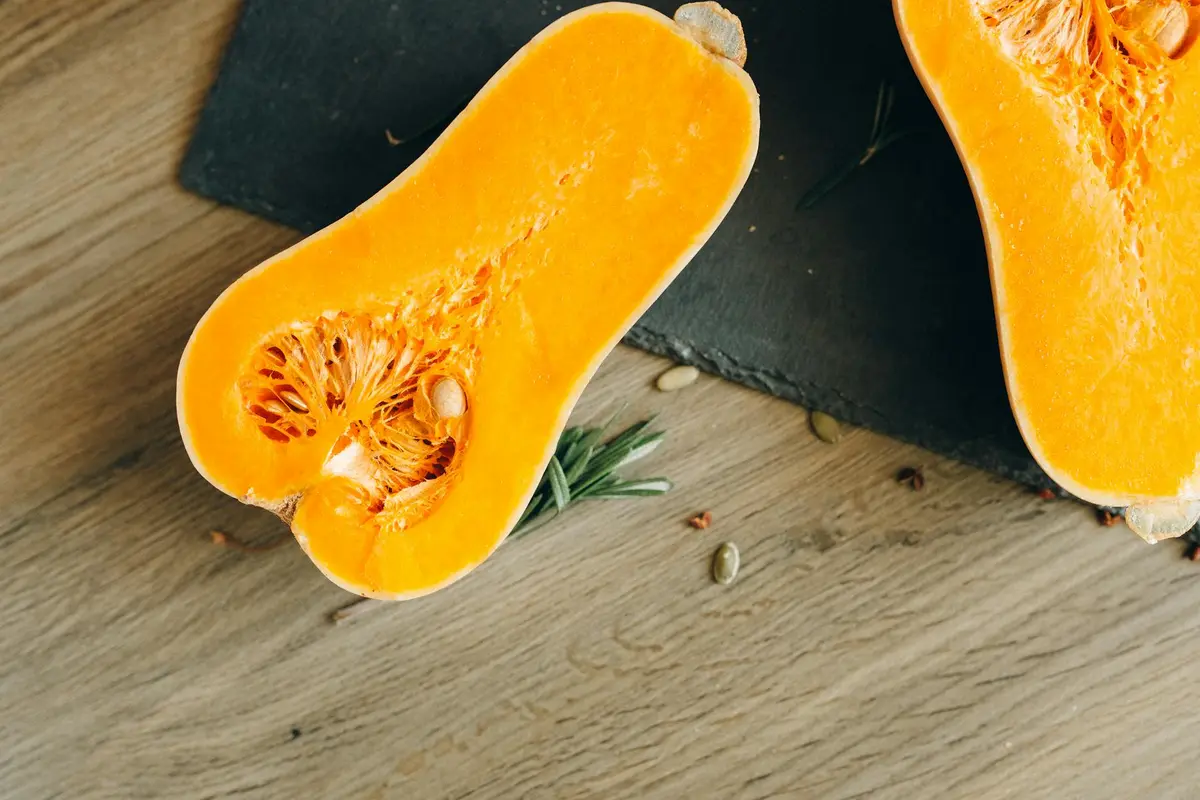
After years of experimenting with my own crew, I’ve found that seeds are a fantastic way to add variety and nutrition to their diet. The key is to always offer seeds that are plain and free from any salt, oils, or flavorings. My crabs, especially Apollo, get incredibly excited when they find a pumpkin seed in their food dish.
Here is a list of safe seeds you can confidently offer:
- Sunflower Seeds
- Pumpkin Seeds
- Sesame Seeds
- Flax Seeds
- Chia Seeds
- Hemp Seeds
I always choose raw seeds for my crabs. While unsalted, dry-roasted seeds are generally considered safe, raw is the best and most natural option. Raw seeds preserve all their natural nutrients without any risk of hidden processing agents. You can find these easily in the bulk food or health food section of your grocery store.
From a handling perspective, some seeds are easier for your crabs to manage than others. My smaller crab, Poseidon, tends to go for smaller seeds like sesame, chia, and hemp. They are easy for him to pick up and carry. Larger seeds like pumpkin and sunflower are popular with my bigger crabs, Hermes and Zeus, who can crack into them with their stronger pincers.
Nuts and Seeds to Avoid for Hermit Crab Safety
Just because a nut or seed is safe for human consumption does not automatically make it safe for your hermit crab. Their tiny systems are incredibly sensitive to additives and certain natural compounds that we can easily process. I learned this lesson the hard way early on, and it’s a mistake I don’t want you to make. For a full breakdown of what to avoid and what’s safe, check out the toxic hermit crabs complete safety guide. It walks you through safe feeding practices, portion sizes, and hidden hazards to watch for.
The primary risks come from three areas: high salt content, toxic additives like onion/garlic powder, and natural toxins present in some nuts and seeds.
Here is a quick-reference table of common items to avoid:
| Item to Avoid | Primary Risk |
|---|---|
| Any salted nuts or seeds | Extreme dehydration; can be fatal |
| Any flavored or seasoned nuts/seeds | Harmful preservatives and spices like onion/garlic powder |
| Macadamia Nuts | Reported to be toxic to some pets |
| Fruit Pits & Seeds (e.g., apple seeds, cherry pits) | Contain trace amounts of cyanide |
My cautionary tale involves my calmest crab, Athena. Early on, I mistakenly offered a mix that contained a single salted sunflower seed. I found her later, listless and partially out of her shell, which was terrifying. I immediately removed the seed and provided fresh dechlorinated water, and she thankfully recovered after a few hours. It was a stark reminder that even one small mistake can have serious consequences for their welfare. Always, always double-check the ingredients.
How to Prepare and Serve Nuts and Seeds
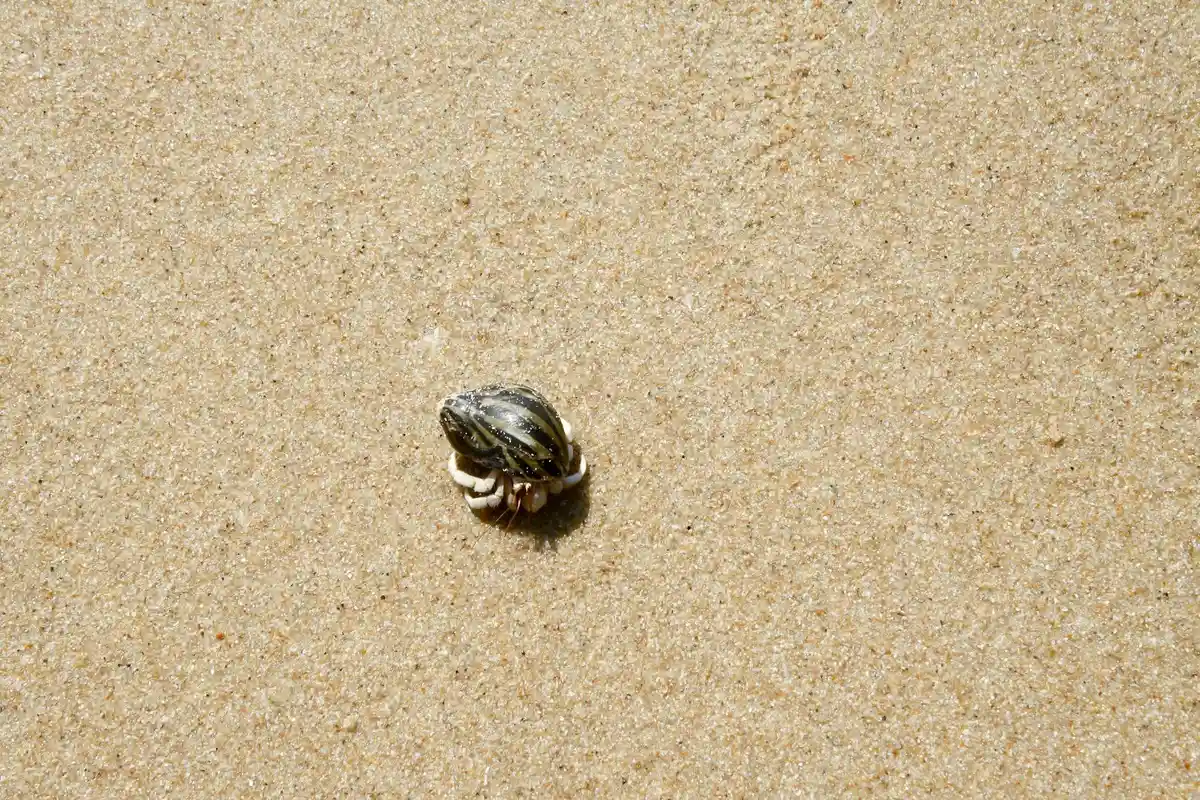
Getting nuts and seeds ready for your crabs is a simple but vital process. Proper preparation makes these hard foods safe and accessible, preventing any risk of choking or difficulty eating. I follow this routine every time I offer a nutty treat to my crew.
Step-by-Step Preparation
- Wash Thoroughly: I always start by rinsing raw, unsalted nuts and seeds under cool, clean water. This removes any dust, potential pesticide residues, or other contaminants you can’t see.
- Crush or Grind: For my smaller or younger crabs like Poseidon, I use a clean coffee grinder dedicated to crab food to create a coarse powder. For my medium-sized crabs, a mortar and pestle works perfectly to crack them into manageable, gravel-sized pieces.
- Serve Safely: I place the prepared nuts in a shallow, clean food dish. I never just scatter them on the substrate, as this can lead to mold growth and makes it hard to monitor who is eating what.
Serving Options for Different Crab Sizes
Not all of my crabs are the same size, so I don’t serve them all the same way. My large crab, Zeus, can handle a whole almond or walnut half with no problem. For my curious but smaller crab Hermes, I always halve or quarter larger nuts so he can access the meat without struggling. For the tiniest seeds like sesame or flax, I serve them as-is or mixed into a paste with a bit of fruit puree.
Smart Sourcing for Safety
Where you get your nuts is as important as how you prepare them. I exclusively buy raw, unsalted, and unseasoned nuts from the bulk bins of my local health food store or from reputable online pet supply companies. I avoid anything from the baking aisle that might contain added sugars or preservatives. Buying organic, when possible, gives me extra peace of mind that I’m minimizing their exposure to harmful chemicals.
Feeding Frequency and Portion Control
Nuts and seeds are a treat, not a main course. Because of their high fat content, these foods should be considered a special snack, offered only once or twice a week at most. I typically offer them on a weekend as part of a varied fruit and protein mix.
Portion Sizes Based on Your Crab
Portion control is key to a healthy crab. A good rule of thumb is to offer a piece no larger than one of their eyes. Here’s how I portion for my own herd:
- For my jumbo crab, Zeus: One whole almond or two sunflower seeds.
- For my medium crabs like Apollo and Athena: One crushed almond half or a small pinch of crushed walnut.
- For my smaller crabs, Hermes and Poseidon: A pea-sized amount of ground nut paste or a light sprinkle of crushed flax seed.
Additionally, the guide covers feeding frequency—how much to feed and how often to offer meals for different crab sizes. This helps prevent overeating and waste.
I always observe them for a few hours after offering a new nut to ensure they are eating it comfortably. If the food is still untouched the next day, I remove it to prevent spoilage.
Recognizing and Adjusting to Overfeeding
It’s possible to have too much of a good thing. A clear sign of overfeeding is finding large, greasy-looking droppings in the tank or seeing your crabs consistently ignore their other, more nutritious foods. I noticed this once with Apollo when he was getting a bit too many sunflower seeds; he started ignoring his cuttlebone and green vegetables. I immediately cut back on the treats for two weeks, and his eating habits returned to normal. If you see this, simply pause all nut and seed treats for a while and focus on leafy greens and proteins.
Nutritional Benefits and Considerations
Nuts and seeds are like little power packs for your hermit crab, but you have to know what’s inside them. Think of them as a dietary supplement, not a main course, because their high-fat content can lead to weight issues if overfed. I learned this the hard way when my crab, Apollo, started getting a little too round for his shells!
The three big things to look at are fats, proteins, and the calcium-phosphorus ratio. Fats provide long-lasting energy. Proteins support growth and shell development. But the calcium-to-phosphorus ratio is the most critical part. Hermit crabs need more calcium than phosphorus in their system to maintain their strong exoskeletons. Calcium is essential for shell mineralization and overall health, directly influencing shell strength. An imbalance can lead to Metabolic Bone Disease (MBD), which weakens their shell and is very difficult to reverse.
Here is a quick comparison of some common, safe options to help you choose.
| Food Item | Key Benefit | Ca:P Ratio (Ideal is >1:1) |
|---|---|---|
| Pumpkin Seeds | High in Zinc, great for molting | 1:18 (Very Low) |
| Almonds (unsalted) | Good source of Vitamin E | 1:2 (Low) |
| Flax Seeds | Excellent source of Omega-3s | 1:1.6 (Low) |
| Chia Seeds | High in Calcium and Fiber | 1:0.9 (Good) | Hemp Seeds | Complete Protein Source | 1:6 (Very Low) |
You can see from the table that most nuts and seeds have a poor calcium-phosphorus ratio. This is precisely why you must always offer a separate, pure calcium source in their habitat, like a cuttlebone. The crab will self-regulate and chew on the cuttlebone to balance out the phosphorus from the nuts. My observant crab, Athena, always visits her cuttlebone after a seed treat.
Troubleshooting and Healthy Alternatives
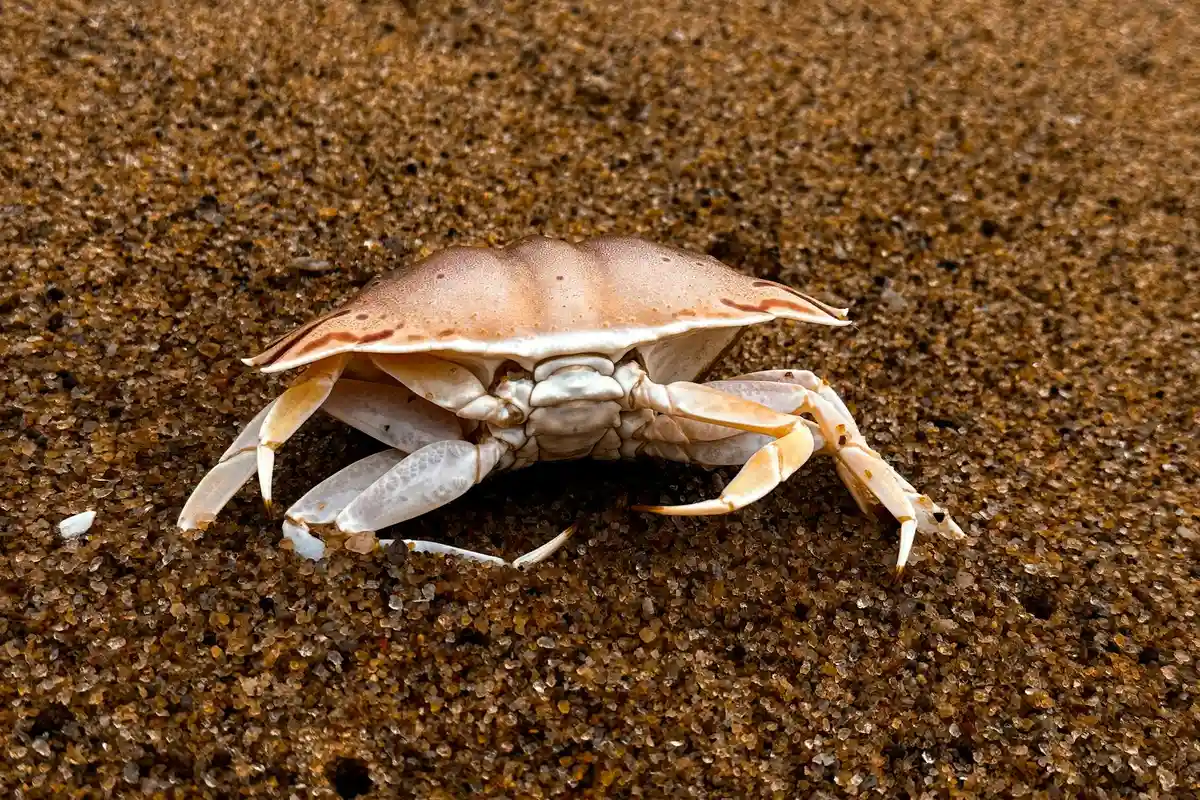
Even with the best intentions, things can sometimes go sideways. One of my crabs, Zeus, once refused to touch a new nut I offered for a week. Refusal to eat is the most common sign that a particular food isn’t agreeing with your crab. They are individuals with their own tastes!
If you notice any of these issues, stop feeding nuts and seeds immediately:
- Lethargy or unusual inactivity
- Digestive issues visible in the tank
- Consistently ignoring the food
True allergies are rare, but digestive upset from high fat or improper preparation is not. Always serve nuts and seeds raw, unsalted, and in tiny, crushed pieces to prevent choking. Soaking them overnight can also make them easier to digest.
If nuts and seeds aren’t a hit, or you want to provide a more balanced diet, turn to these safer, everyday staples. My crab Poseidon would always choose these over anything else!
- Leafy Greens: Organic kale, spinach, and romaine lettuce are full of nutrients.
- Colorful Vegetables: Sweet potato, carrots, and peas are usually devoured.
- Safe Fruits: Mango, banana, and coconut (fresh or unsweetened flakes) are beloved treats.
- Essential Proteins: Unsalted crushed eggshells, dried shrimp, and bloodworms.
Your hermit crab’s welfare is the absolute top priority. You know your pet’s normal behavior better than anyone, so any drastic or prolonged change is a red flag. If your crab shows persistent signs of illness—like a limp body, a foul odor, or not moving for days—do not wait. It is time to seek a veterinarian who specializes in exotics. There are far fewer than for cats and dogs, so it’s wise to locate one in your area before you ever have an emergency. Many of the most common hermit crab health issues are treatable when addressed promptly. A qualified exotic vet can guide you on the right treatments and at-home care to support recovery.
FAQs
Can hermit crabs eat all types of nuts if they are raw and unsalted?
No, some nuts like macadamia nuts are toxic and should be avoided even in their natural state. Always stick to a verified safe list to prevent any health risks for your crab.
How should I store nuts and seeds for my hermit crab to keep them fresh?
Store them in an airtight container in a cool, dark place to prevent them from going rancid. This preserves their nutritional value and ensures they remain safe and appealing for your crab. Similarly, to prevent mold in hermit crab enclosures, keep the habitat dry and well-ventilated. Remove uneaten food promptly and clean the enclosure regularly to reduce mold risk.
What should I do if my hermit crab chokes on a nut or seed?
If choking is suspected, gently mist the crab with dechlorinated water to help dislodge the obstruction. Always crush nuts and seeds into tiny pieces before serving to minimize this risk entirely.
Feeding Your Hermit Crab Nuts and Seeds
Ultimately, a few plain, unsalted nuts and seeds make excellent, protein-rich treats when offered sparingly alongside a varied diet of fruits, vegetables, and quality commercial food. Always serve them raw, in treat-sized pieces, and remember that variety is the true cornerstone of a thriving hermit crab’s diet. Ensure the treats are safe for consumption.
Further Reading & Sources
- r/hermitcrabs on Reddit: Nuts
- What Do Hermit Crabs Eat? (Safe + Unsafe Foods)
- Hermit Crab Food Trials: Seeds and Nuts
The Crab Central is your ultimate resource for hermit crab enthusiasts, providing expert advice and practical tips to ensure the health and happiness of your shelled companions. With years of experience in crustacean care, we are dedicated to offering accurate, up-to-date information to support your hermit crab journey. Our mission is to foster a community of responsible hermit crab owners who are passionate about the well-being of these fascinating creatures.
Types of Food