What Proteins and Insects Are Safe for Your Hermit Crab to Eat?
Finding safe and nutritious proteins and insects for your hermit crab can feel confusing, but it’s a vital part of their care.
After caring for my five crabs for years, I’ve tested countless foods and will help you choose the best options for your pet’s health.
Always provide variety to mimic their natural foraging and prevent boredom.
I’ll break down safe insect choices, excellent protein sources, simple preparation methods, and critical items to avoid for a thriving crab.
Why Protein is Essential for Hermit Crab Health
Think of protein as the fundamental building block for your hermit crab’s entire body. Without adequate protein, your crab simply cannot grow, repair its body, or successfully complete the demanding process of molting. From a nutrition science perspective, how protein is digested and absorbed matters. Protein quality and timing can influence energy and growth. I learned this firsthand after noticing my crab, Apollo, becoming lethargic; adding more protein to his diet completely transformed his energy levels.
- Supports Molting: Molting is the most stressful and dangerous time in a crab’s life. They need massive amounts of protein to build a brand new exoskeleton underneath the old one.
- Maintains Muscle Function: Protein keeps their little legs and claws strong for climbing, digging, and holding onto their shell. My dominant crab, Zeus, became much more active and less aggressive around food once his protein intake was consistent.
- Enhances Overall Diet Balance: In the wild, hermit crabs are natural scavengers, and animal protein makes up a significant part of their varied diet. Replicating this is key to captivity wellness.
Safe Animal-Based Proteins for Hermit Crabs
Offering a variety of protein sources prevents boredom and ensures a full spectrum of nutrients. The golden rule is to always provide proteins that are unseasoned, thoroughly cooked, and free from any oils or sauces. I regularly offer my crabs dried shrimp, which Hermes and Poseidon will actually carry around the tank like prized treasures before settling in to eat.
Here is a comparison of safe and nutritious protein options for your hermit crab:
| Protein Source | Preparation Method | Feeding Tips & Observations |
|---|---|---|
| Shrimp (Fresh or Dried) | Boiled or steamed with no salt. Dried should have no additives. | A huge favorite. Crush dried shrimp for smaller crabs. My crabs are immediately drawn to the smell. |
| Fish Fillets (e.g., Salmon, Tilapia) | Plain, cooked through by baking or boiling. | Remove all bones. Offer tiny flakes. Provides excellent fats for molting. |
| Mealworms or Crickets | Freshly killed, freeze-dried, or live from a pet store (never from the wild). | Great for enrichment. Athena, my shy crab, is more likely to take a single dried mealworm than a larger piece of fish. |
| Eggs (Chicken or Quail) | Hard-boiled or scrambled with absolutely nothing added. | A fantastic source of protein and calcium, especially if you crush the shell with the egg. |
| Snail Meat | Thoroughly cooked or from a canned source (in water, not brine). | Mimics natural foraging behavior. Ensure it’s from a safe, pesticide-free source. |
Always remove any uneaten protein from the tank within 24 hours to prevent spoilage and bacterial growth, which is vital for maintaining a healthy habitat. Rotating through these different options will keep your crabs excited for mealtime and support their long-term health.
Nutritious Insects to Add to Their Diet
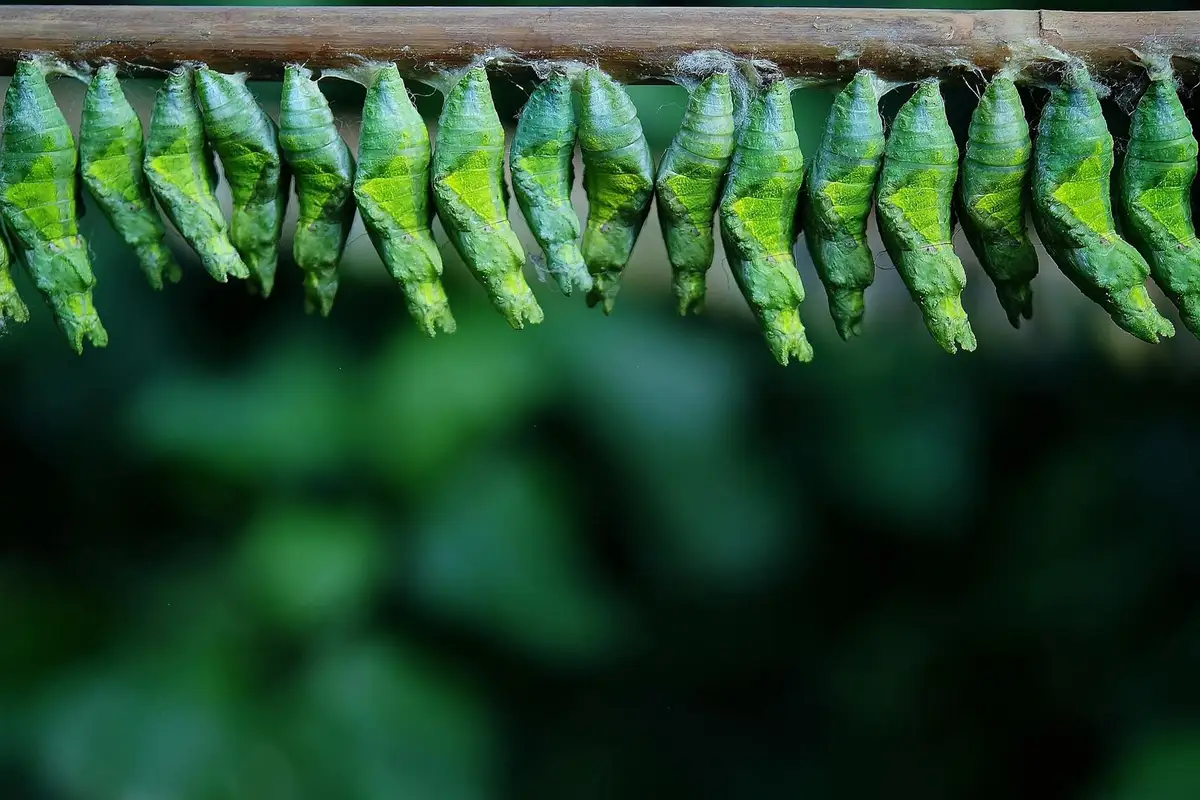
One of the most exciting ways to enrich your hermit crab’s diet is with live or dried insects, especially when combined with a balanced feeding schedule. These critters provide a fantastic source of protein and healthy fats that mimic what they would forage for in the wild. My crabs get visibly more active and engaged during insect feeding nights. Knowing what to feed your hermit crabs and how often is crucial for their health and happiness.
My go-to safe and nutritious insect options are:
- Crickets: A fantastic staple. I often feed live, gut-loaded crickets, and my crab Athena, who is usually quite calm, becomes incredibly focused and quick when hunting them.
- Mealworms: These are a hit, either live or dried. They are softer-bodied and easy for crabs of all sizes to handle.
- Dubia Roaches: A highly nutritious option, packed with protein and lower in chitin (the hard exoskeleton) than some other insects.
- Black Soldier Fly Larvae (Calci-Worms®): These are a powerhouse of calcium, which is vital for strong exoskeletons and successful molting.
To supercharge the nutritional value of these insects, you must practice ‘gut loading’. Gut loading simply means feeding the insects a nutritious diet of unsprayed fruits and vegetables 24-48 hours before offering them to your crabs. I use bits of organic carrot, sweet potato, and leafy greens. This process passes those vital nutrients directly to your pets.
While not a daily food, I occasionally offer a waxworm as a special treat. My crab Apollo goes absolutely wild for the high-fat content in waxworms, but I limit them strictly to prevent obesity. Variety is wonderful, but balance is always the ultimate goal for their long-term health.
How to Properly Prepare and Serve Proteins
Simply tossing a piece of meat or an insect into the tank isn’t enough. Proper preparation is key to safety and preventing tank spoilage. I follow a strict routine to ensure every protein source I offer is clean, safe, and easy for my crabs to consume.
-
Wash and Cook Thoroughly
Always rinse fresh meats or seafood under cool water. I then boil or steam them without any oils, salts, or seasonings. Cooking kills harmful bacteria and makes the food easier for them to tear apart. Never offer raw meat from the grocery store. -
Cut into Tiny, Manageable Pieces
Hermit crabs are small creatures with even smaller mouths. I use kitchen shears to cut everything into pieces smaller than their largest pincer. This prevents food fighting and ensures even my shyest crab, Athena, can grab a piece and retreat to eat in peace. Often, fights stem from competition over food and space and can escalate to aggression or cannibalism in stressed tanks. Cutting meals into tiny pieces helps reduce competition and lowers the risk of such conflicts. -
Choose Fresh or Plain Dried Options
You can use fresh-cooked proteins or opt for plain, freeze-dried, or air-dried insects and shrimp. Just double-check the ingredient label to confirm nothing else has been added. Rehydrating dried foods with a drop of dechlorinated water can make them easier to eat.
My personal method for serving involves a small, shallow ceramic dish. Placing food in a dedicated dish, especially for wet proteins, is the single best way to keep your substrate clean and prevent harmful mold and bacterial growth. I remove any uneaten food, particularly insects and meat, within 24 hours to maintain a pristine habitat for my crew.
Proteins and Insects to Avoid for Safety
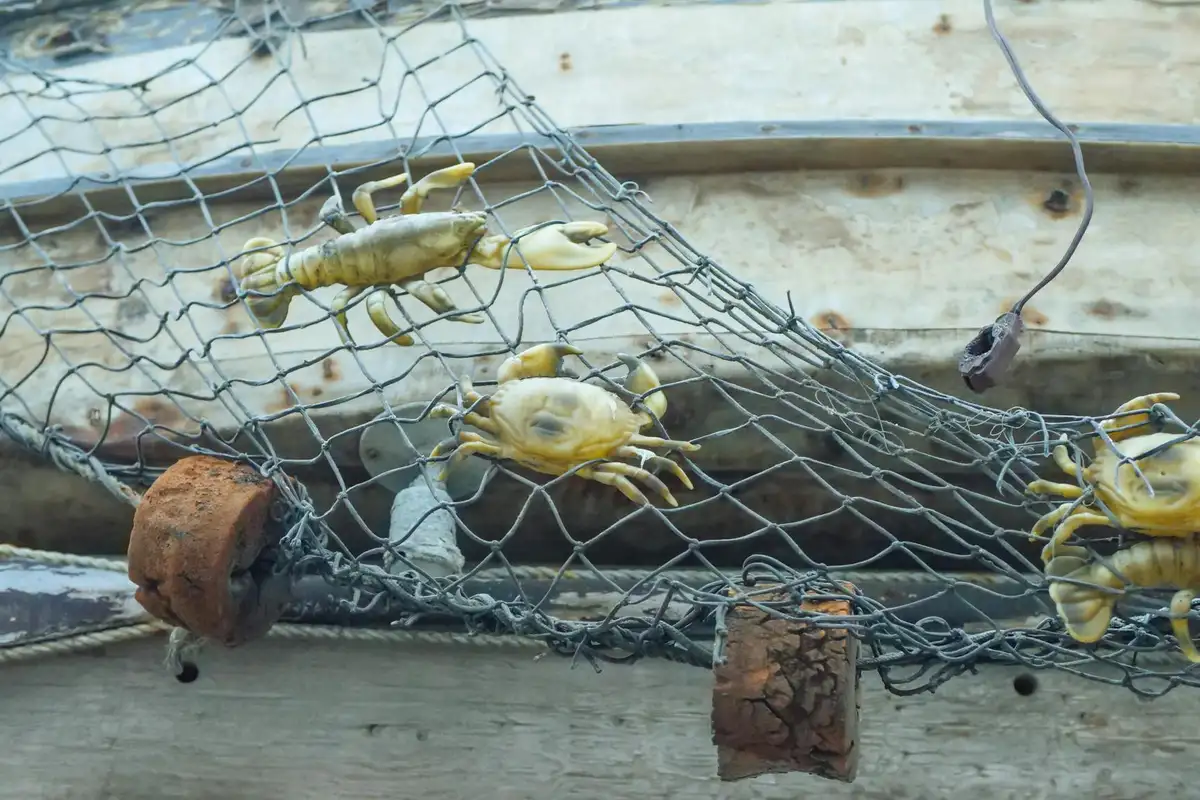
Just as important as knowing what to feed your hermit crab is knowing what to keep far away from their food dish. Offering the wrong protein can lead to serious health issues or even be fatal for your tiny tank-dweller. Their small bodies are incredibly sensitive to chemicals and preservatives we humans can tolerate. Knowing which foods are toxic to hermit crabs is essential for their well-being.
I strictly avoid feeding my crew any of the following:
- Poisonous Insects: Never collect insects from your garden or a field unless you are 100% certain they are safe and have not been exposed to pesticides. This includes fireflies, which are highly toxic.
- Processed Meats: Say no to lunch meat, hot dogs, bacon, and anything salted, smoked, or cured. The high sodium, preservatives, and fats are terrible for their systems.
- High-Fat Foods: Avoid fatty cuts of cooked meat or greasy foods. Their digestive tracts aren’t built for it.
The biggest hidden risk is pesticide contamination. Pesticides don’t just wash off; they can be absorbed into the insect’s or plant’s entire system, making them poisonous. Bacteria is another silent threat. Leftover protein that sits in the warm, humid tank for more than a day can quickly grow harmful mold and bacteria.
I learned this lesson the hard way with my crab, Hermes. In my early days, I thought a piece of an organic apple from my counter was a safe treat. I didn’t know it had been lightly sprayed with a natural pest deterrent. Hermes became lethargic for nearly two days. It was a terrifying scare that taught me to thoroughly wash and source every single item that goes into their habitat. Now, I only use produce I’ve washed myself or foods specifically intended for pet consumption.
Balancing Protein with Calcium and Vitamins
Protein builds muscle, but calcium builds the strong, healthy exoskeleton that protects that muscle. Without a proper calcium balance, your hermit crab will struggle to molt successfully and maintain a sturdy shell. Think of it as the foundation of their entire physical structure.
I always provide a separate, dedicated source of calcium in their tank, like a cuttlebone. But I also make sure to integrate it directly into their meals.
- Crushed Eggshell: I save eggshells from my breakfast, bake them at a low temperature to sterilize them, and then crush them into a fine powder. I sprinkle this over their protein foods a few times a week.
- Calcium Supplements: You can find reptile-grade calcium powder without Vitamin D3 at most pet stores. This is a fantastic, no-fuss option.
- Vitamin Supplementation: I use a powdered multivitamin mix made for hermit crabs or reptiles. I lightly dust their favorite proteins, like dried shrimp, with it once a week. The smellier the protein, the more likely they are to eat the powder with it!
My crab Apollo is a bit of a picky eater, so I’ve developed a specific routine for him. I mix a tiny pinch of pure calcium powder with a drop of saltwater to form a paste, which I then smear onto a piece of his favorite dried minnow. He gobbles it right up, getting his essential calcium without even knowing it. This method ensures he gets what he needs for his shell, especially since he’s always on the lookout for a new one to move into. For tips on feeding your hermit crab the right amount, check out this guide.
Establishing a Healthy Feeding Schedule
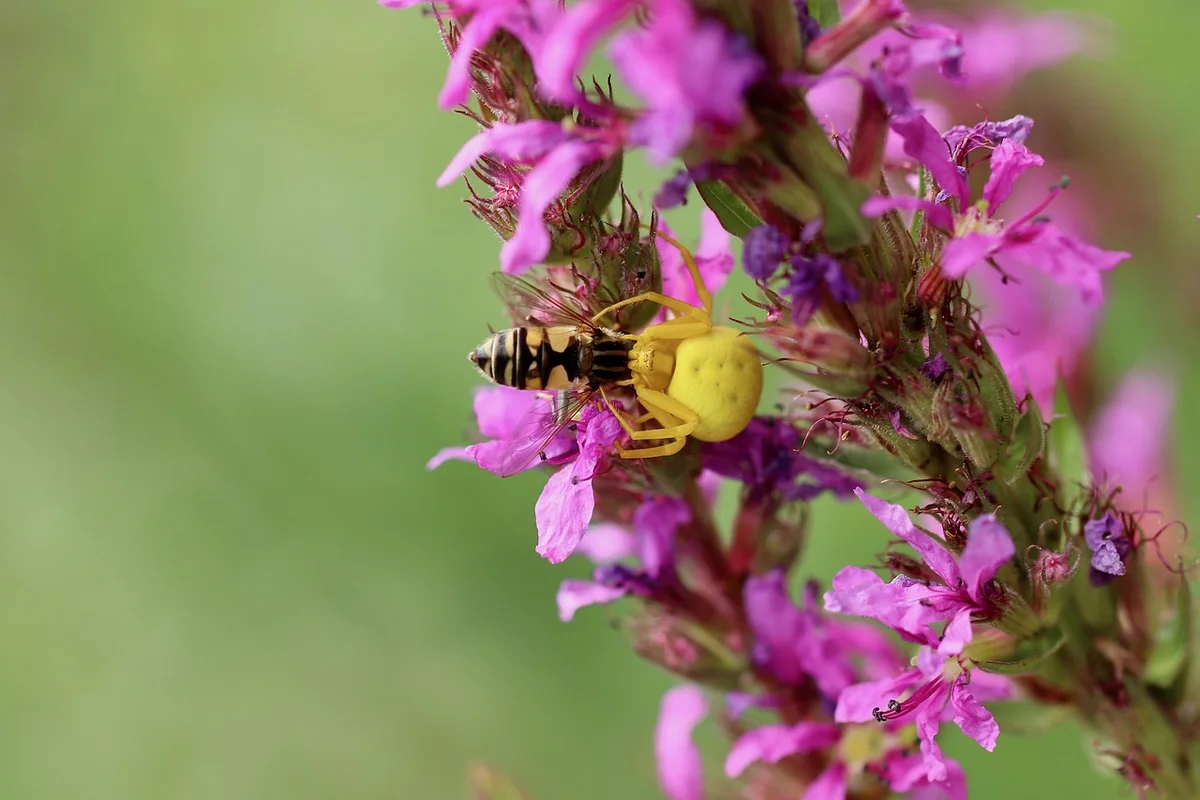
Finding the right rhythm for feeding is just as vital as choosing the right foods. A consistent schedule prevents waste and ensures your crabs get the nutrients they need without overloading their systems. I’ve found this balance through trial and error with my own crew. To prevent hermit crab obesity, pair that rhythm with a proper diet focused on portion control and nutrient-dense options. This balanced approach helps keep crabs lean, active, and thriving.
Recommended Feeding Frequency
Protein is a powerful part of their diet, but it shouldn’t be an everyday event. For a healthy adult crab, I offer a high-quality protein source two to three times per week. Think of insects more as special treats, given once a week or even less frequently. This rotation mimics their natural foraging patterns and prevents nutritional imbalances.
Monitoring Intake Based on Behavior and Size
Your crabs will tell you if the schedule is working. Watch how they behave at mealtime.
- Is the food completely gone by morning? They might need a slightly larger portion.
- Is a lot of food left untouched? Try a smaller amount or wait an extra day between protein servings.
- Larger crabs, like my Zeus, naturally need more food than smaller ones like Poseidon.
An empty food dish by sunrise is the best indicator you’ve provided the perfect amount. If food consistently remains, you are likely offering too much or feeding too often.
A Real-Life Schedule from My Tank
Managing my two Caribbean crabs, Zeus and Poseidon, requires a careful plan. Zeus is assertive and would happily eat all the protein if I let him. To ensure Poseidon gets his fair share, I follow this rotation.
- Monday: A small piece of shrimp or fish for the tank. I watch to make sure Poseidon gets some time at the dish.
- Wednesday: A purely vegetarian meal with fruits, greens, and leaf litter.
- Friday: A dried insect treat, like a single mealworm or a small cricket, is placed on the opposite side of the tank from Zeus’s favorite spot.
This alternating schedule prevents food guarding and ensures both crabs receive a balanced diet throughout the week. It keeps their meals interesting and their health in peak condition.
Common Questions
Can hermit crabs eat plant-based proteins like beans or tofu?
Hermit crabs are omnivores but thrive best on animal-based proteins for essential nutrients. While small amounts of cooked, plain beans can be offered occasionally, they should not replace insect or meat proteins as the primary source. For a comprehensive overview of appropriate food choices, refer to The Complete Hermit Crab Diet and Feeding Guide.
How can I tell if my hermit crab is allergic to a certain protein?
Allergies in hermit crabs are rare, but watch for signs like lethargy, loss of appetite, or unusual behavior after introducing a new food. These signs can also help you determine whether your hermit crab is healthy or sick. Regular observation of daily activity and appetite is important. If you suspect an issue, remove the food immediately and consult a veterinarian for guidance.
What is the best way to store dried insects for long-term use?
Store dried insects in an airtight container in a cool, dry place to prevent moisture and pests. Always check expiration dates and inspect for mold before offering them to your crab to ensure safety. Proper food storage techniques are essential for maintaining a healthy diet for your hermit crab.
Feeding Your Hermit Crab Right
Providing a rotating menu of safe animal proteins-like mealworms, shrimp, and eggs-is a non-negotiable part of replicating their natural diet and keeping them healthy. From my own experience with my crew, this variety not only meets their nutritional needs but also sparks their natural foraging instincts, which is wonderful to watch. Always source your insects and proteins from safe, chemical-free suppliers to protect your tiny tank cleaners.
Further Reading & Sources
- Care: Safe Food List – HCA: Hermit Crab Association
- Safe Food List – Krabitat
- Safe Foods for Hermit Crabs – Searchable List & Database
The Crab Central is your ultimate resource for hermit crab enthusiasts, providing expert advice and practical tips to ensure the health and happiness of your shelled companions. With years of experience in crustacean care, we are dedicated to offering accurate, up-to-date information to support your hermit crab journey. Our mission is to foster a community of responsible hermit crab owners who are passionate about the well-being of these fascinating creatures.
Types of Food