How to Prevent Hermit Crab Obesity with Proper Diet
Published on: December 26, 2025 | Last Updated: December 26, 2025
Written By: The Crab Guru
Have you noticed your hermit crab looking a bit rounder or moving slower than usual? Hermit crab obesity is a real and often overlooked health issue that can impact their quality of life.
After caring for my five crabs for years, from my fast-moving Hermes to my food-guarding Zeus, I’ve learned the exact dietary strategies to keep them at a healthy weight.
The simplest change you can make today is to stop free-feeding and start offering measured portions.
I’ll guide you through selecting the right foods, establishing a feeding schedule, monitoring their body condition, and creating an enriching habitat that encourages natural activity.
Understanding Hermit Crab Obesity and Health Risks
Hermit crab obesity isn’t about a number on a scale. It’s a condition you identify through careful observation of their body and behavior, as well as understanding their nutritional needs and digestion. In my tank, an overweight crab has a large, fleshy abdomen that visibly bulges from their shell opening, sometimes making it difficult for them to retract fully.
This excess weight leads to several serious health complications.
- Mobility Problems: A crab carrying extra weight will struggle to climb and move around their habitat. They become lethargic and may have difficulty righting themselves if they fall.
- Shell Issues: An obese crab can become stuck in a perfectly good shell because their body is simply too large. This prevents them from upgrading to a more spacious home, causing stress and vulnerability.
- Internal Health Stress: The extra fat puts a strain on their internal organs and can shorten their lifespan significantly.
I saw this firsthand with my crab, Zeus. He was always the first to the food bowl, especially for rich items, and over time he became noticeably slower. His dominant behavior at the food dish masked his growing inability to climb the cholla wood he once loved. It was a clear sign that his diet needed an immediate intervention.
Essential Nutritional Needs for Hermit Crabs
A balanced diet is your best tool for preventing obesity. Think of it as building a healthy plate with the right mix of macronutrients and micronutrients.
Providing a varied diet is the single most effective way to prevent obesity because it stops them from overeating one specific, potentially fattening, food group. If you only offer high-protein fish flakes, they will eat little else and pack on weight. Variety ensures they get a full spectrum of nutrients without excess.
Must-Have Dietary Components
- Lean Protein: Crucial for growth and molting. Offer options like dried shrimp, plain mealworms, and small pieces of unsalted fish or chicken. Avoid fatty meats and processed pet food.
- Calcium: Non-negotiable for strong shells and exoskeletons. Always have cuttlebone available. I also crush up organic eggshells for my crew.
- Leafy Greens & Vegetables: These provide essential vitamins and fiber. My crabs enjoy small bits of kale, zucchini, and sweet potato. These low-calorie foods help them feel full.
- Fruits & Natural Sugars: Treat these like desserts. Small amounts of mango, coconut, and papaya are loved by my crabs, but I offer them sparingly to avoid weight gain.
- Complex Carbs & Seeds: Items like oats, chia seeds, and millet offer sustained energy without the sugar spike of fruit.
Spotting Signs of Obesity in Your Hermit Crab
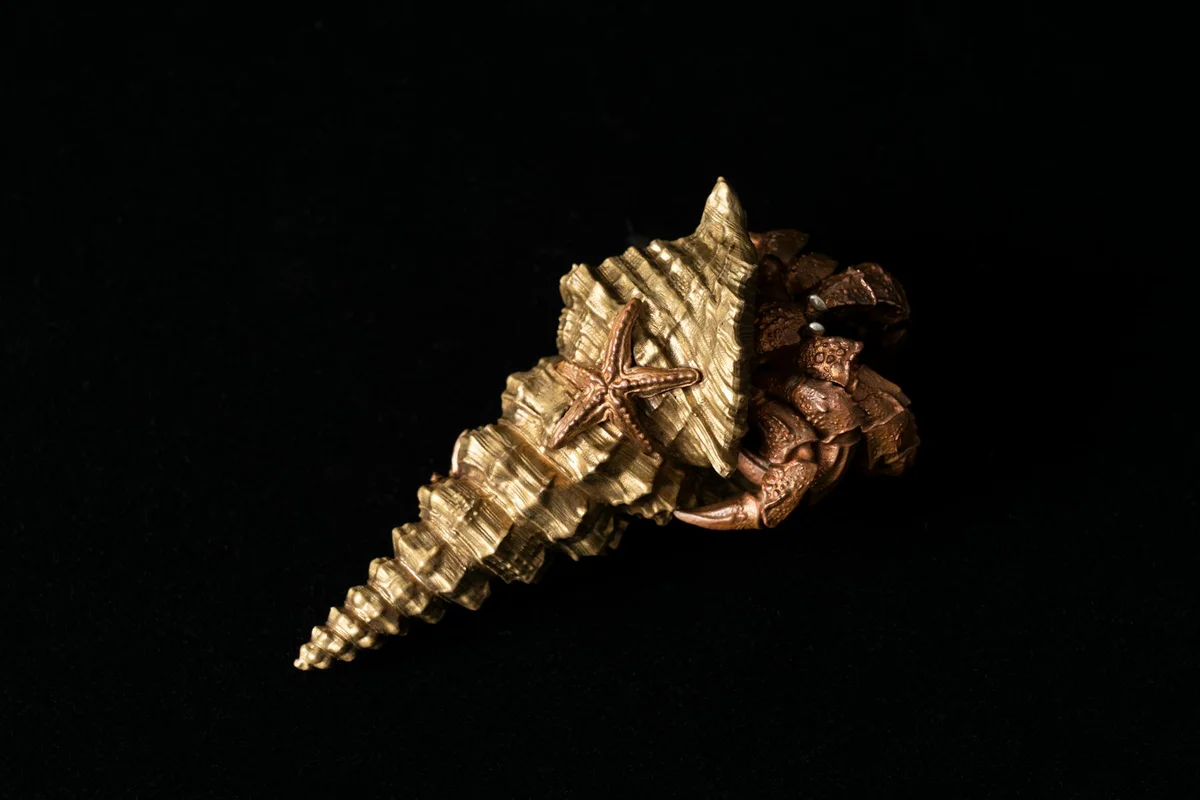
Keeping a watchful eye on your crab’s physique and habits is the first step to managing their weight. I’ve learned that a healthy crab should have a body that can retract fully and comfortably into its shell, not one that seems stuffed inside.
My crab Apollo, for instance, went through a phase where he became less interested in his beloved shell swaps and seemed a bit sluggish. I noticed he wasn’t retracting as deeply as before, which was my cue to reassess his diet. It wasn’t a dramatic change, just a slight puffiness that made him look a bit too snug in his home.
Watch for these symptoms during your daily interactions:
- Difficulty pulling completely back into the shell, leaving legs or claws exposed.
- A noticeable reduction in climbing, digging, or general exploration.
- A body that appears swollen or too large for the shell opening.
- Reluctance to move or a general sense of lethargy during active hours.
- Leaving a food dish untouched, indicating they may have overeaten previously.
Building a Balanced Diet to Prevent Weight Gain
Safe and Unsafe Foods for Hermit Crabs
Just like us, hermit crabs need a balanced diet rich in nutrients, not empty calories. The foundation of a healthy crab diet is fresh organic vegetables, which provide essential fiber and vitamins without the fat. Choosing organic options can reduce potential chemical exposure for these sensitive pets. This simple choice can support their overall health and vitality.
Focus on offering these obesity-friendly foods regularly:
- Leafy greens like kale, spinach, and romaine lettuce.
- Other vegetables such as zucchini, carrots, and sweet potato.
- Unsalted nuts and seeds like almonds and sunflower seeds for healthy fats.
- Lean protein sources including dried shrimp, bloodworms, and plain cooked chicken.
You must be very selective with treats. I strictly limit or avoid these items:
- Commercial, processed hermit crab pellets that are often high in fillers.
- Any human food that is salted, seasoned, or oily.
- Fatty meats and dairy products.
- High-sugar fruits like mango and banana-I offer these only as a tiny, weekly treat.
In my own routine, I never serve a single food item. I create a small medley for my crew, mixing a leafy green base with a few shreds of carrot and a single piece of dried shrimp to ensure they get variety without overindulging in any one thing.
Portion Control and Feeding Schedules
How much you feed is just as critical as what you feed. An easy rule I follow is to provide only what your crabs can finish in a few hours, which typically amounts to a teaspoon or less of total food per crab. In the guide, we also cover portions and feeding frequency, so you know how often to offer meals and how much each time. For most setups, stick to small, frequent portions rather than one large feeding.
Here is my simple process for measuring meals:
- Prepare a small dish or bottle cap to use as a consistent portion guide.
- Fill it with a mix of 75% vegetables and 25% protein or other supplement.
- Place this single portion in the tank in the evening when crabs are most active.
- Remove any uneaten food the next morning to prevent spoilage and overeating.
I stick to a daily feeding schedule for my crabs. Some keepers fast their crabs one or two days a week, but I find a small, consistent daily portion works best for my group’s metabolism. This daily routine prevents the feast-or-famine cycle that can lead to weight gain when they overeat after a fast. Watching Zeus, my more assertive crab, has taught me that without this control, he would happily guard and consume all the food himself.
Supplements and Hydration for Weight Management
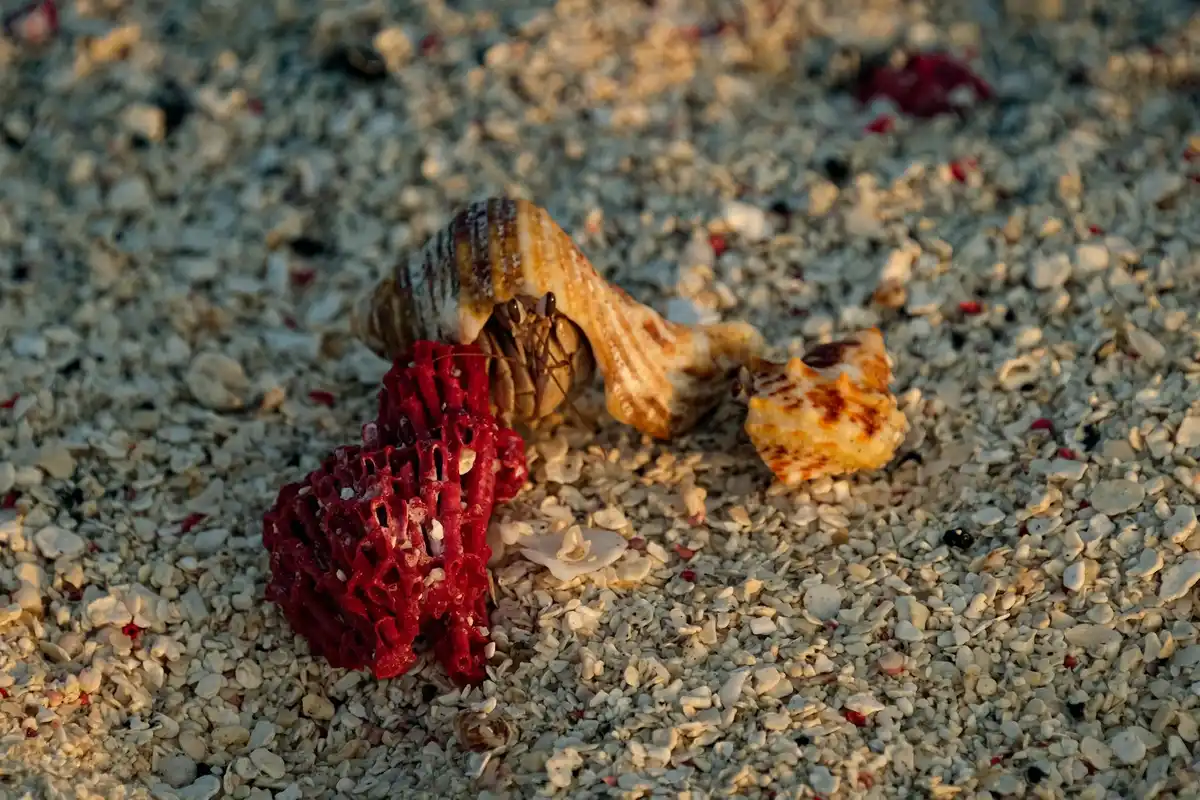
Calcium supplements are not just for strong shells—they play a vital role in regulating your crab’s metabolism and preventing excess weight gain. I always keep a small dish of crushed oyster shell in my tank, and I’ve noticed my crabs, especially Apollo, who’s a bit of a shell hoarder, will nibble on it when their bodies need it most. This self-regulating behavior helps maintain their internal balance without overeating calorie-dense foods. Calcium is essential for healthy shell formation and repair, especially during molts, and directly contributes to shell strength. Without sufficient calcium, shells can become soft or misshapen, compromising the crab’s health.
Hydration is equally critical for weight control. Hermit crabs drink both fresh and saltwater, and the right saltwater mix encourages natural foraging and digestion. Using a marine-grade salt mix in their water dish has kept Poseidon active and less prone to lazy soaking sessions that can lead to weight issues. Proper hydration supports their overall activity levels and helps flush out toxins. It’s essential to ensure they’re consistently drinking the right kind of water for their needs, which you can learn more about in hermit crab hydration.
Here’s a simple guide to supplementing safely:
- Offer calcium sources like oyster shell or cuttlebone in a separate dish, available at all times.
- Change saltwater every other day to keep it clean and inviting for drinking.
- Observe your crabs’ behavior-if they’re ignoring supplements, try different forms like powdered calcium sprinkled on greens.
Habitat and Exercise Tips to Support Diet
A well-designed habitat is your best tool for keeping hermit crabs moving and fit. I’ve seen firsthand how adding climbing structures reduced Zeus’s tendency to guard food spots all day, encouraging him to explore and burn calories. Enrichment turns their home into a dynamic playground that mimics their natural environment. To maximize these effects, provide climbing enrichment structures and regular enrichment activities for hermit crabs. These additions invite ongoing climbing, exploration, and exercise, keeping them mentally and physically active.
Inspired by Hermes’s endless curiosity, I set up mini obstacle courses with safe items like cholla wood and coconut hides. Simple changes, like rearranging decor weekly, spark their instinct to investigate and climb, which naturally increases their exercise. This approach has kept all my crabs, from calm Athena to assertive Zeus, engaged and active.
Try these enrichment items to promote movement:
- Cholla wood bridges for climbing and chewing
- Rocks and driftwood arranged to create vertical challenges
- Shallow digging pits with moist sand for burrowing fun
- Hanging coconut shells that require effort to reach
- Safe, non-toxic plants that encourage exploration and hiding
Monitoring and Adjusting Your Hermit Crab’s Diet

Keeping your hermit crab at a healthy weight isn’t a “set it and forget it” task. You need to become a keen observer of their daily routines and physical condition to spot subtle changes early. What works for one crab might be too much for another, so personalized care is essential. Properly handling your hermit crab also means understanding their behavior and stress signals so you can respond quickly when something isn’t right. By learning these cues, you can adjust handling, habitat, and routines to keep them calm and healthy.
Simple Methods for Tracking Weight and Behavior
You don’t need fancy equipment to be an effective crab health monitor. I use a few straightforward techniques every week. You can document and track your hermit crab’s health with a simple log. This helps you spot changes over time and catch issues early.
- The Shell Fit Check: This is my number one go-to. A crab that is becoming too large for its shell might look “puffy” or have too much body mass exposed. If they can’t fully retract into their shell, it’s a major red flag. My crab Apollo loves collecting shells, but I watch to ensure he can still fit comfortably in his favorites.
- Behavioral Journals: I keep a small notebook for my crabs. I jot down quick notes: “Hermes very active, climbed all over cholla wood,” or “Athena stayed in one spot, didn’t touch dinner.” Over time, these notes reveal patterns. A sudden drop in activity can sometimes indicate a crab is feeling sluggish from overeating.
- The Food Bowl Test: Pay close attention to what is left uneaten. If the protein is always gone but the veggies remain, you have a clear signal. My dominant crab, Zeus, used to guard the shrimp, so I had to adjust his portions separately to ensure the others got a balanced meal.
Steps to Tweak the Diet Based on Your Observations
Your observations are useless without action. Here is how I adjust my crew’s meals when I notice potential weight gain.
- Identify the Culprit: Look at your feeding log. Has a high-fat food like peanut butter or sunflower seeds been offered too frequently? Has protein been given daily instead of a few times a week?
- Reduce the Offender: If you suspect protein is the issue, immediately cut back. I offer protein to my crabs only 2-3 times per week. On other days, their diet consists of greens, fruits, and other plant-based foods.
- Increase Low-Calorie Options: Fill the food dish with more leafy greens, carrots, and seaweed. These foods provide vital nutrients and fiber without the fat. Poseidon, who loves to dig, gets especially excited when I bury bits of zucchini in his substrate for him to find.
- Re-evaluate in Two Weeks: Diet changes take time to show results. Give your new feeding routine at least two weeks before you decide if it’s working or needs further adjustment.
My Personal Weekly Health Check Routine
Every Sunday evening, I do a quick wellness round. This habit helps me catch small issues before they become big problems.
- I observe each crab from outside the tank, noting their location and activity level.
- I check that everyone can retract fully into their shells.
- I look at their overall body condition-are their legs and claws looking proportionate, or is the body looking unusually round?
- I review my feeding notes from the past week and plan the menu for the week ahead.
This routine takes me less than fifteen minutes. To keep the substrate fresh and support optimal health, I refresh it regularly. This is usually every 1-2 weeks, sooner if it gets damp or moldy. This small investment of time ensures my crabs stay active and healthy for years to come.
FAQs
Is fasting an effective method for weight management in hermit crabs?
Fasting is not generally recommended as it can disrupt their metabolism and lead to overeating when food is available. Instead, provide small, measured daily portions to maintain a consistent energy balance.
What are some healthy, low-calorie snack options for hermit crabs?
Focus on fresh vegetables like kale or zucchini, which offer essential vitamins and fiber without high calories. You can also offer small amounts of unsalted seeds or dried shrimp as occasional treats to vary their diet.
How can I monitor my hermit crab’s hydration levels?
Watch for active drinking from both fresh and saltwater dishes, and ensure the substrate remains slightly moist to support hydration. Signs of dehydration include lethargy or a dry appearance, so adjust water availability if needed.
In Closing
Keeping your hermit crab at a healthy weight boils down to a simple, powerful routine: Offer commercial pellets sparingly as a treat and build their main diet around fresh, low-fat vegetables, lean proteins, and calcium sources. Pair this with a habitat that encourages natural foraging and climbing behaviors, and you’ll be well on your way to providing a long, active, and healthy life for your shelled friend.
Further Reading & Sources
- What Do Hermit Crabs Eat?
- What Can Hermit Crabs Not Eat? 13 Food Categories to Avoid
- Care: Safe Food List – HCA: Hermit Crab Association
The Crab Central is your ultimate resource for hermit crab enthusiasts, providing expert advice and practical tips to ensure the health and happiness of your shelled companions. With years of experience in crustacean care, we are dedicated to offering accurate, up-to-date information to support your hermit crab journey. Our mission is to foster a community of responsible hermit crab owners who are passionate about the well-being of these fascinating creatures.
Types of Food