What Are the Key Stages in a Hermit Crab’s Lifecycle?
Published on: September 13, 2026 | Last Updated: September 13, 2026
Written By: The Crab Guru
Understanding your hermit crab’s lifecycle transforms how you care for them as they grow and molt.
I’ve raised hermit crabs like Hermes and Apollo for years, and I’ll guide you through each stage based on my daily observations.
Pay close attention to molting signs-it’s their most vulnerable and growth-critical phase.
We’ll cover the journey from egg and larval stages to adulthood, including molting, shell changes, and how to support them at each step.
Introduction to Hermit Crab Development
Knowing the stages your hermit crab goes through is the foundation of good care. This knowledge transforms you from a simple owner into a true advocate, allowing you to recognize natural behaviors and provide for their specific needs at every phase of life. From juvenile to adult, these life stages determine shell needs, activity levels, and enclosure requirements. Tailor care as they mature to keep them healthy and thriving.
I vividly remember watching my crab, Hermes, become incredibly restless, digging and climbing more than usual. I initially worried, but then I realized he was simply preparing for a molt, a critical and vulnerable part of his growth. Observing this natural process firsthand taught me the importance of providing a safe, stress-free environment for these crucial moments.
As pet owners, we have a responsibility that extends beyond just providing food and water. Understanding their lifecycle is fundamental to ensuring their well-being and respecting the complex creatures they are.
The Egg and Early Larval Stages
The lifecycle begins in a way most pet owners will never see. A female hermit crab carries hundreds of tiny, brooded eggs on her abdomen for about a month. When conditions are right, typically around a full moon, she ventures into the ocean to release her eggs, which immediately hatch upon contact with the saltwater. This natural cycle shows why a stable home matters for pet hermit crabs. It’s a core topic in the essential guide to raising hermit crab pets.
This is where their journey becomes truly marine. The newly hatched larvae are pelagic, meaning they drift and swim in the open ocean as part of the plankton. Scientists are studying whether hermit crabs migrate between habitats in the wild and how their movement patterns may differ in captivity. This pelagic stage is the primary reason breeding hermit crabs in captivity is exceptionally difficult; they require specific oceanic conditions we simply cannot replicate at home.
They progress through several distinct larval phases, each with unique characteristics.
- The Nauplius Stage: This is the first form after hatching. It is a microscopic, non-feeding stage that relies on its yolk sac. This phase is very brief, often lasting only a few hours.
- The Zoea Stage: The larva molts into the zoea stage, which is long and critical. It has a long, spiny body and uses its appendages to swim and feed on plankton. This stage involves several molts and can last from one to two months, a perilous time where the tiny larvae are vulnerable to predators.
Transition to Land: Megalopa and Settlement
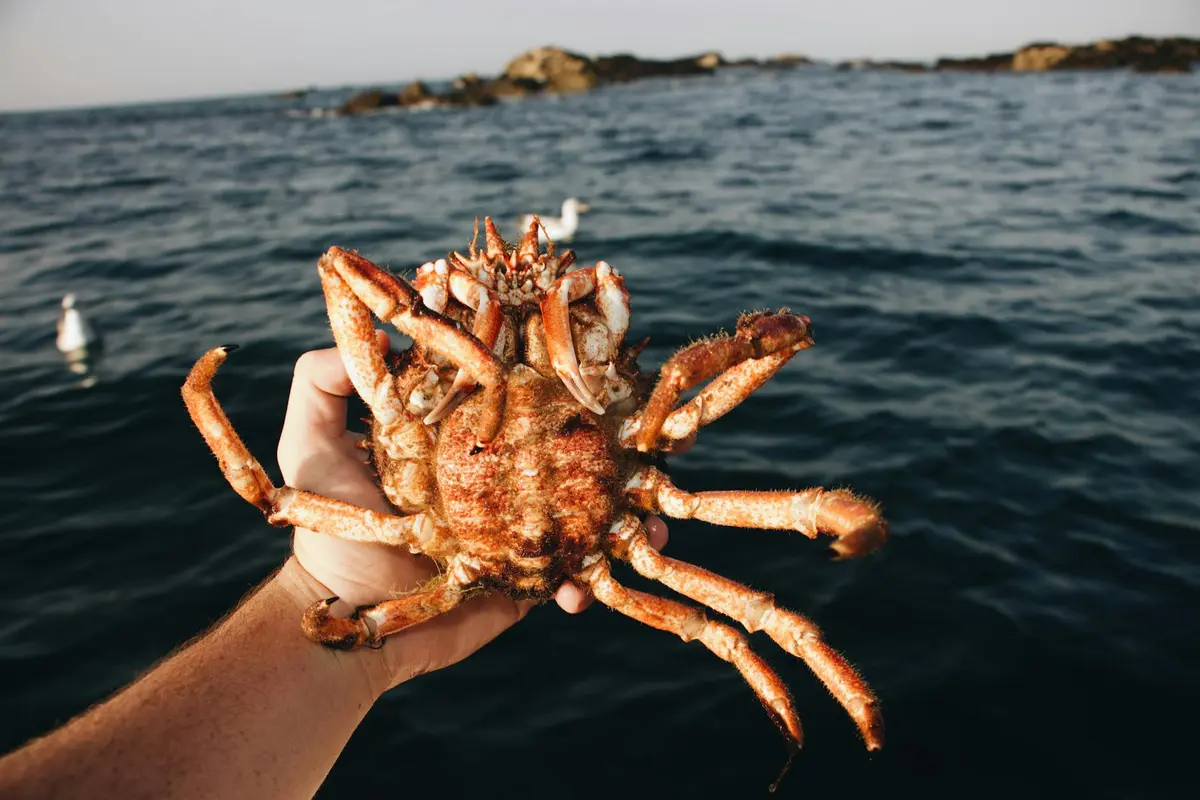
After their free-swimming zoea phase, hermit crab larvae enter a critical stage known as the megalopa. This is the final larval stage before they become true land dwellers. The megalopa stage is a dramatic physical transformation where the creature begins to look recognizably like a crab. They develop larger claws and walking legs, and their abdomen, which was once straight, begins to curve and soften in preparation for life inside a shell.
The settlement process is when the megalopa abandons its planktonic life for good. It seeks out the seabed, often in shallow tidal zones, driven by an instinct to find its first shell. This initial shell acquisition is a matter of life and death. Finding that first shell is the single most important event for a young crab’s survival, offering protection from predators and preventing fatal desiccation. My crab Poseidon, to this day, exhibits behaviors rooted in this period, constantly testing and digging in moist substrate as if remembering his first journey onto land.
Here are the key steps in this vital transition:
- The megalopa uses its newly developed legs to crawl along the ocean floor.
- It locates an empty gastropod shell and meticulously inspects it for size and suitability.
- The crab backs into the shell, using its curved abdomen to grip the interior column.
- Once securely housed, it emerges from the water and begins its terrestrial life.
This entire process signifies the crab’s readiness for the juvenile stage. Successfully settling into a shell equips the juvenile crab with the fundamental tool it needs to navigate the world beyond the water.
Juvenile Growth and Shell Exchange
The juvenile stage is defined by rapid growth and constant change. A young crab’s primary activities are eating, molting, and trading up to larger shells. Molting is the biological process where the crab sheds its old exoskeleton to allow for a larger one to harden beneath. I’ve observed this with my fast-growing crab, Hermes; after a molt, he’s noticeably bigger and his colors are more vibrant.
As a juvenile crab grows, its need for adequate shelter evolves rapidly. The shell that was a perfect fit one week can become a cramped prison the next. Frequent shell exchanges are a natural and necessary part of a juvenile crab’s life as it experiments to find the perfect mobile home. My crab Apollo has a whole collection he rotates through, showing a clear preference for certain shapes and weights.
You can monitor your crab’s development by watching for these signs of healthy growth:
- Regular, successful molts with a full recovery.
- Consistent appetite and active foraging behavior.
- Frequent investigation of empty shells in the habitat.
- A smooth, undamaged exoskeleton and clear, bright eyes.
Expect to see shell changes most often shortly after a molt when the crab has increased in size. Providing a generous variety of clean, appropriately sized shells is one of the most impactful things you can do to support your growing crab’s welfare. A crab trapped in a too-small shell cannot develop properly and is under immense stress, something I am always vigilant about preventing with my own clan.
Adult Stage: Maturation and Reproduction

Watching a hermit crab reach full adulthood is a rewarding experience for any owner. Sexual maturity is typically reached between two and four years of age, a milestone I’ve observed with my own crabs, Hermes and Apollo. You’ll notice distinct mating behaviors, which often begin with the male crab rocking the female’s shell back and forth. The actual mating process is a delicate shell-to-shell encounter that can last several minutes. Do hermit crabs reproduce? In many species, the female carries eggs under her abdomen for a few weeks before they hatch into free-swimming larvae, and captive breeding is challenging because the larvae require specific marine conditions.
After a successful mating, the female will later release thousands of tiny, berry-like eggs that she carries on her abdomen. These eggs are a deep maroon color when first laid. It’s crucial to understand that raising these larvae to adulthood in a home setting is exceptionally difficult, as they require a precise marine environment.
Identifying an adult crab goes beyond just size. You can spot them by their fully developed, hardened leg and claw structure. Their behavior also shifts; they become more confident and deliberate in their movements. My crab Zeus, for instance, became far more assertive around food sources once he fully matured.
| Type | Average Adult Size | Common Behaviors | Personal Note |
|---|---|---|---|
| Caribbean | 3-6 inches | Highly active, excellent climbers, can be territorial | Hermes and Zeus are always on the move, exploring every corner. |
| Ecuadorian | 2-4 inches | More terrestrial, enjoys heat, often seen “sunbathing” | Apollo spends hours perfectly positioned under the heat lamp. |
| Strawberry | 4-6 inches | Generally calmer, less aggressive, slower-moving | Athena is my most placid crab, often found in a quiet hide. |
The Molting Process Across Life Stages
Molting is the single most critical and dangerous process in a hermit crab’s life. It is how they grow, regenerating lost limbs and emerging with a new, larger exoskeleton. Younger crabs may molt every few months, while adults like my five-year-old Zeus might only molt once every 12-18 months. The process is exhausting and leaves them incredibly vulnerable. Many owners wonder what the most common molting problems are and how to solve them. Fortunately, there are practical solutions to help hermit crabs get through molts safely.
I’ve gone through many molts with my crabs, but Athena’s last one was particularly memorable. She buried herself for nearly ten weeks. The anxiety of not knowing if she was okay was intense, but the joy of seeing her finally surface, vibrant and healthy, was immense.
The Three Stages of Molting
- Pre-Molt: Your crab will become lethargic and may dig frequently. It will eat and drink excessively to store energy and begin forming a new exoskeleton under the old one. You might notice a cloudy, ashy appearance to its skin.
- Molting: The crab digs a large underground chamber for safety. It then flexes its body until the old exoskeleton splits and it slowly wriggles out. The empty exoskeleton, or exuvia, is often eaten by the crab to reclaim vital calcium and nutrients.
- Post-Molt: The crab’s new exoskeleton is soft and pale. It will remain hidden until its shell hardens, which can take from a few weeks to over a month for large crabs. They are very fragile during this time.
How to Support Your Molting Crab
- Never dig up a buried crab. You risk causing severe injury or a fatal failed molt.
- Ensure the substrate is deep enough for the largest crab to bury completely-at least 6 inches or 3 times its height.
- Maintain high humidity, as this is essential for the crab to expand its new exoskeleton.
- Leave the old exoskeleton in the tank. It is a vital source of nutrition for them.
- Isolate a surface molter in a protective container within the main tank to keep it safe from tank mates.
Practical Care Tips for Each Lifecycle Stage
Caring for a hermit crab is a long-term commitment, and their needs shift dramatically as they grow. I’ve had to adapt my care routines significantly for each of my crabs as they’ve aged, from the tiny juvenile Apollo to the much larger and more dominant Zeus. Here’s how you can tailor your habitat to support every stage of their incredible journey and maximize their lifespan.
Eggs & Zoea Larvae
This stage is incredibly delicate and rarely seen in home tanks, as it requires near-perfect marine conditions.
- Housing & Environment: Eggs are carried by the female, but once hatched, the microscopic zoea larvae need a fully saltwater environment. A separate, established saltwater aquarium with strong aeration and gentle water flow is non-negotiable.
- Diet: Zoea are filter feeders. You must provide microscopic food like phytoplankton, rotifers, and eventually newly hatched brine shrimp nauplii.
- Special Precautions: This is the most challenging stage with a very high mortality rate in captivity. Maintaining pristine, stable water quality is the single most important factor for any chance of success.
Juveniles (Land-Based)
This is the stage when you typically bring a crab home! They are small, vulnerable, and growing fast.
- Housing & Substrate: A 10-gallon tank is a good start for a couple of small juveniles. Provide a substrate mix of play sand and coconut fiber that is at least 3-4 inches deep and sand-castle wet to allow for proper digging and molting.
- Humidity & Temperature: Juveniles desiccate quickly. Maintain 80% humidity and a temperature gradient of 75-85°F using an under-tank heater and a sealed lid.
- Diet: They need a lot of protein and calcium for growth.
- High-quality commercial hermit crab food
- Finely crushed eggshells or cuttlebone
- Small pieces of shrimp, mealworms, or bloodworms
- Fresh fruits (mango, apple) and vegetables (sweet potato, leafy greens)
Adults
Adult crabs, like my Zeus and Athena, are more robust but have their own specific needs, especially regarding space and shell selection.
- Housing & Substrate: Adults need much more space. A 20-gallon tank is the absolute minimum for one, with 10+ gallons per additional crab. Substrate depth must be at least 6-8 inches, or three times the height of your largest crab, to allow for safe molting. I learned this the hard way when Hermes tried to molt in a corner with shallow sand and became stressed.
- Humidity & Temperature: The parameters are the same as for juveniles (80% humidity, 75-85°F), but in a larger tank, you need to be more diligent about monitoring with gauges at both ends.
- Diet: A varied, omnivorous diet is key to long-term health.
- Base of commercial pellets or grains
- Leafy greens and brightly colored vegetables
- Protein sources 3-4 times a week (fish, unseasoned chicken, shrimp)
- Always have calcium available (cuttlebone is a favorite)
- Nuts, seeds, and unsweetened coconut as treats
Special Focus: The Molting Process
Molting is not a lifecycle stage but a recurring, critical event within each stage. When a crab digs under the sand, it is entering the most vulnerable period of its life, and your job is to be a vigilant guardian.
- Isolate if Necessary: In a community tank, other crabs may bother or even eat a molting crab. I use a small, separate “iso-tank” with identical conditions if I see a crab going under.
- Do Not Disturb: Never dig up a molting crab. They can be down for weeks or even months. Trust the process.
- Post-Molt Care: Once they surface, they will be soft, pale, and very hungry. Leave their old exoskeleton in the tank, as they will eat it to reabsorb the precious calcium and nutrients. Offer extra protein and calcium-rich foods.
Breeding and Hatchling Care in Captivity
Successfully breeding hermit crabs and raising the young is the pinnacle of hermit crab care, presenting immense challenges. While I have not yet attempted a full breeding project myself, the consensus among expert breeders is that it requires a dedicated, multi-tank setup and relentless attention to detail. Understanding these challenges can guide us to practical solutions. In the following sections, we’ll cover common breeding hurdles and the best ways to address them.
- Create Optimal Conditions for Mating: Begin with a perfectly maintained primary habitat. This means a very large tank, high-quality nutrition, and pristine conditions. Mating is often triggered by perfect humidity and a simulated rainy season with warm misting.
- Support the Gravid Female: After mating, the female will carry hundreds of eggs on her abdomen. Increase her access to both fresh and salt water, and boost her diet with extra marine-based proteins like plankton and krill.
- Prepare a Larval Rearing Tank: Before the eggs hatch, you must have a separate, cycled saltwater aquarium ready. It needs a powerful sponge filter for gentle filtration, an air stone for oxygenation, and a heater to maintain a stable 78-80°F.
- Transfer the Zoea: Once the female releases the zoea into the saltwater pool, you must carefully siphon them into the prepared larval tank. This must be done gently to avoid shock.
- Manage the Larval Stage: This is the most difficult part.
- Feed microscopic foods like phytoplankton multiple times a day.
- Perform small, daily water changes to keep the water immaculate without siphoning out the tiny larvae.
- Watch as they go through several molts, gradually introducing larger foods like baby brine shrimp.
- Transition to Land: After several weeks, the larvae will metamorphose into a post-larval “glaucothoe” stage, which looks like a tiny, soft hermit crab. This is the critical moment to provide a slowly sloping land area with damp sand and miniature shells for them to choose from.
The journey from egg to land-dwelling juvenile is fraught with peril, and even expert breeders consider a 1-2% survival rate a success. Patience, meticulous preparation, and a commitment to replicating the ocean’s delicate balance are the only paths forward for anyone attempting this incredible feat.
Common Questions
How can I tell if my hermit crab is molting or dead?
A molting crab will often be buried and may have a slight, sour smell, while a deceased crab will have a strong, foul odor. You should never dig up a buried crab, as disturbing a molter can be fatal.
How often should my hermit crab change shells?
A healthy crab may change shells frequently, especially after a molt when it has grown, or simply out of preference. Providing a variety of clean, appropriately sized shells is crucial to support this natural behavior.
What is the typical lifespan of a pet hermit crab?
With proper care, hermit crabs can live for many years, with some species reaching 10-15 years or more in captivity. Their lifespan is heavily influenced by the quality of their habitat, diet, and stress levels during critical events like molting.
Witnessing the Incredible Journey
From a microscopic zoea swimming in the ocean to a terrestrial juvenile exploring your crabitat, a hermit crab’s lifecycle is a profound transformation. Providing a stable, enriched habitat with proper nutrition, humidity, and spare shells is the single greatest way you can support them through every single one of these incredible stages. Do create a perfect habitat for molting hermits by maintaining steady humidity and safe temperatures. During molts, minimize handling and give them undisturbed space to shed. Observing their growth and molting cycles is one of the most rewarding parts of sharing your home with these fascinating creatures.
Further Reading & Sources
- Hermit Crab Life Cycle
- Hermit crab – Wikipedia
- Hermit Crab Life Cycle: Shell Exchange & Conservation
The Crab Central is your ultimate resource for hermit crab enthusiasts, providing expert advice and practical tips to ensure the health and happiness of your shelled companions. With years of experience in crustacean care, we are dedicated to offering accurate, up-to-date information to support your hermit crab journey. Our mission is to foster a community of responsible hermit crab owners who are passionate about the well-being of these fascinating creatures.
Caring for Eggs and Hatchlings