Hermit Crab Photo Gallery and Visual Guide
Published on: December 11, 2025 | Last Updated: December 11, 2025
Written By: The Crab Guru
Have you ever tried to take a picture of your hermit crab, only for it to disappear into its shell the moment you get close?
After years of caring for my five unique crabs, I’ve learned how to capture their true personalities on camera.
The secret is often in the lighting-a soft, indirect light source keeps them calm and curious.
In this guide, you’ll find a full visual guide to crab species, plus a hermit crab species identification visual guide to help distinguish them at a glance. You’ll also get tips for creating a photogenic habitat, a gallery of crab behaviors explained, and my best methods for safe shell selection.
How to Use This Hermit Crab Visual Guide
This gallery is your shortcut to becoming a confident crab caretaker. Its main purpose is to help you quickly identify your crab’s species and understand its specific needs at a glance. I created it because I remember the confusion I felt when I first got Hermes, my fast-moving Caribbean crab, and couldn’t figure out why his behavior was so different from Apollo, my laid-back Ecuadorian.
Follow these steps to get the most from the photos.
- Scan the overall body shape and color first to narrow down the species.
- Look closely at the shell type and size-a poor fit can signal a health issue.
- Observe the leg and claw position for clues about their mood and wellbeing.
You can apply these visual cues every single day. Noticing a subtle color change or a new digging spot, like Poseidon loves, can alert you to a potential problem or simply show you what makes your crab happy.
Navigating the Photo Gallery for Fast Answers
To find what you need quickly, mentally filter the images by category. Look for a specific species, a behavior you’re curious about, or a particular shell shape. This method saved me from panic when I first saw Athena, my Strawberry crab, tucked away in a quiet corner; I was able to reference similar photos and learn this was just her calm, observant nature.
Key Elements to Focus On in Each Image
Pay close attention to three things. Look at the vividness of the color patterns—a dull crab might be due for a molt. Examine the leg anatomy; all legs should be intact and active. Most critically, check the shell fit, as a crab that is too exposed, like my assertive Zeus sometimes is, needs a bigger home immediately. Common shell problems like cracks or poor fit can be fixed by offering a properly sized, smooth shell. Allow time for the crab to move into the new shell.
Identifying Hermit Crab Species Through Visual Cues
Seeing clear, high-quality photos makes species identification so much easier. The differences between a Caribbean, Ecuadorian, and Strawberry hermit crab become obvious once you know what to look for. My own group showcases this beautiful variety, from the deep purples of the Caribbeans to the stunning oranges of the Strawberry.
Use this quick list for easy skimming.
- Caribbean Hermit Crab: Often purple or blue tones, round eyes, very active.
- Ecuadorian Hermit Crab: Longer, more slender eyestalks, often tan or brown, loves heat.
- Strawberry Hermit Crab: Bright red or orange spots, a smoother exoskeleton, generally calm.
Caribbean Hermit Crab Portraits
My Caribbeans, Hermes and Zeus, are perfect examples of this species’ energy. In their photos, you’ll see their compact bodies and a clear preference for turbo-shaped shells that allow for their fast-moving, climbing lifestyle. Zeus, being more dominant, often chooses shells with a wider opening, which he can guard more effectively.
Ecuadorian and Strawberry Hermit Crab Examples
Apollo the Ecuadorian is a master of relaxation. His photos will often show him fully extended, basking directly under the heat lamp, a classic Ecuadorian trait. In contrast, Athena the Strawberry is a picture of serenity. Her images capture her calm posture and how she prefers to observe the world from a secure, hidden spot.
Shell Selection and Anatomy in Focus
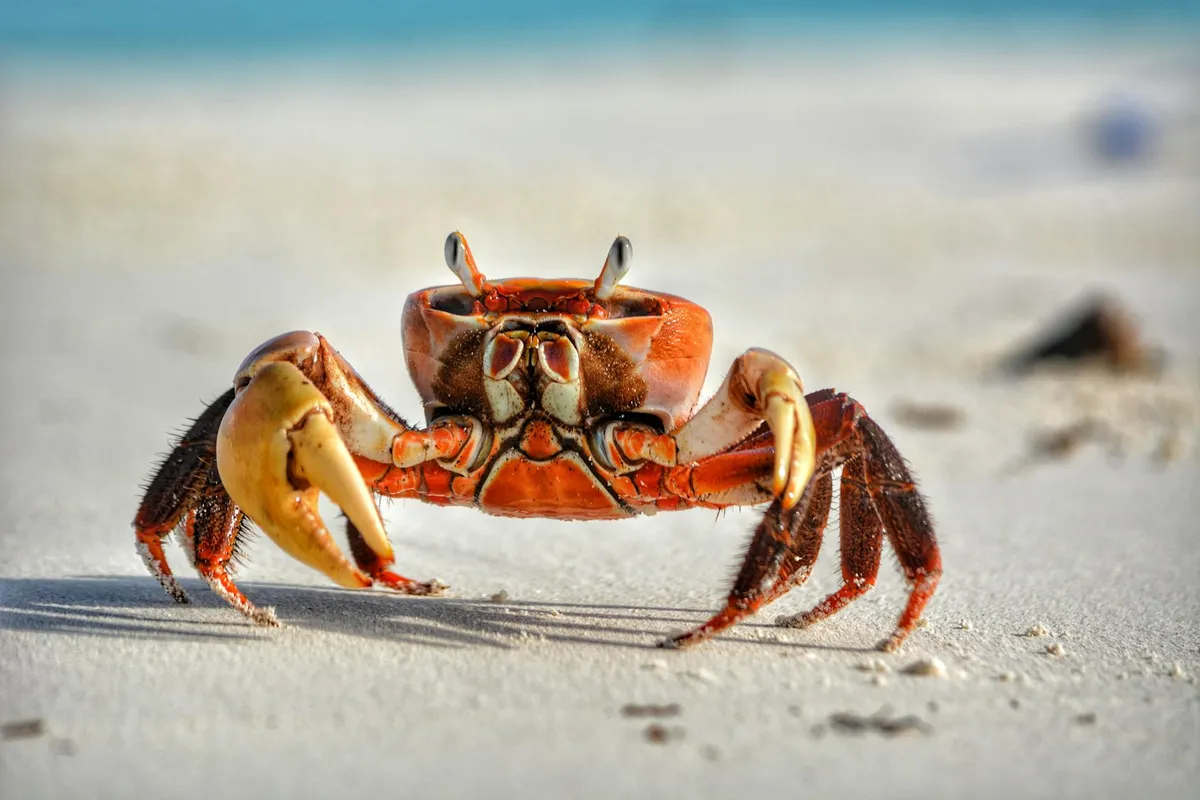
Choosing the right shell is one of the most critical aspects of hermit crab care, and it’s a process I’ve spent years observing with my own clan. A proper shell is more than a home; it’s a portable fortress that protects their soft, vulnerable abdomen from injury and dehydration. This attention to shell choice is not just practical—it’s rooted in the science of how hermit crabs select shells. Researchers have shown that crabs assess size, thickness, and aperture to balance protection with mobility. I’ve watched my crabs spend hours meticulously inspecting new additions to their habitat.
Common Shell Types and Their Benefits
Not all shells are created equal. Through trial and error with my crabs, I’ve learned which types they prefer and why. These findings touch on the science behind shell selection in hermit crabs. They show why certain shells feel perfect for a crab’s size and needs.
- Turbo Shells (Green Turbo, Mexican Turbo): These are the gold standard in my tank. Their round, smooth aperture and sturdy structure make them a top choice. They are typically made of calcium carbonate, which can provide a slight dietary mineral supplement as the crab rasp at the interior.
- Babylonia Shells: These are a favorite for their lightweight nature and long, spiral shape. My crab Apollo is particularly drawn to them for his collection, often trying on several before making a choice.
- Murex Shells: These shells are fascinating with their spiny projections. I offer them sparingly as they can sometimes snag on tank decor, but they provide excellent grip and a unique sense of security for some individuals.
- Dolphin Shells: Recognizable by their dolphin-head-like shape, these are another lightweight option. They are great for smaller crabs or species like Ecuadorians that prefer less heavy armor.
Visual Guide to Shell Sizing and Fit
Avoiding vague advice is key. You can’t just guess. Here is my simple, photo-backed method for assessing shell fit.
- The Big Claw Test: A properly sized shell is one where your crab’s large claw can completely block the entrance. In photos, you should see the claw fitting snugly into the aperture, not recessed deep inside.
- Body Positioning: Your crab should be able to retract fully into the shell without any part of its body, especially its legs, being left exposed. A crab that can’t fully hide is in a shell that is too small.
- The “Jiggle” Factor: When the crab moves, the shell should not wobble or jiggle excessively. A shell that is too large will be cumbersome and difficult for the crab to maneuver.
- Easy Movement: The crab should be able to walk and climb normally. If it’s struggling to lift the shell or tipping over, the shell is likely too heavy or bulky.
My crab Apollo has a peculiar hobby: he doesn’t just choose a shell, he collects them. I’ll often find him rearranging his favorite turbos and babylonias in a corner of the tank. I source most of my shells from reputable online pet stores and craft shops, always ensuring they are thoroughly boiled and rinsed to remove any chemical residues. Offering a variety is non-negotiable; a poor shell fit can directly impact a crab’s ability to molt successfully by not providing a secure, humid micro-environment for the process. If you’re wondering where to buy hermit crab shells safely, this quick shopping guide highlights safe sources. Look for reputable pet stores and sellers who disclose shell preparation and sanitation practices.
Molt and Health Indicators in Photos
Molting is the most stressful and dangerous time in a hermit crab’s life. Recognizing the signs early through visual cues can mean the difference between a successful molt and a tragedy. I’ve guided Hermes, Apollo, Athena, Zeus, and Poseidon through many molts, and each one teaches me something new.
My crab Poseidon, for instance, always signals an impending molt by engaging in marathon digging sessions. He’ll disappear for days, creating intricate tunnels in the moist sand substrate. This behavior is a clear visual indicator that he’s preparing to isolate himself. Macro photography is invaluable here, allowing you to see the subtle details of their exoskeleton. A healthy exoskeleton should look vibrant and solid, while a crab in pre-molt may appear ashy or dull.
Recognizing Early Molt Symptoms
Keep your eyes peeled for these visual changes. Catching them early allows you to provide the isolation and quiet they need.
- Cloudy, Ashy Exoskeleton: The most tell-tale sign. Their normally bright color will fade to a dusty, grayish tone. This is the old exoskeleton separating from the new one forming underneath.
- Lethargy and Reduced Activity: A normally active crab like Hermes becoming sluggish and spending most of its time near the water dish is a major red flag.
- Cloudy Eyes: In species where you can see them, their eyestalks may take on a milky, opaque appearance.
- Increased Digging or Burrowing: As with Poseidon, this is a primal instinct to find a safe, dark, and humid place to undergo the vulnerable molting process.
- Rasping at the Abdomen: You might see them frequently reaching back to scratch their abdomen with their smaller legs, a sign of discomfort as the skin separates.
After a molt, the new exoskeleton is soft and incredibly vulnerable. Post-molt photos reveal a crab with incredibly bright, almost neon coloring and a soft shell that will harden over several weeks. It is absolutely vital not to disturb a molting crab. I provide deep substrate and always err on the side of leaving them completely alone, trusting that they know exactly what they are doing.
Behavior and Habitat Portraits for Better Care
-
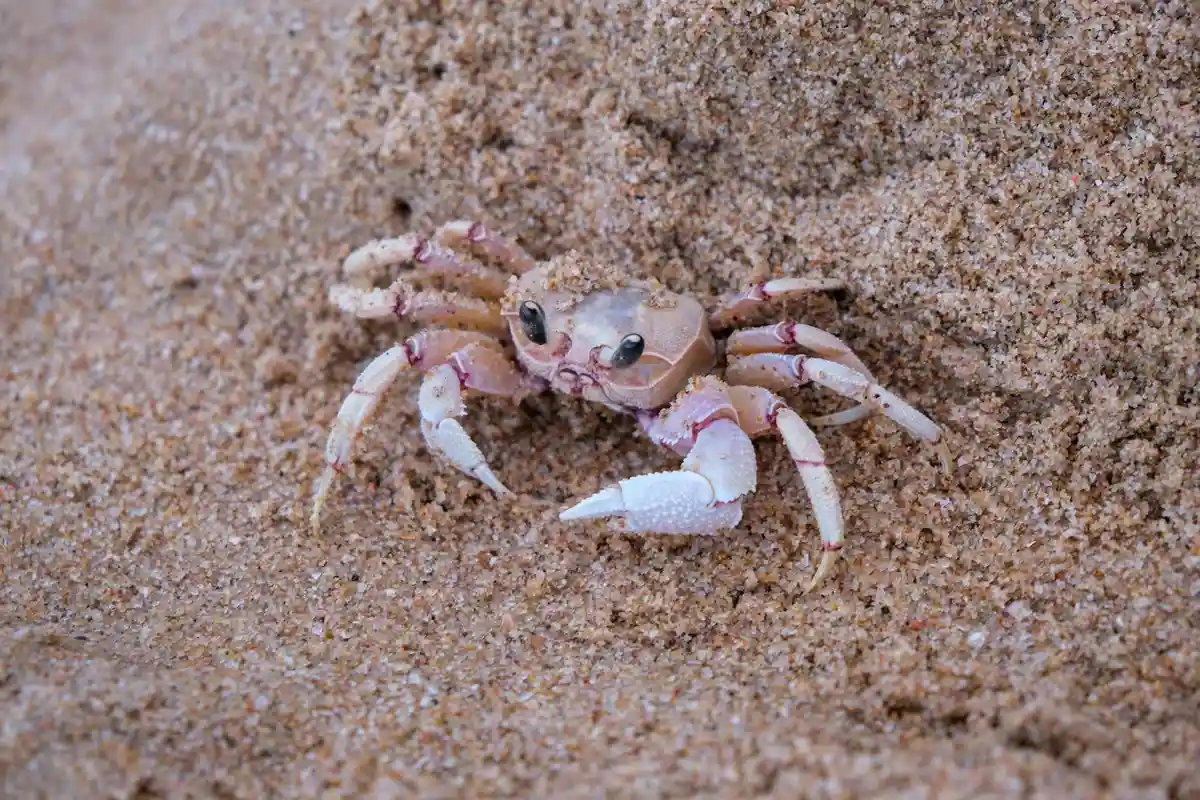
I always keep my camera ready to capture natural hermit crab antics. Hermes, my Caribbean crab, is a master climber, and I’ve snapped him scaling cholla wood dozens of times. Poseidon loves to dig, and his burrowing sessions in the moist sand are a favorite subject. Photographing these raw moments gives you a blueprint for what your crabs need to feel at home. That blueprint helps you create a hermit-crab-friendly home. Keep humidity steady and provide safe climbing options.
-
My tank setups are designed around my crabs’ personalities, and photos help me share these ideas. Apollo adores his heat lamp, so I created a basking spot with a flat stone underneath. For Poseidon, I maintain a deep, damp sand pit. Visualizing these zones through photos lets you replicate a comfortable, species-specific habitat. When choosing decor for your hermit crab tank, pick safe, stimulating pieces—driftwood, cork bark, and coconut hides—to encourage exploration. Avoid sharp edges or toxic paints; prioritize inert substrates and textures your crabs can climb.
-
Looking at photos of my crabs interacting or exploring reminds me they crave a slice of the wild. I use images of Zeus near the food dish to illustrate social hierarchies. These visuals are powerful tools for building a home ecosystem that supports natural instincts and promotes animal welfare.
Documenting Daily Hermit Crab Activities
-
I created a photo diary of my crabs’ routines, and it transformed my care approach. One sequence shows Athena slowly emerging to eat at dusk. Another captures Hermes investigating a new shell. Reviewing these daily snapshots helps you spot healthy patterns or subtle changes in behavior early.
Creating Your Own Hermit Crab Photo Gallery

-
Macro photography lets you see the world from your crab’s perspective. I use a clip-on macro lens for my phone to photograph tiny shell scratches or Apollo’s delicate leg joints. Getting up close reveals critical details about shell fit and overall crab health.
-
I share my best crab photos in online forums to help new owners. When I posted Zeus guarding his food, it sparked a conversation about managing multiple crabs. Sharing your gallery builds a community that champions informed, compassionate hermit crab care.
-
My personal gallery tracks each crab’s journey over the years. I have photos of Apollo switching into a larger turbo shell last fall. Documenting shell changes and growth milestones provides a visual health record you can reference forever.
Essential Equipment and Settings for Crab Photography
-
You don’t need fancy gear. I use my smartphone and a small tripod for stability. Soft, natural light from a window works beautifully. Steady hands and patience will get you clearer, more informative images than any expensive camera.
FAQs
How often should I clean my hermit crab’s enclosure?
Perform spot cleaning daily to remove waste and uneaten food to prevent mold and bacteria. Do a full substrate change every 3-6 months, depending on tank size and crab population, to maintain a healthy environment. Regularly monitor moisture and odor; if the substrate stays damp or mold appears, perform a partial refresh sooner to keep conditions optimal for health. Between full changes, light, frequent substrate refreshes help maintain optimal health for hermit crabs.
What should I feed my hermit crab for a balanced diet?
Offer a varied diet including commercial hermit crab food, fresh fruits, vegetables, and calcium sources like cuttlebone. Avoid salty, sugary, or processed foods to support their overall health and proper molting. This is part of a complete hermit crab diet feeding guide to help you plan balanced meals.
How can I tell if my hermit crab is stressed or unhealthy?
Signs of stress include excessive hiding, lethargy, loss of limbs, or a foul odor from the shell. Ensure proper habitat conditions and consult a vet if symptoms persist, as stress can lead to serious health issues. Knowing when your hermit crab is stressed is crucial for its well-being.
In Closing
Your photo gallery is more than just a collection of pictures; it’s a powerful tool for monitoring your crab’s health, tracking their growth, and celebrating their unique personalities. I hope this visual guide helps you see your pets in a new light, encouraging a deeper connection and more attentive care for their well-being.
Further Reading & Sources
- 26+ Thousand Hermit Crab Royalty-Free Images, Stock Photos & Pictures | Shutterstock
- Hermit Crab Images – Browse 33,968 Stock Photos, Vectors, and Video | Adobe Stock
- 7,041 Hermit Crab Stock Photos – Free & Royalty-Free Stock Photos from Dreamstime
The Crab Central is your ultimate resource for hermit crab enthusiasts, providing expert advice and practical tips to ensure the health and happiness of your shelled companions. With years of experience in crustacean care, we are dedicated to offering accurate, up-to-date information to support your hermit crab journey. Our mission is to foster a community of responsible hermit crab owners who are passionate about the well-being of these fascinating creatures.
Popular Hermit Crab Species