
Finding the Perfect Home for Your Hermit Crab
Published on: December 12, 2025 | Last Updated: December 12, 2025
Written By: The Crab Guru
Finding the right shell for your growing hermit crab can feel like a constant treasure hunt.
As an owner of five crabs for years, I’ve learned which shell options keep them safe, healthy, and active.
Always prioritize a shell that is slightly larger than their current one to allow for growth.
This guide covers modern 3D-printed shells, the best natural finds, and some truly unusual habitat alternatives you can try.
Understanding Basic Hermit Crab Shell Requirements
Shells are not just a home for your hermit crab; they are a mobile fortress and a critical safe space for the vulnerable process of molting. Without a properly fitting shell, a hermit crab is left defenseless against injury, dehydration, and stress from other crabs. I’ve seen my crab, Apollo, retreat deep into his shell for days when he’s preparing to molt, a clear sign of how vital that security is. This helps explain why hermit crabs change shells: to maintain protection during molts and to ensure a proper fit as they grow. Their shell-selection and evacuation behaviors are adaptive strategies to stay safe and hydrated.
When you’re picking a shell, you need to evaluate four key features:
- Size: The shell opening should be just slightly larger than your crab’s big claw.
- Opening Shape: “D”-shaped or oval openings are best for most common pet species.
- Weight: A shell that is too heavy will exhaust your crab.
- Material Safety: The shell must be free of chemicals, paints, or sharp edges.
I learned about sizing the hard way with my crab, Zeus. I offered him a shell that looked right, but the opening was just a bit too snug. He struggled for an hour trying to fit into it, a frustrating and stressful experience for both of us that taught me to measure more carefully. To measure correctly, have a few shells ready and watch your crab. They will investigate a shell by turning it over and testing the opening with their claws. The right one will be chosen quickly and without a struggle. That’s the kind of guidance you’ll find in a complete guide to choosing the right hermit crab shell size. It explains how to measure, compare openings, and pick shells your crab will actually use.
3D Printed Hermit Crab Shells: Pros, Cons, and Practical Use
3D printing opens up a world of customization for hermit crab owners. The biggest benefit is the ability to create perfectly sized shells for crabs who are between standard natural shell sizes. You can also print shells in fun colors or unique shapes, like a miniature rocket ship for a curious crab.
This technology does have significant drawbacks. Not all printing materials are safe for a humid, warm tank environment. Some filaments can break down, leach chemicals, or grow mold, creating a serious health risk for your pet. You must be very selective about the materials you use.
If you decide to try a 3D printed shell, follow these steps:
- Print the shell using a proven, animal-safe filament.
- Thoroughly clean and rinse the shell to remove any printing residue.
- Soak the shell in dechlorinated freshwater to ensure it’s water-logged and sinks.
- Place it in the tank alongside other natural shell options and observe.
My most adventurous crab, Hermes, was the first to try a printed shell. He inspected the smooth, green PLA shell for a full day before finally switching into it, and he wore it proudly for two weeks. It was a success, but I always make sure to provide plenty of natural alternatives, as they remain the gold standard.
Choosing Safe Materials for 3D Printed Shells
Your filament choice is the most important decision you will make. Always prioritize the health of your crab over aesthetic appeal when selecting a printing material.
- Safe Filaments: PLA (Polylactic Acid) is generally considered the safest common option. It is a biodegradable plastic made from plant-based materials like corn starch.
- Filaments to Avoid: Steer clear of ABS, Nylon, and resin. These materials can be toxic, difficult to clean thoroughly, and may not hold up in high humidity.
After printing, you must test the shell yourself. Run your fingers over every surface, especially the inner spiral and the opening, to feel for any rough or sharp edges that could injure your crab’s soft abdomen. To test for potential toxins, soak the shell in saltwater for 24 hours and observe if the water becomes discolored or develops a chemical smell.
Natural Shell Options: From Beach Finds to Store-Bought
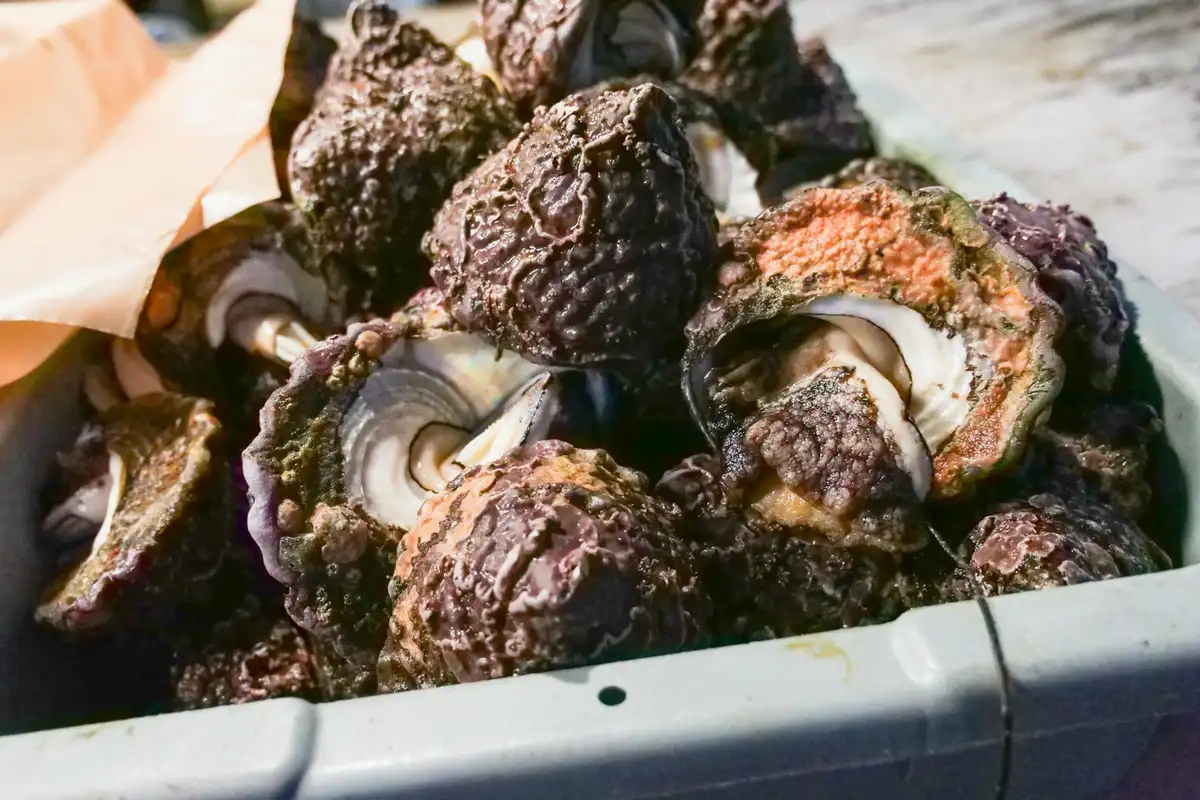
Providing a good selection of natural shells is the cornerstone of responsible hermit crab care. My crab Hermes will inspect a new natural shell for what feels like ages before making a move. Offering a variety of shapes and sizes mimics their natural behavior and prevents dangerous shell fights. It’s important to understand the science behind hermit crab shell selection to ensure they are making the right choice.
Comparing Shell Types
- Snail Shells: Turbo, Murex, and Nerite shells are common favorites. They are typically lightweight and have a round, coiled opening that many crabs prefer.
- Conch Shells: These are fantastic for larger crabs like my Zeus. They offer a lot of interior space and a sturdy structure, but their weight can be a drawback for smaller crabs.
- Other Seashells: Whelk, Babylonia, and Oyster shells provide different shapes and openings. Apollo, my Ecuadorian, has a particular fondness for the elongated shape of a Whelk shell.
The Pros and Cons of Natural Shells
Natural shells are what crabs have evolved with for millennia. The main advantage is that they are a familiar, safe, and eco-friendly material that crabs instinctively know how to use. The texture helps them grip, and the calcium can be beneficial.
- Pros: Biodegradable, familiar to crabs, provides trace minerals, and allows for natural humidity regulation.
- Cons: Sizes and ideal shapes can be limited. Wild-collected shells can harbor bacteria, pesticides, or salt spray residue.
How to Sanitize Wild-Collected Shells
I never put a beach-found shell directly into the tank. A rigorous sanitization process is non-negotiable to protect your crab’s health from invisible contaminants. Here is my method:
- Scrub the shell inside and out with a stiff brush under hot water to remove sand and debris.
- Soak the shells in a 50/50 solution of dechlorinated water and distilled white vinegar for 15 minutes to dissolve any mineral deposits.
- Rinse thoroughly and then boil the shells in dechlorinated water for at least 10-15 minutes.
- Let them cool completely and air dry before placing them in the habitat.
Ethical Sourcing of Natural Shells
Being mindful of where our shells come from is part of being a good steward for our pets and the planet.
- Responsible Beachcombing: Only collect empty shells that are clearly not occupied by any living creature. Check local regulations; many beaches have strict rules about removing natural materials. Take only what you need.
- Reputable Stores: I prefer to buy from dedicated hermit crab supply shops or well-known aquarium retailers online. These shells are typically cleaned, ethically sourced, and come in a guaranteed-empty condition. This is the safest option for beginners.
Unusual Habitat and Shell Alternatives for Enrichment
While natural shells are the gold standard for their primary home, you can get creative with other habitat features. Providing unusual shelters and enrichment items stimulates your crab’s brain and encourages natural foraging and exploring behaviors. My crab Poseidon loves to rearrange the entire landscape overnight.
Creative Substitutes for Shelter and Fun
- Silicone Molds: Food-grade silicone molds can create fun, colored hides. They are safe, easy to clean, and too soft for crabs to eat.
- Resin Shells: While I don’t use these as permanent shells, clear resin “decor” shells can be interesting for crabs to investigate. Ensure any resin is fully cured and non-toxic.
- Upcycled Items: Small, clean terracotta pots make excellent caves. I also use half-round cork bark flats to create natural-looking tunnels and hides.
My Experience with DIY Coconut Shell Huts
This is one of my favorite projects. I take a whole coconut, drain the milk, and carefully split it in half. After scrubbing and baking the halves to sterilize them, I have two perfect, natural huts. Athena, my shy Strawberry crab, claimed one as her permanent quiet spot the day I put it in. They hold humidity well and the crabs sometimes nibble on the inner fiber.
Materials to Avoid for Crab Health
Not every material is crab-safe. Your number one priority must be to avoid anything that could leach chemicals or trap your crab. I stick to a simple rule: if I wouldn’t put it in my mouth, it doesn’t go in the tank.
- Painted or Glazed Ceramics: The paints and glazes can contain heavy metals like lead or cadmium that are toxic.
- Metallic Objects: These will rust and poison the substrate and water.
- Soft, Chewable Plastics: Crabs will nibble on everything. Ingested plastic can cause fatal internal blockages.
- Treated Wood: Avoid wood with stains, paints, or chemical preservatives like those used for outdoor decks.
Step-by-Step Guide to Preparing and Introducing Shells

Getting a shell ready for your crab is more than just a rinse. Proper preparation is your first defense against introducing pests or bacteria into the habitat. I follow the same ritual for every shell, whether I find it on a beach or pull it from a 3D printer. This is part of my clean hermit crab tank shells safely step-by-step guide. Follow these steps to ensure shells are sanitized and safe for your crabs.
Cleaning All Shell Types
- Scrub the shell’s interior and exterior with a stiff-bristled brush under warm, running water. This removes sand, debris, and any organic film.
- Submerge the shells in a pot of dechlorinated freshwater. Never use tap water, as the chlorine can be toxic.
- Boil the shells for at least 15-20 minutes. This sanitizes them and eliminates any lingering microorganisms.
- Let the shells cool completely in the water they were boiled in. Sudden temperature changes can cause delicate shells to crack.
- For 3D-printed shells, I skip boiling and use a reptile-safe disinfectant spray, rinsing thoroughly with dechlorinated water. Heat can warp the plastic.
Once your shells are pristine, the next step is presentation. How you offer new shells can mean the difference between a curious investigation and a crabby hide-and-seek session. You want to make the shells appealing, not alarming.
Offering Shells Without Stress
- Place the new shells in a shallow dish near the main food and water areas. Crabs are more likely to investigate during their normal foraging routines.
- Offer a variety of sizes and types at once. This gives your crabs options and prevents competition over a single desirable shell.
- Position the shells with their openings facing up and accessible. A crab won’t waste energy trying to flip over a hard-to-reach shell.
- Introduce new shells in the evening or at night. Hermit crabs are nocturnal, so this is when they are most active and receptive to change.
The real magic happens when you’re not watching. Monitoring shell changes requires a bit of patience and a keen eye for subtle signs. I keep a simple logbook to track who is in what shell.
Tips for Monitoring Shell Changes
- Check for “try-ons.” You might see a crab partially enter a new shell and then back out. This is a good sign they are considering it.
- Look for abandoned shells. An empty shell that was previously occupied is a clear indicator a switch has happened.
- Observe crab behavior. A crab that has recently changed shells may be more reclusive for a day or two as it adjusts to its new home.
- Never disturb a crab during a shell change. They are incredibly vulnerable at this moment and forcing interaction can cause severe stress.
Safety and Health Considerations for Shell Alternatives
Not every pretty object is a safe home. The three biggest risks for any shell alternative are sharp edges, toxic materials, and a poor internal fit. In hermit-crab science, researchers weigh these factors to determine which shells are truly safe and well-fitting. That careful assessment is what makes a shell the perfect home. I run my finger over every inch of a new shell, feeling for any snags or rough spots that could injure a crab’s soft abdomen.
For 3D-printed options, I only use food-grade, non-toxic PLA filament. Painted natural shells are a definite no, as crabs will rasp at the surface and ingest the paint. A shell that is too heavy can exhaust a smaller crab, and one that is too smooth inside doesn’t provide the grip they need to carry it effectively. Understanding the risks of painted shells helps explain why painted shells are avoided. Safer alternatives include unpainted natural shells or 3D-printed shells made from food-grade, non-toxic materials.
A dirty shell is a breeding ground for trouble. Consistent shell hygiene is non-negotiable for preventing bacterial and mite infestations. I do a full shell check during my weekly tank maintenance, removing any that smell foul or show signs of mold.
If a crab dies in its shell, you must remove and clean that shell immediately to prevent the spread of pathogens to your other crabs. I keep a small stock of pre-cleaned, quarantine shells for just such an emergency.
I learned a hard lesson about shell-related aggression with my dominant crab, Zeus. He claimed the largest, most ornate turbo shell, guarding it ferociously and preventing my smaller crabs, like Poseidon, from accessing the other good options. The tank was tense. The solution wasn’t to take his prized shell away, but to provide so many excellent alternatives that his guarding became pointless. I added five new high-quality shells of various shapes, and within two days, the aggression stopped. Poseidon found a perfect new home, and Zeus relaxed, his dominance unchallenged. It was a powerful reminder that their health is deeply connected to their sense of security.
FAQs
What should I do if my hermit crab loses its shell?
Immediately provide several clean, appropriately sized shells in a quiet area of the habitat to reduce stress. This gives your crab a quick and safe opportunity to find a new home without interference. For help with shell changes and safe handling, consult our shell-change safety and assistance guide. Handle your crab gently, avoid forcing a shell swap, and give it time to settle.
Are there any live plants that are safe to include in a hermit crab tank?
Non-toxic plants like spider plants or pothos can be used, but ensure they are free from pesticides and can tolerate high humidity. For a hermit crab habitat, choose plants known to be safe plants for hermit crabs and that tolerate high humidity. Include them as part of the habitat setup to provide cover and moisture. Always research plant safety and remove any that show signs of mold or overhandling by the crabs.
How can I tell if a shell is the right weight for my crab?
Watch for easy movement and normal activity levels; if your crab struggles to carry the shell or seems lethargic, it may be too heavy. Offering a variety of lightweight options helps you find the best fit for their size and strength.
Finding the Perfect Home
Providing a variety of safe shell and habitat options is one of the most direct ways we can support our hermit crabs’ health and natural behaviors. My own crabs, from curious Hermes to calm Athena, have shown me that offering choices—whether natural, 3D printed, or other safe materials—reduces competition and lets their unique personalities shine. Exploring hermit crab shell types—from natural shells to synthetic and 3D printed options—can help you choose the best fit for each crab. A complete guide on these shell types, including natural and synthetic options, helps you compare choices and keep homes safe and happy. Always prioritize the animal’s safety and instinctual needs over pure aesthetics, and you’ll be rewarded with active, happy pets thriving in their custom-chosen homes.
Further Reading & Sources
- How to Build a Hermit Crab Habitat
- r/hermitcrabs on Reddit: Need tips on my hermit crab habitat + general questions
- Hermit crab | Habitat, Diet & Lifespan | Britannica
The Crab Central is your ultimate resource for hermit crab enthusiasts, providing expert advice and practical tips to ensure the health and happiness of your shelled companions. With years of experience in crustacean care, we are dedicated to offering accurate, up-to-date information to support your hermit crab journey. Our mission is to foster a community of responsible hermit crab owners who are passionate about the well-being of these fascinating creatures.
Proper Tank Setup