
Do Hermit Crabs Need Playdates?
Published on: December 23, 2025 | Last Updated: December 23, 2025
Written By: The Crab Guru
You might be wondering if your hermit crab is lonely in its tank, and if arranging a social life is even possible.
With five crabs of my own, from the fast-moving Hermes to the assertive Zeus, I have spent years observing their complex social behaviors firsthand.
I have learned that successful introductions depend entirely on careful setup and supervision.
In this article, we will cover the benefits of socialization for shelled pets, how to set up a safe play area, and the specific behaviors to watch for during their interactions.
Why Hermit Crabs Thrive with Social Interaction
In the wild, hermit crabs are not solitary creatures at all. They live in large colonies, sometimes numbering in the hundreds, and their survival depends on complex social structures. They communicate through physical touch, sound, and even chemical signals to coordinate activities like mass migrations to the ocean for breeding. You can learn more about their social behavior and needs in our detailed guide here. This instinct for community is hardwired into them, which is why a life of complete isolation in captivity can be so dull for these intelligent invertebrates.
I’ve seen this firsthand with my own crab crew. My Caribbean hermit crab, Hermes, is incredibly fast-moving and curious. When I introduced him to a temporary playmate, his exploratory behavior skyrocketed. Instead of just climbing the same branch, he started following the new crab, almost as if they were exploring together. Apollo, my Ecuadorian, has always loved shells, but in a group setting, he becomes a shell connoisseur, often initiating what looks like a shell “inspection” with others. These small interactions dramatically reduce signs of what I can only interpret as loneliness, like lethargy or hiding for extended periods. These differences hint at individual personalities and temperaments in hermit crabs. Indeed, many observers suggest hermit crabs can have stable, individual behavioral traits.
Key social dynamics you might observe include:
- Scent Marking: Crabs use pheromones to identify each other and establish a familiar group scent, which reduces aggression.
- Cooperative Play: You might see them gently climbing over one another or following each other on exploration routes.
- Group Exploration: A novel object or new terrain is often investigated more bravely and thoroughly when a crab has a buddy.
The Science Behind Crab Social Needs
Socialization is a form of mental enrichment that directly mimics their natural behavior, preventing boredom and associated stress. A mentally stimulated crab is a healthier, more active crab, and social interaction is one of the most potent forms of enrichment you can provide. In the wild, they learn from each other about food sources and safe pathways; in captivity, I’ve watched a shy crab learn from a bolder one that a new type of food is safe to eat. This kind of observational learning is a clear sign of their social intelligence.
Defining a Hermit Crab Playdate: Purpose and Scope
It is vital to understand that a playdate is not permanent cohabitation. A playdate is a carefully supervised, temporary interaction in a neutral, secure space, completely separate from any crab’s main habitat. The goal is to provide a short burst of social enrichment without the pressures of establishing territory or competing for permanent resources like the best hiding spots or food dishes.
Playdates are particularly beneficial in a few key scenarios:
- Slowly introducing a new crab to an established group before a full tank merger.
- Providing mental stimulation for a single crab whose tankmate has passed away.
- Offering a change of pace for crabs that seem bored or inactive in their usual environment.
From my experience, setting boundaries is everything. I always use a large, clean plastic bin with a lid as a neutral play area. I add a few novel items like new (sterilized) shells, a shallow dish of salt water, and some climbing sticks. I never leave them unsupervised, and I always have a spare container ready to gently separate anyone who gets a little too assertive, like my dominant crab Zeus sometimes does. Sessions are kept short, usually 15-30 minutes, to prevent stress.
Setting Realistic Expectations for Playdates
While beneficial, playdates are not a one-size-fits-all solution. You must be prepared to call off a playdate immediately if you observe clear signs of stress or aggression. Not every crab will be a social butterfly. Based on my own crabs’ behaviors, I would not attempt a playdate in these situations:
- If a crab is showing pre-molt signs (digging excessively, dull exoskeleton, staying hidden).
- If a crab has a history of pronounced aggression, like guarding resources and actively chasing others.
- If any crab is recovering from an illness or injury, as the stress can hinder recovery.
Step-by-Step Guide to Hosting Safe Hermit Crab Playdates
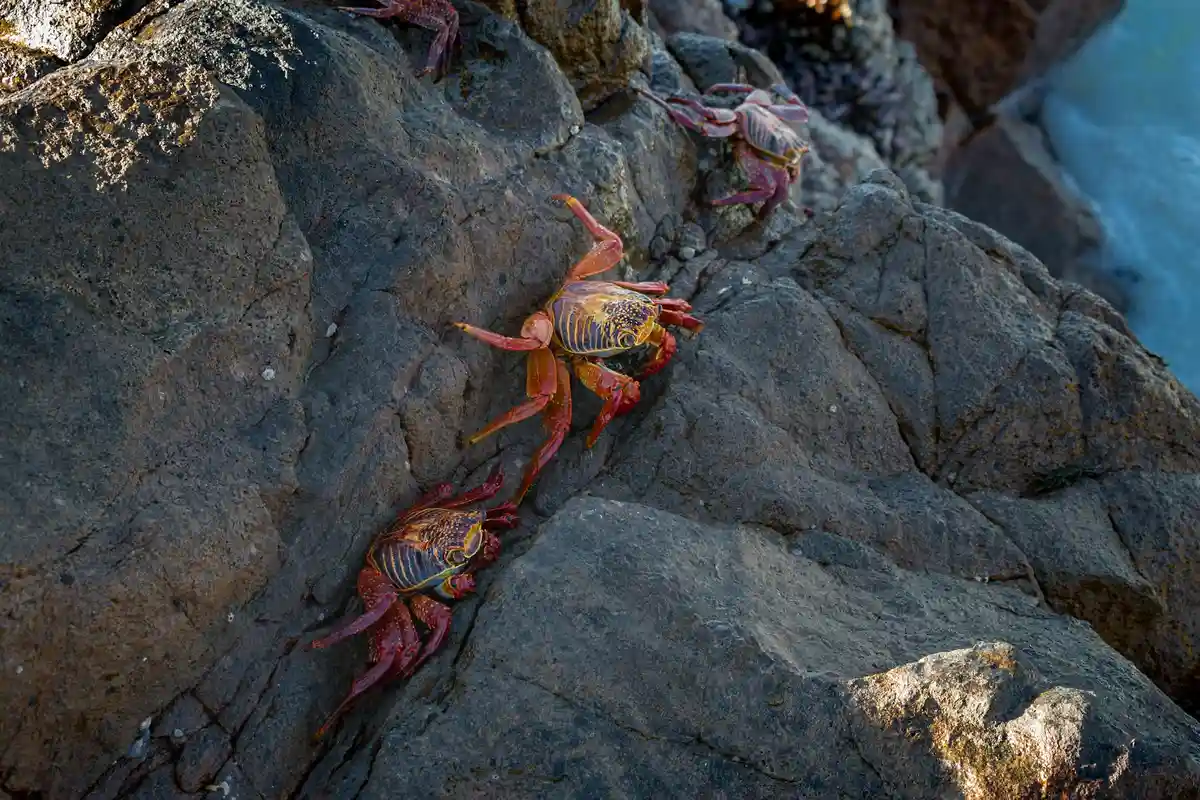
From my years caring for Hermes, Apollo, and the rest of my crab crew, I’ve fine-tuned a safe playdate routine that keeps everyone happy and healthy. Following a structured approach prevents mishaps and lets your crabs enjoy their social time without unnecessary risks.
- Preparation: Gather all supplies at least a day ahead. I always check that carriers are clean, and I moisten the substrate slightly to mimic their home humidity.
- Execution: Set up the play area in a quiet, draft-free spot. Introduce crabs gently and stay nearby to watch their interactions.
- Cleanup: After the playdate, sanitize all surfaces and items used to avoid spreading any germs between habitats.
Essential supplies you’ll need include secure carriers for transport, multiple extra shells in various sizes, a shallow dish of substrate like coconut fiber or moist sand, and at least two small hides or shelters. Having these items ready ensures your crabs feel secure and can retreat if they get overwhelmed. This is a key part of your essential supplies checklist for the tank setup. Keep it handy when preparing or upgrading habitats.
Pre-Playdate Preparation and Quarantine
Quarantining new or visiting crabs for at least two weeks is non-negotiable in my book. This waiting period helps prevent the spread of mites, fungal infections, or other illnesses that could harm your entire group. I learned this the hard way when I skipped it once and had to treat Poseidon for a minor skin irritation. If you suspect illness, I’ll walk you through a simple, step-by-step quarantine and treatment guide. It makes caring for a sick hermit crab manageable.
When packing for transport, I always bring a spray bottle with dechlorinated water to maintain humidity, a small towel to cover carriers and reduce stress, and a first-aid kit with spare shells and a soft brush. These items have saved me from many panicked moments during crab meetups.
Choosing the Right Environment and Substrate
Indoor setups are far safer than outdoor ones because you control temperature and predators. I always use a large, shallow plastic bin indoors for playdates, as it’s easy to clean and prevents escapes. For substrate, stick with what your crabs know-moist play sand or coconut fiber works best to avoid digestion issues if they nibble on it.
During the Playdate: Supervision and Interaction
Introduce crabs slowly by placing them at opposite ends of the play area and let them explore at their own pace. Watch closely for any signs of stress, like rapid retreat into shells or aggressive posturing, which means it’s time for a break. Understanding these stress cues helps you properly handle your hermit crabs. With practice, you’ll spot them early and adjust handling and setup accordingly. With Zeus, my dominant crab, I often have to separate him if he guards resources too fiercely.
- Aggression indicators include shell ramming, pinching, or persistent chasing.
- Intervene immediately if you see these behaviors to prevent injuries.
- Offer distractions like extra food or hides to diffuse tension.
The Key Benefits of Regular Socialization for Hermit Crabs
Regular playdates have transformed my crabs’ behavior and health in ways I never expected. Socialization reduces boredom and stress, leading to more active, curious crabs who exhibit natural behaviors.
- Stress reduction: Crabs like Athena, who used to hide constantly, now explore more confidently after group interactions.
- Enrichment: Shell exchanges and climbing activities keep their minds sharp and bodies active.
- Health improvements: Better appetite and smoother molting cycles are common benefits I’ve observed.
I remember how playdates boosted morale for Athena and Zeus; Athena became less reclusive, and Zeus learned to share food spots without aggression. Seeing them interact peacefully reminds me that even solitary creatures thrive with occasional company.
Mental and Physical Enrichment Advantages
Playdates encourage exploration and mimic wild behaviors, like shell shopping and burrowing. My crab Apollo often tries on new shells during meetups, which keeps his shell-changing instincts sharp and reduces competition at home. This mental stimulation prevents lethargy and promotes physical activity through climbing and digging.
Long-Term Health and Behavioral Benefits
Socialization can cut down on stress-related molting problems, such as incomplete sheds or prolonged hiding. Over time, I’ve noticed my crabs molt more efficiently and recover faster when they have positive social experiences. This leads to stronger exoskeletons and overall better well-being, making their lives fuller and happier.
Reading and Interpreting Crab Behavior During Socialization
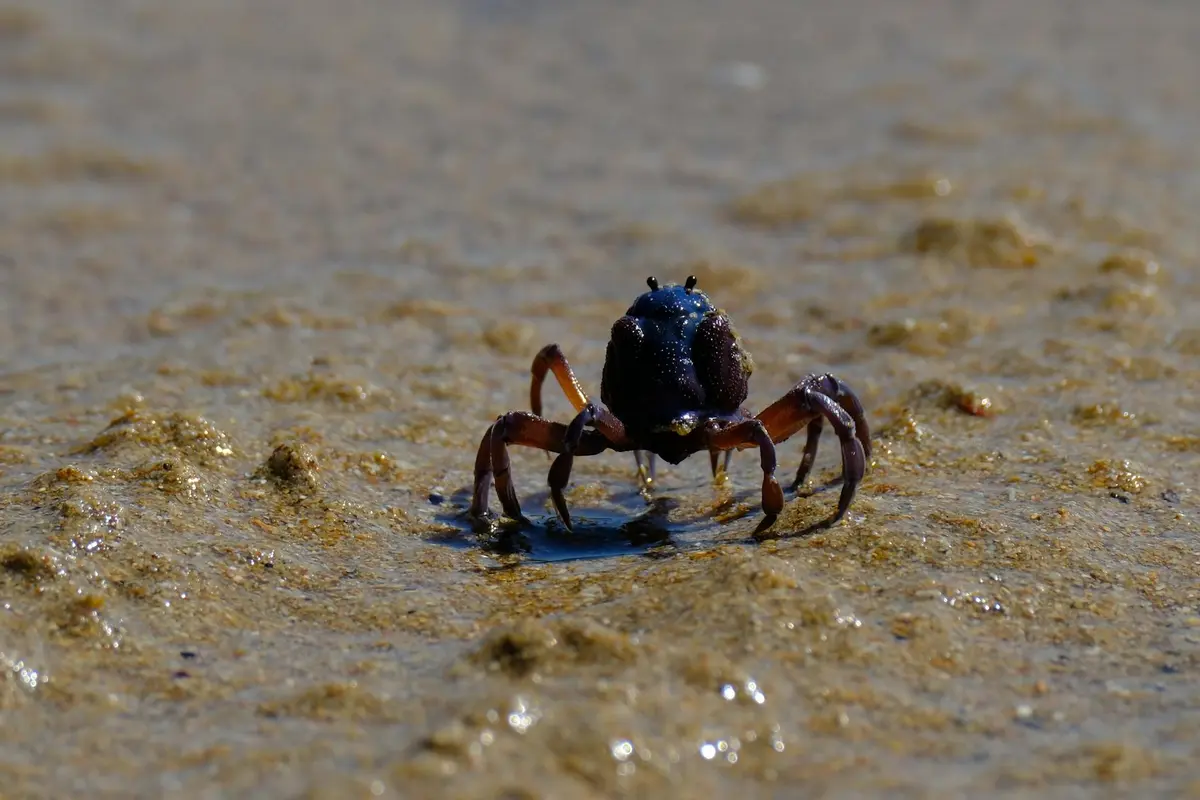
Learning to read your crabs’ body language is the single most important skill for successful socialization. You become a translator for a silent, shell-bound conversation, and it’s a skill that deepens your entire caregiving experience. Positive interactions are quiet, slow, and investigative, while negative ones are loud, fast, and defensive.
Positive vs. Negative Social Cues
- Curious Exploration: Slow, deliberate movements. Gentle antennae touches. Climbing near each other without tension. My crab Hermes is a master of this; he’ll slowly approach another crab and just watch, antennae twitching softly.
- Aggressive Posturing: Raised body, gripping the ground tightly. Rapid, jerky antennae flicks. Clicking or chirping sounds. Shell ramming. My crab Zeus will often stand tall and still, guarding a prized piece of food, which is a clear “stay back” signal.
Case Studies from Personal Experience
Watching my own crabs has taught me more than any guide ever could. Poseidon, my dedicated digger, once created a tunnel system that three other crabs began using, which became a neutral, shared space that reduced tension. They weren’t friends, but they respected the infrastructure.
Conversely, Athena’s calm nature means she often acts as a social stabilizer. When Apollo gets too excited and starts climbing over others, he’ll often settle down near her quiet presence. Her observant behavior seems to have a calming effect on the more energetic members of the group. These subtle dynamics show that socialization isn’t just about direct interaction, but also about the overall group atmosphere.
Troubleshooting Common Socialization Challenges

Even with the best planning, issues can pop up. The key is not to panic but to intervene calmly and knowledgeably.
Resolving Shell Disputes and Stress
- Provide a Shell Supermarket: Always have 3-5 extra, appropriate-sized shells per crab. I keep a small dish of boiled and cleaned shells in their habitat at all times.
- If you see a shell fight-one crab trying to pull another out-gently distract them with a mist of dechlorinated water. Do not pull them apart.
- Watch for stress signs like excessive hiding or loss of appetite for more than a day. If you see this, return the crab to its own enclosure for a solo rest period.
Preventive Measures for Harmony
- Crab Selection: Introduce crabs of similar size to prevent bullying. Age is less important than physical mass.
- Environment Adjustments: Create multiple feeding stations, hiding spots, and water dishes to eliminate competition for resources.
- Ensure the habitat is large enough. A cramped space is the number one cause of territorial spats I’ve witnessed.
When Playdates Don’t Go as Planned
If a situation escalates to persistent chasing or shell knocking, you need to act.
Your immediate goal is to separate the crabs without causing more stress or injury. I use the “shell and slide” method. Gently place a small, clean deli cup or similar container over the aggressive crab. Then, slowly slide a piece of cardboard under the cup to safely transport the crab to a temporary timeout enclosure. This method avoids direct handling and prevents you from getting pinched. These are basic hermit crab handling do’s and don’ts for beginners. By following them, you reduce stress and injury for both you and the crabs.
Give the crabs at least a week apart before attempting another, shorter, and more closely supervised introduction. Sometimes, a simple break is all that’s needed to reset the social dynamic in your hermit crab colony.
FAQs
How often should I host playdates for my hermit crabs?
Playdates are best scheduled every few weeks to provide consistent social enrichment without overstimulation. Adjust the frequency based on your crabs’ individual activity levels and stress responses after each session.
What should I do if my hermit crabs show no interest in socializing?
If your crabs seem disengaged, shorten the playdate and focus on providing novel items like new shells or climbing structures to spark curiosity. Not all crabs are equally social, so respect their preferences and try again after a break.
Can hermit crabs form long-term bonds through regular playdates?
While playdates encourage positive interactions, hermit crabs do not typically form permanent bonds like mammals might. Consistent socialization can reduce aggression and foster familiarity, but always monitor for individual comfort levels. When handling hermit crabs, remember aggression can be territorial, especially during shell exchanges. Provide ample space and multiple shells to reduce disputes and stress.
The Joy of Watching Hermit Crabs Thrive Together
From watching my own crabs like curious Hermes and assertive Zeus interact, I’ve seen firsthand how social engagement enriches their lives. Watching how several crabs share one tank reveals their social dynamics—who negotiates space and shell access. In a multi-crab setup, thoughtful design and supervision help manage these interactions. Providing a well-setup, supervised environment for your crabs to safely coexist is one of the most rewarding parts of being an owner. You are not just keeping pets; you are fostering a small, fascinating community that allows their unique personalities and natural behaviors to shine.
Further Reading & Sources
- r/hermitcrabs on Reddit: How often do you hold/play with your crabs?
- 3 Ways to Play With Your Hermit Crab – wikiHow
- How to Play With Your Hermit Crab | Pets on Mom.com
The Crab Central is your ultimate resource for hermit crab enthusiasts, providing expert advice and practical tips to ensure the health and happiness of your shelled companions. With years of experience in crustacean care, we are dedicated to offering accurate, up-to-date information to support your hermit crab journey. Our mission is to foster a community of responsible hermit crab owners who are passionate about the well-being of these fascinating creatures.
Socialization Techniques