7 Deadly Hermit Crab Care Mistakes to Avoid at All Costs
Published on: December 10, 2025 | Last Updated: December 10, 2025
Written By: The Crab Guru
Are you unknowingly putting your hermit crabs in danger with common care errors that can shorten their lives?
I’ve cared for my five hermit crabs for years, and through trial and error, I’ve learned how to prevent the most harmful mistakes to guide you toward better pet ownership.
One vital tip is to always check that your tank’s humidity stays high, as dry air can quickly lead to fatal breathing problems.
I will walk you through the seven most critical errors, from improper shell choices to dangerous substrate, so you can provide a safe and happy home.
Mistake 1: Setting Up an Inadequate Habitat
I learned this lesson the hard way with my crab, Zeus. He became incredibly territorial in a tank that was just too small. Providing enough floor space is the single most important factor for reducing crab-on-crab aggression. Understanding how to handle hermit crab aggression and territorial behavior helps you spot problems early and plan the habitat accordingly. With proper handling, you can reduce stress and minimize clashes as they establish their territories. For two small crabs, a 10-gallon tank is the absolute bare minimum, but I would never go smaller than a 20-gallon long for a group. My five crabs now thrive in a 40-gallon breeder tank, which gives them ample room to explore without constant bickering.
Tank Size Guidelines
- 2 small crabs: Start with a 20-gallon long tank.
- 3-4 crabs: A 30-gallon tank is much more comfortable.
- 5 or more crabs: Upgrade to a 40-gallon breeder or larger. More space always equals happier, healthier crabs.
The Right Substrate is a Lifesaver
Your substrate is not just floor covering; it’s your crab’s survival tool. They need to bury themselves completely to molt safely, a process where they shed their exoskeleton to grow. If the substrate is too shallow or too dry, they can become trapped or suffer severe limb loss. A mix of play sand and coconut fiber holds the perfect moisture and tunnels without collapsing. My crab Poseidon loves to dig, and I always maintain a substrate depth of at least 6 inches, or three times the height of my largest crab.
Balancing Airflow
A completely sealed lid will cause stagnant, foul air, but a mesh top lets all the humidity escape. The solution is simple. I cover most of my mesh tank lid with a piece of corrugated plastic, leaving a small section open for fresh air exchange. This creates a gentle cross-breeze that prevents air from becoming stale while keeping the essential humidity locked in.
Mistake 2: Ignoring Humidity and Temperature Stability
Hermit crabs have modified gills and breathe humid air; without it, they slowly suffocate. I noticed my crab Apollo was always lethargic until I fixed my tank’s climate. Consistent humidity between 70% and 80% is non-negotiable for their respiratory health. Temperature stability is equally important. The ideal hermit crab habitat should keep temperatures around 75–85°F (24–29°C) with humidity in the 70–80% range. A dry crab is a stressed crab, and stress is a precursor to a host of other health issues.
Creating the Perfect Climate
- Humidity: 70-80%
- Temperature: 75-85°F (24-29°C)
Apollo now spends his days happily basking in the warm, moist air under the heat lamp. You must use two digital gauges-one for temperature and one for humidity-placed in the middle of the tank, not on the glass. The cheap analog dials from pet stores are notoriously inaccurate and will lead you astray.
How to Maintain Stability
- Use an under-tank heater on the back wall of the tank, above the substrate. This warms the air, not the sand.
- Mist the tank daily with dechlorinated water. I use a simple spray bottle.
- Install a bubbler or air stone in their saltwater pool. The bubbles help evaporate water into the air, naturally boosting humidity.
- Keep the substrate moist. When you squeeze a handful, it should hold its shape without dripping water.
Making these adjustments transformed my tank from a source of worry into a stable, self-regulating ecosystem. Your crabs will show their gratitude through active, curious behavior and successful, stress-free molts.
Mistake 3: Overlooking Shell Needs and Exchanges
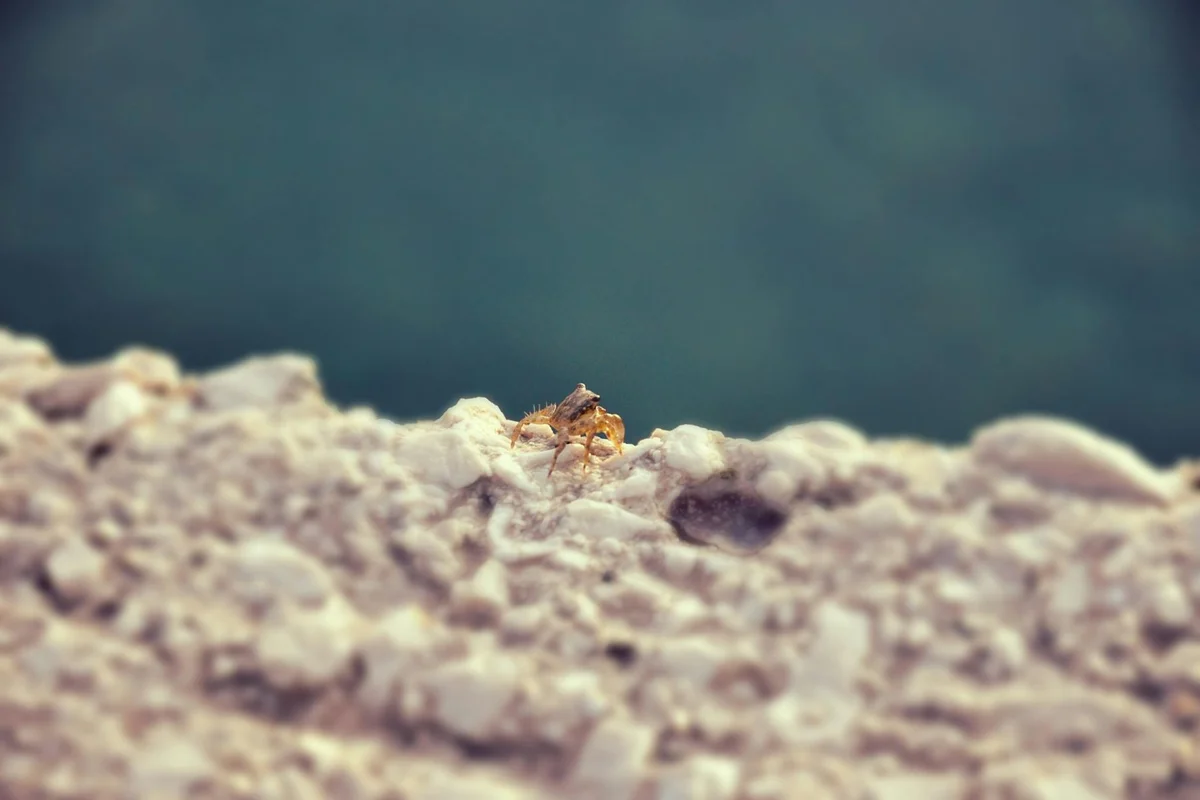
I learned this lesson the hard way when I first started. A crab without a good shell choice is a stressed crab, and a stressed crab is a sick crab. Your hermit crab’s shell is not just a home; it’s its portable fortress, its only real protection against the world. If you’re wondering how to tell if your hermit crab is stressed, look for signs like lethargy, excessive hiding, or loss of appetite. If you spot stress, check shell fit and habitat quality, and offer a better-fitting shell and a calmer environment.
You must offer multiple options. I keep at least 5-8 suitable empty shells per crab in my tank at all times. My crab Apollo is a shell connoisseur; he will try on every single new shell I put in, often just for fun, before settling on his favorite. This constant availability prevents fights and ensures everyone can grow comfortably. This is why a complete guide to choosing the right hermit crab shell size matters. It helps you pick shells that fit now and as they grow.
Choosing the Right Shells
Not just any shell will do. The right fit is everything.
- Types: Turbo shells, Murex shells, Nerite shells, and Shark Eye shells are all excellent choices. Their rounded openings and sturdy structure are preferred.
- Sizes: Provide a variety of sizes slightly larger than your crabs’ current shells. A good rule is to have shells with openings that are about 1/8 to 1/4 inch bigger.
- Preparation: Always boil new shells in dechlorinated water for a few minutes and let them cool completely. This cleans them and makes them safer for your crabs.
Facilitating a Safe Shell Exchange
When a crab is ready to switch, it’s a vulnerable time.
- Ensure the tank is quiet and the humidity is high. Low humidity can make it difficult for them to slide out of their old shell.
- Place the new shells near common hiding spots and along their main pathways.
- Do not disturb a crab that is trying on a new shell! This process can take hours. Interrupting them can cause them to abort the change and remain in an ill-fitting shell.
Mistake 4: Providing an Improper Diet
Feeding my crew, especially the assertive Zeus, taught me that commercial pellet food is a one-way ticket to poor health. A balanced, natural diet is the absolute cornerstone of a long and vibrant life for your hermit crab. They are natural scavengers and need a huge variety of foods to thrive. For a complete hermit crab diet feeding guide, see this resource. It covers what to feed, how often, and how to rotate foods for a healthy molt.
The Components of a Balanced Diet
Think of their plate in three key sections.
- Protein: Offer lean meats (cooked chicken, fish), unsalted nuts, eggs (with the shell!), and mealworms. Zeus will guard a piece of scrambled egg with his life.
- Fruits & Vegetables: They love sweetness and crunch. Provide mango, banana, coconut, apple, carrot, and leafy greens. My crabs go wild for a bit of fresh corn on the cob.
- Calcium & Minerals: This is non-negotiable. Always have a cuttlebone in the tank. You can also offer crushed oyster shell, crushed eggshell, and organic worm castings. This keeps their exoskeletons strong.
Harmful Foods to Avoid
Many common human foods are toxic to them. Always avoid anything with preservatives, salt, onions, garlic, or citrus. I make it a rule to never feed them anything from a seasoned human meal.
- Processed foods (chips, crackers)
- Anything with pesticides (always wash produce)
- Sugary or salty snacks
- Dairy products
Meal Variety for Enrichment
I rotate their meals to keep things interesting. One night it might be shrimp and seaweed, the next it’s walnuts and sweet potato. This variety not only prevents nutritional gaps but also stimulates their natural foraging instincts, keeping them active and engaged. Watch how they explore new foods-it’s one of the true joys of keeping these fascinating creatures.
Mistake 5: Neglecting Water Quality and Availability
One of the most common and dangerous oversights I see is treating water as an afterthought. Hermit crabs require constant access to two types of water: dechlorinated freshwater and dechlorinated saltwater made with a marine-grade aquarium salt mix. They do not drink or bathe in the same water, and getting this wrong can make them sick. It’s crucial to understand their water needs and aquatic behavior to ensure their health.
My crab Poseidon is a perfect example of why this matters. He spends a surprising amount of time soaking in his saltwater dish, which helps him regulate the salinity and moisture levels within his shell. If that water was dirty or contained chlorine, he would be absorbing toxins directly into his fragile abdomen.
Treating your water is non-negotiable. Here is the simple process I follow for my crew.
- Get a water conditioner that removes chlorine, chloramines, and heavy metals. Drops are available at any pet store.
- For saltwater, use a marine salt mix designed for saltwater aquariums, never table salt. Follow the package directions to get the right concentration.
- Provide two sturdy, non-metal bowls deep enough for your largest crab to fully submerge in. I use shallow ceramic dishes to prevent drowning.
You must clean and refill these bowls every single day. Stagnant water is a breeding ground for harmful bacteria and can quickly become a death trap for your pets. Make it part of your daily feeding routine to check the water depth and clarity.
Mistake 6: Causing Stress Through Poor Handling and Crowding
While my crab Hermes is incredibly curious and will often climb onto my hand, this is the exception, not the rule. Most hermit crabs are prey animals and find frequent handling deeply stressful. In the wild, hermit crabs face predators like birds, octopuses, and larger crabs. This natural threat helps explain why handling is so stressful for them. It can lead to dropped limbs, shell abandonment, and a shortened lifespan.
I learned this lesson the hard way early on. I used to take my crabs out for daily “exploration” until I noticed one would retreat deep into its shell for hours afterward. I was interpreting my own excitement as their enjoyment, when in reality, I was terrifying them. Now, I only handle them for essential tank maintenance.
Crowding is another major source of stress that can trigger aggressive behavior. Watch for these signs your tank is too small.
- Crabs are constantly bumping into each other or fighting over food and shells.
- You notice your dominant crab, like my Zeus, actively guarding resources.
- There isn’t enough space for multiple hiding spots and climbing areas.
The solution is simple: provide a larger tank. A 10-gallon tank is an absolute minimum for two small crabs, but bigger is always better.
Instead of handling, focus on enriching their environment to reduce stress naturally. A busy, stimulated crab is a happy crab. Try these ideas that work wonders in my tank.
- Add new, crab-safe climbing branches or cholla wood for them to explore.
- Create a “foraging box” with dried leaves, moss, and treats hidden inside.
- Rearrange their tank decorations every few months to simulate a new environment.
Observing their natural behaviors from outside the glass is far more rewarding than forcing an interaction. Your crabs will thank you with their lively, healthy activity.
Mistake 7: Skipping New Crab Quarantine
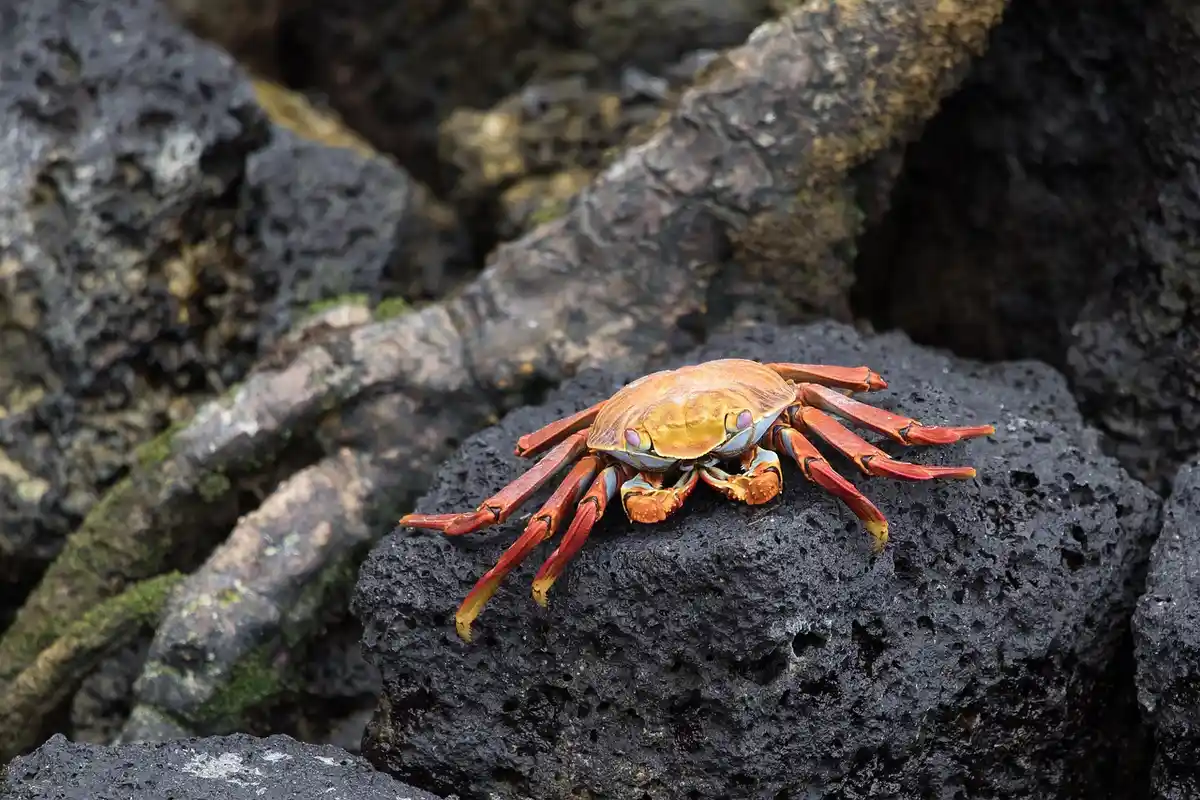
Bringing home a new crab is exciting, but introducing them directly to your main tank is one of the most dangerous things you can do. I learned this the hard way after a new arrival passed mites to my entire colony, leading to a stressful weeks-long treatment for all my crabs. Quarantine is not an optional, fancy step; it is a fundamental requirement for responsible hermit crab care, especially in a controlled quarantine setup.
Why Quarantine is Non-Negotiable
A new crab can look perfectly healthy while secretly carrying pests or illness. The stress of moving can also weaken their immune system, causing hidden problems to surface. Skipping quarantine risks exposing your entire established family to mites, fungus, or bacterial infections that are difficult and heartbreaking to eradicate. This simple step protects the welfare of every single crab in your care.
Your Simple Quarantine Setup
You do not need a complex, permanent tank. A simple, temporary isolation habitat is all that’s required.
- Container: A clean 10-gallon tank or a large plastic storage bin works perfectly.
- Substrate: Use a few inches of moistened play sand or coconut fiber. It should be deep enough for a crab to bury itself if it needs to destress or molt.
- Essentials: Include a small water dish (both fresh and saltwater), a food dish, a climbing stick, and a few empty shell options.
- Hiding Spot: A half-coconut hut or a piece of cork bark provides essential security.
- Heat & Humidity: Maintain the same temperature and humidity levels you do in your main tank. This often means placing the quarantine tank in the same room or using a small heat mat.
The Step-by-Step Quarantine Process
Follow these steps diligently to ensure your new friend is safe to join the community.
- Isolation Duration: Keep the new crab completely separate for a minimum of two weeks, but a full month is my personal standard and highly recommended. This gives you enough time to observe their true health.
- Daily Observation: Watch for normal behavior. Are they active at night? Are they eating and drinking? Check for any signs of lethargy or a crab that stays hidden for days on end.
- Physical Inspection: Look closely for tiny red or black mites moving on the shell or the crab’s body. Check for a foul smell, which can indicate a bacterial infection or a dead crab inside the shell.
- Monitor for Molting: The stress of moving often triggers a molt. If your crab digs down and disappears, do not disturb it. Extend the quarantine period for two full weeks after it resurfaces.
- The Final Introduction: Only after the full quarantine period with no signs of illness do you gently introduce the crab to the main habitat, preferably at night when others are active.
This process requires a bit of patience, but it is the single most effective way to prevent a cascade of health problems. Viewing quarantine as an act of compassion, rather than an inconvenience, completely shifts your perspective and makes you a better crab keeper. Your entire crab family will be safer and healthier for it. Pet owners who embrace quarantine also contribute to hermit crab conservation by preventing the spread of illness to wild populations. Your careful care today helps ensure healthy crabs in both captivity and the wild.
FAQs
What is the typical lifespan of a pet hermit crab?
Hermit crabs can live for 10 to 30 years in captivity with proper care, but many die prematurely due to common errors like poor habitat setup or diet. To maximize hermit crab lifespan and your pet’s longevity, focus on proper housing and nutrition. Ensuring a spacious tank, stable humidity, and a balanced diet can help them reach their full lifespan potential.
How can I prevent mites in my hermit crab tank?
Maintain a clean environment by regularly replacing substrate and cleaning food and water dishes to reduce the risk of mite infestations. Always quarantine new crabs for at least a month before introducing them to your main tank to avoid introducing pests.
What should I do if my hermit crab escapes its enclosure?
Search in dark, humid areas nearby, such as under furniture or in closets, and place a shallow dish of dechlorinated water to lure it back. Secure your tank with a tight-fitting lid and check for gaps to prevent future escapes and keep your crab safe.
In Closing
Steering clear of these seven common pitfalls-from tiny shells to toxic décor-is your most direct path to a thriving crabitat. Your daily attention to their habitat and needs is the single most powerful tool you have for their long-term health. Apply this knowledge, and you’ll be rewarded with the incredible sight of your crabs exploring, digging, and living their best crabby lives.
Further Reading & Sources
- Hermit Crab Care Sheet | PetMD
- How to Care For Hermit Crabs: Habitat, Supplies, and More
- Basic Hermit Crab Care
The Crab Central is your ultimate resource for hermit crab enthusiasts, providing expert advice and practical tips to ensure the health and happiness of your shelled companions. With years of experience in crustacean care, we are dedicated to offering accurate, up-to-date information to support your hermit crab journey. Our mission is to foster a community of responsible hermit crab owners who are passionate about the well-being of these fascinating creatures.
Preventative Care