What Are the Key Signs of a Healthy vs. Sick Hermit Crab?
Published on: December 3, 2025 | Last Updated: December 3, 2025
Written By: The Crab Guru
Spotting whether your hermit crab is healthy or sick can be tricky, but knowing what to look for helps you act fast.
With five hermit crabs of my own, I’ve spent years observing their behaviors and will guide you based on real-life care.
Watch for daily activity levels-healthy crabs explore, while sick ones often stay hidden.
We’ll break down visual cues, behavior changes, and simple checks you can do to keep your crab safe and happy.
Observing Daily Behavior and Activity
Your hermit crab’s daily antics are the most honest report card on their health. I’ve learned that a healthy crab is a busy crab, and a sudden shift in their routine is my first clue that something might be wrong. Watching my crew, I see a whole spectrum of personalities, from Hermes’ non-stop exploring to Athena’s quiet contemplation.
Normal Activity Patterns in Healthy Crabs
A healthy crab has a reliable rhythm of activity and rest, especially during crepuscular hours (dusk and dawn). They are inquisitive and engaged with their environment. For instance, my crab Zeus’s habit of guarding the food dish is a display of normal, assertive behavior, not a sign of aggression or sickness. Here are the activities you should expect to see regularly.
- Climbing on decor and tank walls
- Digging or burrowing slightly in the substrate
- Active feeding and drinking, especially at night
- Investigating new objects or shell shops
- Social, non-aggressive interactions with tank mates
- Basking under a heat source, like my crab Apollo often does
Signs of Lethargy and Abnormal Hiding
It’s vital to know the difference between a crab’s natural shyness and a health-related retreat. My crab Athena is naturally calm, but she still emerges daily to eat and move about. Abnormal hiding is when a crab remains buried or tucked away for multiple consecutive days without touching food or water. If you see any of the following, it’s time for a closer look.
- Remaining completely still for an entire 24-hour period
- Staying buried deep in the substrate for over 3 days without a known molt
- Failing to react when gently approached or touched
- Lying out in the open, completely limp
- A complete loss of interest in favorite foods
Checking Physical Appearance and Condition
A hands-off visual inspection is your best tool for assessing physical health. I make it a habit to do a quick “body check” on each of my crabs every few days during their active periods. This helps me spot small issues before they become big problems. Poseidon’s love for moist sand, for example, helps keep his joints and shell flexible.
Use this quick checklist during your observations.
- Shell is intact, well-fitted, and free of mites
- Antennae are long, evenly matched, and constantly moving
- Eye stalks are erect, clear, and shiny
- All legs and claws are present and move smoothly
- Body appears plump and moist within the shell
- No strong, unpleasant odors are present
Shell Health and Molting Signs
The shell is your crab’s mobile home and armor. A healthy crab is very particular about its shell. A sudden change in shell choice, like moving into one that is far too small or damaged, often indicates underlying stress or illness. Molting is a vulnerable but natural process. A crab preparing to molt will often dig a cave and disappear for weeks. The key sign of a successful molt is finding an intact, full-body exoskeleton (the “exo”) in the tank and your crab looking brighter and larger.
- Healthy Molt: You find a complete, hollow exoskeleton; your crab returns active and hungry.
- Problematic Shedding: You find a partial, discolored exo; a foul smell; or your crab appears limp and pale.
Alertness and Body Part Vitality
A crab’s alertness is a direct window into its well-being. When I approach the tank, a healthy crab will typically pause and raise its eye stalks to assess me. Limp, dangling limbs or antennae that don’t retract when gently prodded are significant red flags that require immediate attention. The coordination and vitality of their body parts tell a clear story.
- Eyes should be perky and react to shadows and movement.
- Antennae should flick and explore the air and ground constantly.
- Legs should move in a coordinated, purposeful manner, not drag or twitch.
- The crab should be able to hold its body weight and retract fully into its shell.
Assessing Appetite and Feeding Habits
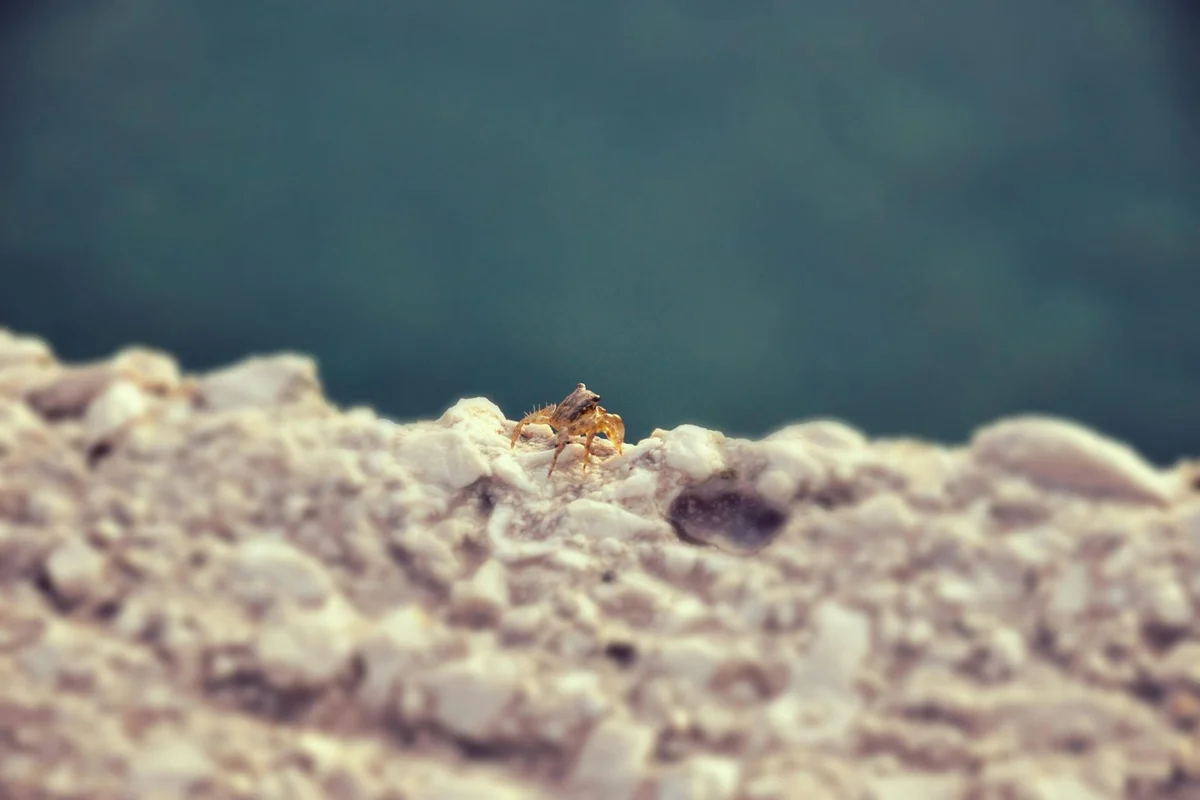
Watching your crab’s eating habits is one of the most direct windows into their wellbeing. A healthy crab has a predictable and enthusiastic approach to mealtime, while a sick crab will often show a complete lack of interest. I keep a close eye on all five of my crabs during evening feedings to make sure everyone is getting their share.
Normal Feeding Patterns
A thriving hermit crab is an opportunistic eater. In my tank, I offer a high-quality commercial hermit crab diet as a staple, but I always supplement with fresh, crab-safe foods for a well-balanced diet. It’s important to understand what hermit crabs eat and how often you should feed them to keep them healthy and active.
- They are most active at night, so that’s when you’ll see them eagerly swarming the food dish.
- They eat a surprising variety of foods. My crew goes wild for chopped shrimp, unsalted nuts, and pieces of fresh coconut.
- It’s completely normal to see some food guarding, especially with protein. My crab Zeus will often park himself right on top of a piece of shrimp, which is just typical crab behavior, not aggression.
- They don’t need to eat large volumes every single night. You might see your crab eat heartily one night and barely touch its food the next, and that’s perfectly okay.
To monitor intake, I use a small, shallow dish and remove any uneaten fresh food in the morning. This helps me track what was popular and what was ignored.
Warning Signs in Appetite Changes
A sudden or prolonged shift in eating is a major red flag that demands your attention.
- A complete refusal to eat for more than a day or two is the most urgent sign. This was the first indicator I had that one of my first crabs was seriously ill.
- Finding a crab consistently away from the food area during peak nighttime activity is a subtle but telling clue.
- If you notice your crab is only eating one type of food, like only fruit and ignoring all protein, it could signal a nutritional imbalance or an underlying health issue.
- Lethargy around food is a concern. A healthy crab will actively investigate and handle its food, not just sit near it.
These changes can point to stress from an improper habitat, an impending molt, or a serious illness. Trust your instincts—if your crab’s eating habits seem off, it’s time to closely examine its environment and its overall condition. If stress is suspected, act quickly by checking temperature and humidity and adjusting the habitat as needed. For more information on identifying stress in hermit crabs and what actions to take, visit this guide. If problems persist, seek guidance from a knowledgeable keeper or an exotic animal veterinarian.
Recognizing Common Symptoms of Illness
After years of caring for my crew, I’ve learned that hermit crabs are masters of disguise when they start to feel unwell. Spotting the subtle shifts in their behavior and appearance is your first line of defense in providing help. I once missed the early signs with a crab before Hermes, and it was a hard lesson learned.
Here is a quick-reference table to help you distinguish between a thriving crab and one that might need extra attention.
| Sign | Healthy Crab | Sick Crab |
|---|---|---|
| Activity Level | Active, especially at night; explores and climbs | Lethargic, remains in one spot for days, doesn’t retract when touched |
| Appetite | Eats and drinks regularly; excited by fresh food | Ignores food, even favorites; weight loss visible in body |
| Shell | Fits well, is carried upright, and is clean | Foul odor, surface biofilm or fungus, crab is hanging out of it |
| Body & Limbs | All limbs present; body is plump and a vibrant color | Limp body, ashy gray color, a foul smell, or multiple missing limbs |
| Antennae | Constantly moving, flicking, and exploring | Stuck together, drooping, or not moving at all |
Respiratory and Hydration Issues
Hermit crabs breathe through modified gills, which must be kept moist by humid air. Gasping or a crab making faint chirping sounds can be a desperate attempt to get moisture to its gills. I once found Apollo looking listless at the bottom of the tank; the humidity had dropped overnight, and he was severely dehydrated.
Dehydration shows up in other ways, too. A dehydrated crab’s eyes may look sunken, and their body might seem shriveled. To prevent this, I’m obsessive about maintaining humidity between 70-80% and temperature around 75-85°F. I use a digital hygrometer for accuracy. Recognizing dehydration early lets you treat hermit crab dehydration promptly. If you spot signs like sunken eyes or a shriveled body, boost humidity and provide a shallow water soak to rehydrate.
My crab Poseidon loves to soak, so his water quality is paramount. I provide both fresh and saltwater pools that are deep enough for him to submerge his shell, and I change this water daily to keep it pristine. Using a water conditioner to remove chlorine is non-negotiable for their health. For reference, a hydration-focused hermit crab water-conditioning guide helps ensure you use safe water types and proper conditioning. It outlines salinity targets, chlorine-free water, and how often to refresh the pools for optimal hydration.
Physical Abnormalities and Stress Signals
It’s vital to know the difference between a normal molt and a serious problem. A crab preparing to molt will dig under for weeks and may seem sluggish, but it should not smell. A foul, fishy odor coming from your crab or its shell is a major red flag for a bacterial infection and is not part of the molting process.
Limb loss can happen from fights or falls, but a healthy crab will regenerate them over subsequent molts. Stress-induced limb loss, however, is a concern. Zeus can be a bit of a bully, so I ensure there are multiple food dishes and hiding spots to reduce competition.
Shell damage is another stress signal. I learned this when Apollo kept switching shells too frequently, a sign he couldn’t find a comfortable home. You must always provide a wide variety of natural, untreated shells that are slightly larger than their current one. This prevents shell fights and gives them the security they crave.
Gentle handling is a core part of my crab care philosophy. I only handle my crabs when absolutely necessary, and I always do so close to the ground over a soft surface. A fall from even a short height can be catastrophic for their delicate bodies. Observing them should be a joy, and a calm, stable environment is the best medicine you can offer.
Responding to Potential Health Problems
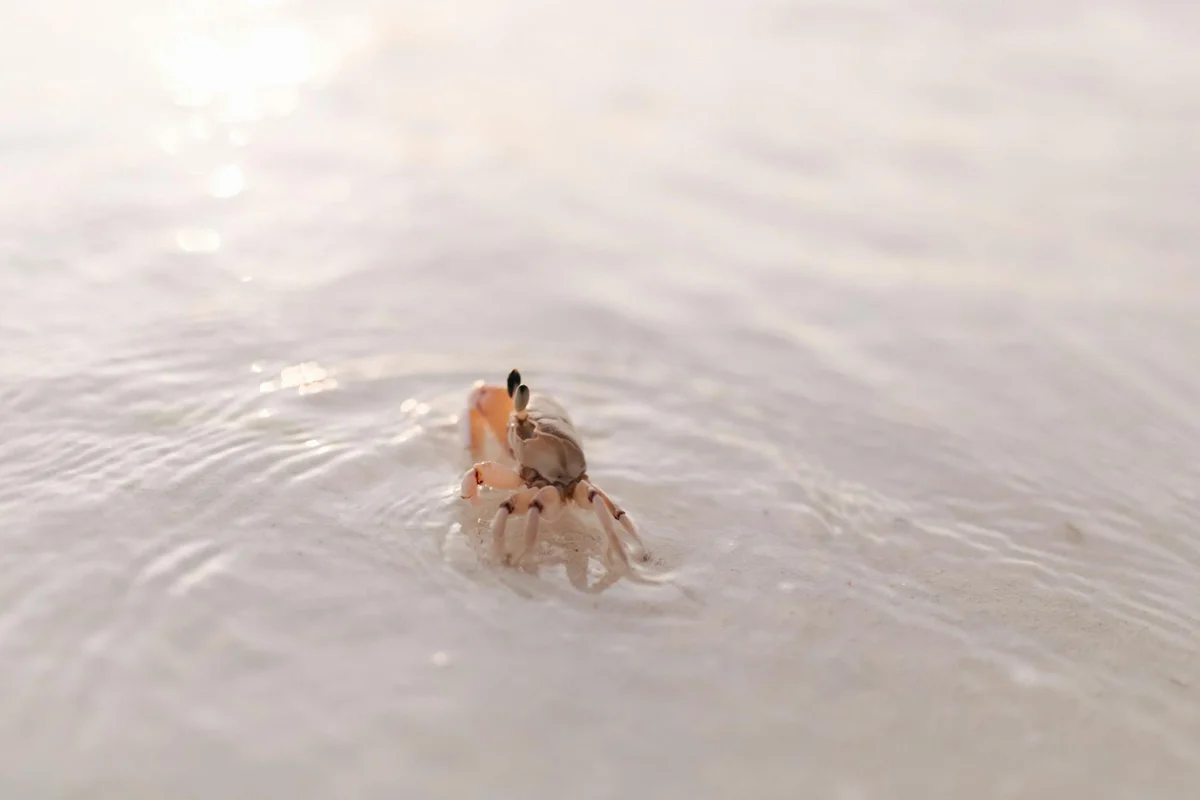
When one of my crabs shows signs of sickness, my first instinct is to act calmly and methodically. Panicking can lead to rushed decisions that stress the crab even more, so a steady approach is vital. I learned this the hard way when Poseidon became lethargic; my initial frantic habitat changes only made him retreat further into his shell. Now, my first step is always to set up a simple isolation tank if the crab is being bullied or is too weak to compete for food.
Immediate Care and Habitat Adjustments
Many common issues stem from simple environmental imbalances. The fastest way to address problems like dehydration is to perform a full habitat check, starting with humidity and temperature. I keep a digital hygrometer and thermometer in my main tank. If I see a crab looking weak or listless, I first verify the humidity is between 70-80% and the temperature is a steady 75-85°F. For a quick humidity boost, I add warmer water to the substrate or mist the tank walls with dechlorinated water.
Here are the immediate do’s and don’ts I follow for emergency care:
- DO provide a shallow dish of both fresh and salt water (made with marine salt) so the crab can choose to hydrate or soak.
- DO offer high-energy foods like natural honey, crushed eggshell, and unsalted peanut butter right near the crab.
- DON’T handle the crab excessively or try to force it out of its shell.
- DON’T suddenly change the entire tank setup; this causes immense stress.
- DON’T place a sick crab in direct, harsh lighting.
When to Escalate Care
You must monitor a sick crab closely to see if your interventions are working. If you see no improvement within 24-48 hours, or if symptoms worsen, it is time to consider more serious action. With my crab Zeus, his refusal to eat and persistent surface molting signs meant my home care wasn’t enough. A foul, fishy odor emanating from the shell is another major red flag that often indicates a fatal condition.
You should seek help from an exotic veterinarian if you observe any of the following:
- Visible parasites on the crab’s body.
- A limp body that hangs out of the shell with no resistance.
- Signs of a failed molt, like stuck exoskeleton for more than a couple days.
- Prolonged lethargy where the crab does not move or react to stimuli.
It can be difficult to find a vet who treats hermit crabs, so I recommend searching for an exotic specialist ahead of time. If your hermit crab is out of its shell or showing shell damage, it’s an emergency that requires prompt attention. Understanding common causes of shell emergencies can guide your quick actions while you reach the vet. Having a vet’s contact information on hand before an emergency arises is one of the most responsible steps a crab owner can take.
Preventing Sickness Through Proper Care
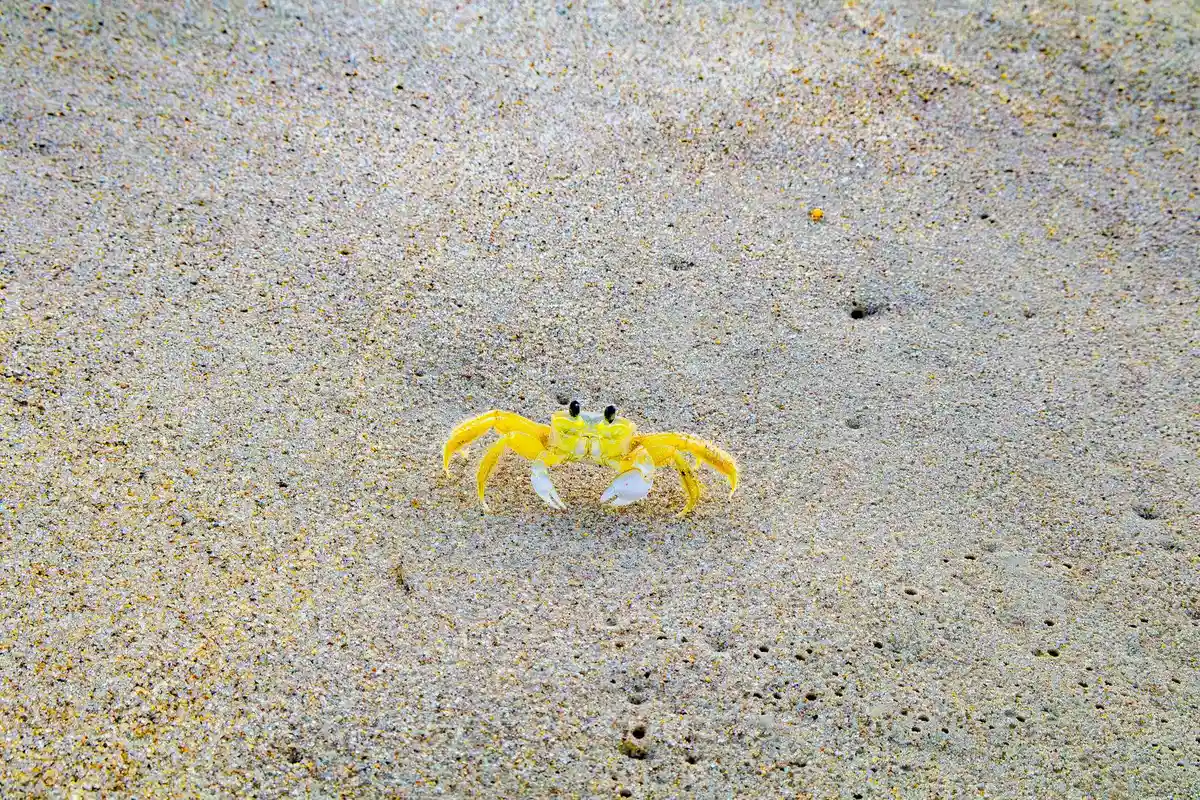
After years of caring for my five crabs, I’ve learned that proactive, consistent care is the single best way to prevent illness before it starts. A sick crab is often a sign that something in its environment has been off for a while. My approach revolves around three pillars: a perfect habitat, a balanced diet, and vigilant observation.
Here is my core list of daily and weekly preventive measures.
- Check humidity and temperature gauges twice daily.
- Spot-clean visible waste and old food every single day.
- Offer a fresh, varied diet and remove uneaten food within 24 hours.
- Ensure both fresh and saltwater pools are clean, deep enough for submersion, and have safe exits.
- Observe your crabs’ activity levels and behaviors for just five minutes each evening.
- Conduct a full habitat review once a week, checking substrate moisture and inspecting shells.
Optimal Habitat Conditions
Getting the environment right is non-negotiable. Hermit crabs have modified gills and breathe humid air; incorrect conditions directly harm their respiratory systems. I keep my tank’s humidity steady between 70% and 80% using a combination of a sealed lid, moss pits, and regular misting with dechlorinated water. This mimics the tropical breezes of their natural habitat and prevents fatal gill damage. Equally important is keeping the temperature in the ideal range—roughly 75–85°F (24–29°C). This temp-humidity balance supports healthy respiration and stress-free behavior in hermit crabs.
Temperature is just as critical for their metabolism and immune function. I use an under-tank heater on the side of the tank, not the bottom, to maintain a gradient from 75°F to 85°F (24°C to 29°C). My crab Apollo will always position himself directly in the warmest spot, proving how much they rely on that heat. Never use heat rocks, as they can cause severe burns.
Water quality is a pillar of health that is often overlooked. You must provide both fresh and saltwater pools, both treated with a water conditioner to neutralize chlorine and heavy metals. I use marine salt for the saltwater, never table salt. Poseidon soaks in his saltwater pool almost daily, which I believe is key to his successful molts.
Routine Health Monitoring
I treat my evening crab-watching sessions as a form of meditation and vital health monitoring. You become familiar with their unique personalities and can spot subtle changes that signal a problem. I know that if Zeus isn’t guarding the food bowl, something is wrong. If Athena is out during the day instead of her usual evening stroll, I pay closer attention.
During these observations, I quickly scan for key physical signs. Look for all limbs present and active antennae flicking, and ensure their bodies are tucked snugly inside their shells without any hanging limp. A healthy crab should feel heavy for its size, a sign it is well-hydrated and nourished.
I keep a simple logbook with a few notes for each crab. Documenting small changes over time helps you see the bigger picture of their health and can be invaluable if you ever need to consult a vet. My notes might look like: “Hermes – active, changed into new turbo shell. Apollo – ate well, basking. Zeus – less active than usual, monitor.” This takes two minutes but provides a powerful health record. It’s essential to document and track your hermit crabs’ health regularly.
FAQs
How often should I clean my hermit crab’s habitat?
Perform spot-cleaning daily to remove waste and uneaten food, and do a full substrate replacement every 4-6 months. This prevents mold and bacteria buildup while keeping the environment safe and comfortable for your crab. To keep care consistent, follow a complete maintenance schedule for the tank, including regular weekly wipe-downs and monthly checks of humidity and temperature.
What is the ideal diet for a healthy hermit crab?
Provide a balanced mix of commercial hermit crab pellets, fresh fruits, vegetables, and protein sources like unsalted nuts or cooked shrimp. Avoid foods with additives or high salt content to support proper nutrition and digestion. This feeding guide offers detailed insights into the complete hermit crab diet.
How can I reduce stress for my hermit crab?
Ensure the habitat has stable temperature and humidity, along with plenty of hiding spots and a variety of properly sized shells. Limit handling and sudden environmental changes to help your crab feel secure and less anxious.
The Bottom Line
Keeping a close, daily watch on your crab’s activity, appetite, and shell condition is your most powerful tool. A healthy crab is an active, curious explorer with a well-fitting shell, while a sick one often becomes lethargic, loses color, and may smell unpleasant. Trust your instincts-you know your pet best, and catching a small change early can make all the difference for their well-being.
Further Reading & Sources
- How to Tell If a Hermit Crab Is Sick: 13 Steps (with Pictures)
- How to Recognize When a Pet Hermit Crab is Sick | Pets on Mom.com
- How to Tell If a Hermit Crab Is Dead or Just Molting: 5 Vet-Reviewed Signs to Look For | PangoVet
The Crab Central is your ultimate resource for hermit crab enthusiasts, providing expert advice and practical tips to ensure the health and happiness of your shelled companions. With years of experience in crustacean care, we are dedicated to offering accurate, up-to-date information to support your hermit crab journey. Our mission is to foster a community of responsible hermit crab owners who are passionate about the well-being of these fascinating creatures.
Signs of Illness