The Ethics of Hermit Crab Shell Harvesting
Published on: December 29, 2025 | Last Updated: December 29, 2025
Written By: The Crab Guru
Have you ever picked up a beautiful seashell from the beach, wondering if it’s okay to take it home for your hermit crab?
After caring for my five hermit crabs for years, I’ve learned that shell collection requires more thought than most people realize.
Always check that a shell is completely empty and has no living residents before considering it for collection.
We’ll explore how shell harvesting impacts wild populations, how to collect shells responsibly, and how to prepare them safely for your tank.
Understanding the Critical Role of Shells for Hermit Crabs
A shell is not just a home for a hermit crab; it is its portable fortress, its growing chamber, and its primary tool for survival. Without a proper shell, a hermit crab is left defenseless, its soft abdomen exposed to desiccation, injury, and immense stress. They rely on this borrowed armor for everything. Scientists study the science behind shell selection, showing crabs weigh factors like shell size, weight, and aperture to balance protection with mobility. Availability and environmental conditions strongly shape these choices.
I have watched my crab Apollo spend hours meticulously inspecting new shells I provide, tapping and measuring them with his claws before making a switch. This careful selection process is a matter of life and death, not a casual decoration choice. This is the science behind shell selection in hermit crabs—the search for a shell that supports hydration and a safe molt. A perfect shell allows for proper water retention around their gills and provides the safe space they need to molt, a vulnerable process where they shed their exoskeleton to grow.
Shell scarcity in a captive environment leads to direct and observable consequences.
- Crab-on-crab aggression: My dominant crab, Zeus, will often guard prime shell real estate, leading to shell fights that can result in lost limbs.
- Forced into unsuitable shells: I’ve seen crabs cram themselves into shells that are too small or too heavy, which hinders their movement and growth.
- Stress-induced illness: A crab without a good shell often becomes lethargic, hides constantly, and may refuse to eat, making them susceptible to disease.
Uncovering the Ethical Dilemmas in Shell Harvesting
The pretty shells sold in bulk bags often come with a hidden cost that extends far beyond the pet store. The mass harvesting of shells for the pet trade creates a chain of ecological and ethical problems that every responsible owner should consider. I started noticing this when the bags of “assorted shells” I bought contained sharp, broken fragments and smelled faintly of chemicals.
- Habitat Destruction: Collecting shells often involves raking or dredging ocean floors, which destroys vital seabed habitats for countless marine organisms.
- Overharvesting: Popular shell types are taken in such large numbers that snail populations cannot replenish them, creating a shortage for wild hermit crabs.
- Ecosystem Impact: Empty shells are a crucial resource in the environment, used by over 100 species. Removing them disrupts a fundamental part of the coastal food web.
- Bycatch: The methods used to harvest shells often unintentionally capture and kill small fish, baby crabs, and other marine life that gets discarded.
Environmental Impact and Biodiversity Loss
When we take shells from beaches or shallow waters, we are not just taking empty calcite. We are removing critical building blocks of the ecosystem that provide housing, breeding grounds, and camouflage for a diverse range of creatures. This removal creates a ripple effect. A decline in available shells for wild hermit crabs means fewer crabs survive to adulthood, which impacts the species that prey on them. The shell trade directly contributes to a silent, gradual erosion of marine biodiversity that often goes completely unnoticed by the consumer. It affects how hermit crabs can grow and change shells, leaving them vulnerable in the wild.
Animal Welfare and Shell Suitability
Beyond the environmental cost, the shells that make it to the market are not always safe for our pets. I learned this the hard way with my calm crab, Athena, who once moved into a painted shell from a pet store batch. She became listless, and I feared she was sick. The moment I swapped it for a natural, collected shell, her behavior returned to normal. Painted or varnished shells can slowly leach toxic chemicals into the crab’s moist environment, poisoning them over time.
Ill-fitting shells are another major welfare issue. A shell that is too round, too narrow, or too heavy prevents a crab from properly retracting for protection. My crab Poseidon loves to dig, and a poorly balanced shell makes this natural behavior exhausting and difficult for him. Mass-harvested shells are rarely sorted for species-appropriate shape and size, leaving our captive crabs with a pile of dangerous or useless options.
Exploring Sustainable and Ethical Shell Sourcing
Finding beautiful shells for your crabs doesn’t have to come at a cost to their wild cousins. My journey to ethical shell sourcing began after I realized the bags of ‘assorted shells’ I bought for Hermes and Apollo were likely stripped from living habitats. Now, I follow a much more mindful process.
Your Step-by-Step Guide to Ethical Shell Finding
- Start by looking for secondhand shells. Check local beach shops that sell collected, empty shells or connect with other crab owners who are downsizing their collections.
- Seek out sellers who specifically state their shells are “land collected,” “bycatch,” or “sustainably harvested.” These terms indicate the shells were gathered without harming live crabs or damaging reefs.
- Purchase from reputable craft stores or online shops that transparently list the shell’s country of origin. This allows you to research the harvesting laws of that region.
- Consider natural shell falls. Sometimes, the best shells are the ones your crabs outgrow and leave behind, which can be cleaned and offered to a smaller crab in your tank.
Your Ethical Shell Seller Checklist
Before you click “add to cart,” run through this quick list. A responsible seller will usually meet these criteria.
- The seller can explain how and where the shells were collected.
- Shells are not sourced from protected marine parks or ecologically sensitive areas.
- The collection method is described as land-gathered or as a byproduct of the fishing industry.
- The shells are not polished to an unnatural, high-gloss shine, which can involve harmful chemicals.
- They do not sell shells with living snails or organisms still inside.
Safe Shell Cleaning Methods
Once you have your ethical shells, they must be cleaned thoroughly to protect your pets from pesticides or bacteria. I use a simple boiling method for all shells I bring into my crabitat, whether they are new or recycled from a previous crab.
- Scrub the shell’s interior and exterior with a clean brush under hot water to remove sand and debris.
- Submerge the shells completely in a pot of fresh water. There should be no bleach, vinegar, or soap in this water.
- Boil the shells for at least 20 minutes. This kills any lingering microorganisms.
- Let the shells cool completely in the pot before removing them. Never place a hot shell in your tank.
- Rinse one final time with dechlorinated water before offering them to your curious crabs.
Identifying Legal and Responsible Harvesting Practices
Many coastal regions have laws to protect their shell resources, but enforcement can be challenging. As a consumer, your most powerful tool is knowledge of which shells and sources are most problematic.
In the United States, collecting live shells is prohibited in many states, including Florida. International laws, like the Convention on International Trade in Endangered Species (CITES), also protect certain mollusk species. Avoid shells from areas known for overharvesting, such as some parts of the Philippines and Indonesia, unless the seller provides clear proof of sustainable practices. Turbo shells, in particular, are often overharvested, so I am very selective about where I source them for my crabs.
Practical Tips for Pet Owners
Your choices at the checkout have a direct impact. Here is a simple list of do’s and don’ts I follow for my own clan.
- DO choose a variety of shell types and sizes to give your crabs plenty of options.
- DO inspect shells for a rough, natural interior; crabs need this to grip properly.
- DO support small businesses that are transparent about their shell sources.
- DON’T buy painted shells. The paint can chip, and crabs may ingest toxic flakes.
- DON’T purchase shells with a glossy, lacquered finish, as it can be toxic and prevent crabs from sensing the shell properly.
- DON’T collect shells from beaches where it is prohibited. Always check local regulations.
Our responsibility is to reduce the demand for unethically sourced shells by making informed purchases and spreading awareness within our community. Every time you choose an ethical shell, you cast a vote for the welfare of hermit crabs everywhere. Check our where to buy hermit crab shells safe sources shopping guide for reliable options, safety tips, and reputable vendors. It will help you purchase shells confidently and ethically.
The Broader Impact on Hermit Crab Conservation
The shells in our tanks are directly connected to the survival of crabs in the wild. Wild hermit crab populations are declining in many places primarily due to shell scarcity, a problem the pet trade exacerbates. Habitat quality directly influences a hermit crab’s lifespan. When shells and safe shelter are scarce, stress and malnutrition can shorten life, a risk mirrored in the wild and in pet tanks. When we buy shells stripped from beaches, we contribute to a habitat that is literally being hollowed out, leaving wild crabs with nowhere to live.
Organizations like the Land Hermit Crab Owners Society (LHCOS) fund and promote vital research into wild crab populations. Supporting these groups helps scientists understand the full scope of the problem and work on solutions. We must also advocate for better regulations within the pet industry itself, pushing for clearer labeling and a move away from wild-shell harvesting. Talk to your local pet stores about their shell sources. Share what you know with other crab owners. Ethical hermit crab ownership means prioritizing welfare in captivity and considering the conservation impact of shell harvesting. By advocating humane care and responsible sourcing, we help safeguard wild populations and advance welfare-focused standards across the hobby. Our collective voice can push the industry toward more humane and sustainable practices for all creatures involved.
Making Informed Choices for Hermit Crab Welfare
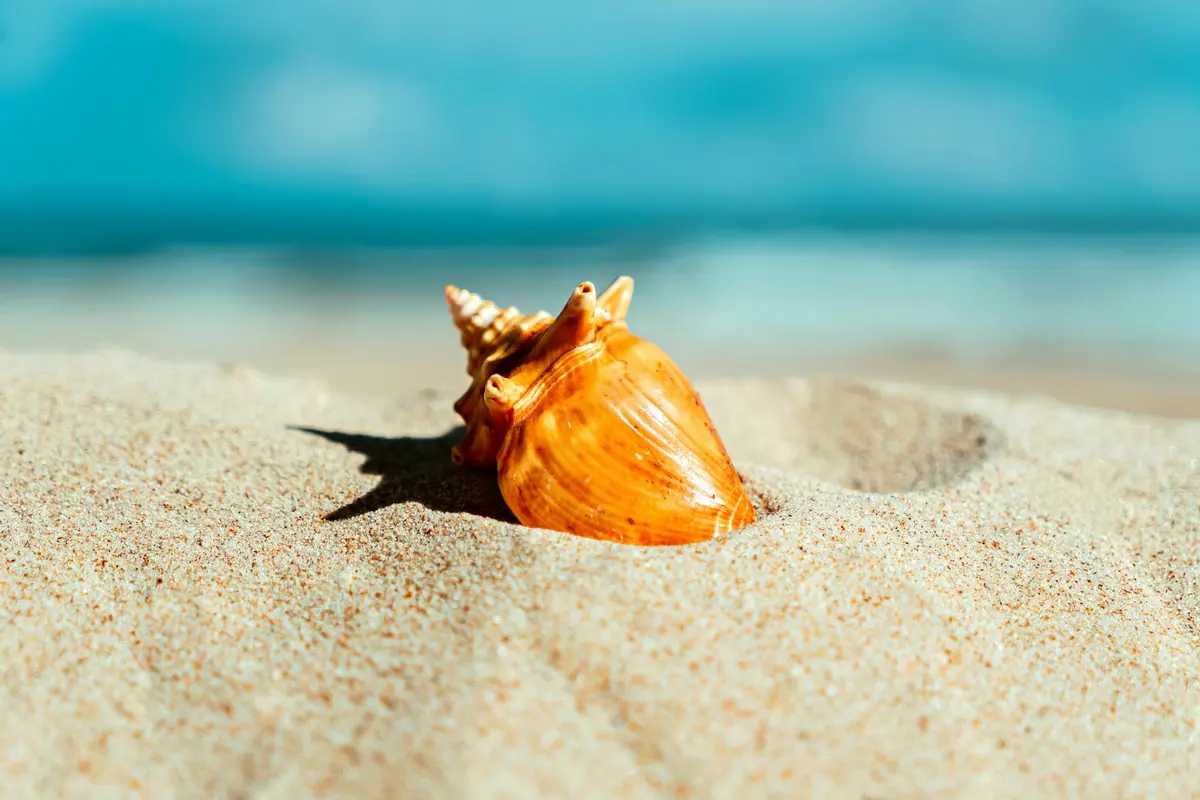
Every time you choose a shell for your crab, you are making a decision that impacts an entire ecosystem. The most ethical choice is one that considers the wild population, the individual animal in your care, and the long-term health of our coastlines. Hermit crabs change shells as they grow or when they need to evacuate to escape danger. Understanding shell selection and evacuation behavior helps explain why shell sourcing matters. Your purchasing power directly influences what is collected and sold.
Your Ethical Shell Shopping Guide
When you’re looking for new shells, keep these simple rules in mind. They have completely changed how I shop for my own crew.
- Always choose natural, unpainted shells. Paint can be toxic and hides the shell’s true quality.
- Prioritize shells from vendors who explicitly state they use sustainable harvesting methods or source from shell-replenishment programs.
- Select a wide variety of shapes and sizes. What fits Hermes might be too small for Zeus.
- When in doubt, a bag of mixed, natural turbo shells is a safe and responsible bet.
Become an Advocate Through Action
Caring for hermit crabs is a niche hobby, and our collective voice matters. Supporting ethical practices isn’t just a personal choice; it’s a powerful statement that can shift the entire market. Seek out and purchase from small businesses and educators who prioritize animal welfare over profit. Learn to identify responsible hermit crab breeders and sellers who prioritize welfare and transparent care. By supporting these providers, you help sustain ethical practices in the community.
Share what you learn with other owners. When a fellow crab keeper admires one of my crab’s shells, I make a point to explain why I chose a natural one from a reputable source. This simple act spreads awareness far more effectively than any lecture.
A Lesson from Apollo’s Shell
I learned the importance of ethical sourcing the hard way. Early on, I bought a beautifully painted shell for Apollo. He immediately moved into it, and I thought it was a success. Within days, he became lethargic. I noticed a faint, chemical smell coming from the shell and realized the paint was likely off-gassing. I had to stage an emergency shell intervention, laying out all his old, natural options until he finally switched back to a safe home. He was back to his basking, curious self within hours. That experience solidified my commitment to only providing the most natural, safely sourced shells I can find.
Our choices define us as pet owners. By making informed, compassionate decisions about shell harvesting, we ensure these fascinating creatures can thrive both in our tanks and in the wild.
FAQs
What should I do if my hermit crab is currently in a painted shell?
Gently encourage them to switch by placing several natural, unpainted shells of appropriate sizes in their habitat. Monitor their behavior to ensure a stress-free transition to a safer home.
How often should I introduce new shells to my hermit crab habitat?
Offer new shells every few months or after molting events to accommodate growth and reduce aggression. Providing a diverse selection helps prevent shell fights and ensures all crabs have suitable options.
Are certain shell shapes better for specific types of hermit crabs?
Yes, species like Caribbean hermit crabs often prefer shells with round or oval openings, while Ecuadorian varieties may favor elongated, D-shaped apertures. Matching shell shapes to your crab’s natural preferences supports their comfort and mobility.
Our Shared Responsibility
Ultimately, providing shells is a fundamental part of hermit crab care, but how we source them matters deeply. Prioritize gathering empty shells from safe, natural beaches or purchasing from reputable suppliers who do not harm live crabs. Every shell we choose has a direct impact on wild populations and their delicate ecosystems. Let’s commit to being mindful guardians, ensuring our pets’ enrichment never comes at the cost of another crab’s life or home. Pet owners can further help hermit crab conservation by sharing shells with rescue groups or donating to sanctuaries, turning our care into community support. Small, responsible choices add up to healthier ecosystems for both pets and wild crabs.
Further Reading & Sources
- Land Hermit Crab – The Department of Environment and Natural Resources
- Shells for Hermits | Reef2Reef
- r/hermitcrabs on Reddit: The Comprehensive Guide to Hermit Crab Shells
The Crab Central is your ultimate resource for hermit crab enthusiasts, providing expert advice and practical tips to ensure the health and happiness of your shelled companions. With years of experience in crustacean care, we are dedicated to offering accurate, up-to-date information to support your hermit crab journey. Our mission is to foster a community of responsible hermit crab owners who are passionate about the well-being of these fascinating creatures.
Myths About Hermit Crabs